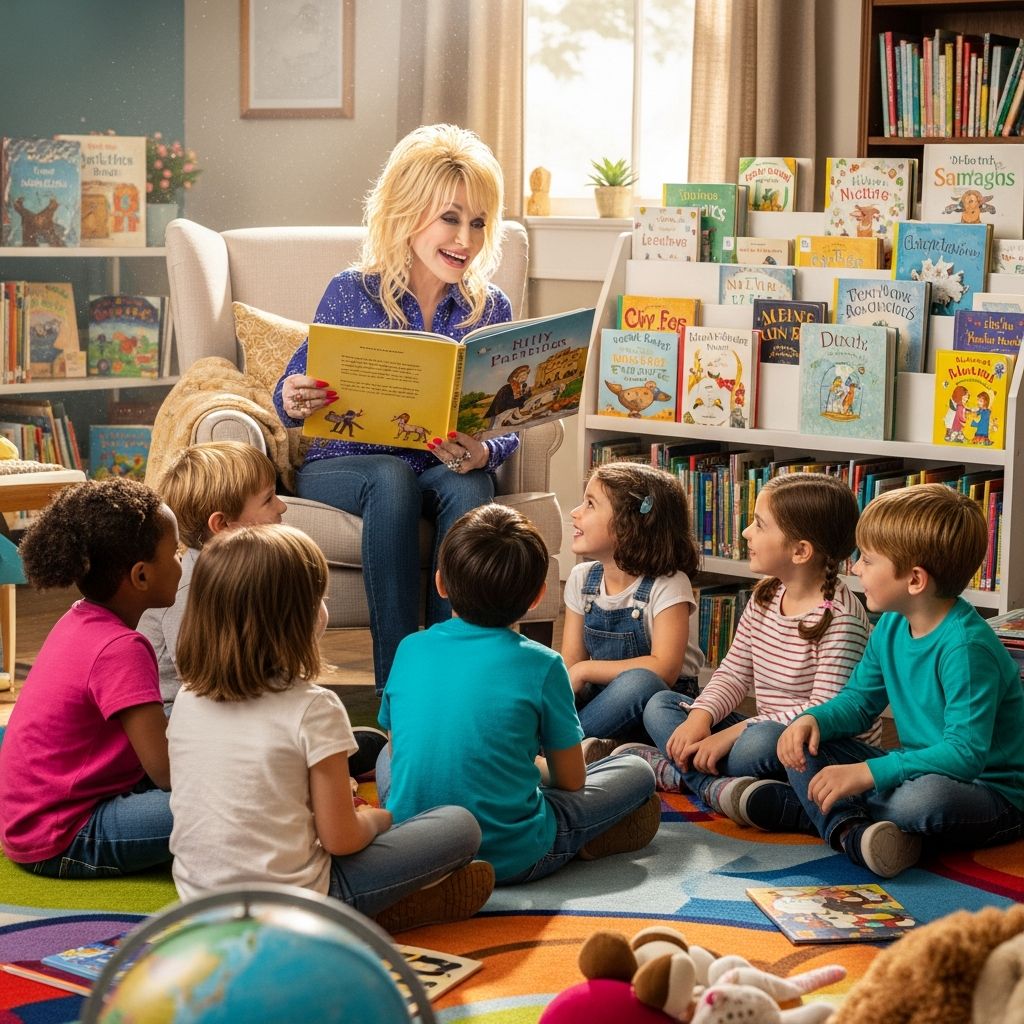
The Continuum Concept offers a radically different way of understanding what babies and children need to thrive. Instead of asking, “How do we get children to behave?”, it invites parents to ask, “What conditions allow children to naturally become secure, cooperative, and confident?”
What Is the Continuum Concept?
The Continuum Concept is an approach to human development and parenting that suggests children come into the world with built-in expectations shaped by our evolutionary history. When those expectations are met, children tend to develop into calm, resilient, socially attuned adults; when they are not, insecurity, anxiety, and chronic struggle often follow.
Instead of viewing babies as blank slates or potential problems, this perspective sees them as naturally social beings, already oriented toward cooperation and connection. The parent’s task is less about control and more about providing conditions that match what our species has adapted to over thousands of generations.
Core Principles in Plain Language
While interpretations vary, most applications of the Continuum Concept revolve around a few core ideas that are both intuitive and deeply challenging to mainstream habits. These principles can be adapted to any family culture or lifestyle, but they always start with trust in the child’s innate drive toward growth.
- Continuous closeness in early life: Newborns and young babies are designed to be held, carried, and kept near to their caregivers most of the time.
- Responsive caregiving: Adults respond promptly and calmly to the baby’s signals, without shaming, scolding, or ignoring.
- Hopeful expectations: Children are treated as fundamentally cooperative and capable, not as problems waiting to happen.
- Inclusion in real life: Kids grow up inside the flow of adult activities, learning by watching and gradually participating.
- Secure freedom: As children grow, they are trusted with increasing autonomy, supported rather than micromanaged.
From Survival Instincts to Everyday Parenting
Human babies are born highly dependent, yet their brains and nervous systems are wired with expectations about how adults will respond. For most of human history, an isolated baby would not have survived, so infants are primed to protest separation and to relax in response to warm, reliable contact.
Modern environments often disrupt these old patterns. Practices like prolonged separation, rigid schedules, or dismissing cries as manipulation can clash with a baby’s deep expectation of closeness and responsiveness. The Continuum Concept urges parents to see those expectations not as inconvenient habits to be broken, but as survival-driven needs that still matter in today’s world.
The Early “In-Arms” Period
One of the most distinctive aspects of this approach is its focus on the first months of life as an “in-arms” period. During this time, the baby is not expected to entertain themselves or self-soothe in isolation. Instead, their default state is being held, carried, or in direct bodily contact with a familiar person.
This is not about hovering or constant stimulation. The adult continues normal activities—walking, talking, working, visiting—with the baby simply along for the ride, absorbing the rhythm of daily life from a position of safety and comfort.
Practical ways to honor the in-arms phase
- Use a well-fitted baby carrier to keep your hands free while your baby rests against you.
- Invite other trusted adults (partner, grandparents, close friends) to share in carrying and holding, creating a small circle of familiar arms.
- Shift expectations away from “putting the baby down” toward “bringing the baby with you.”
- Let your baby sleep on you or beside you during the day instead of insisting on solitary naps if that causes distress.
Closeness at Night: Sleep as Connection
Nighttime can either reinforce security or amplify stress. In the Continuum view, sleep is not a separate training ground but a continuation of daytime connection. Many families choose some form of co-sleeping or room-sharing, with attention to safety and comfort for everyone.
Rather than aiming for early, rigid independence, this approach treats nighttime wakefulness and separation protests as normal survival instincts. Parents support gradual, child-led transitions to more independent sleep when the child shows readiness, not simply at a culturally prescribed age.
| Arrangement | Primary Focus | Continuum-Friendly Adjustments |
|---|---|---|
| Full bed-sharing | Maximum closeness, easy breastfeeding and soothing | Emphasize safe sleep practices, firm mattress, no heavy bedding near baby |
| Sidecar crib / bassinet | Proximity with distinct sleep space | Keep baby within arm’s reach and respond quickly to cues |
| Separate room, monitor use | Early independence, parental sleep blocks | Increase parental presence at bedtime, offer comfort in-person rather than relying only on devices |
Feeding: Following the Baby’s Lead
In a Continuum-aligned approach, feeding is guided primarily by the child’s internal cues rather than by the clock. For breastfed babies, this often looks like nursing on demand, including at night, without strict spacing of feeds. For formula-feeding families, the same principle applies: hunger cues are trusted and responded to promptly.
The emphasis is on relational feeding—eye contact, cuddling, and unhurried time—rather than treating feeding as a purely mechanical task. Over time, babies who experience this sort of attuned care tend to internalize a healthy relationship with hunger, satiety, and comfort.
Responsive Care Without Over-Focusing
One of the subtler features of the Continuum Concept is the balance between responsiveness and over-focus. Adults in traditional, high-contact cultures often respond immediately to a child’s distress but do not make the child the ceaseless center of attention. The baby is held, comforted, and included, yet the adult’s attention largely remains on practical tasks and social life.
Modern parents sometimes swing between extremes: ignoring cries to avoid “spoiling” or, on the other side, orbiting every minor whimper with anxious scrutiny. A Continuum-inspired middle path means meeting genuine needs confidently, then calmly returning attention to life, signaling to the child that they are safe in a stable, purposeful environment.
Trusting Children’s Cooperative Nature
At the heart of this philosophy lies a radical claim: children are naturally oriented toward cooperation and contribution, provided they are treated with respect and realistic optimism. When adults expect trouble, misbehavior, or manipulation, children often live up to those pessimistic assumptions.
When adults instead hold a quiet expectation that children want to help and belong, kids tend to move toward those expectations. They are more likely to pitch in, listen, and be considerate—not out of fear of punishment, but because it feels natural to be part of a mutually respectful group.
Everyday examples of positive expectation
- Inviting a toddler to carry a small item rather than warning them not to touch anything.
- Assuming a school-age child can handle simple responsibilities and gradually increasing the complexity.
- Framing corrections as guidance (“Here’s how we do it”) rather than character judgments (“You’re so careless”).
Inclusion Instead of Child-Centered Living
Modern parenting often oscillates between two uncomfortable extremes: sidelining children while adults live separate lives, or centering every family decision around the child’s preferences. The Continuum Concept suggests a third option: children belong fully to the adult world without being placed on a pedestal.
In practice, this looks like bringing children along to errands, social gatherings, chores, and projects, with age-appropriate accommodations. Kids observe, absorb language and skills, and gradually transition from observers to helpers, then contributors, without constant pressure or praise.
Maintaining Boundaries Without Harshness
Trusting a child’s nature does not mean the absence of limits. Continuum-aligned boundaries are clear and firm but delivered without threats, humiliation, or arbitrary power struggles. The goal is to keep everyone safe and the household functioning, while safeguarding the child’s dignity and sense of belonging.
Instead of relying on rewards and punishments, parents focus on natural consequences, modeling, and calmly enforced rules that make sense within the family’s daily life. The long-term effect is a child who internalizes values instead of simply complying to avoid punishment.
Examples of calm, firm boundaries
- Physically blocking a dangerous action (like hitting or running into the street) while staying emotionally composed.
- Ending an activity when a child cannot participate safely, with a simple explanation and no shaming lecture.
- Using routines—like clean-up songs or pre-bedtime rituals—to make cooperation feel predictable and manageable.
Benefits for Children and Parents
Families who move in this direction often report shifts that are both subtle and profound. Babies may cry less overall, not because they are “toughened up,” but because their nervous systems spend more time in a regulated, connected state. Toddlers and older children often become more confident, curious, and engaged in family life.
Parents, too, can experience benefits: less pressure to follow rigid external rules, greater trust in their own instincts, and a deeper sense of partnership with their children. While there are still hard days and developmental storms, the underlying relationship tends to feel sturdier and more cooperative.
Adapting the Continuum Concept to Modern Life
Most families cannot—and do not need to—recreate a traditional village environment. The point is not to imitate another culture perfectly, but to reinterpret the underlying principles within realistic constraints like work schedules, urban living, or single parenting.
- Start where you are: Choose one area—like more baby-wearing, gentler sleep routines, or involving your child in chores—and experiment with small changes.
- Build a “village” from scratch: Identify supportive adults, parent groups, or community spaces that can share the emotional and practical load.
- Respect your limits: Closeness and responsiveness work best when caretakers are not completely depleted; self-care is part of the continuum, too.
- Stay flexible: Adjust practices as your child grows and your family circumstances evolve; the core is connection, not rigid rules.
Common Misunderstandings and Concerns
Some critics worry that constant closeness will produce clingy, dependent children, or that highly responsive parenting means indulging every impulse. In practice, children whose early need for security is well met often separate more easily, because they carry a strong internal sense of safety.
Another concern is that this approach is unrealistic for working parents. While not every recommendation will fit every family, even modest increases in physical closeness, responsiveness, and inclusion can shift the emotional climate of the home. The aim is not perfection, but movement toward greater alignment with children’s deep expectations.
Frequently Asked Questions
Does the Continuum Concept mean never putting my baby down?
No. The idea is not that your baby must always be in arms, but that their default state in the early months is physical closeness and ready access to comfort. There will naturally be moments when you need to set the baby down; the goal is to keep separation brief and emotionally supported, not to eliminate it entirely.
Will responding quickly to crying spoil my child?
Responding to cries in infancy helps wire the nervous system to associate need with predictable care. Over time, this usually leads to less frantic crying, not more, because the child expects that communication works. Limits and guidance still matter, but they are built on top of a foundation of trust rather than fear.
How is this different from typical attachment parenting?
The Continuum Concept and attachment parenting share many practices—such as baby-wearing, responsive feeding, and co-sleeping—but the Continuum frame adds a strong emphasis on inclusion in adult life and on trusting children’s innate cooperative drive. It shifts the focus from techniques to an underlying worldview about what humans are built to expect.
What if I discovered this approach after my child was older?
It is never too late to move toward more connection, trust, and collaboration. While the earliest months are uniquely sensitive, older children and even teens can benefit enormously from being listened to more deeply, included in real tasks, and treated as fundamentally worthy of respect.
Do I have to agree with every aspect of the theory to benefit from it?
Not at all. Many parents take what resonates—such as more carrying, gentler sleep, or involving children in meaningful work—and leave the rest. The central invitation is to experiment with aligning your parenting more closely with your child’s built-in expectations of connection, responsiveness, and belonging.
Putting It All Together in Your Family
Embracing the Continuum Concept does not mean following a rigid set of rules; it means seeing your child through a new lens. Instead of presuming that children are wild, selfish, or in need of constant correction, you start from the assumption that they are wired for relationship and contribution.
By offering early physical closeness, responsive care, meaningful inclusion, and compassionate limits, you create an environment in which your child’s natural social instincts can flourish. The result is not a perfect family, but a more connected one—where cooperation grows from trust, and where both children and adults can feel more at home in their own skin.