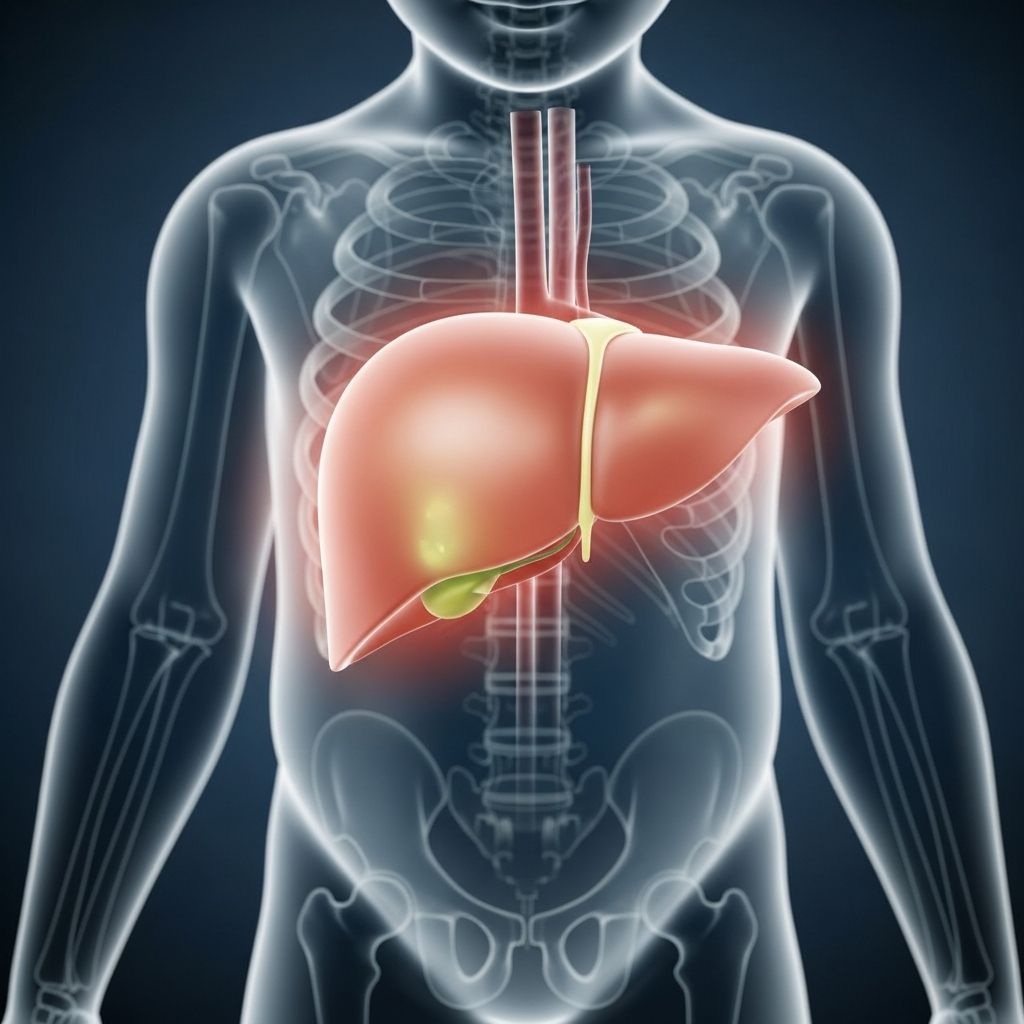
The liver is a vital organ in children, performing over 500 essential functions such as filtering toxins, producing bile for digestion, and storing key nutrients. When liver problems arise in kids, they can disrupt growth, digestion, and overall health. Pediatric liver disorders range from congenital conditions present at birth to acquired issues from infections or lifestyle factors. Early detection is crucial because many conditions progress silently until advanced stages.
Common Types of Pediatric Liver Disorders
Children can experience various liver conditions, each with unique causes and manifestations. Biliary atresia, for instance, involves blocked bile ducts leading to bile buildup and liver damage, typically diagnosed in infancy. Another frequent issue is metabolic dysfunction-associated steatotic liver disease (MASLD), formerly known as fatty liver disease, linked to obesity and affecting many adolescents. Acute liver failure strikes suddenly without prior disease history, often from infections or toxins.
Genetic disorders like alpha-1 antitrypsin deficiency impair liver function due to protein buildup, while autoimmune hepatitis involves the immune system attacking liver cells. Rare cancers such as hepatoblastoma primarily affect young children under age three. Primary sclerosing cholangitis scars bile ducts, causing chronic inflammation. These conditions highlight the diversity of pediatric liver diseases, necessitating tailored approaches.
Recognizing Symptoms Early
Parents should watch for signs like persistent jaundice, where the skin and eyes turn yellow due to bilirubin accumulation. Itching, poor weight gain, and fatigue are common in cholestatic disorders like progressive familial intrahepatic cholestasis (PFIC). Abdominal pain, nausea, and swelling may signal acute issues. In advanced cases, complications include ascites (fluid in the abdomen), easy bruising from clotting problems, and encephalopathy causing confusion.
- Jaundice and dark urine: Indicates bile flow obstruction.
- Enlarged liver or spleen: Palpable during exams.
- Growth delays: Due to nutrient malabsorption.
- Severe itching: Especially at night in cholestasis.
Infants might show irritability or poor feeding, while older kids complain of tiredness or appetite loss. Metabolic disorders can present with hepatomegaly (enlarged liver) or steatosis (fat accumulation). Prompt recognition prevents progression to cirrhosis or failure.
Causes Behind Liver Problems in Kids
Liver issues stem from multiple origins. Infectious agents like hepatitis viruses, herpes simplex, or enteroviruses trigger acute failure, especially in newborns. Genetic mutations cause inborn errors such as tyrosinemia or galactosemia, where enzyme deficiencies lead to toxic buildup. Autoimmune conditions like hepatitis involve misguided immune responses.
Structural anomalies, including choledochal cysts or congenital hepatic fibrosis, block bile flow. Metabolic factors like obesity drive MASLD, now the leading chronic liver disease in youth. Medications, toxins, or vascular issues like heart failure-related congestion also contribute. Environmental triggers, such as fructose in hereditary intolerance, can unmask latent diseases. Understanding these roots guides prevention and therapy.
How Doctors Diagnose Liver Conditions
Diagnosis begins with blood tests measuring liver enzymes (ALT, AST), bilirubin, and clotting factors. Elevated levels suggest inflammation or failure. Ultrasound detects structural issues, masses, or steatosis. For biliary atresia, hepatobiliary scans or biopsies confirm duct blockage.
Genetic testing identifies deficiencies like alpha-1 antitrypsin. Liver biopsy provides definitive insights into damage type, such as fibrosis or autoimmune activity. In acute failure, extensive workup rules out infections via PCR or cultures. Advanced imaging like MRI evaluates ducts and tumors. Multidisciplinary teams, including pediatric hepatologists, streamline this process.
| Test Type | Purpose | Common Findings |
|---|---|---|
| Blood Tests | Assess function and inflammation | High ALT/AST, low albumin, prolonged PT |
| Ultrasound | Visualize structure | Dilated ducts, hepatomegaly, cysts |
| Biopsy | Examine tissue | Fibrosis, fat, cancer cells |
| Genetic Panels | Identify inherited disorders | Mutations in metabolic genes |
Treatment Strategies for Young Patients
Treatments vary by condition. For biliary atresia, the Kasai procedure surgically connects liver to intestine for bile drainage, ideally before 60 days. Immunosuppressants like steroids manage autoimmune hepatitis, preventing cirrhosis. Ursodeoxycholic acid relieves itching and improves bile flow in sclerosing cholangitis.
Acute failure requires ICU support with fluids, nutrition, and dialysis if kidneys fail; transplantation is lifesaving. Lifestyle changes combat MASLD: weight loss, diet, and exercise reduce fat. Enzyme replacement or dietary restrictions address metabolic diseases. Hepatoblastoma responds to surgery and chemotherapy. Ongoing monitoring adjusts therapies for optimal outcomes.
Potential Complications and Long-Term Outlook
Untreated disorders lead to cirrhosis, portal hypertension, or cancer. Infections rise due to immune compromise, and encephalopathy impairs development. Transplant candidates face waitlists, but success rates exceed 90% in children.
With intervention, many thrive: post-Kasai survival improves, and MASLD reverses with obesity control. Regular follow-ups track progress, vaccinate against hepatitis, and screen for complications. Nutritional support with fat-soluble vitamins prevents deficiencies.
Prevention Tips for Parents
Vaccinate against hepatitis A and B to avert viral hepatitis. Maintain healthy weight to dodge fatty liver. Avoid toxins and adhere to medication doses. Breastfeeding supports metabolic health, delaying triggers. Routine checkups catch jaundice early. Educate on symptoms empowers timely action.
Frequently Asked Questions
Can liver diseases be cured in children?
Many are manageable or curable, like acute failure with support or MASLD via lifestyle; chronic ones like biliary atresia often need transplants.
What role does diet play?
Diet avoids triggers in metabolic issues and reduces fat in MASLD; supplements aid cholestasis.
Is liver transplant common for kids?
It saves lives in end-stage disease, with living donors boosting availability.
How does obesity affect kids’ livers?
It causes MASLD, the top chronic issue, progressing to fibrosis if unchecked.
When to seek urgent care?
Sudden jaundice, vomiting, confusion, or bleeding warrants immediate ER visit.
This guide equips parents with knowledge for proactive care, emphasizing specialist consultation.
References
- Liver Disorders in Children — Children’s Hospital of Philadelphia. 2023. https://www.chop.edu/conditions-diseases/liver-disorders
- Pediatric Liver Diseases — Texas Liver Foundation. 2024. https://www.texasliverfoundation.org/resources/pediatric-liver-diseases/
- Phenotypes of Liver Diseases in Infants, Children, and Adolescents — PMC (NCBI). 2020-03-15. https://pmc.ncbi.nlm.nih.gov/articles/PMC7122582/
- Pediatric Liver Disease — American Liver Foundation. 2024. https://liverfoundation.org/liver-diseases/pediatric-liver-information-center/pediatric-liver-disease/
- Liver Failure in Children — Nationwide Children’s Hospital. 2023. https://www.nationwidechildrens.org/conditions/liver-failure-in-children