Enriching Your Holiday Celebration Through Artistic Expression
The autumn season brings with it a unique opportunity to gather with loved ones and celebrate the values that matter most. While traditional holiday meals form the centerpiece of many family celebrations, incorporating creative artistic activities can add an extra layer of meaning and engagement to your gatherings. Art-based projects offer a wonderful way to combine entertainment with education, allowing both children and adults to explore historical narratives, develop fine motor skills, and reflect on personal gratitude in a fun, accessible manner.
Artistic pursuits during festive occasions serve multiple purposes beyond simple entertainment. These activities can spark meaningful conversations about family traditions, cultural heritage, and the importance of appreciation. Whether you’re looking for quiet activities to keep children engaged before a meal or seeking interactive projects that bring multiple generations together, creative endeavors tailored to the season provide flexible solutions for various family dynamics and preferences.
The Educational Benefits of Seasonal Artistic Activities
When families engage in artistic projects together, they create opportunities for learning that extend far beyond the visual result. Historical awareness naturally emerges when children work on projects depicting significant cultural moments, such as the early interactions between European settlers and Indigenous peoples. These creative activities can introduce young learners to important figures, archaeological findings, and cultural traditions in an engaging, non-threatening way.
Fine motor skill development represents another substantial advantage of creative projects. The focused concentration required for detailed artistic work strengthens hand-eye coordination and muscle control in children’s hands and fingers. This physical development supports the emergence of writing and drawing abilities that extend well beyond the holiday season.
Cognitive development also benefits from artistic engagement. When children make color choices, pattern decisions, and compositional selections, they exercise decision-making abilities and creative thinking. The problem-solving required to complete artistic projects—whether deciding which shades complement one another or how to fill challenging spaces—builds neural pathways associated with innovation and adaptability.
Exploring Historical Narratives Through Visual Art
One particularly meaningful approach to seasonal artistic activities involves depicting historical events and cultural interactions. The period surrounding early American history offers rich visual material that can be both educationally valuable and artistically engaging. Projects featuring depictions of different cultural groups allow children to develop awareness of diverse perspectives and experiences.
When young learners engage with visual representations of historical figures—whether Indigenous peoples in traditional attire, European settlers in period clothing, or significant landmarks—they begin to construct mental frameworks for understanding how different groups of people lived, worked, and interacted. The act of carefully coloring or creating these images encourages closer observation and contemplation than passive observation might provide.
Agricultural themes naturally align with seasonal celebrations, offering opportunities to explore how different cultures developed distinct farming practices and food traditions. Projects depicting harvest scenes, agricultural tools, and traditional crops can introduce young people to the practical knowledge that sustained communities throughout history.
Meaningful Themes for Creative Projects
Several enduring visual themes lend themselves particularly well to artistic interpretation during this season:
- Harvest and Agricultural Imagery: Cornucopias overflowing with produce, pumpkins of various sizes, wheat bundles, and seasonal vegetables provide abundant visual interest and allow for creative color exploration.
- Cultural Symbols and Objects: Period-appropriate clothing, traditional dwellings, cooking vessels, and tools tell stories about daily life and cultural practices without requiring extensive explanation.
- Natural Elements and Landscapes: Autumn foliage, bare trees, wildlife, and seasonal weather patterns connect artistic activities to environmental observation and appreciation.
- Festive Food and Table Settings: Traditional meal components, decorative serving vessels, and table arrangements invite exploration of culinary customs and family dining traditions.
- Iconic Symbols: Recognizable imagery associated with the season, from certain bird species to specific architectural elements, provides instantly engaging subject matter for artists of all skill levels.
Designing Inclusive Projects for Varied Skill Levels
Successful creative activities accommodate participants ranging from very young children to adults. Differentiation strategies ensure that family members of different ages and abilities can participate meaningfully alongside one another.
For Younger Participants: Large shapes with clear boundaries, simple scenes with minimal detail, and projects emphasizing bold color application work well. Activities might focus on single elements—a large turkey, a simple pilgrim hat, or an overflowing cornucopia—allowing children to concentrate on the coloring process itself rather than managing complex compositions.
For Intermediate Skill Levels: Projects incorporating more detail, smaller spaces requiring finer motor control, and opportunities for creative embellishment appeal to children ready for greater challenge. Pattern-based activities, where specific colors correspond to numbered regions, combine artistic engagement with number recognition and sequencing skills.
For Advanced Participants: Blank spaces in projects invite artistic expansion and creative interpretation. Opportunities to add personal details, extend designs beyond printed boundaries, or create additional elements allow skilled artists to showcase their developing abilities while remaining connected to the family activity.
Interactive Activities That Extend Beyond Traditional Approaches
Contemporary approaches to artistic engagement offer numerous variations on traditional projects. These adaptations maintain the creative core while introducing fresh elements that enhance educational value or increase interactive engagement.
Pattern Recognition and Mathematical Thinking
Projects that ask participants to continue established patterns or create repetitive designs introduce mathematical concepts in a visual, concrete manner. Young learners can observe how patterns repeat, predict what comes next in a sequence, and execute their predictions through artistic choices. This simultaneous engagement of artistic and mathematical thinking strengthens cognitive connections between creative and analytical processes.
Emotional Expression Through Color
Inviting participants to associate specific colors with emotions or qualities they associate with the season transforms artistic projects into vehicles for emotional expression and reflection. A participant might choose warm oranges and reds to represent feelings of joy and warmth, or select cool blues to convey calm and peace. This approach honors individual emotional responses while creating space for personal interpretation within a structured activity.
Collaborative Artistic Endeavors
When multiple family members work together on a single large project, with different individuals contributing to distinct sections, the activity becomes a metaphor for collaboration and shared purpose. Conversations naturally emerge as family members discuss color choices, offer artistic suggestions, and witness how individual contributions combine to create a unified whole. This cooperative approach builds social skills alongside artistic development.
Research-Based Enhancement
Pairing artistic activities with brief research or factual learning deepens the educational impact. After completing an artistic project depicting a specific historical period or cultural group, family members might explore simple facts about that time or people. This combination of visual, kinesthetic, and informational learning strengthens memory and comprehension.
Practical Implementation Strategies
Gathering Materials
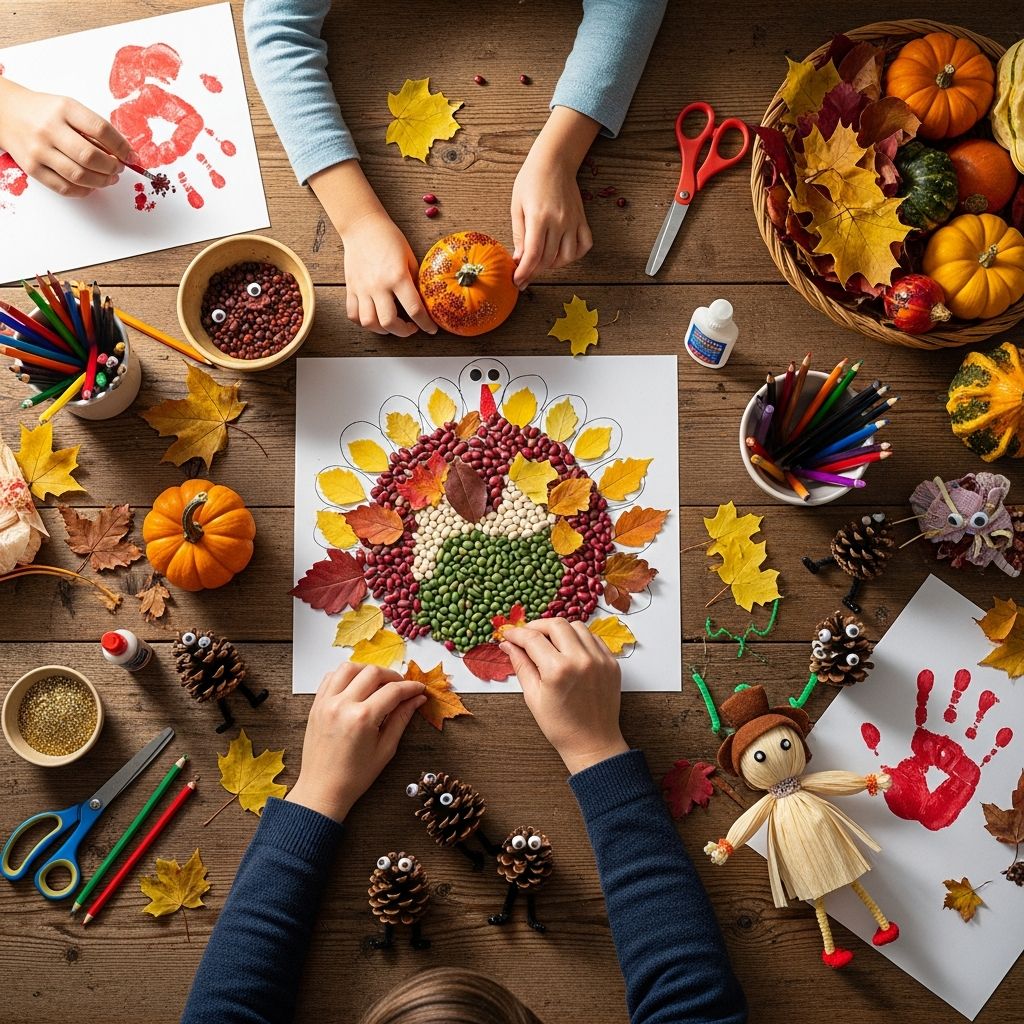
Successful artistic activities require minimal material investment. Basic supplies include coloring implements (crayons, markers, colored pencils), paper or printable projects, and optionally, embellishment materials like glitter, stickers, or collage elements. Many families discover that materials already present in household craft supplies suffice for multiple engaging projects.
Creating an Conducive Environment
Designate a comfortable workspace with adequate lighting and protection for surfaces from accidental spills or marks. Ensure participants have sufficient personal space to work without feeling cramped, while positioning seating to allow for conversation and shared observation of one another’s creative choices. Playing background music can enhance the relaxed atmosphere.
Managing Time Thoughtfully
Unlike competitive activities with defined endpoints, artistic projects work best without rigid time constraints. Allowing participants to engage at their own pace—whether someone completes a project in fifteen minutes or spreads the activity across multiple sittings—respects individual work styles and prevents frustration. Some family members may enjoy detailed, meticulous work, while others prefer rapid, expressive approaches; both contribute meaningfully to family engagement.
Benefits for Children’s Cognitive Development
Research consistently demonstrates that artistic engagement supports multiple domains of child development. The sustained attention required for completing detailed projects strengthens concentration abilities that transfer to academic settings. Decision-making inherent in color selection, pattern execution, and compositional choices builds executive function skills essential for problem-solving across contexts.
Stress reduction represents an often-overlooked benefit of creative engagement. The focused, meditative quality of artistic work can calm anxiety and provide healthy outlets for emotional expression, particularly valuable during busy holiday periods. For both children and adults, the mindful attention required in artistic creation offers respite from digital stimulation and screen-based activities.
Extending the Experience Beyond the Activity Itself
The value of artistic activities multiplies when families thoughtfully extend engagement beyond the initial creation. Completed projects might be displayed prominently in home spaces, creating visible reminders of family time and creative achievement. Photographing finished works allows families to maintain digital records of artistic development across multiple years, revealing growth in skill and creative confidence.
Discussing the completed projects—asking what was most enjoyable about the process, what colors felt particularly fitting, or what the artist might add given more time—deepens reflection and validates creative effort. These conversations naturally incorporate gratitude as family members express appreciation for shared time and one another’s creative contributions.
Common Questions About Family Art Projects
What age groups can participate in artistic projects together?
With appropriately differentiated materials and projects, family members from ages three through senior adults can engage meaningfully together. Key is providing options accommodating various motor skills and attention spans rather than expecting identical performance from all participants.
How can I encourage reluctant participants?
Emphasizing that artistic projects are about process rather than perfection removes pressure and increases participation. Offering choices about which projects to tackle, which colors to use, and whether to complete projects in one session or across multiple days honors individual preferences and builds investment.
What supplies are absolutely necessary?
Only basic materials are required: printable projects, coloring implements (crayons, markers, or colored pencils), and paper. Additional supplies like stickers, glitter, or scissors are entirely optional and depend on family preference and available resources.
Can artistic projects teach actual historical content?
While artistic projects themselves provide visual engagement with historical imagery, they work most effectively when paired with brief, age-appropriate explanations or follow-up discussions. This combination allows artistic and informational learning to reinforce each other.
How do I store completed projects?
Flat storage in portfolio folders, binders with plastic sleeves, or large envelopes preserves projects effectively. Alternatively, photographing completed works creates a digital record while freeing physical space, and printed photo compilations become meaningful keepsakes.
Creating Lasting Family Traditions
Families that incorporate artistic activities into seasonal celebrations often discover that these endeavors become anticipated traditions. Children look forward to familiar projects returning each year, while gradual development of artistic skills becomes visible across multiple years’ creations. The combination of predictability (familiar activities) and novelty (variations, new designs, advancing skill levels) creates engaging traditions that remain meaningful across developmental stages.
These creative practices communicate to family members that shared time and mutual engagement matter deeply. In an era of dispersed families and competing demands, deliberately carving out time for collaborative artistic endeavor affirms family relationships and creates tangible records of togetherness. The projects themselves become secondary to the interpersonal connection and mindful presence they facilitate.
Conclusion: Transforming Celebrations Through Creative Engagement
Incorporating artistic activities into family celebrations offers benefits extending far beyond entertainment value. These projects provide vehicles for learning, development, emotional expression, and meaningful connection. By thoughtfully selecting and adapting creative endeavors to match family composition and individual preferences, families create experiences that generate lasting memories while supporting children’s growth across multiple developmental domains. The simple act of creating together, with its combination of focus and conversation, structure and flexibility, transforms seasonal gatherings into rich opportunities for family bonding and personal enrichment.
References
- US History Colouring Pages — Activity Village. 2024. https://www.activityvillage.co.uk/us-history-colouring-pages
- Thanksgiving History Coloring Book – Coloring Page AI — Coloring Page AI. 2025. https://coloringpage.ai/coloring-book/thanksgiving-history/
- 100+ Thanksgiving Coloring Pages (Free PDF To Print) — Woo Coloring. 2025. https://woocoloring.com/thanksgiving-coloring-pages/
- The First Thanksgiving Coloring Page Sheets — USA-Printables. 2024. http://www.usa-printables.com/Holidays/Thanksgiving-Day/first_thanksgiving/
- Thanksgiving Coloring Pages: Gratitude in Artistic Form — Workybooks. 2025. https://www.workybooks.com/coloring-pages/category/thanksgiving
- Pilgrims and Native Americans Coloring Pages — Teachers Pay Teachers. 2024. https://www.teacherspayteachers.com/browse?search=pilgrims+and+native+americans+coloring