Sudden, intense pain in a testicle can be scary, confusing, and embarrassing to talk about, but it can also be a sign of a serious emergency called testicular torsion. Understanding what this condition is and how fast you need to act can literally save a testicle and protect your future health.
What Is Testicular Torsion?
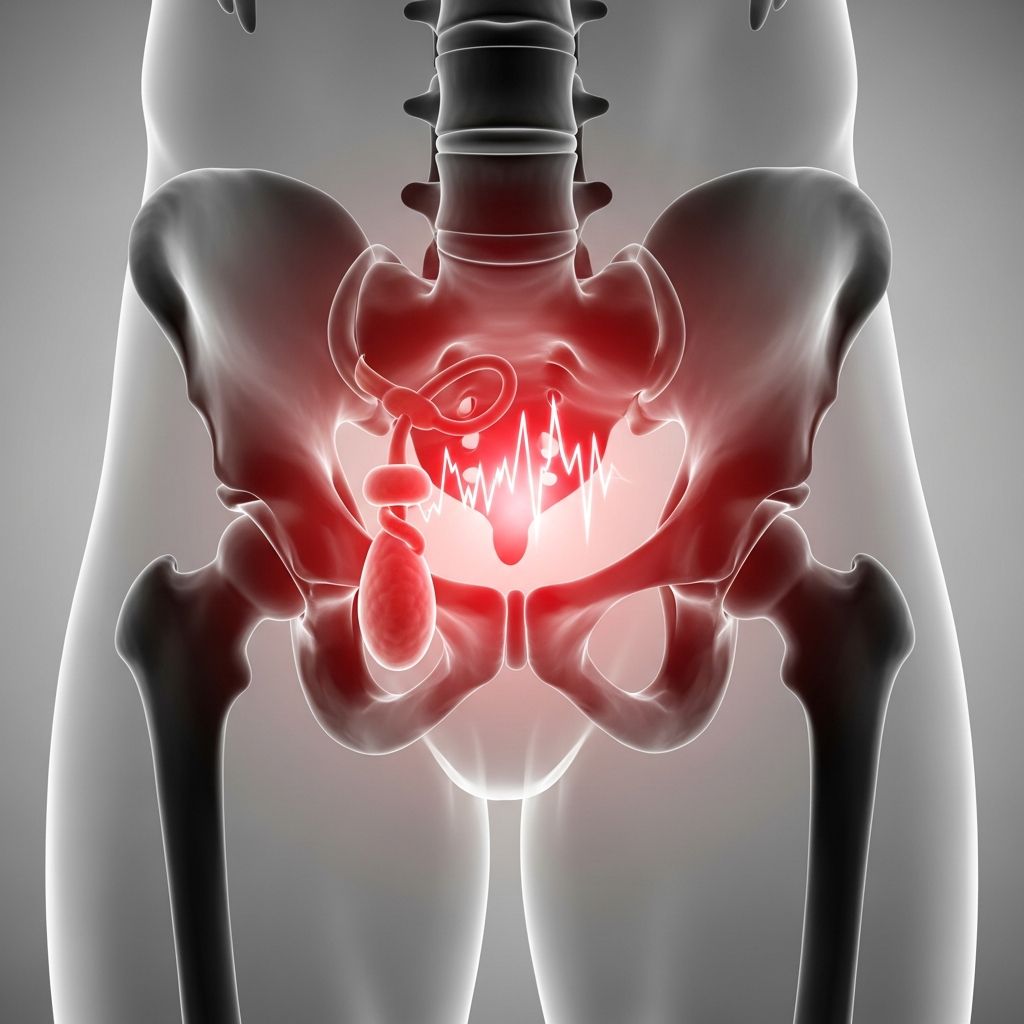
Testicular torsion happens when the spermatic cord, the bundle of blood vessels and tubes that supplies a testicle, becomes twisted. This twist cuts off or severely reduces blood flow to the testicle, which quickly damages the tissue if it is not fixed.
Because the testicle depends on a constant supply of oxygen-rich blood, torsion is considered a true medical emergency. The longer the testicle goes without blood flow, the higher the chance it will be permanently damaged and may need to be removed.
Why It Is a Medical Emergency
Blood flow problems do not take long to cause harm. In many cases, doctors talk about a “window” of only a few hours for the best chance of saving the testicle and restoring normal function. That is why waiting overnight, hoping the pain will go away, or trying to tough it out can be very risky.
Even if the pain becomes a little less intense after a while, the underlying problem can still be there. Any sudden, severe testicle pain should be treated as an emergency until a medical professional proves otherwise.
Who Can Get Testicular Torsion?
Testicular torsion can technically happen at any age, from newborns to adults, but it is especially common during the teen years. This may be related to rapid growth during puberty, changes in hormone levels, or subtle differences in the way the testicle is attached inside the scrotum.
Some people have a slightly looser or higher attachment of the testicle inside the scrotum, which can allow the testicle to move more freely and twist more easily. This is not something you can see from the outside, and most people never know they have this kind of anatomy unless torsion occurs.
Common Symptoms Teens Notice
Symptoms usually come on suddenly and are hard to ignore. Pain often appears out of nowhere, including during sleep, sports, or normal daily activities.
Typical warning signs include:
- Sudden, strong pain in one testicle or side of the scrotum.
- Swelling of the scrotum, which may feel tight, enlarged, or heavier than usual.
- Redness or a darker color of the skin on the scrotum.
- Nausea or vomiting because of the severe pain.
- One testicle looking higher than the other or sitting at an odd angle.
- Pain in the lower belly or groin that started around the testicle.
- Discomfort when walking, standing, or touching the scrotum.
Some teens also notice that the normal reflex that pulls the testicle upward when the inner thigh is touched seems different or absent. However, this is something doctors check during an exam; it is not necessary to test this yourself.
Less Obvious or Confusing Signs
Not every case looks exactly the same. Sometimes the pain may come and go, or it may start out milder and then rapidly become worse. In a few cases, there might be mostly swelling and tenderness rather than sharp stabbing pain at first.
Because testicular pain can also come from injuries, infections, or minor strains, it can be tempting to wait and see. With testicular torsion, though, leaving it alone for hours can mean the difference between saving and losing the testicle, so it is much safer to get checked quickly.
Conditions That Can Look Similar
Doctors look at a few other conditions that can cause pain or swelling in the scrotum. These may be less serious but can be hard to tell apart without an exam and sometimes tests.
Some possible look-alikes include:
- Infections such as epididymitis or orchitis that cause gradual pain, swelling, and sometimes fever or burning when urinating.
- Minor injury from sports, accidents, or getting hit in the groin, which usually has a clear cause and may improve with time.
- Fluid collections like a hydrocele or varicocele, which can cause swelling or a heavy feeling but are not usually sudden emergencies.
- Small twisting of testicular attachments that can mimic torsion but usually cause more limited pain.
Because torsion can permanently damage the testicle in a short time, emergency doctors and urologists err on the side of treating it seriously rather than risking a missed diagnosis.
How Doctors Evaluate Sudden Testicle Pain
When someone arrives in an emergency department or urgent care clinic with possible torsion, everything moves quickly. The goal is to decide as fast as possible whether the testicle is at risk and whether surgery is needed.
You can expect these steps:
- Questions about symptoms – when the pain started, what it feels like, if there was any injury, whether there is nausea, vomiting, or fever, and whether this has happened before.
- Physical exam – a doctor will gently examine the scrotum, testicles, groin, and lower abdomen to check for swelling, tenderness, and changes in position.
- Imaging tests – an ultrasound with Doppler may be ordered to see how much blood is flowing to the testicles. If blood flow is very low or absent, torsion is strongly suspected.
In some situations, if symptoms and the exam are strongly suggestive of torsion, surgery may be started right away, even before any imaging, to avoid losing time.
What Treatment Usually Involves
The main treatment for testicular torsion is surgery. The goal is to untwist the spermatic cord and secure the testicle to the inside of the scrotum so it stays in the correct position and does not twist again.
Doctors sometimes attempt to gently untwist the testicle by hand in emergencies where surgery is briefly delayed, but this is not a final solution. Surgery is still needed to permanently fix the problem and protect both testicles.
Typical Surgical Steps
Although every situation is slightly different, surgery for torsion generally includes:
- Giving anesthesia so you sleep through the procedure and do not feel anything.
- Making a small cut in the scrotum to reach the twisted testicle.
- Untwisting the spermatic cord to restore blood flow.
- Checking whether the testicle looks healthy enough to keep.
- Stitching the testicle to the inner wall of the scrotum to hold it in place.
- Usually securing the other testicle as well, since the same structural issue can exist on both sides.
If the testicle has been without blood flow for too long and is too damaged to recover, the surgeon may need to remove it. This can be upsetting to hear, but it is sometimes necessary to protect overall health and avoid complications.
Time and Testicle Survival: What the Data Show
Doctors often talk about how timing affects the chance of saving the testicle. While every case is unique, research has shown general patterns linking hours of pain with the likelihood that the testicle can be saved.
| Time from onset of pain | General chance of testicle survival |
|---|---|
| First 6 hours | Very high chance if treated promptly |
| 6 to 12 hours | Decreasing chance; urgent surgery still critical |
| 12 to 24 hours | Much lower survival rate; damage often significant |
| More than 24 hours | Testicle often not salvageable |
These time frames are rough estimates, not exact promises. Some testicles may survive longer, while others may be damaged sooner, depending on how tightly the cord is twisted and other health factors. The key message is that every minute counts.
Life with One Testicle
If a testicle must be removed, it is completely normal to worry about appearance, fertility, and hormones. Many people live healthy, active lives with only one testicle, and often the remaining one can produce enough testosterone and sperm to maintain normal puberty, sex drive, and the ability to have biological children later on.
For those who feel self-conscious about how the scrotum looks, a testicular prosthesis (a smooth artificial testicle) can sometimes be placed during surgery or at a later time. This is a personal choice and something to discuss with the surgeon or urologist.
Going Home and Healing After Surgery
Recovery after torsion surgery usually involves some rest and basic wound care. Most teens go home the same day or the next day, depending on how they feel and the hospital’s routine.
Common aftercare steps can include:
- Keeping the incision area clean and dry as instructed.
- Wearing supportive underwear or an athletic supporter to reduce movement and discomfort.
- Avoiding intense physical activity, heavy lifting, and sports until a doctor says it is safe.
- Taking prescribed pain medication or over-the-counter pain relievers as recommended.
Follow-up visits allow the doctor to check the incision, confirm that healing is going well, and answer questions about returning to school, sports, and other activities.
Long-Term Health, Fertility, and Hormones
When torsion is treated quickly and the testicle is saved, long-term problems are less likely. Some people may still experience slightly reduced function on the affected side, but the other testicle often compensates effectively.
If one testicle is removed, the remaining testicle commonly produces enough testosterone for normal growth, body hair, muscle development, and sexual function. Many people with a single testicle are able to have children later in life, although it is important to attend follow-up appointments and discuss any concerns with a healthcare provider.
Emotional Reactions and Body Image
Sudden surgery involving the genitals can be emotionally intense. It is normal to feel scared, angry, embarrassed, or even guilty about not speaking up sooner. Some teens avoid thinking or talking about what happened, while others want to ask many questions.
Talking with a trusted adult, counselor, or mental health professional can make it easier to process the experience. Remember that testicular torsion is not your fault; it is a medical emergency that happens because of anatomy and chance, not anything you did wrong.
How to Speak Up When You Notice Symptoms
The hardest part for many teens is telling someone that something is wrong “down there.” However, waiting because of embarrassment puts your health at risk. Adults and medical staff are used to these topics and are focused on helping, not judging.
Some ways to start the conversation include:
- “My testicle suddenly started hurting a lot and it is not getting better.”
- “I have a lot of pain and swelling in my scrotum.”
- “I know this is awkward, but I think something is really wrong with one of my testicles.”
Say this to a parent, guardian, school nurse, coach, or any adult who can help you get to medical care quickly. If you are alone, consider calling emergency services directly.
Practical Do’s and Don’ts for Teens
- Do treat sudden, severe testicle pain as an emergency.
- Do tell an adult right away, even if you feel embarrassed.
- Do go to an emergency department or urgent care as soon as possible.
- Don’t assume it is just a sports injury or wait hours hoping it improves.
- Don’t try to forcefully twist or push the testicle yourself.
- Don’t hide important details from doctors; honest answers help them help you faster.
Frequently Asked Questions (FAQs)
Can testicular torsion fix itself?
In some rare cases, the testicle may briefly twist and untwist on its own, causing pain that comes and goes. Even if the pain improves, there can still be a high risk of the testicle twisting again, possibly more tightly next time. Anyone who has had sudden testicle pain, especially if it was severe, should be evaluated by a doctor.
Is testicular torsion always caused by an injury?
No. While it can sometimes happen after physical activity or a minor hit, many people experience torsion during sleep or calm daily activities with no obvious trigger. The twist is usually related to how the testicle is attached inside the scrotum, not to a specific accident.
Will I be able to have children if I lose a testicle?
Many people who lose one testicle still go on to have biological children. The remaining testicle can often produce enough sperm and testosterone to support fertility and normal sexual development. If there are concerns in the future, a doctor can arrange tests to check sperm count and hormone levels.
Does torsion increase my risk of testicular cancer?
Testicular torsion and testicular cancer are separate issues. Having torsion does not automatically mean you will get testicular cancer. However, it is always a good idea to be familiar with how your testicles normally look and feel and to mention any new lumps, changes, or long-lasting discomfort to a doctor.
What if I am too embarrassed to tell someone?
Feeling embarrassed is completely understandable, but your health and future are much more important than a few awkward minutes of conversation. Every day, health professionals help people with private medical issues. To them, this is normal work, and their priority is to protect your health, safety, and comfort.
Key Takeaways for Teens
- Testicular torsion is a sudden twisting of the spermatic cord that cuts off blood flow to a testicle and is a medical emergency.
- Symptoms usually include sudden severe pain, swelling, and changes in testicle position, often on just one side.
- The sooner you get medical help, the better the chance of saving the testicle and avoiding long-term problems.
- Surgery is the standard treatment and often includes protecting both testicles from twisting again.
- Speaking up quickly, even when it feels awkward, is the most important step you can take to protect your body and your future.