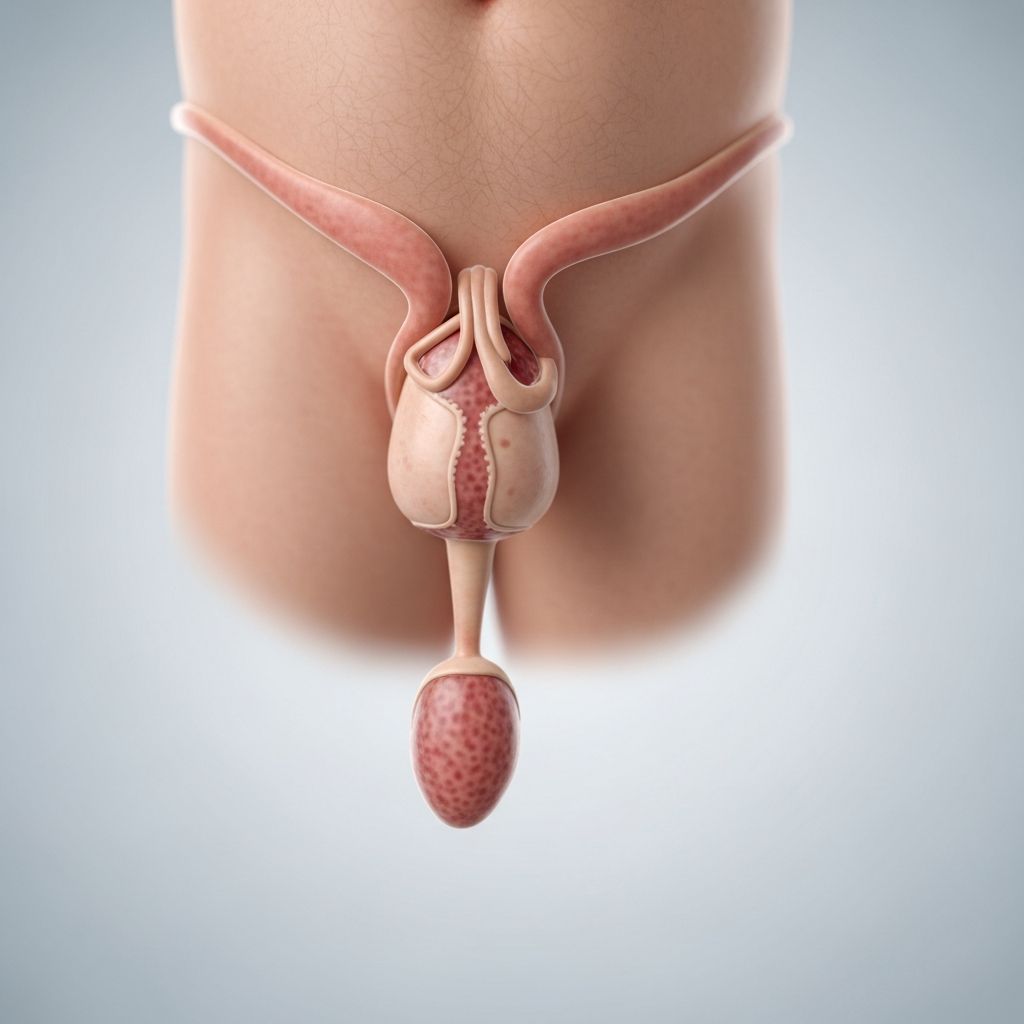
The Biological Foundation of Testicular Position and Function
To understand why testicular sagging occurs, we must first recognize the remarkable engineering behind male reproductive anatomy. The testicles do not simply hang from the body out of random biological chance. Rather, their position serves a critical physiological purpose rooted in optimal reproductive function.
The human body maintains a core temperature of approximately 98.6°F, yet sperm production thrives at a slightly cooler temperature, around 97°F. This seemingly minor difference is crucial. The testicles have evolved to maintain distance from the torso, allowing them to remain in an environment several degrees cooler than the rest of the body. This temperature differential is not merely beneficial—it is essential for producing viable sperm and maintaining reproductive health.
The scrotum possesses a remarkable ability to respond to environmental temperature fluctuations. When external temperatures rise, such as after physical activity or exposure to heat, the scrotal skin relaxes and allows the testicles to descend further from the body. Conversely, when exposed to cold conditions, the scrotal skin contracts, pulling the testicles closer to the torso to conserve warmth. This dynamic adjustment mechanism demonstrates the sophistication of the male reproductive system and explains why testicular position is never truly fixed.
The Natural Process of Scrotal Changes with Aging
While the ability of the scrotum to adjust its position is present throughout a man’s life, noticeable changes typically emerge as aging progresses. The sagging or dropping of the testicles that many men observe during middle age and beyond represents a natural consequence of how human tissue responds to the passage of time.
The primary culprit behind increased scrotal sagging is the gradual loss of skin elasticity. Collagen, the structural protein responsible for skin firmness and resilience, naturally decreases with age. This process begins in the third decade of life and accelerates over time. The scrotal skin, like all skin on the body, becomes increasingly lax as collagen production declines. Additionally, the muscular structures supporting the scrotum may experience minor atrophy, further contributing to the descent of the testicles.
It is essential to understand that this process occurs to virtually all men as they age. The degree of sagging varies considerably among individuals based on genetics, overall health, and lifestyle factors, but some degree of change is virtually universal. This is not a sign of dysfunction or disease, nor does it indicate any problem with reproductive capacity or sexual function.
Debunking Widespread Myths About Testicular Sagging
The internet abounds with claims about preventing or reversing testicular sagging, yet most of these recommendations lack scientific foundation. Understanding which interventions are genuinely supported by evidence and which are merely folklore is crucial for making informed decisions about male health.
Exercise-Based Solutions
Numerous online sources promote specific exercises purportedly designed to tighten the scrotum or prevent sagging. These recommendations typically involve manipulating the scrotum during urination or performing specialized pelvic floor exercises. Despite their prevalence, no scientific evidence supports the effectiveness of these techniques. The structural changes occurring in the skin and supporting tissues cannot be reversed through muscular contraction or manipulation. While pelvic floor exercises may offer other health benefits, scrotal tightening is not among them.
Sexual Activity and Masturbation
A persistent myth suggests that reduced sexual activity or masturbation can prevent testicular sagging. This claim fundamentally misunderstands the biological mechanisms at work. Sexual activity has no impact on skin elasticity, collagen production, or the fundamental aging process affecting the scrotum. In fact, sexual arousal can temporarily make testicles appear less saggy due to temporary contraction of the cremaster muscle, which pulls the testicles upward. This temporary effect should not be confused with any long-term benefit from sexual activity frequency.
Topical Products and Supplements
The market offers numerous creams, lotions, oils, and supplements marketed specifically for testicular health and appearance. While general moisturizers may provide temporary cosmetic benefits by hydrating the skin, no topical product can reverse the fundamental loss of skin elasticity. Similarly, while vitamins and supplements supporting overall skin health may marginally slow the aging process, no supplement can stop or reverse testicular sagging. Any product making such claims should be viewed with skepticism.
Tight Underwear Solutions
The belief that wearing particularly tight or supportive underwear can prevent or slow sagging represents a fundamental misunderstanding of how clothing affects tissue structure. While tight underwear may make the testicles appear less saggy while being worn by compressing and supporting them, this effect is purely cosmetic and temporary. Once the underwear is removed, the testicles return to their natural position. No evidence suggests that wearing tight underwear influences long-term scrotal appearance or prevents age-related changes.
Evidence-Based Approaches to Slowing Age-Related Changes
While preventing testicular sagging entirely is impossible, certain lifestyle modifications can slow the overall aging process of the body, including the tissues of the scrotum. These approaches focus on maintaining skin health and supporting collagen production through proven health practices.
Nutrition and Hydration
A diet rich in vitamins and nutrients that support skin health can contribute to maintaining skin elasticity over time. Vitamins A, B complex, C, and E all play roles in collagen synthesis and skin maintenance. Omega-3 fatty acids support cellular function and reduce inflammation. While these nutritional approaches cannot reverse aging, they may modestly slow age-related changes. Adequate hydration, typically around 64 ounces of water daily depending on activity level and climate, helps maintain skin hydration and elasticity.
Lifestyle Factors
Several lifestyle choices directly impact the rate at which skin ages. Smoking accelerates skin aging through multiple mechanisms, including reduced blood flow and increased oxidative stress. Limiting alcohol consumption protects against dehydration and systemic inflammation. Maintaining a healthy body weight reduces stress on connective tissues and supports overall cardiovascular health. Regular physical activity enhances blood circulation, delivering oxygen and nutrients to tissues throughout the body.
Sun Protection
Ultraviolet radiation damages collagen and elastin in skin, accelerating visible aging. While the scrotum is typically covered by clothing, protecting exposed skin from sun damage through protective clothing or sunscreen helps maintain overall collagen integrity and slows systemic aging.
When Testicular Sagging Indicates a Medical Concern
Although testicular sagging is usually a normal aspect of aging, certain accompanying symptoms warrant medical evaluation. These warning signs suggest that something beyond normal age-related changes may be occurring.
Swelling in the scrotum that persists or worsens warrants prompt evaluation. Similarly, the presence of a mass, growth, or visible bulge in the scrotal area requires medical assessment. Pain or discomfort in the testicles or scrotum should not be dismissed as normal aging. Infections, cysts, hernias, and varicoceles—enlargement of veins within the scrotum—can all produce changes in scrotal appearance accompanied by other symptoms.
A varicocele, in particular, can sometimes present as apparent sagging due to the enlarged veins creating additional mass in the scrotum. If a varicocele is present, it may warrant treatment, particularly if it causes pain or affects fertility. Other conditions such as testicular infections respond well to appropriate antibiotic treatment when identified early.
Medical Intervention: Scrotoplasty and Aesthetic Procedures
For men whose testicular sagging significantly impacts their quality of life or psychological well-being, medical options exist. Scrotoplasty represents the only proven surgical treatment for reducing the appearance of an overly saggy scrotum. This procedure, typically lasting up to one hour, involves surgical removal of excess scrotal skin followed by careful closure to create a tighter appearance.
The decision to pursue scrotoplasty should not be made lightly. Urologists trained in aesthetic procedures typically reserve this intervention for cases where the sagging substantially impacts daily life, psychological comfort, or self-esteem. The procedure carries standard surgical risks, including infection, bleeding, and anesthesia complications. Recovery typically requires several weeks of restricted activity. Insurance rarely covers this procedure, as it is considered cosmetic rather than medically necessary.
Comparative Overview of Common Interventions
The following table summarizes the various approaches people consider for managing testicular sagging:
| Intervention | Scientific Evidence | Cost | Effectiveness |
|---|---|---|---|
| Exercise (Kegels, scrotal manipulation) | No scientific support | Free | None |
| Topical creams and lotions | No specific evidence for sagging | $10-$50+ | Temporary cosmetic only |
| Supplements and vitamins | Limited support for general skin health | $20-$100+ monthly | Minimal, slow aging only |
| Tight supportive underwear | No long-term benefit | $20-$60 | Temporary cosmetic only |
| Lifestyle modifications (diet, exercise, sleep) | Strong support for overall aging | Free to minimal | Modest slowing of aging |
| Scrotoplasty surgery | Proven surgical reduction | $3,000-$8,000+ | Permanent reduction in sagging |
Psychological and Social Considerations
Body image concerns surrounding testicular appearance are legitimate, even if the changes are entirely normal and universal. Many men feel self-conscious about age-related changes to their body, and these feelings should not be dismissed. However, understanding that testicular sagging is a nearly universal experience can provide perspective. Almost all men will experience some degree of scrotal sagging as they age, making it as normal a part of male aging as graying hair or facial wrinkles.
For men troubled by these changes, speaking with a healthcare provider or mental health professional can be beneficial. A urologist can address any medical concerns and discuss realistic expectations for various intervention options. A therapist or counselor can help address underlying body image concerns through evidence-based approaches.
Frequently Asked Questions
Does testicular sagging affect fertility or sexual function?
No. Testicular sagging is purely a change in appearance. It does not impact sperm production, ejaculation, orgasm, or any aspect of sexual or reproductive function. The temperature-regulating function of the scrotum continues normally regardless of sagging.
At what age do testicles typically begin to sag?A: Changes in scrotal appearance typically become noticeable during middle age, often in the 40s or 50s, though the timeline varies significantly among individuals based on genetics, sun exposure, smoking history, and overall health.
Q: Can weight gain or loss affect testicular sagging?
Maintaining a healthy weight supports overall skin health and slows aging processes. Significant weight fluctuations may impact the appearance of the scrotum, but this is typically minor compared to age-related collagen loss.
Is there any non-surgical way to reverse testicular sagging?
No. Once significant sagging has occurred due to collagen loss and tissue changes, non-surgical interventions cannot reverse the process. Lifestyle modifications can only slow future aging.
Should I be concerned if one testicle appears to hang lower than the other?
Asymmetry in testicular position is completely normal and common. However, if accompanied by pain, swelling, or a visible mass, medical evaluation is warranted.
References
- How To Prevent Saggy Balls, According To A Urologist — Fatherly. 2024. https://www.fatherly.com/health/saggy-balls-prevention-treatment
- How to Prevent and Treat Sagging Balls — Men’s Health. 2024. https://www.menshealth.com/health/a28379523/saggy-balls/
- Why Do I Have Saggy Testicles, and Is There Anything I Can Do? — Healthline. 2024. https://www.healthline.com/health/saggy-balls
- Testicular Atrophy: Causes, Diagnosis and Treatment — Dr. Emin Ozbek. 2024. https://dreminozbek.com/en/testicular-atrophy-causes-diagnosis-and-treatment/
- Retractile Testicle: Causes, Diagnosis & Treatment — Cleveland Clinic. 2024. https://my.clevelandclinic.org/health/diseases/16601-retractile-testicle