The Developing Teenage Brain and Alcohol Exposure
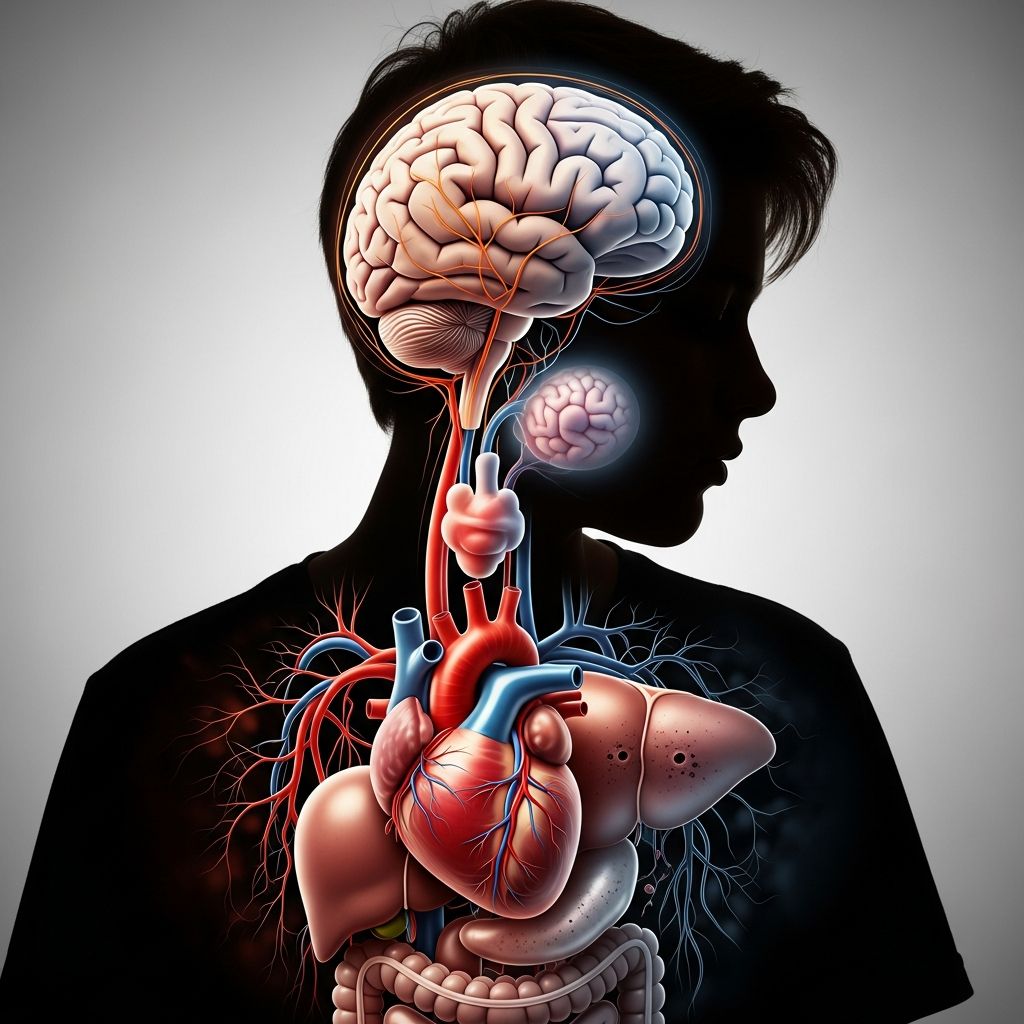
Adolescence represents a critical window of neurological transformation. The teenage brain undergoes profound organizational changes that extend well into the mid-20s, establishing the foundation for adult cognitive, emotional, and social capabilities. During this vulnerable period, the brain exhibits heightened neuroplasticity—the ability to form new neural connections and adapt to experiences. While this adaptability supports learning and personal growth, it simultaneously creates a window of heightened susceptibility to harmful substances like alcohol.
When alcohol enters the developing adolescent brain, it disrupts these delicate neural processes at a particularly sensitive time. The prefrontal cortex, which governs decision-making, impulse control, and risk assessment, continues maturing throughout the teenage years and into early adulthood. Alcohol consumption during this period can interfere with normal developmental trajectories, potentially causing lasting alterations in brain structure and function that may persist into adulthood.
Immediate Neurological Consequences of Teenage Drinking
When adolescents consume alcohol, the substance rapidly affects brain regions responsible for critical functions. The amygdala, which processes fear and danger detection, becomes compromised, reducing a teen’s ability to recognize risky situations. This neurological impairment combines with the adolescent tendency toward risk-taking behavior, creating a particularly hazardous combination.
Memory impairment represents another immediate concern. Research indicates that one in five older adolescents who have consumed alcohol report experiencing alcohol-induced blackouts within a six-month period. Even modest alcohol consumption can trigger subtle memory problems while drinking occurs, with greater consumption leading to more pronounced memory disruption. This phenomenon reflects alcohol’s interference with the hippocampus, the brain region essential for encoding new information and forming memories.
Alcohol also compromises the prefrontal cortex’s executive functions, making it significantly more difficult for teenagers to exercise impulse control and make sound judgments. This impairment is particularly concerning because adolescents are naturally inclined toward exploration and risk-taking as part of normal development. When alcohol further diminishes their capacity for cautious decision-making, teens become vulnerable to dangerous behaviors including reckless driving, unsafe sexual encounters, and confrontations.
Structural Brain Changes from Adolescent Alcohol Use
Beyond temporary functional impairments, sustained or heavy alcohol consumption during the teenage years can produce measurable structural alterations in the brain. Neuroscientific research has documented reductions in the volume of several brain regions critical for optimal functioning:
- The frontal lobe, which orchestrates planning, decision-making, and behavioral regulation
- The hippocampus, fundamental to learning consolidation and memory formation
- The amygdala, essential for emotional processing and threat detection
- The corpus callosum, which facilitates communication between the brain’s two hemispheres
Additionally, heavy drinking patterns alter the normal developmental trajectories of neural connections between and within brain regions. These changes weaken the pathways that regulate emotional responses and cognitive processing, potentially leading to difficulties in emotional management and thinking processes that extend well beyond the teenage years. The earlier an individual initiates alcohol consumption, the greater the likelihood of experiencing measurable impacts on cognitive functions, memory retention, and academic performance that may persist into adulthood.
Academic and Cognitive Performance Decline
The intersection of alcohol use and academic achievement represents a significant concern for teenage development. Students who consume alcohol regularly demonstrate compromised abilities to concentrate on studying, retain academic material, and maintain satisfactory grades. The neurological effects of alcohol directly undermine the cognitive processes necessary for effective learning.
Beyond the immediate effects during drinking episodes, the structural changes alcohol causes in the developing brain can create long-term impediments to learning capacity. Teenagers who engage in regular drinking may experience persistent difficulties with concentration, memory retrieval, and information processing—challenges that compound over time and can have lasting consequences for educational attainment and future opportunities.
Furthermore, alcohol consumption frequently leads to increased school absences and behavioral disruptions. The combination of hangovers, reduced motivation, and potential legal consequences creates barriers to consistent school attendance and engagement. These academic setbacks during the crucial teenage years can establish patterns that disadvantage students throughout their educational trajectories and beyond.
Physical Health Consequences and Development
Alcohol’s impact on teenage health extends far beyond the brain. The substance poses immediate risks including acute alcohol poisoning, characterized by dangerously low blood sugar levels, seizures, breathing difficulties, and in severe cases, death. Additionally, alcohol consumption increases the likelihood of accidental injuries, as impaired coordination and judgment combine to create hazardous situations.
The evidence reveals concerning metabolic consequences from regular teenage drinking. Longitudinal research demonstrates that young people who regularly consumed five or more drinks in a single sitting beginning at age thirteen showed significantly higher rates of being overweight and developing high blood pressure by their mid-twenties compared to peers who abstained from alcohol. These findings suggest that alcohol consumption during the teenage years may establish unhealthy metabolic patterns with long-term health implications.
Physical appearance often suffers from alcohol consumption, with teenagers experiencing bad breath, skin problems, and weight gain—concerns that feel particularly important during adolescence when appearance and self-image carry significant psychological weight. These visible changes can contribute to reduced self-esteem and social difficulties during already challenging developmental years.
Behavioral Risks and Social Consequences
Alcohol’s disinhibiting effects make teenagers more susceptible to risky behavioral choices. Young people under the influence demonstrate increased likelihood of engaging in physical fights, reckless driving, and unsafe sexual encounters. These behaviors carry immediate dangers including physical injury, legal consequences, and long-term health complications such as sexually transmitted infections and unplanned pregnancies.
The social ramifications of teenage drinking extend into multiple life domains. Students who drink experience more frequent school absences, lower academic grades, and greater involvement in behavioral problems at school. Beyond academics, drinking and driving represents a particularly acute danger—research indicates that approximately half of all drowning deaths among teenage males are alcohol-related, illustrating the severity of impaired judgment in potentially fatal situations.
Alcohol consumption also affects peer relationships and social development. Changes in friend groups, withdrawal from previously enjoyed activities, rebellious behavior, and alterations in mood including anger and irritability often accompany teenage drinking. These social and emotional changes can disrupt the healthy relationship-building and identity development crucial to adolescence.
Mental Health Vulnerabilities and Long-Term Psychiatric Risk
Research increasingly documents connections between adolescent alcohol use and mental health disorders. Young people who drink alcohol demonstrate elevated risks of developing anxiety, depression, and suicidal ideation during their teenage years and continuing into adulthood. For adolescents already experiencing mental health challenges, alcohol consumption typically exacerbates symptoms and can interfere with the efficacy of prescribed psychiatric medications.
The relationship between childhood trauma and later alcohol misuse adds another layer of complexity. Youth who have experienced trauma show disrupted development in brain regions associated with emotional regulation and impulse control, patterns that increase vulnerability to binge drinking during adolescence. This intersection underscores the importance of trauma-informed approaches to adolescent health and substance use prevention.
The trajectory from teenage drinking to adult alcohol use disorder represents a significant public health concern. Early alcohol initiation substantially increases the likelihood of developing problematic drinking patterns later in life. Conversely, research demonstrates that teens who delay their first alcoholic drink show markedly reduced probabilities of regular drinking and decreased vulnerability to alcohol-related problems in adulthood.
Why Some Teenagers Choose to Drink
Understanding adolescent motivation for alcohol consumption requires examining the complex social, emotional, and developmental factors at play. Many teenagers experiment with alcohol due to peer pressure, curiosity, or desires to fit in with social groups. Others may use alcohol to cope with stress, anxiety, or depression, seeking temporary emotional relief. Some teenagers are influenced by family history of alcohol use or perceive drinking as a normal social activity.
The teenage brain’s developmental characteristics—including increased sensation-seeking, heightened reward sensitivity, and still-developing judgment capabilities—create a neurobiological predisposition toward risk-taking behaviors. Combined with social pressures and the adolescent desire for independence and autonomy, these factors create a potent mixture increasing vulnerability to alcohol experimentation.
Recognizing Signs of Teenage Alcohol Use
Parents, educators, and healthcare providers benefit from awareness of behavioral and physical indicators suggesting possible alcohol consumption. Observable signs include:
- Noticeable mood changes including irritability, anger, or unusual emotional instability
- Academic or behavioral problems emerging at school
- Shifts in friendship groups or social isolation from previously valued relationships
- Diminished energy levels or motivation for previously enjoyed activities
- Physical indicators such as alcohol odor on breath or among belongings
- Cognitive changes including difficulty concentrating or remembering information
- Increased rebelliousness or resistance to authority
Early recognition of these warning signs enables intervention before alcohol use becomes established or causes significant harm to developing brains and bodies.
Supporting Healthy Adolescent Decision-Making
Delaying alcohol consumption represents the most effective harm-reduction strategy for teenagers. Each year that alcohol initiation is postponed decreases the likelihood of regular drinking patterns and future alcohol-related problems. Supporting teens in making alcohol-free choices involves multiple approaches:
Education about alcohol’s specific effects on the developing brain provides concrete information that can influence decision-making. Understanding that the brain continues developing into the mid-twenties, and that alcohol during this period can cause lasting damage to learning, memory, and emotional regulation, helps teenagers appreciate the tangible personal consequences of their choices.
Building strong relationships and open communication channels between teens and trusted adults creates environments where adolescents feel comfortable discussing pressures, fears, and questions related to alcohol and peer dynamics. Supportive relationships buffer against risky behaviors and provide guidance during challenging social situations.
Developing healthy coping mechanisms for stress and emotions provides alternatives to alcohol use for emotional regulation. Encouraging physical activity, creative expression, mindfulness practices, and social connection through non-drinking activities supports mental health while reducing vulnerability to substance use.
Frequently Asked Questions
Q: Why is alcohol particularly harmful to teenage brains compared to adult brains?
A: The teenage brain is actively reorganizing and developing, particularly in regions governing decision-making and impulse control. This ongoing development creates heightened vulnerability to alcohol’s disruption of normal brain maturation. Alcohol exposure during this critical window can alter structural development and create lasting functional impairments.
Q: Can moderate teenage drinking cause permanent brain damage?
A: Even modest alcohol consumption during adolescence can trigger subtle memory problems and cognitive impairment. Heavy or regular drinking carries greater risk of causing measurable structural changes and lasting impacts on learning and cognitive function.
Q: What is the safest level of alcohol consumption for teenagers?
A: Medical guidelines recommend that individuals under eighteen abstain from alcohol entirely to minimize risks to health and development. This represents the safest approach during the vulnerable adolescent years.
Q: If a teen has already begun drinking, can they reverse brain damage?
A: The developing brain possesses significant capacity for recovery when substance use ceases. However, early cessation is important to prevent additional damage and allow normal developmental processes to resume.
Q: How can parents help teenagers resist peer pressure to drink?
A: Open communication, education about specific health risks, strong supportive relationships, and helping teens develop social skills and confidence in peer situations all contribute to resistance against pressure to consume alcohol.
References
- Alcohol and the Adolescent Brain — National Institute on Alcohol Abuse and Alcoholism (NIAAA). 2021. https://www.niaaa.nih.gov/publications/alcohol-and-adolescent-brain
- About Underage Drinking | Alcohol Use — Centers for Disease Control and Prevention (CDC). 2024. https://www.cdc.gov/alcohol/underage-drinking/index.html
- Teenage drinking — Drinkaware. 2024. https://www.drinkaware.co.uk/advice-and-support/underage-drinking/teenage-drinking
- Get the Facts About Underage Drinking — National Institute on Alcohol Abuse and Alcoholism (NIAAA). 2024. https://www.niaaa.nih.gov/publications/brochures-and-fact-sheets/underage-drinking
- Alcohol (for Teens) — Nemours KidsHealth. 2024. https://kidshealth.org/en/teens/alcohol.html
- Impact of Alcohol On The Young & Teenage Brain — Alcohol Think Again. 2024. https://alcoholthinkagain.com.au/alcohol-and-young-people/impact-of-alcohol
- Learning About Alcohol Use in Teens — My Health Alberta. 2024. https://myhealth.alberta.ca/Health/aftercareinformation/pages/conditions.aspx?hwid=ug5806