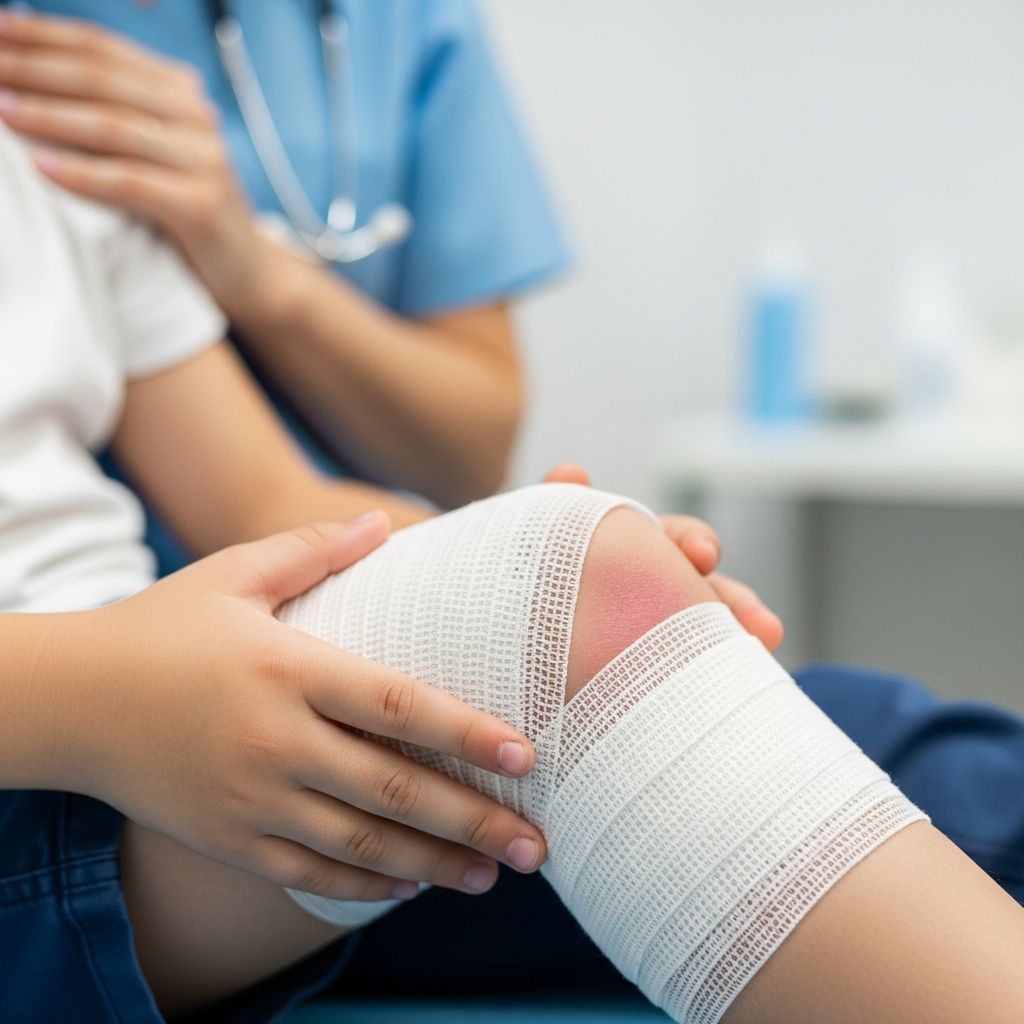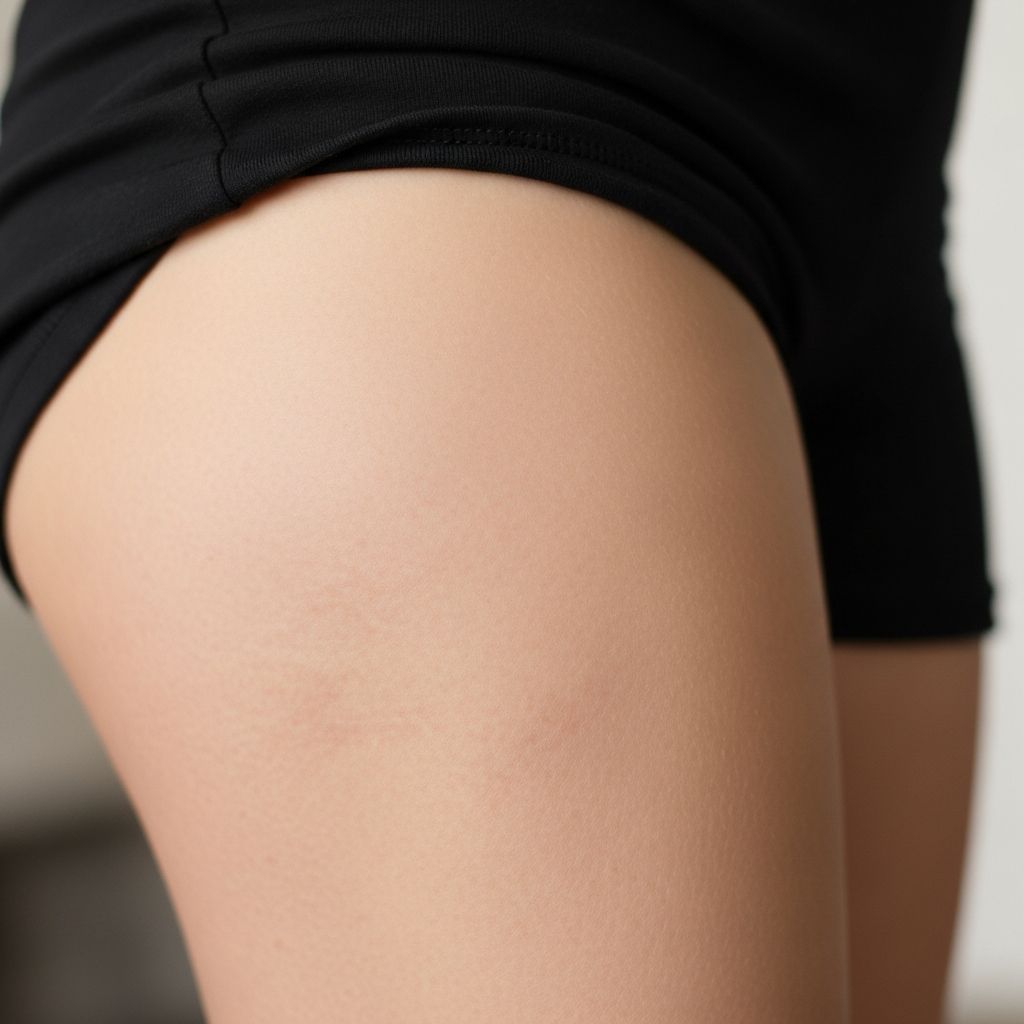
For many parents, the first glimpse of stretch marks on a teenager’s hips, thighs, or lower back can feel surprising. For teens, it can feel like proof that something is “wrong” with their bodies. In reality, stretch marks are a common sign of a body doing exactly what it is supposed to do during puberty: grow, change, and adapt.
This article is designed to help parents understand stretch marks in adolescents, respond with empathy instead of panic, and support healthy body image while offering realistic, science-based skincare guidance.
What Stretch Marks Actually Are
Stretch marks (often called by their medical name, “striae”) are small, linear scars that form when the skin stretches more quickly than its deeper layers can comfortably handle. During this rapid stretching, collagen and elastin fibers in the middle layer of the skin are disrupted, leaving behind fine marks that change over time in color and texture.
In early stages, these marks may appear reddish, pink, purple, or even brown depending on skin tone. As they mature, they typically fade to a paler shade than the surrounding skin and may feel slightly indented to the touch. Though they are technically scars, they are not dangerous, contagious, or a sign of poor hygiene.
Why Teens Get Stretch Marks
Although stretch marks can appear at any age, the teenage years are a prime time because bodies are changing so quickly. Growth spurts, shifts in muscle and fat distribution, and hormonal changes all work together to place sudden stress on the skin’s support network.
Common triggers for stretch marks in teens include:
- Rapid vertical growth in height during a short period.
- Increases in muscle mass from sports or weight training.
- Changes in body composition and fat distribution typical of puberty.
- Rapid weight gain or, more rarely, rapid weight loss.
Where Stretch Marks Tend to Show Up
Teens can develop stretch marks in several areas, often where growth or weight changes are most noticeable. These locations can vary somewhat between boys and girls because of different patterns of growth and hormonal influence.
Areas where stretch marks commonly appear include:
- Hips and outer thighs.
- Buttocks and lower back.
- Breasts or chest area.
- Upper arms and shoulders (especially in athletic teens).
- Abdomen, especially with rapid weight changes.
Normal vs. When to Ask a Doctor
Most teenage stretch marks are a normal part of development and do not require medical treatment. However, there are a few situations where a conversation with a pediatrician or dermatologist is a good idea for reassurance or further evaluation.
Parents should consider seeking a professional opinion if:
- The stretch marks appear extremely suddenly and extensively without a clear reason such as a growth spurt.
- They are accompanied by other concerning symptoms like fatigue, weakness, or major weight changes unrelated to diet and activity.
- The teen is experiencing intense distress, anxiety, or signs of depression related to body image.
How Teens Often Feel About Stretch Marks
For adults, stretch marks can seem like a cosmetic nuisance at most. For teens, they can feel like the end of the world. Adolescence is already a time of heightened self-consciousness and comparison; adding a visible, unexpected change to their skin can magnify insecurities.
Common emotional reactions teens might have include:
- Embarrassment or shame about wearing swimsuits, shorts, or fitted clothing.
- Fear of being teased or judged by peers.
- Anger at their own body for “betraying” them.
- Obsessive checking in the mirror or hiding under oversized clothes.
Your Role as the Calm Voice
Parents cannot control whether a teen develops stretch marks, but they have enormous influence over how the teen interprets them. A calm, matter-of-fact response from an adult can reduce shame and anxiety dramatically.
Key ways to be that steady presence include:
- Keeping your own tone relaxed and neutral rather than alarmed.
- Avoiding negative comments about any body — theirs, yours, or other people’s.
- Validating their feelings while gently reframing stretch marks as common and non-dangerous.
Opening Up the Conversation
Many teens will not bring up stretch marks on their own because they feel embarrassed. If you notice your child becoming more covered up or avoiding activities like swimming, it may be time to initiate a gentle conversation.
Strategies for starting the discussion include:
- Choosing a private, low-pressure setting, such as driving in the car or taking a walk.
- Using open-ended questions like “How are you feeling about the changes in your body lately?” rather than focusing only on appearance.
- Letting them lead the pace of the conversation and being prepared for short answers at first.
What to Say (and What to Skip)
The words you choose can either reinforce shame or build resilience. Aim to normalize, inform, and support rather than dismiss or overanalyze. Your teen needs to feel heard, not fixed.
Here are examples of approaches that usually help versus those that often hurt:
| More Helpful Responses | Less Helpful Responses |
|---|---|
| “Lots of people get these when they grow quickly. It’s very common.” | “Don’t be silly, nobody will notice.” |
| “If you want, we can look into some gentle skincare options together.” | “You should really start using creams before it gets worse.” |
| “Your body is changing because it’s growing and getting stronger.” | “If you just exercised more, maybe you wouldn’t have them.” |
| “It’s okay to feel upset about it. I’m here to listen.” | “There are bigger things to worry about; this is nothing.” |
Practical Skin-Care Habits That Support Healthy Skin
While no routine can guarantee that stretch marks will never appear, some habits encourage healthier, more resilient skin. The goal is not perfection but gentle support for a body in transition.
Encourage your teen to consider:
- Staying hydrated by drinking water regularly throughout the day.
- Eating a varied diet that includes fruits, vegetables, lean proteins, and healthy fats to support collagen and skin repair.
- Using a simple, fragrance-light moisturizer on areas prone to dryness or stretching.
- Protecting skin from excess sun exposure with clothing or sunscreen, which can help overall skin health.
Talking Honestly About “Miracle” Solutions
A quick online search will show countless products promising to erase stretch marks completely. Teens, already feeling vulnerable, are easy targets for this kind of marketing. Parents can help by offering a realistic, compassionate perspective on what is and is not possible.
Points to emphasize include:
- Many lotions and oils can improve how skin feels and may subtly improve appearance, but complete erasure is unlikely.
- More intensive procedures (like lasers or specialized treatments) are usually reserved for adults and require medical supervision.
- The goal of any product should be comfort and confidence, not chasing an impossible standard of “flawless” skin.
Supporting Healthy Body Image Beyond Skin
Stretch marks often become a focal point for deeper worries about weight, attractiveness, and fitting in. Building a broader foundation of body positivity and self-acceptance will help your teen weather this and many other appearance-related challenges.
Ways to strengthen body image include:
- Highlighting what their body can do — run, dance, create, think — rather than only how it looks.
- Challenging appearance-based comments in media and social networks when you watch or scroll together.
- Encouraging activities that make them feel capable and strong, such as sports, arts, or volunteering.
Social Media, Filters, and Unreal Skin
Teens today compare their bodies not only to classmates but to heavily edited images online. Stretch marks, texture, and normal variations in skin are often airbrushed away, leaving an unrealistic standard that very few real humans meet.
Consider:
- Talking openly about filters, editing apps, and pose tricks that create an illusion of “perfect” skin.
- Curating feeds together to follow more body-diverse, realistic accounts.
- Pointing out that many influencers and celebrities have stretch marks too, even if they’re not visible in their photos.
Helping Teens Dress with Confidence
Clothing choices can make a big difference in how comfortable a teen feels while they adjust emotionally to changes in their skin. The goal is not to teach them to hide, but to give them options that align with their current comfort level.
Practical clothing strategies include:
- Offering swimwear and activewear with varying levels of coverage so they can choose what feels right that day.
- Avoiding negative comments about styles that cover more skin; treat them as just another fashion choice.
- Reassuring them that it is okay to prefer more coverage in certain settings without framing it as something to “grow out of” quickly.
When Stretch Marks Connect to Bigger Feelings
Sometimes, intense upset over stretch marks is a surface symptom of deeper anxiety, depression, or disordered eating. Persistent distress about body image should be taken seriously, not brushed off as vanity.
Parents might want additional support if they notice:
- Ongoing avoidance of social situations or previously enjoyed activities.
- Significant changes in eating patterns or exercise routines driven by appearance concerns.
- Frequent negative self-talk, especially words like “disgusting” or “worthless” about their body.
Working with Professionals
If worries about stretch marks or body image are interfering with daily life, collaborating with professionals can be very helpful. A pediatrician or dermatologist can explain what is happening with the skin in medically accurate, reassuring terms.
In addition, a counselor or therapist who specializes in adolescents can help your teen:
- Develop healthier ways of thinking about their appearance.
- Build coping skills for dealing with peer pressure and social comparison.
- Strengthen self-esteem in areas unrelated to looks, such as talents and values.
Simple Daily Routine Example
To make things more concrete, here is a sample low-pressure routine a teen might follow to feel more in control of their skin care without fixating on perfection. Adapt it to your child’s preferences and any advice from their healthcare provider.
- Morning: Gentle shower if needed, light unscented moisturizer on areas that feel dry or tight, comfortable clothing that doesn’t rub or chafe.
- Afternoon: Refill water bottle, short movement break (walk, stretch, sports practice) to keep blood flowing and support overall health.
- Evening: Another layer of moisturizer on stretch-prone areas if they like it, brief check-in with a parent about how they’re feeling, screen-time break before bed to reduce harmful comparison.
Frequently Asked Questions (FAQs)
Do teenage stretch marks go away?
Stretch marks typically do not disappear completely, but they almost always fade and become much less noticeable over time. Early marks may look bright or darker than the surrounding skin, while older ones are often lighter, thinner, and less textured. Many adults have to look closely to find the marks that once seemed overwhelming in their teen years.
Are stretch marks a sign my teen is unhealthy?
In most cases, stretch marks simply signal that the skin is adjusting to growth or normal weight changes. They do not automatically mean your teen is unhealthy, lazy, or doing something wrong. However, if they occur together with other unusual symptoms or very rapid weight change, checking in with a healthcare provider is wise for peace of mind.
Can creams or oils prevent them?
Keeping skin moisturized can make it feel more comfortable and may slightly support elasticity, but no cream or oil can guarantee prevention. Genetic factors, hormones, and growth patterns all play large roles. It is best to present products as tools for comfort and care rather than miracle cures.
Should my teen stop exercising to avoid stretch marks?
No. Movement and sports are valuable for physical and mental health. While rapid increases in muscle mass might contribute in some cases, stopping exercise to avoid stretch marks would create more problems than it solves. Instead, encourage a balanced approach to activity focused on strength, joy, and overall well-being.
Is it okay if my teen wants to cover their stretch marks?
Yes. Choosing clothing or swimwear that feels comfortable is a valid form of self-expression and self-protection. Over time, with support and growing confidence, many teens become more relaxed about showing their skin, but there is no single “right” timeline for this shift.
Helping Your Teen See the Bigger Picture
Stretch marks tell a story of growth: a body expanding, strengthening, and adapting. For a teenager, that story can feel messy and unwelcome at first. With a parent’s empathy, accurate information, and calm reassurance, those same marks can eventually become just one small part of a much larger picture of who they are.
Your steady presence — not a special cream, filter, or outfit — is what ultimately teaches your teen that their worth has never depended on having unmarked, “perfect” skin.