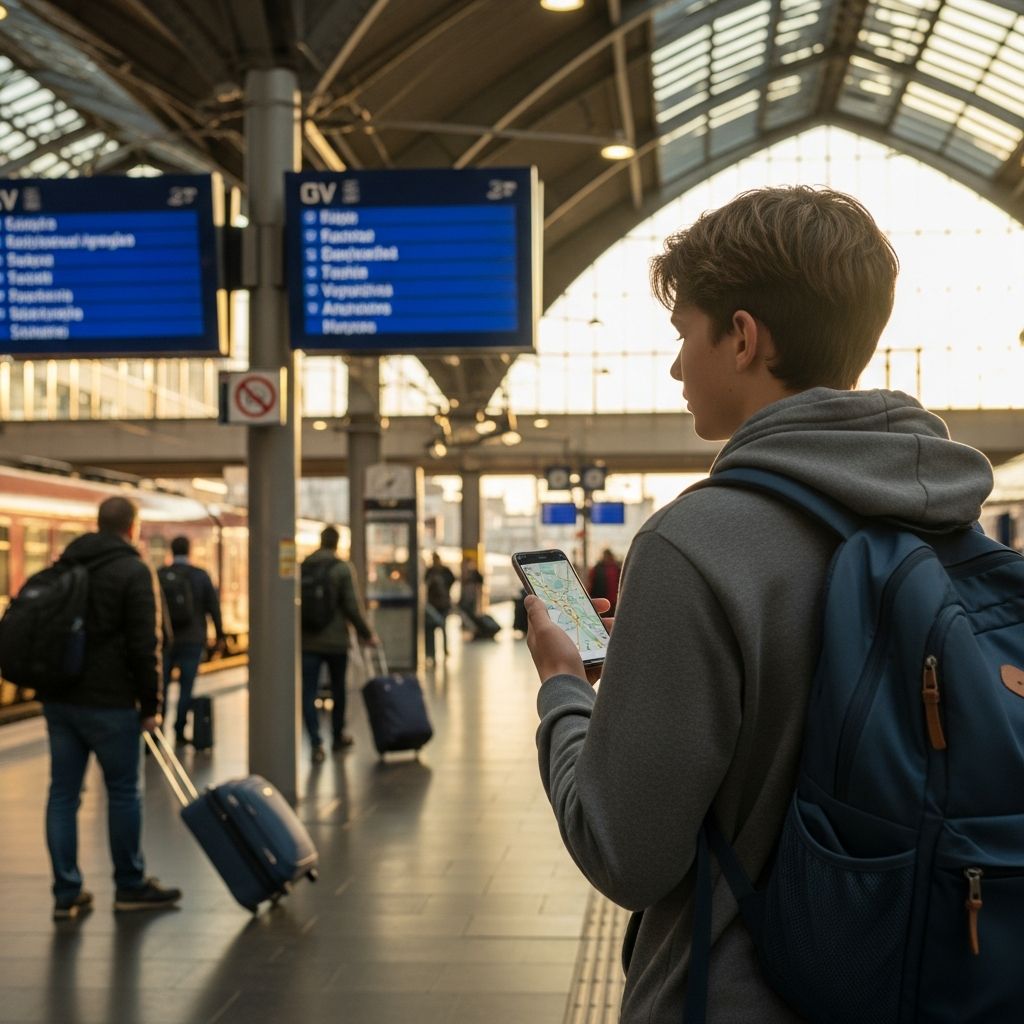
Allowing teenagers to embark on solo trips marks a pivotal step toward fostering independence, but it demands careful evaluation of their maturity, destination risks, and protective measures. Parents must weigh the developmental advantages against potential hazards, drawing from travel statistics and safety research to make informed decisions.
Understanding the Rise of Youth Independence in Travel
Modern teens are increasingly seeking autonomy in their experiences, mirroring broader trends in solo travel among younger generations. Data indicates that a significant portion of Gen Z travelers prioritize personal adventures, with 76% of them planning solo trips due to factors like safety perceptions and cost considerations. For adolescents aged 16-18, travel patterns show a shift toward self-directed mobility, as licensed teens drive nearly half their trips independently, reducing reliance on parental transport.
This evolution reflects changing societal norms, where parents are encouraged to promote self-reliance earlier. However, unlike adults, teens face unique vulnerabilities, including lower risk assessment skills and higher exposure to accidents per mile driven. Communities have responded with initiatives like Safe Routes to School to boost walking independence, yet solo vacations amplify these challenges exponentially.
Key Benefits of Solo Trips for Teenage Development
Solo travel can profoundly shape a teen’s character, offering lessons in resilience and adaptability that classroom education cannot replicate. Exposure to new cultures builds empathy and global awareness, while navigating airports and accommodations hones problem-solving abilities.
- Boosted Confidence: Successfully managing logistics instills a sense of accomplishment, crucial during adolescence.
- Enhanced Decision-Making: Real-time choices, from budgeting to itinerary changes, sharpen critical thinking.
- Social Skills Growth: Interacting with strangers fosters communication and cultural sensitivity.
- Self-Discovery: Time alone encourages reflection on personal values and future goals.
Research on youth mobility underscores that licensed teens quickly adopt adult-like travel habits, making fewer recreational trips but gaining independence that persists into adulthood. For females, who often perceive environments as riskier, overcoming these through preparation can be especially empowering.
Assessing Your Teen’s Readiness for Independent Journeys
Not every 16-year-old is equipped for solo travel; readiness hinges on emotional maturity, prior experiences, and practical skills. Parents should observe how their child handles everyday responsibilities, such as managing school deadlines or resolving peer conflicts.
| Readiness Indicator | Signs of Preparedness | Red Flags |
|---|---|---|
| Responsibility | Consistently completes chores and tracks personal finances | Frequently forgets obligations or overspends allowance |
| Problem-Solving | Navigates minor crises like missed buses calmly | Panics or depends entirely on parents for solutions |
| Communication | Maintains regular check-ins and shares plans openly | Resists updates or hides activities |
| Past Experiences | Has traveled with minimal supervision successfully | No prior overnight stays away from family |
Begin with low-stakes trials, like a weekend at a relative’s or a guided group tour, to test these traits. Statistics show solo travelers, including youth, often repeat experiences if initial ones succeed, with 38% planning return solos.
Critical Safety Strategies for Teen Solo Travelers
Safety forms the cornerstone of any teen’s independent trip, with 33% of travelers encountering crime abroad yet 65% feeling secure solo in familiar spots. Teens must prioritize situational awareness, avoiding high-risk areas and sharing itineraries via apps.
Pre-Trip Planning Essentials
- Research destinations using official advisories from government sites.
- Secure comprehensive travel insurance covering medical evacuations.
- Pack essentials: portable charger, ID copies, and emergency contacts.
On-the-Ground Precautions
For female teens, challenges like secure restroom access during long transits require innovative solutions, such as practicing device use or incontinence options for remote areas. Maintain visibility by dressing modestly in conservative cultures and using ride-sharing with safety features.
Parents’ perceptions influence mode choice; discouraging transit due to fears can limit growth, but balanced education empowers teens. Forum insights warn that 17-year-olds may attract undue attention as easy targets, urging group affiliations or trusted networks.
Choosing Age-Appropriate Destinations and Trip Types
Opt for beginner-friendly locales with robust infrastructure, like European cities with efficient public transit or U.S. domestic spots. Avoid politically unstable regions or places with high petty crime rates.
- Ideal Starter Spots: Canada, UK, or domestic beach towns with family-friendly vibes.
- Group-Enhanced Options: Tours where solos join others, reporting 300% booking surges.
- Adventure Balance: 30% of solos prefer adventures, but pair with structured activities.
Shorter trips (weekends) suit novices, as 56% of solos favor them over long-hauls. Teens’ daily trip rates mirror adults at 3.5, but without licenses, they log fewer miles—solo flights bridge this gap safely.
Technology and Communication Tools for Peace of Mind
Digital aids bridge the gap between freedom and oversight. Location-sharing apps like Find My or Life360 allow discreet monitoring without micromanaging.
- Emergency Apps: bSafe or Noonlight for instant alerts.
- Translation Tools: Google Translate offline for navigation.
- Finance Trackers: Apps to monitor spending in real-time.
Establish protocols: daily texts, check-ins at arrivals, and a ‘safe word’ for distress. These tools address safety disparities, as females report lower confidence in transit.
Legal and Logistical Considerations by Age
Age dictates rules—under 18s need parental consent for flights, and some hotels enforce 21+ policies. Verify airline unaccompanied minor services for 15-17-year-olds, often free up to certain ages.
In the U.S., teens 16+ can drive rentals in some states, but international variances apply. Graduated licensing reduces crashes, informing parental caution on vehicle use abroad.
Frequently Asked Questions (FAQs)
Is it safe for a 16-year-old to fly alone domestically?
Yes, with preparation; airlines offer support, but teach airport navigation and emergency protocols first.
What if my teen faces an emergency abroad?
Ensure embassy registration and insurance; apps connect to local help instantly.
How do I handle cultural differences for my daughter?
Pre-educate on local norms, opt for women-friendly tours, and prioritize modest attire.
Can solo travel reduce my teen’s accident risk?
Structured solos may lower rates by promoting caution, unlike peer-driven teen travel.
What’s the ideal first solo trip length?
3-5 days in a safe, familiar country to build confidence gradually.
Long-Term Impacts on Family Dynamics and Future Travel
Solo trips strengthen parent-child bonds through trust-building, with teens returning more appreciative and capable. Frequent solo travelers (46% take 3+ trips yearly) develop lifelong habits. This independence aligns with declining teen licensing (38% in some areas), shifting focus to transit-savvy mobility.
Ultimately, guided autonomy prepares teens for adulthood, reducing over-reliance while mitigating risks via preparation. Parents who facilitate these experiences report heightened family pride and teen gratitude.
References
- Chapter II. The Travel of Teens and Young Adults — Federal Highway Administration (FHWA). 2011 (data from 2001 NHTS, timeless demographic patterns). https://www.fhwa.dot.gov/policy/otps/nextgen_stats/chap2.cfm
- Solo Travel Statistics, Data 2024-2025 — Solo Traveler World. 2025-08. https://solotravelerworld.com/about/solo-travel-statistics-data/
- Healthy, safe and responsible: the modern female traveller — PMC / National Library of Medicine. 2021-05-31. https://pmc.ncbi.nlm.nih.gov/articles/PMC8180038/
- Solo Travel Is Booming, and So Is Situational Awareness — Global Rescue. Accessed 2026. https://www.globalrescue.com/common/blog/detail/solo-travel-increase-news-traveler-safety/
- Is it safe for a 17 year old female to travel alone? — TripAdvisor Solo Travel Forum. 2023. https://www.tripadvisor.com/ShowTopic-g1-i12357-k13915568-Is_it_safe_for_a_17_year_old_female_to_travel_alone-Solo_Travel.html