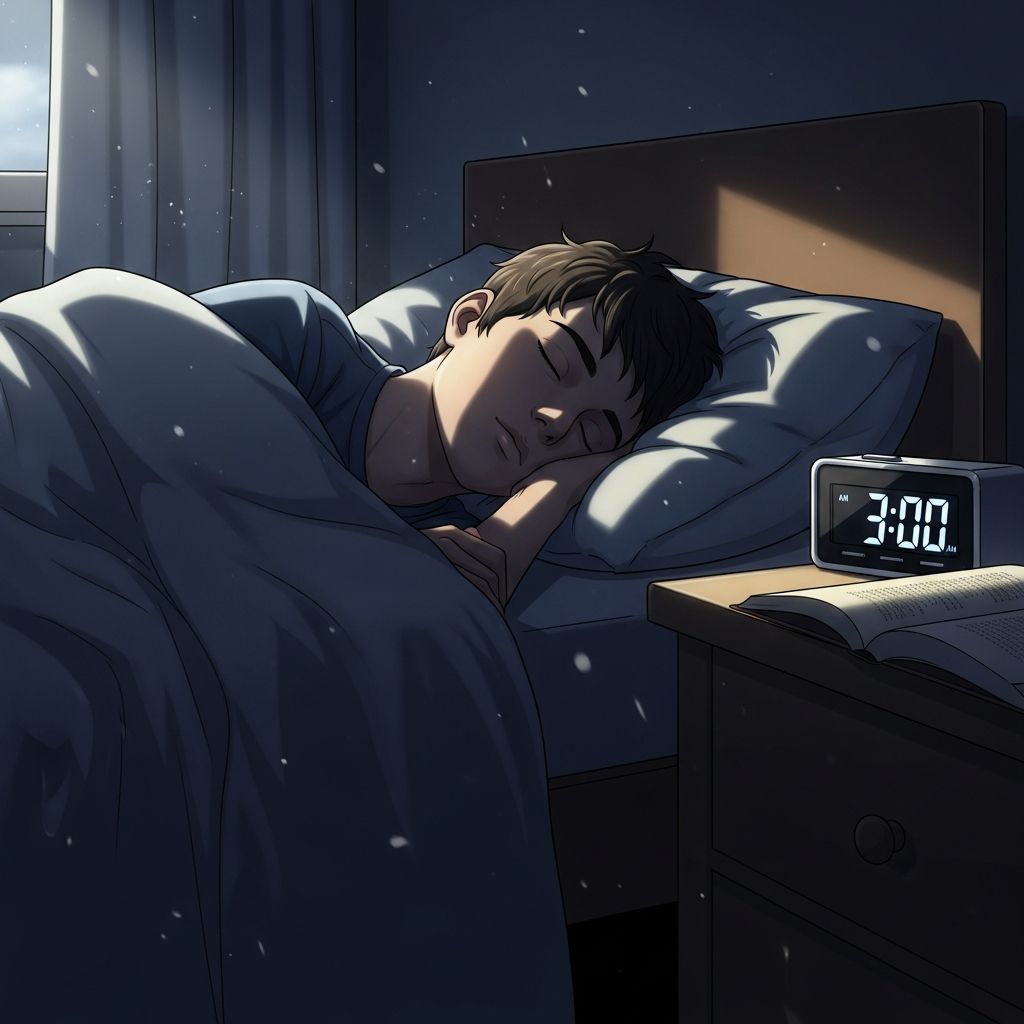
Sleep can feel like the easiest thing to sacrifice when homework, sports, friends, and screens all compete for attention. Yet for teenagers, sleep is not a luxury or a bonus — it is a critical part of healthy development, learning, and emotional balance.
How Much Sleep Do Teens Really Need?
Most teenagers need significantly more sleep than adults, even if they feel as if they can “push through” on less. Growing bodies and rapidly changing brains require long, high-quality rest each night to recover and recharge.
- Most teens need about 8–10 hours of sleep every night to function at their best.
- Many teens routinely get less than this, often living in a state of quiet, ongoing sleep debt.
- Needing extra sleep on weekends is often a sign that weekday sleep is not enough.
If you regularly wake up to an alarm and feel you could fall back asleep within minutes, that is a strong signal your body is not getting the sleep it needs.
Why Teenagers Need More Sleep Than Adults
Teen years are a period of intense physical growth and complex brain development. During sleep, especially deep and dream sleep, the body carries out repair work, cements memories, and fine-tunes the systems that control mood and attention.
- Hormones that drive growth and puberty are released in large amounts during sleep.
- The brain strengthens important connections and prunes away weaker ones, shaping how you think and learn.
- Systems that regulate appetite, immune function, and stress recovery depend heavily on consistent sleep.
Because so much is happening behind the scenes at night, losing even an hour or two of sleep over many days can build into a noticeable drop in focus, energy, and resilience.
Your Internal Clock: Why You Feel Awake Late
Many teens are told they are “lazy” for staying up late and struggling to get out of bed, but biology tells a different story. During adolescence, the body’s internal clock naturally shifts later, making most teens feel alert longer in the evening and sleepy later in the morning.
- A natural delay in the sleep hormone timing means you may not feel truly drowsy until later at night.
- Early school start times often collide with this shift, forcing teens to wake before their bodies are ready.
- This mismatch between biology and schedule can lead to chronic sleep loss even when you “go to bed on time” by adult standards.
Understanding that part of the challenge is biological can reduce guilt or frustration and help you focus on what can be changed: habits, routines, and environment.
Common Sleep Stealers in Teen Life
Several everyday factors quietly chip away at teen sleep. Often, it is not one big problem but a combination of small habits and pressures that add up.
- Homework overload and activities: Late-night studying, jobs, and practices push bedtime later.
- Phones and social media: Blue light, notifications, and emotional content keep brains wired.
- Caffeine and energy drinks: Sodas, coffee, and energy drinks in the afternoon or evening delay sleepiness.
- Irregular schedules: Big weekend sleep-ins confuse the body’s clock and make Sunday nights restless.
- Stress and worry: Racing thoughts about grades, friends, or family make it hard to drift off.
Pinpointing which of these apply to you is the first step toward taking back control of your sleep.
What Happens When Teens Don’t Get Enough Sleep?
Missing sleep does not just make you yawn in class; it affects almost every part of life. The effects can be subtle at first, then build into more serious problems over time.
Short-Term Effects You Might Notice Quickly
- Feeling groggy, irritable, or “on edge” during the day.
- Trouble concentrating, zoning out in class, or rereading the same line in a book.
- Needing more snacks or sugary foods to stay awake.
- Micro-sleeps — brief moments of drifting off without realizing, especially during quiet activities or on car rides.
Long-Term Effects That Build Over Time
- Lower grades and test performance because the brain cannot store and organize new information as well.
- Higher risk of anxiety, depression, and mood swings.
- Weaker immune system, meaning more colds and longer recovery times.
- Increased risk-taking, such as unsafe driving, because sleep-deprived brains misjudge danger.
These changes might be blamed on personality or motivation, but often, sleep is a major hidden factor.
School, Sports, and Sleep: The Performance Connection
Sleep is sometimes seen as the enemy of success — something to sacrifice for extra studying or training. In reality, it is one of the strongest tools for performing better in academics and activities.
- During sleep, the brain strengthens new memories, making it easier to recall facts, concepts, and skills.
- Well-rested athletes show better reaction time, coordination, and decision-making on the field or court.
- Creative problem-solving and flexible thinking improve after a good night’s sleep.
Putting sleep on the same level as practice, homework, and nutrition can actually move grades and performance in the right direction.
Signs You May Not Be Getting Enough Sleep
It can be hard to tell whether your sleep is “normal” when many friends are just as tired. Focus less on clock time and more on how you feel and function daily.
- You rely heavily on alarms, reminders, or others to wake up on school days.
- You sleep far longer on weekends or breaks than on weekdays.
- You often feel sleepy in class, on the bus, or while doing homework.
- Your mood is more irritable or down when you get less sleep.
- You need caffeine to get through the day.
If several of these sound familiar, it is worth experimenting with changes to your routine to see if more rest improves daily life.
Healthy Sleep Habits for Busy Teens
Building better sleep does not mean perfection or rigid rules. Small, realistic changes sustained over time can make a big difference. Consider choosing one or two of the habits below to start with rather than trying to change everything at once.
- Set a target sleep window: Choose a bedtime and wake-up time that allow close to 8–10 hours of sleep and aim to keep them similar every day, including weekends.
- Create a wind-down routine: Spend 20–30 minutes before bed doing calm activities like stretching, reading, or listening to quiet music.
- Dim the lights: Lower lighting in the evening to signal to your brain that night is coming.
- Watch the clock: Try moving bedtime earlier in small steps (10–15 minutes every few nights) rather than all at once.
Managing Screens and Social Media at Night
Screens are one of the biggest obstacles between teens and sleep. Bright light from phones and tablets can delay the release of sleep hormones, while social content can stir up emotions right when you need to relax.
- Set a “tech curfew” for yourself about 30–60 minutes before bedtime.
- Charge devices away from your bed, such as on a desk or in another room.
- Use night-mode or blue-light-reduction features in the evening if you must use screens.
- Mute non-urgent notifications overnight to reduce the temptation to check messages.
Making your bedroom a more screen-free space helps your brain associate that area with rest rather than constant stimulation.
Creating a Sleep-Friendly Bedroom
The environment you sleep in can make it easier or harder to fall and stay asleep. A few simple adjustments often pay off quickly.
- Keep the room cool, dark, and quiet where possible.
- Use curtains or an eye mask to block light if streetlights or early sun get in.
- Consider earplugs or a steady background sound if noise is an issue.
- Reserve your bed mainly for sleep and quiet activities so your brain links it with rest.
Even small environmental changes, such as decluttering the space around your bed, can make it feel more relaxing.
Foods, Drinks, and Habits That Affect Sleep
What you eat and drink during the day can either support good sleep or work against it. Paying attention to timing and quantity is often more important than strict rules.
- Avoid large, heavy meals right before bed; a light snack is usually fine.
- Limit caffeine (soda, coffee, energy drinks, strong tea) in the late afternoon and evening.
- Be cautious with sugary or highly processed foods close to bedtime, as they can cause energy spikes.
- Stay hydrated during the day but reduce big drinks just before sleep to minimize middle-of-the-night bathroom trips.
Balanced daytime meals, movement, and sunlight exposure also support a healthy sleep-wake rhythm.
Sample Daily Rhythm for Better Sleep
Every person’s schedule is different, but this simple table offers one example of how to line up daily activities with better sleep. Adjust times to match your responsibilities and school start.
| Time of Day | Focus | Helpful Habits |
|---|---|---|
| Morning | Wake and reset clock | Get bright light, eat breakfast, move your body (even light stretching). |
| Afternoon | Learning and activity | Stay active, keep caffeine moderate, avoid long late-day naps. |
| Early evening | Wind down from the day | Finish most homework, eat dinner, keep screens at a reasonable distance. |
| Late evening | Prepare for sleep | Turn down lights, shut off devices, do calm activities, follow a bedtime routine. |
| Night | Sleep | Keep the bedroom cool, dark, and quiet; aim for 8–10 hours in bed. |
When Naps Help — And When They Don’t
Naps can be a mixed blessing for teens. Used wisely, they can ease afternoon sleepiness. Used poorly, they steal from the next night’s rest.
- Short naps (about 20–30 minutes) earlier in the afternoon are usually best.
- Long naps or those taken in the early evening can make it harder to fall asleep at night.
- If you feel the need for long daily naps, it may be a sign you are not getting enough nighttime sleep.
Think of naps as a backup tool rather than the main solution to chronic sleep loss.
Talking With Parents, Teachers, or Coaches About Sleep
Changing your sleep habits is easier when adults around you understand why it matters. It can feel uncomfortable to raise the topic, but explaining how sleep affects your health and performance may lead to helpful adjustments.
- Share that teens naturally tend to fall asleep later and still need 8–10 hours of rest.
- Ask for support in setting consistent bedtimes, limiting late-night activities, or managing workload.
- Discuss screen curfews or device-free times that apply to everyone in the household, not just you.
Sometimes, even small changes — like shifting a practice time or breaking assignments into earlier chunks — can protect valuable sleep.
When to Seek Medical Help About Sleep
Most teen sleep problems are linked to habits, schedules, and environment, but sometimes an underlying health issue is involved. Recognizing when to ask for professional help is important.
- You regularly take more than an hour to fall asleep despite a calm routine.
- You wake many times a night or feel unrefreshed even after long sleep.
- You snore loudly, gasp, or stop breathing briefly during sleep (often noticed by others).
- You feel overwhelming daytime sleepiness that interferes with daily life.
Discuss these signs with a parent or guardian and consider seeing a health professional who can look for conditions like sleep apnea, insomnia, or other sleep disorders.
Frequently Asked Questions About Teen Sleep
Is it okay to sleep in late on weekends?
Sleeping in a little can help make up for lost rest, but big swings in schedule — like staying up very late and sleeping past midday — can reset your internal clock in the wrong direction. A good rule is to keep weekend wake-up times within about two hours of your usual weekday time so Monday mornings are not a shock.
Can I catch up on sleep during holidays or breaks?
Extra sleep during breaks may help you feel better in the short term, but it does not completely erase the effects of long-term sleep debt. The goal is not just catching up occasionally but building a routine that gives you close to enough sleep most nights.
What if I just don’t feel sleepy at an “early” bedtime?
Because teen body clocks shift later, you may not feel sleepy at the same time as younger siblings or adults. Starting a wind-down routine earlier, dimming lights, and limiting screens can help bring on natural sleepiness sooner. Moving bedtime gradually instead of all at once is usually more successful.
Are energy drinks a good solution when I am tired?
Energy drinks may make you feel more awake briefly, but they can raise heart rate, increase anxiety, and make it harder to sleep later. Relying on them can trap you in a cycle of being wired at night and exhausted the next day. Improving sleep and daytime habits is a safer and more effective strategy.
Does exercise help or hurt sleep?
Regular movement during the day usually helps people fall asleep faster and enjoy deeper rest. Very intense workouts right before bed may be too stimulating for some, so aim to finish the hardest exercise earlier in the day and use gentle stretching in the evening if you like to move at night.
What if I wake up in the middle of the night and cannot fall back asleep?
If you lie awake for more than about 20–30 minutes, it can help to get out of bed and do a quiet, non-screen activity in low light, such as reading or drawing. When you feel sleepy again, return to bed. This prevents your brain from associating the bed with frustration and wakefulness.
Putting It All Together
Sleep is one of the most powerful tools you have to protect your mental health, support your body, and boost your success in school and activities. Understanding how much rest you truly need, why your schedule may clash with your biology, and which habits help or hurt your sleep gives you a chance to make informed choices.
You do not need a perfect routine to benefit. Choosing even one or two changes — such as a consistent bedtime, a short wind-down routine, or less late-night screen time — can start to improve how you feel during the day. Over time, those small steps can add up to a healthier, more energized version of you.