Sleep is not just “down time.” For teenagers, it is when the brain rewires itself, the body grows, memories stick, and emotions settle. Getting enough good-quality sleep can boost grades, improve mood, sharpen athletic performance, and protect long-term health.
Why Sleep Matters So Much in Your Teen Years
During adolescence, your brain and body are changing faster than at almost any other time after early childhood. Sleep is the fuel that powers this growth and keeps those changes on track.
- Brain development: Deep sleep strengthens connections between brain cells, helping with learning, creativity, and decision-making.
- Emotional balance: Well-rested teens are better at managing stress, handling conflict, and bouncing back from tough days.
- Physical growth: Growth hormone is released mainly during deep sleep, supporting height, muscle repair, and healthy development.
- Immune support: Sleep helps your body fight off infections, making you less likely to get sick.
How Much Sleep Do Teens Really Need?
Most teenagers need more sleep than they think. While everyone is different, experts generally recommend that teens aim for about 8–10 hours of sleep each night. Some feel great at the lower end of that range, while others truly need closer to 10 hours to function at their best.
If you regularly wake up without an alarm on weekends much later than you do on school days, that is a sign your body is trying to catch up on missed sleep during the week.
Your Changing Body Clock: Why You Feel Awake at Midnight
If going to bed early feels almost impossible, you are not lazy or broken. During puberty, the timing of your internal body clock naturally shifts later. Your brain starts releasing the sleep hormone melatonin later in the evening, so you do not feel sleepy as early as you used to.
This means you may not feel truly tired until 10 p.m. or even later—but school, activities, and early alarms still demand that you wake up early. The result is a constant tug-of-war between your biology and your schedule.
Signs Your Sleep Schedule Is Out of Sync
- Needing several alarms (or someone else) to wake you up most mornings.
- Feeling groggy or “in a fog” for the first few hours of the day.
- Falling asleep in class, on the bus, or whenever you sit still.
- Being wide awake late at night but exhausted in the morning.
What Happens When You Do Not Get Enough Sleep
Running on too little sleep quickly becomes your “new normal,” which makes it easy to underestimate how much it affects you. But chronic sleep loss can touch almost every area of your life.
Impact on School and Learning
- Harder to pay attention in class and follow directions.
- Slower reaction time when answering questions or solving problems.
- More mistakes on tests and homework because your brain cannot process information efficiently.
- Poorer memory, so studying takes longer and feels more frustrating.
Impact on Mood and Mental Health
- More irritability and quick temper over small issues.
- Feeling overwhelmed, unmotivated, or emotionally “flat.”
- Increased risk of anxiety, low mood, and stress-related symptoms.
- Less patience for friends and family, which can cause more arguments.
Impact on Physical Health and Safety
- Weakened immune system, so colds and infections hit harder and more often.
- Higher risk of weight changes, unhealthy food cravings, and reduced energy for exercise.
- Slower reflexes, which can make driving, biking, or sports more dangerous.
- Greater chance of accidentally falling asleep in risky situations, like behind the wheel.
Common Sleep Disruptors in Teen Life
Most teens are juggling busy schedules, constant notifications, and social expectations. These pressures can all chip away at healthy sleep, often in small ways that add up over time.
- Early school start times: When the school day begins early, many teens have to wake up before their bodies are ready.
- Homework and extracurriculars: Long evenings packed with assignments, sports, clubs, or jobs push bedtimes later.
- Screens and social media: Bright light from phones, laptops, and TVs tells the brain to stay alert, and constant notifications keep the mind busy.
- Caffeine and energy drinks: Coffee, soda, tea, and energy drinks can stay in the body for hours and delay sleep.
- Unpredictable schedules: Staying up much later on weekends and sleeping in late can reset your internal clock and make Sunday night insomnia worse.
Quick Self-Check: Are You Getting Enough Sleep?
Use this simple table to think about how sleep might be affecting daily life:
| Area | Well-Rested Clues | Sleep-Deprived Clues |
|---|---|---|
| Morning | Wake up without a struggle most days; feel alert within 30–60 minutes. | Hit snooze repeatedly; feel tired or confused for hours. |
| School | Can focus reasonably well; remember what you learned. | Zone out in class; reread the same page without absorbing it. |
| Mood | Handle stress and conflict without exploding. | Snap at people; feel more anxious, sad, or overwhelmed. |
| Energy | Enough energy for activities, hobbies, and some exercise. | Drag through the day; need sugar or caffeine to function. |
| Evening | Feel naturally sleepy around the same time most nights. | Feel wired late at night but exhausted in the morning. |
Building a Teen-Friendly Sleep Routine
Improving sleep does not require a perfect schedule overnight. Small, realistic changes—repeated consistently—can make a noticeable difference within a couple of weeks.
Step-by-Step Sleep Routine Reset
- Pick a target wake-up time. Choose a wake-up time you can sustain every day, including weekends, within about an hour of your school-day schedule.
- Move bedtime gradually. If your current bedtime is very late, shift it earlier by about 15–20 minutes every few nights instead of trying to change it by hours at once.
- Create a wind-down window. Spend the last 30–60 minutes before bed doing calming activities: reading, stretching, light journaling, or quiet music.
- Dim the lights. Lowering light levels in the evening helps your brain release melatonin and recognize that night is coming.
- Reserve the bed for sleep. Try not to do homework, games, or long scrolling sessions in bed so your brain starts to link that space with sleep.
Screen Time: How to Use Tech Without Ruining Your Sleep
Screens are woven into schoolwork, friendships, and entertainment, so shutting them off completely is not realistic. But how you use them in the evening can either support or sabotage your sleep.
- Set a “last check” time for social media and messaging at least 30–60 minutes before bed.
- Use night mode or blue-light filters on your devices in the evening to reduce alerting light.
- Charge your phone away from your bed to avoid late-night scrolling and middle-of-the-night checks.
- Instead of watching intense shows or playing competitive games late at night, switch to calmer content if you want to stay on a screen.
Food, Drinks, and Exercise: Everyday Choices That Shape Your Sleep
What you eat, drink, and do with your body through the day can support good sleep or make it harder to fall and stay asleep.
Tips for Sleep-Friendly Habits
- Limit caffeine. Try to avoid caffeinated drinks in the late afternoon and evening, since caffeine can stay in your system for several hours.
- Watch late-night snacks. Very heavy or spicy meals close to bedtime can cause discomfort and disrupt sleep.
- Move your body. Regular physical activity, even a brisk walk, can help you fall asleep more easily and sleep more deeply—just avoid very intense workouts right before bed.
- Stay hydrated earlier. Drink enough water during the day, but slow down in the hour before bed to cut down on bathroom trips during the night.
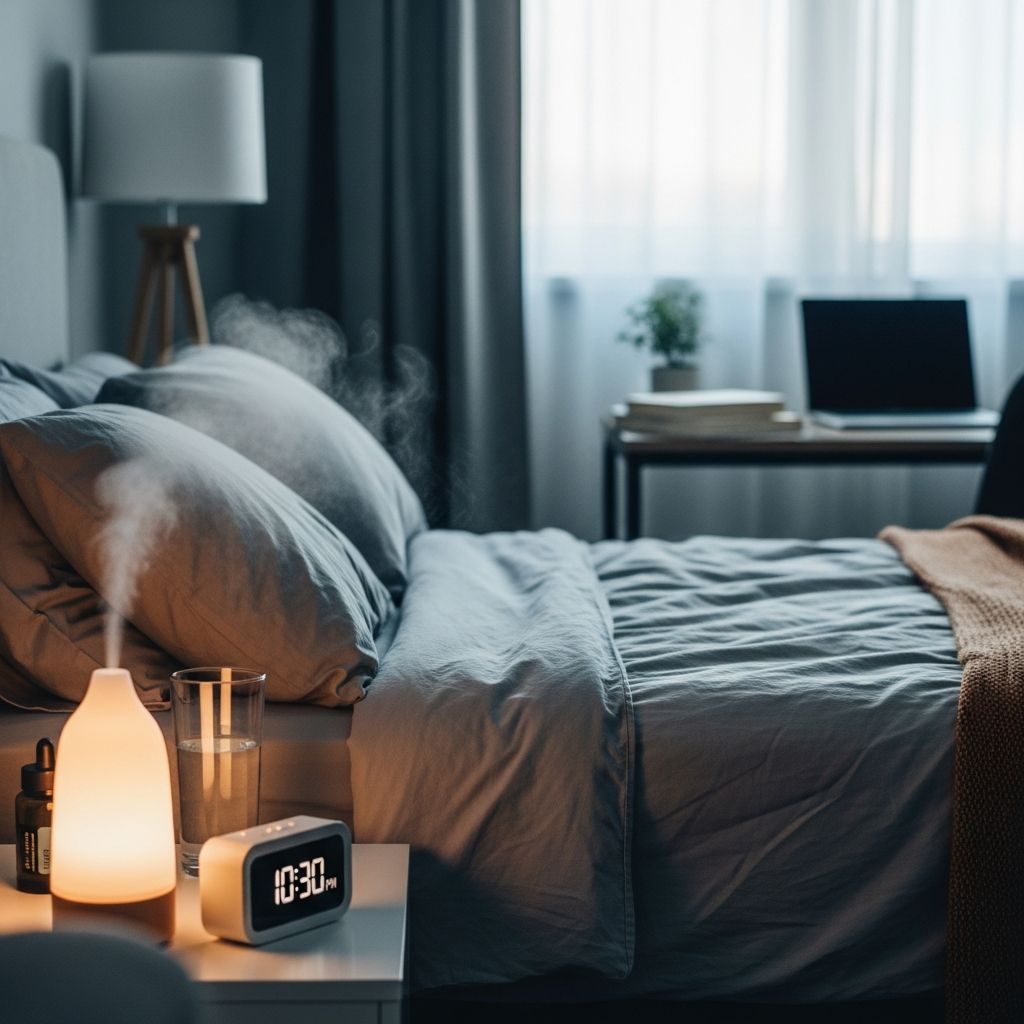
Creating a Sleep-Friendly Bedroom
The environment where you sleep sends strong signals to your brain. A calm, comfortable space makes it easier to switch from alert mode to rest mode.
- Keep the room cool, quiet, and as dark as possible with curtains or an eye mask.
- Use a small lamp or warm-colored light in the evening instead of bright overhead lights.
- Reduce clutter near your bed so the area looks and feels calm rather than chaotic.
- Consider white noise, a fan, or soft background sounds to block out disruptive noise.
When Sleep Problems Might Be Something More
Short phases of poor sleep are common, especially around exams, big life changes, or stressful events. But certain patterns suggest it is time to talk with a parent, caregiver, or health professional.
- Regularly taking more than an hour to fall asleep, even when you feel very tired.
- Waking up many times during the night without a clear reason.
- Loud snoring, gasping, or pauses in breathing during sleep (often noticed by others).
- Extreme daytime sleepiness that does not improve, even when you get enough hours in bed.
- Persistent low mood, anxiety, or thoughts of self-harm linked with sleep problems.
A health professional can help check for issues like insomnia, sleep apnea, or mood disorders and suggest specific treatments or strategies.
Talking With Adults About Your Sleep Needs
Many teens feel that adults underestimate how hard it is to manage school, activities, and a changing body clock. Starting an honest conversation can help others understand what you are facing and work with you on realistic solutions.
- Explain how you feel during the day (for example, “I am falling asleep in class and it is hurting my grades”).
- Share concrete examples, like needing multiple alarms or struggling to stay awake when driving or riding home.
- Ask for support with changes such as a more consistent schedule, adjusting chores, or setting limits around late-night activities.
- If needed, suggest a visit with a doctor, counselor, or school nurse to discuss sleep more fully.
Frequently Asked Questions About Teen Sleep
Is it normal for teens to stay up late?
It is very common for teens to feel naturally more awake later at night because of changes in their internal body clock. However, regularly staying up far into the night while still waking early can lead to significant sleep debt, so it is important to find a balance that respects both your biology and your responsibilities.
Can I just catch up on sleep on weekends?
Sleeping in on weekends can help you feel better temporarily, but it does not fully erase the effects of chronic sleep loss. Big swings in your schedule—from very early wake-ups during the week to very late mornings on weekends—can also make it harder to fall asleep on Sunday night.
Do short naps help or hurt?
Short daytime naps of about 15–30 minutes can boost alertness if you are very tired, especially in the early afternoon. Very long or late-evening naps, though, can make it harder to fall asleep at night and push your bedtime even later.
What if I cannot fall asleep because my mind will not stop racing?
Overthinking at night is common. Gentle strategies like slow breathing, writing down worries to deal with the next day, or following a simple relaxation routine can calm an overactive mind. If racing thoughts or anxiety keep you awake frequently, consider speaking with a counselor or health professional for extra tools.
Are sleep apps and trackers useful?
Sleep apps and trackers can give rough estimates of how long you are asleep and help you notice patterns, like late-night phone use. However, they are not perfect, and focusing too much on numbers can sometimes create more stress. Use them as guides, not strict judges of your sleep health.
Simple Sleep Checklist for Teens
Use this list to check your daily habits. Even choosing one or two areas to change can start moving your sleep in the right direction.
- Target 8–10 hours of sleep most nights.
- Keep your wake-time within about an hour of the same time every day.
- Create a calming 30–60-minute wind-down before bed.
- Avoid caffeine and heavy meals close to bedtime.
- Limit screen time in the hour before sleep and keep devices away from the bed.
- Make your room cool, dark, and quiet.
- Talk with a trusted adult or professional if sleep issues do not improve.
Sleep is not a luxury or a reward you have to earn—it is a basic need, just like food and water. Treating it as a priority now can give you more energy, better focus, and a stronger foundation for everything you want to accomplish, both in your teen years and beyond.