Separation anxiety is a common challenge for many families as children approach preschool age. This emotional response often peaks when toddlers transition to structured environments like daycare or kindergarten, manifesting as distress upon parting from parents. Understanding its roots and applying targeted strategies can transform these moments into opportunities for growth and independence.
Recognizing the Signs of Separation Anxiety
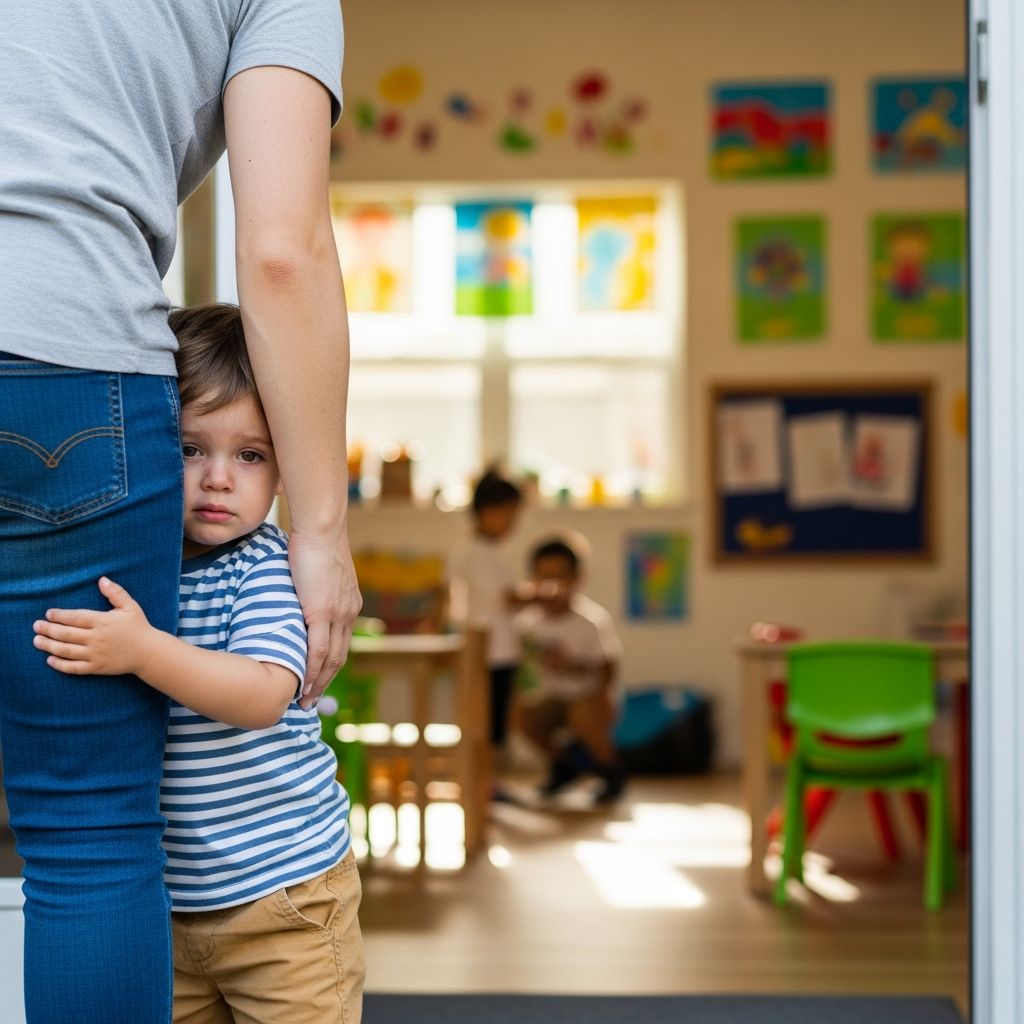
Early identification of separation anxiety helps parents respond effectively. Children typically show heightened emotional reactions during goodbyes, such as prolonged crying or physical clinging. These behaviors stem from a natural fear of the unknown and attachment to familiar caregivers.
- Intense crying or tantrums: Occurs specifically at moments of parting, lasting beyond a few minutes.
- Clinginess: Reluctance to let go, often refusing to engage with teachers or peers.
- Somatic complaints: Frequent reports of stomachaches, headaches, or nausea right before separation.
- Sleep disturbances: Nightmares about being left alone or resistance to bedtime without a parent nearby.
- Avoidance behaviors: Refusal to attend school, playdates, or sleepovers due to fear of separation.
These signs are developmentally normal between ages 8 months and 3 years but warrant attention if they persist into preschool years or intensify.
Why Does Separation Anxiety Happen in Young Children?
Several factors contribute to separation anxiety, blending biological predispositions with environmental triggers. Genetically, children of anxious parents may inherit a heightened sensitivity to stress. Developmentally, as object permanence solidifies around 8-12 months, children realize caregivers can leave—and fear they might not return.
Key Developmental Milestones
| Age Range | Typical Anxiety Peak | Common Triggers |
|---|---|---|
| 6-12 months | Emergence | Stranger awareness |
| 2-3 years | Peak intensity | Language delays in reassurance |
| 4-5 years | Resurgence | School starts, routine changes |
Attachment styles play a pivotal role; securely attached children recover faster, while those with anxious-ambivalent bonds experience prolonged distress.
Environmental and Familial Influences
Major life changes amplify anxiety: moving homes, parental divorce, loss of a pet, or even a new sibling. Parental anxiety can model fearful responses, teaching children to anticipate danger during separations. Overprotective parenting may inadvertently reinforce fears by avoiding separations altogether.
Differentiating Normal Fears from Clinical Concerns
Not all distress signals a disorder. Normal separation anxiety resolves quickly—often within 10-15 minutes after the parent leaves—with children engaging happily in activities. In contrast, separation anxiety disorder (SAD) involves persistent, debilitating symptoms lasting over six months, interfering with daily functioning.
- Normal: Brief upset at drop-off, quick recovery.
- SAD Indicators: Refusal to attend school, constant worry about harm to parents, physical symptoms like panic attacks.
Prevalence data shows SAD affects about 4% of children, often co-occurring with other anxieties. Early intervention prevents escalation to broader mental health issues.
Practical Strategies for Easing Daily Separations
Building confidence requires consistent, calm routines. Start with short separations to desensitize gradually, always following through on promises of return.
Pre-Drop-Off Rituals
- Positive goodbyes: Keep farewells brief (under 1 minute) and upbeat. Use phrases like “I’ll be back after snack time!”
- Comfort objects: A family photo, special toy, or note provides tangible reassurance.
- Practice runs: Role-play drop-offs at home, gradually increasing time apart.
Visual aids like timers or calendars marking pickup times empower children with predictability.
Collaborating with Caregivers
Share insights with teachers about your child’s triggers and comforts. Request check-in texts post-drop-off to ease your mind, indirectly benefiting the child. Consistent messaging across home and school reinforces security.
Strengthening Emotional Resilience at Home
Beyond drop-offs, foster independence through play and dialogue. Encourage questions about feelings, validating them without over-reassuring, which can heighten focus on fears.
- Read books on emotions and separations (e.g., stories of brave characters).
- Model calm behavior during your own departures, like running errands.
- Promote playdates with trusted friends to normalize social separations.
Physical activity and adequate sleep reduce overall anxiety baselines. Limit screen time before bed to minimize stimulation.
Advanced Techniques for Persistent Anxiety
If symptoms endure, cognitive-behavioral approaches help. Exposure therapy, done gently, involves stepwise increases in separation duration. Mindfulness exercises tailored for kids, like breathing games, teach self-soothing.
| Technique | How to Implement | Expected Benefit |
|---|---|---|
| Graduated Exposure | 1-min separation → 5-min → full drop-off | Builds tolerance |
| Positive Reinforcement | Stickers for brave goodbyes | Motivates repetition |
| Parental Anxiety Management | Therapy or self-help for parents | Reduces modeling |
When to Consult a Professional
Seek pediatric or child psychology input if anxiety disrupts school attendance, causes weight loss from refusal to eat, or includes panic symptoms like rapid heartbeat. Therapies like CBT are highly effective, with 60-80% improvement rates. Medication is rare for preschoolers but considered for severe SAD.
Frequently Asked Questions (FAQs)
Is separation anxiety normal at age 4?
Yes, mild anxiety during preschool transitions is common and typically fades with routine. Monitor if it worsens.
How long should drop-offs take?
Keep them under 60 seconds to avoid prolonging distress. Quick, cheerful exits work best.
Can separation anxiety return after resolving?
Yes, stressors like family changes can trigger resurgence, but prior coping skills aid recovery.
What if my child refuses school entirely?
Contact your pediatrician promptly; this may indicate SAD requiring therapy.
Does parental anxiety worsen it?
Absolutely—children mirror parental cues. Manage your stress through mindfulness or counseling.
Long-Term Benefits of Addressing Separation Early
Navigating these fears equips children with resilience for future challenges, like camp or college. Secure attachments formed now predict better social skills and lower anxiety risks later. Parents who stay patient and consistent often report stronger family bonds post-resolution.
Empower your child by viewing anxiety as a phase, not a flaw. With empathy and structure, separations become stepping stones to independence.
References
- Understanding 5-Year-Old Separation Anxiety: A Parent’s Guide — Handspring Health. 2023. https://www.handspringhealth.com/post/understanding-5-year-old-separation-anxiety
- Easing Separation Anxiety in Preschoolers and Kindergarteners — Weecare Pediatrics. 2023. https://weecarepediatrics.com/easing-separation-anxiety-in-preschoolers-and-kindergarteners/
- Separation Anxiety and Separation Anxiety Disorder — HelpGuide.org. 2024-01-15. https://www.helpguide.org/family/parenting/separation-anxiety-and-separation-anxiety-disorder
- Separation Anxiety Disorder – Symptoms and Causes — Mayo Clinic. 2024-05-22. https://www.mayoclinic.org/diseases-conditions/separation-anxiety-disorder/symptoms-causes/syc-20377455
- Separation Anxiety — Nemours KidsHealth. 2023. https://kidshealth.org/en/parents/sep-anxiety.html