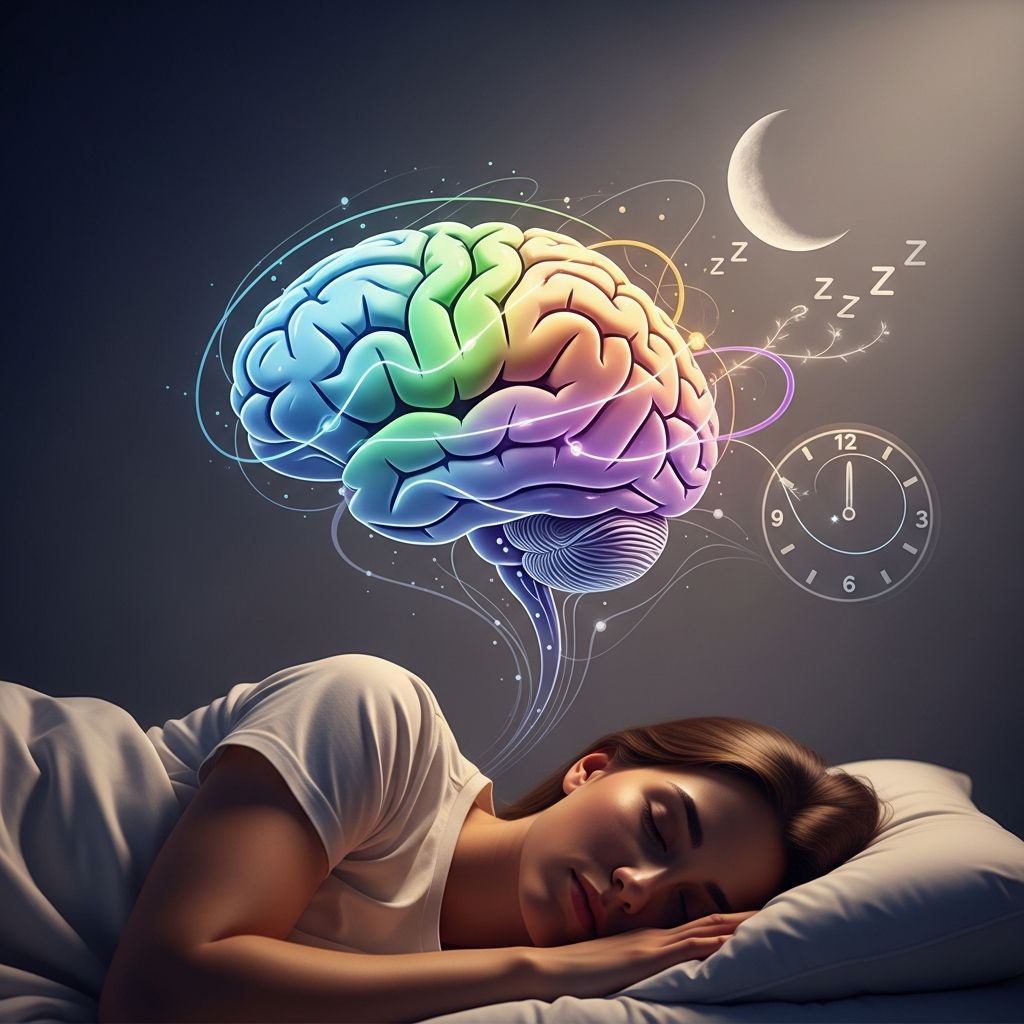
Teenagers often face a whirlwind of school demands, social activities, and digital distractions that disrupt their natural rest cycles. Getting consistent, quality sleep is crucial for maintaining sharp focus, stable moods, and physical health during these formative years. This guide explores why sleep matters, common pitfalls, and actionable steps to reclaim restful nights.
Why Quality Sleep Powers Teen Life
Adequate sleep fuels brain development, emotional regulation, and physical growth in adolescents. Research shows that teens aged 13-18 need 8-10 hours per night for optimal functioning, yet many average far less due to shifting biological clocks and external pressures.
During puberty, the body’s circadian rhythm shifts, delaying melatonin release and making it harder to fall asleep before 11 p.m. This ‘night owl’ tendency clashes with early school starts, leading to chronic sleep debt. Insufficient rest links to higher risks of obesity, cardiometabolic issues, and mental health challenges, with girls often facing stronger effects from irregular patterns.
Healthy sleep patterns in mid-teens predict better cardiovascular outcomes later, underscoring long-term stakes. Even short-term deficits impair attention, memory, and decision-making, mimicking intoxication effects. Prioritizing rest isn’t optional—it’s a foundation for thriving.
Biological Shifts: Understanding Your Changing Sleep Needs
Adolescence triggers profound changes in sleep physiology. Slow-wave sleep, vital for synaptic pruning and learning consolidation, increases initially but evolves as the brain matures. Teens experience a phase delay in their internal clock, preferring later bedtimes and wake times.
Studies confirm no reduction in sleep need with age; even post-puberty, youth require about 9 hours, waking spontaneously only when allowed. ‘Social jet lag’—mismatched schedules between weekdays and weekends—disrupts this, elevating adiposity and health risks. Awareness of these shifts empowers teens to align habits with biology.
Everyday Barriers to Better Rest
Modern teen life brims with sleep thieves. Screens emit blue light suppressing melatonin, while social media fosters late-night scrolling. Extracurriculars, homework, and part-time jobs compress available rest windows. Caffeine from sodas or energy drinks lingers, delaying drowsiness.
Weekend catch-up sleep exacerbates the cycle, shifting clocks further and causing Monday grogginess. Noisy environments or uncomfortable bedding compound issues. Recognizing these helps target fixes effectively.
Building a Rest-Promoting Daily Routine
Consistency anchors sleep success. Aim for the same bedtime and wake time daily, even weekends, to stabilize your circadian rhythm. Wind down 30-60 minutes before bed with calming activities like reading or light stretching.
- Expose yourself to morning sunlight within an hour of waking to reset your internal clock.
- Schedule exercise earlier in the day; avoid vigorous workouts close to bedtime.
- Reserve the bedroom for sleep and relaxation only—no studying or scrolling.
A pre-sleep ritual signals your body it’s time to unwind, improving sleep onset. Track patterns with a journal to identify what works.
Nutrition and Substances: Fueling Nighttime Recovery
What you consume impacts rest profoundly. Heavy meals near bedtime burden digestion, while hunger disrupts sleep. Opt for light snacks like bananas or yogurt if needed, rich in sleep-friendly nutrients.
| Substance | Effect on Sleep | Recommendation |
|---|---|---|
| Caffeine | Blocks adenosine, delaying tiredness | Limit after noon; half-life up to 6 hours |
| Sugar | Energy spikes and crashes | Avoid evening treats |
| Alcohol (if experimenting) | Fragments sleep architecture | Steer clear entirely |
Stay hydrated but taper liquids post-dinner to minimize night wakings. Herbal teas like chamomile can soothe without stimulation.
Tech Detox: Reclaiming Your Nights
Electronics are prime culprits in teen sleep loss. Blue light tricks the brain into daytime mode, while notifications spike alertness. Implement a ‘tech curfew’ one hour before bed—charge devices outside the bedroom.
- Use night mode or blue-light filters if evening use is unavoidable.
- Replace screen time with analog pursuits: journaling, puzzles, or music.
- Apps tracking usage can build awareness and accountability.
This simple shift can advance sleep onset by 30 minutes or more, compounding benefits over time.
Optimizing Your Sleep Environment
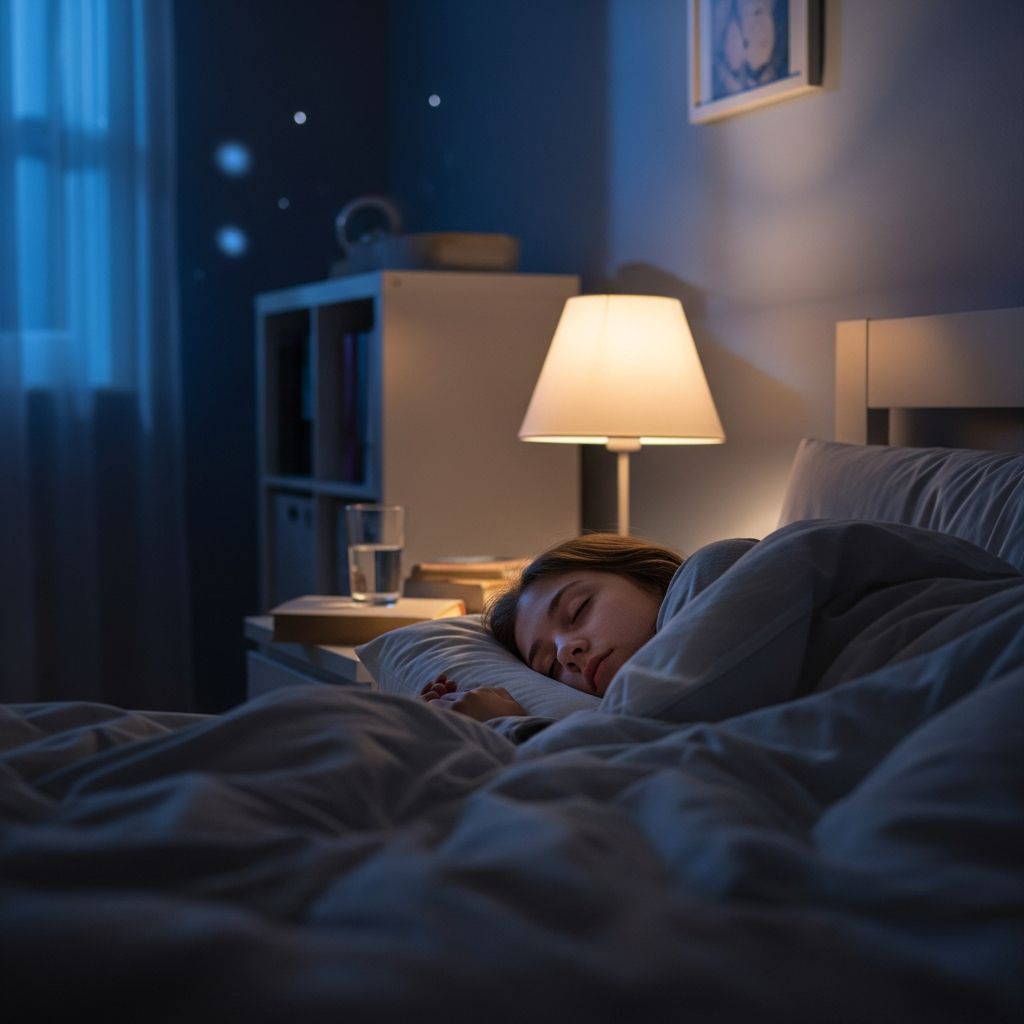
A sanctuary-like bedroom enhances rest. Keep it cool (60-67°F), dark, and quiet. Blackout curtains, earplugs, or white noise machines counter urban noise.
Invest in a supportive mattress and pillows suited to your position. Declutter for mental calm—mess equals stress. Air quality matters; ventilate or use purifiers to reduce allergens triggering discomfort.
Stress Management for Deeper Sleep
Anxiety fuels racing thoughts at bedtime. Teens juggle academics, relationships, and identity shifts, amplifying insomnia risks. Counter with daytime stress-busters: mindfulness meditation, deep breathing, or yoga.
If worries persist, jot them down pre-bed to offload mentally. Progressive muscle relaxation—tensing and releasing groups—eases physical tension. Building resilience curbs sleep’s emotional toll.
Power of Naps: Do’s and Don’ts
Strategic naps recharge without derailing nights. Limit to 20-30 minutes before 3 p.m. to avoid deep sleep inertia. They’re ideal post-lunch or after sports, boosting alertness.
Avoid if it cuts night sleep or you’re already sleep-deprived—better to extend bedtime. Nappers often perform better academically with just 7-7.5 hours nightly.
Leveraging School and Social Schedules
Early school starts exacerbate deficits; evidence supports later timings for more sleep and grades. Advocate via student councils. Coordinate with friends for group study ending early enough for rest.
Balance clubs and jobs—quality trumps quantity. Communicate needs to parents for support.
Tracking Progress and Seeking Help
Monitor sleep with wearables or logs, noting duration, quality, and daytime energy. Apps visualize trends, motivating tweaks. If insomnia persists beyond two weeks, or daytime sleepiness impairs life, consult a doctor—conditions like apnea may underlie.
Cognitive behavioral therapy for insomnia (CBT-I) proves effective for chronic cases.
Frequently Asked Questions (FAQs)
How much sleep do teens really need?
Teens 13-18 should aim for 8-10 hours nightly for peak health and performance.
Why can’t I fall asleep before midnight?
Your shifting circadian rhythm delays melatonin; counter with consistent routines and light exposure management.
Does weekend sleeping in help?
It provides temporary relief but worsens social jet lag; stick to regular schedules.
Can screens really keep me awake?
Yes, blue light suppresses sleep hormones—enforce a pre-bed cutoff.
What if I’ve tried everything and still feel tired?
Track patterns and see a professional; underlying issues may need addressing.
Long-Term Wins from Better Sleep
Consistent habits yield sharper cognition, resilient moods, and robust health. Less absenteeism, higher grades, and vibrant energy follow. Sleep invests in your future self—start tonight.
References
- Teenage Sleep Hygiene — Harvard Medical School. 2023. https://hms.harvard.edu/news/teenage-sleep-hygiene
- Sleep in adolescence: physiology, cognition and mental health — PMC (Nat Commun). 2016-10-02. https://pmc.ncbi.nlm.nih.gov/articles/PMC5074885/
- ADOLESCENT SLEEP PATTERNS AND DAYTIME SLEEPINESS — NCBI Bookshelf. 2000. https://www.ncbi.nlm.nih.gov/books/NBK222804/
- Perspective: Teenagers and the sleep paradox — Journal of Clinical Sleep Medicine (AASM). 2021. https://jcsm.aasm.org/doi/10.5664/jcsm.10636
- Teens and Sleep — Sleep Foundation. 2023. https://www.sleepfoundation.org/teens-and-sleep
- Healthy sleep patterns in adolescence predict better cardiovascular health — Sleep Research Society. 2024. https://www.sleepmeeting.org/healthy-sleep-patterns-in-adolescence-predict-better-cardiovascular-health-in-the-future/
- What the Science Tells Us About Adolescent Sleep — UCLA Semel Institute. 2023. https://developingadolescent.semel.ucla.edu/topics/item/science-of-adolescent-sleep
- Sleep in Middle and High School Students — CDC Archive (American Academy of Sleep Medicine). 2022. https://archive.cdc.gov/www_cdc_gov/healthyschools/features/students-sleep.htm
- Schools shift as evidence mounts that later start times improve teens’ well-being — American Psychological Association. 2023. https://www.apa.org/topics/children/school-start-times