The story of Anton Yelchin’s parents choosing to live in their late son’s house reveals how grief can transform ordinary rooms into sacred spaces, and how some parents cope by surrounding themselves with the everyday echoes of a life cut short.
The House Their Son Left Behind
Anton Yelchin, known to many for portraying Pavel Chekov in the modern “Star Trek” films, died in a tragic accident at his Los Angeles home in 2016 at the age of 27. His parents, Viktor and Irina, later chose not to sell that house but to live in it, inhabiting the same space where their son spent his final years and where he died.
This decision was not about comfort in the conventional sense; it was about proximity to memory. The house had become a physical container for Anton’s routines, hobbies, and artworks, so remaining there allowed his parents to feel that his presence had not been completely erased by his absence.
Rooms That Still Remember
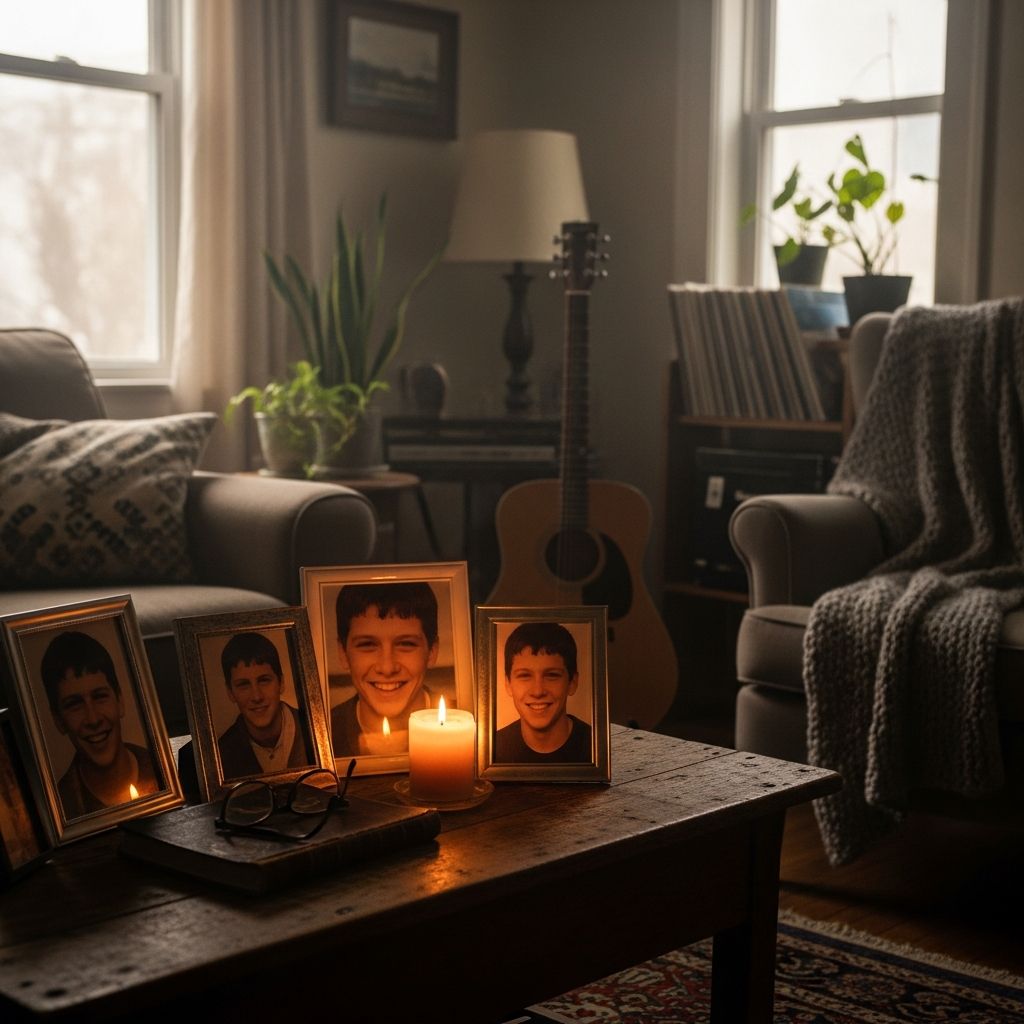
Every home carries traces of the people who live there, but in the wake of loss, those traces can feel almost unbearably vivid. In Anton’s case, his parents were surrounded by the items he loved—dogs, movies, music, and personal mementos—which made the home feel like an extended, living memory rather than just a building.
In psychological terms, these objects serve as “continuing bonds,” a concept in grief theory describing the way bereaved people maintain a connection with the deceased through physical and symbolic links instead of severing ties. Photos on the walls, favorite furniture, and even particular corners of a room can act as anchors for that bond.
Why Some Parents Choose Not to Move On
For many parents, the idea of leaving behind a child’s home, bedroom, or city can feel like a second loss. Moving away may feel like abandoning the one place where their child’s life still feels tangible. In this context, Viktor and Irina’s choice to remain in Anton’s home reflects a refusal to let geography erase their son’s story.
Parents in similar situations often describe a sense that their child’s presence lingers most strongly in the places that child loved. Daily routines—sitting on a familiar sofa, walking past a favorite driveway, passing by a shelf of beloved films—become rituals of remembrance rather than ordinary habits.
Grief, Home, and the Need for Control
The suddenness of Anton’s death meant his parents had no control over the circumstances that took his life, a common hallmark of traumatic grief. Choosing to live in his home, arrange his belongings, and curate his photos gave them at least one area where they could make intentional decisions in a world that had been violently upended.
This search for control often manifests in small details: keeping a room exactly as it was, preserving favorite objects, or maintaining a garden in a certain way. These acts are not about denial; they are attempts to restore a sense of order and meaning, even when the overarching story of loss remains profoundly disorienting.
From Private Grief to Public Legacy
Anton’s parents did not only stay in his house; they also worked to shape how his life would be remembered, helping support a documentary about him and a foundation in his name. This shows how a personal home can evolve into a symbolic center of legacy-building, where family members collect footage, artwork, and memories to share with the world.
Shifting some of their focus from loss to legacy allowed them to reframe their grief as a responsibility: to protect their son’s memory, help others understand who he was, and use his story to support people facing illness or disability, causes that became associated with his name.
Emotional Functions of a Child’s Home
Anton’s house functioned as more than shelter for his parents; it became a layered emotional space. Its rooms and exterior held painful associations with the accident, but they also carried decades of joy, work, and growth. For grieving parents, this duality is common: the same hallway that triggers flashbacks can also evoke childhood laughter or family dinners.
Over time, some parents report that the balance slowly shifts, and the home becomes less a site of purely traumatic remembrance and more a place where love and pain coexist. This transition tends to be gradual and non-linear, influenced by ongoing rituals, new projects, and the support systems that surround the family.
Daily Rituals That Keep Memory Alive
Many bereaved parents find structure and purpose in rituals, and Anton’s parents have engaged in practices such as frequent visits to his grave and symbolic gestures like releasing balloons in his honor. At home, simply sitting in his favorite chair, caring for his dog, or rewatching his films can function as informal, everyday rituals.
These actions help them narrate an ongoing relationship with their son rather than viewing his death as an abrupt endpoint. Whether spiritual or secular, such rituals frame grief as something to live with over time, not a problem to “solve” or “get over.”
How a House Can Both Hurt and Heal
Living in the place where Anton died means his parents encounter powerful triggers, especially when approaching the area of the accident. For people living with traumatic loss, this type of exposure can be overwhelming, but it can also, under the right conditions, gradually reduce the intensity of those triggers as the space is re-associated with new meanings.
Healing does not mean that the pain disappears; for many bereaved parents, it means learning to coexist with painful memories while allowing the home to hold other emotional tones—love, gratitude, and even occasional moments of peace.
Symbolic Acts and Signs of Connection
Anton’s parents have described noticing meaningful patterns in nature and everyday life—heart-shaped clouds, flowers, and other details—that they interpret as signs connected to their son. Within their home and garden, these observations become part of a private language of grief and hope.
Psychologically, interpreting such signs can offer comfort and a sense of continued relationship. Whether seen as spiritual communication or as a way of finding meaning in randomness, these symbols help parents feel less alone in their loss and more connected to the child they are mourning.
Parents, Identity, and the Home They Choose
For Viktor and Irina, identity is inseparable from parenting; they were deeply involved in Anton’s life long before he became famous, moving from the former Soviet Union to the United States when he was an infant and nurturing his creative ambitions. After his death, their continued presence in his home can be seen as an extension of that identity—they remain “Anton’s parents” not only in memory, but in the physical space he chose for himself.
When a child dies, parents often struggle with the question of who they are now. Living in a child’s home offers one answer: they become caretakers of that child’s world, protecting the objects, stories, and creative work that defined their son or daughter’s life.
Love, Loss, and the Geography of Grief
Every address carries a story, but some homes become central chapters in a family’s emotional geography. Anton’s house, once simply a young actor’s creative refuge, turned into both a shrine to his memory and a place where his parents confront their pain daily. Their choice challenges the common idea that healing always means moving on or starting over somewhere new.
Grief is nonlinear and intensely personal. For some families, leaving a home offers relief; for others, staying put is the only way to feel that love has not been uprooted along with the furniture. In that sense, the geography of grief is not about distance but about connection—about where love feels most alive, even when the person loved is gone.
Key Themes in Parental Grief
| Theme | How It Appears for Anton’s Parents |
|---|---|
| Continuing bonds | Living in Anton’s home, surrounding themselves with his photos, films, and possessions. |
| Need for control | Curating his space, managing his legacy through a documentary and foundation. |
| Ritual and remembrance | Visiting his grave frequently and engaging in symbolic acts such as releasing balloons and tending to meaningful spaces. |
| Ambiguous healing | Experiencing both ongoing pain and moments of comfort in the same physical environment. |
Practical Reflections for Families in Mourning
Families considering whether to remain in or leave a home associated with a child’s death often face pressure—from themselves or others—to follow a supposed “right” path. Anton’s parents’ choice underscores that there is no single correct timeline for changing or preserving a space.
Some questions that can help guide this decision include: Does this place help us feel closer to our child, or does it immobilize us? Are we able to build new rituals here, or does every day feel like reliving the worst moment? Honest answers can clarify whether staying, modifying, or eventually moving on is healthiest for the family.
- Take time before making irreversible decisions about selling or radically changing a home.
- Involve all close family members in discussions about the meaning of the space.
- Consider gradual changes—such as altering one room at a time—rather than an all-or-nothing approach.
- Seek grief-informed counseling if the home feels unsafe or constantly retraumatizing.
Frequently Asked Questions
Is it normal for parents to move into or stay in a deceased child’s home?
Yes. While not universal, many parents feel a strong pull to remain close to the spaces their child loved, including bedrooms, apartments, or houses, because these environments preserve sensory details—smells, sights, and arrangements—that keep the child’s memory vivid.
Does living in the place where a child died prevent healing?
Not necessarily. For some, it can intensify trauma; for others, it offers comfort and a sense of ongoing connection. The impact depends on individual coping styles, support systems, and the balance between painful reminders and meaningful memories within the home.
What can families learn from Anton Yelchin’s parents?
Their experience illustrates that grief can coexist with purposeful action: they transformed their son’s home into both a personal sanctuary and a base for sharing his story through creative projects and charitable work.
How do physical objects help with grief?
Objects such as photographs, letters, clothing, and artwork act as tangible links to the deceased, helping bereaved people maintain a sense of ongoing relationship and identity as parents, partners, or friends.
When should a grieving family consider leaving a home?
There is no universal timeline, but families may consider moving if the home consistently triggers overwhelming distress that does not ease with time or support, or if staying prevents them from engaging in any meaningful daily activities or relationships.
A Home That Holds a Life
For Viktor and Irina, remaining in Anton Yelchin’s house is an act of stubborn love—a way of insisting that their son’s presence is still woven into every corner of their lives. Their story highlights how, after an unimaginable loss, a home can become both a refuge and a reminder, a place where grief is not hidden away but acknowledged, tended, and, in its own fragile way, honored.