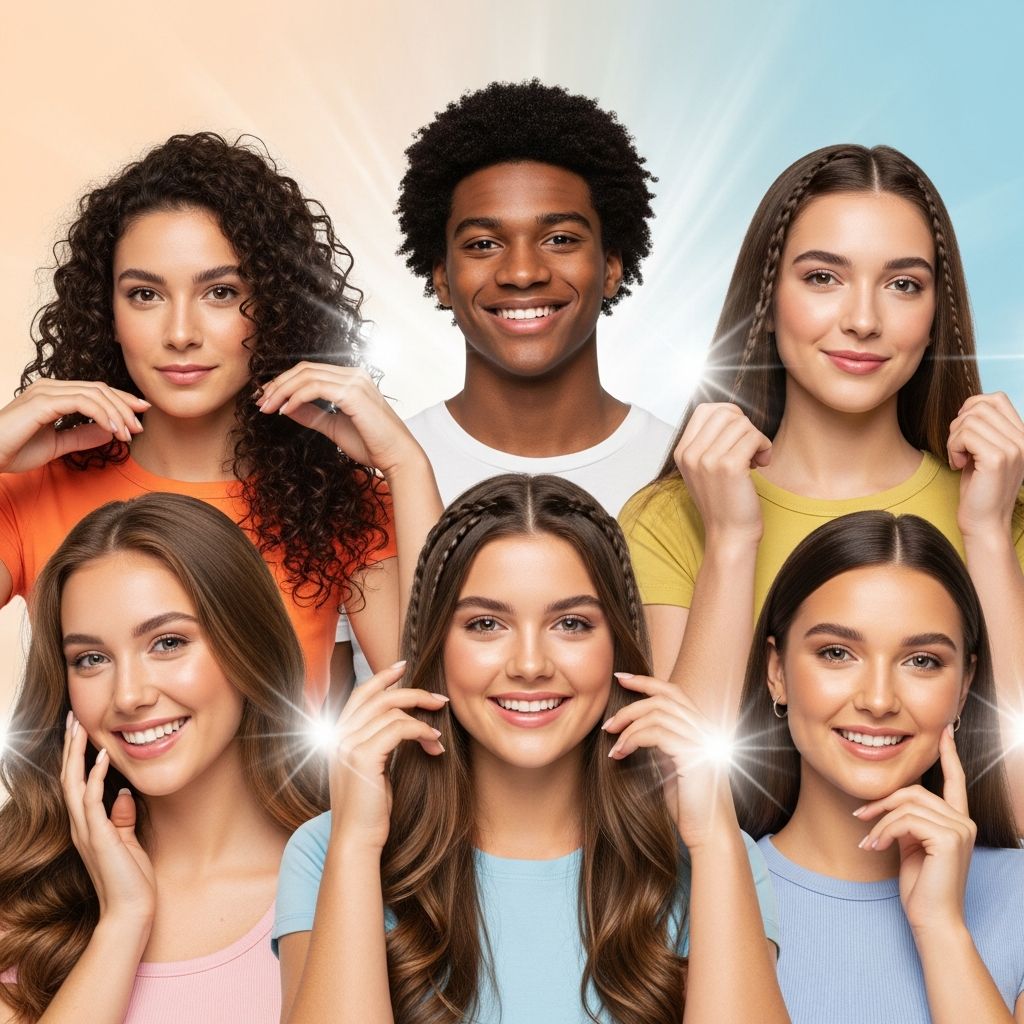
Navigating the changes of adolescence means paying extra attention to your skin, hair, and nails. Hormonal shifts during puberty often lead to oilier skin, breakouts, and other concerns, affecting about 85% of teens aged 12-24. Building simple, effective habits now can prevent issues and promote long-term health.
Understanding Puberty’s Impact on Your Body
Puberty triggers increased activity in oil glands, causing excess sebum production that can clog pores and spark acne. Hair may become oilier or drier, while nails might grow faster but become brittle from diet or habits. These changes are normal, but proactive care helps manage them.
- Hormones like androgens boost oil production, leading to shiny skin and potential pimples.
- Sweat and environmental factors exacerbate issues if not addressed daily.
- Genetics play a role, but lifestyle choices make a big difference.
Building a Daily Skin Care Routine
A straightforward routine—cleanse, moisturize, protect—forms the foundation for clear skin. Experts recommend washing twice daily with a gentle cleanser suited to your skin type. Morning cleanses remove overnight buildup, while evening ones tackle dirt and makeup.
Step-by-Step Morning Routine
- Gentle Cleanse: Use a formula for oily or acne-prone skin to avoid stripping natural oils.
- Serum Application: Opt for hyaluronic acid for hydration without greasiness—safe and effective for teens.
- Moisturize: Choose lightweight, oil-free options like those with ceramides to lock in moisture.
- Sunscreen: Apply broad-spectrum SPF 30+ daily, even indoors, to prevent damage and aging.
Evening Wind-Down
Double cleanse if wearing makeup: start with an oil-based remover, then a water-based cleanser. Spot-treat pimples with salicylic acid or benzoyl peroxide, but avoid overusing to prevent irritation. Finish with moisturizer to support healing.
| Skin Type | Cleanser Recommendation | Moisturizer | Spot Treatment |
|---|---|---|---|
| Oily/Acne-Prone | Gel-based, salicylic acid | Oil-free gel | Benzoyl peroxide |
| Dry/Sensitive | Creamy, hydrating | Thick lotion with hyaluronic acid | Mild retinoid |
| Combination | Foaming, balanced pH | Lightweight lotion | Targeted salicylic patches |
Nutrition for Radiant Skin, Hair, and Nails
What you eat directly influences your body’s largest organ—your skin—and supports hair and nail growth. A balanced diet rich in vitamins and minerals combats issues from within. Focus on leafy greens, berries, nuts, whole grains, lean proteins like fish and eggs, and plenty of water. Limit sugar and processed foods to reduce inflammation and breakouts.
- Vitamin C: In berries and greens, boosts collagen for skin elasticity and nail strength.
- Biotin and Protein: From nuts, eggs, and beans for hair growth and preventing brittle nails.
- Omega-3s: In fish, reduce acne inflammation and hydrate skin.
Hydration is key—aim for 8 glasses of water daily to keep skin plump and flush toxins.
Hair Care Essentials for Teens
Teen hair faces oil buildup, styling damage, and hormonal thinning. Wash 2-3 times weekly with sulfate-free shampoo to preserve natural oils. Condition ends to combat dryness from heat tools or coloring.
Daily Habits for Healthy Locks
- Detangle gently with wide-tooth combs to avoid breakage.
- Apply hair products away from the scalp to prevent clogged follicles.
- Change pillowcases weekly and tie hair back during sleep or sports.
- Limit heat styling; use protectants when necessary.
For oily hair, dry shampoo between washes absorbs excess sebum without over-drying. Scalp massages improve circulation for stronger growth.
Strengthening Nails Through Smart Habits
Nails reflect overall health—brittle ones signal poor diet or moisture loss. Keep them short, clean, and moisturized. Biotin-rich foods like nuts strengthen from inside, while cuticle oil prevents splitting.
- Moisturize hands daily, especially after washing.
- Avoid biting or picking to prevent infections.
- Wear gloves for chores involving water or chemicals.
Polishes are fine occasionally, but give nails breathing breaks. Use base coats to minimize yellowing.
Lifestyle Factors That Boost Results
Beyond products, habits like 7-9 hours of sleep, regular exercise, and stress management enhance skin repair and hair growth. Sweat prompts immediate cleansing to avoid bacterial buildup. Clean phones, brushes, and gear weekly—bacteria transfer easily to skin.
- Sports teens: Wipe equipment with alcohol pads post-use.
- Shaving: Use cream, sharp razors, shave with grain for nick-free skin.
- Makeup: Pick non-comedogenic formulas; remove fully nightly.
When to Consult a Professional
Persistent acne, severe dryness, or hair loss warrants a dermatologist visit. Specialists offer tailored treatments like prescription topicals or facials. Early intervention prevents scarring and builds confidence.
Frequently Asked Questions (FAQs)
Q: When should teens start a skincare routine?
A: As early as possible, even pre-teens, with basics like gentle cleansing and moisturizing.
Q: Is hyaluronic acid safe for teen skin?
A: Yes, it’s naturally occurring and hydrates without clogging pores—ideal for all types.
Q: How often should I wash my face?
A: Twice daily: morning and after sweating, but avoid over-washing to prevent irritation.
Q: Can diet really improve my skin and hair?
A: Absolutely—nutrient-rich foods like greens and proteins support collagen, growth, and reduce breakouts.
Q: What SPF is best for daily use?
A: At least 30, broad-spectrum, applied generously and reapplied every 2 hours outdoors.
Long-Term Habits for Lifelong Beauty
Consistency trumps complexity. Track progress with photos and adjust based on seasons or changes. Teens who adopt these routines early see clearer skin, thicker hair, and resilient nails into adulthood. Partner with parents for product access and encouragement.
References
- Ten Tips for Teenager Skincare Routines: What to Use and Avoid — Olansky Dermatology. 2023. https://www.olanskydermatology.com/ten-tips-for-teenager-skincare-routines-what-to-use-and-avoid/
- A Guide to Healthy Skincare for Teenagers — Experience Life. 2023. https://experiencelife.lifetime.life/article/a-guide-to-healthy-skincare-for-teenagers/
- Hair, Skin, and Nails (for Teens) — Nemours KidsHealth. 2025-01-10. https://kidshealth.org/en/teens/skin-hair-nails.html