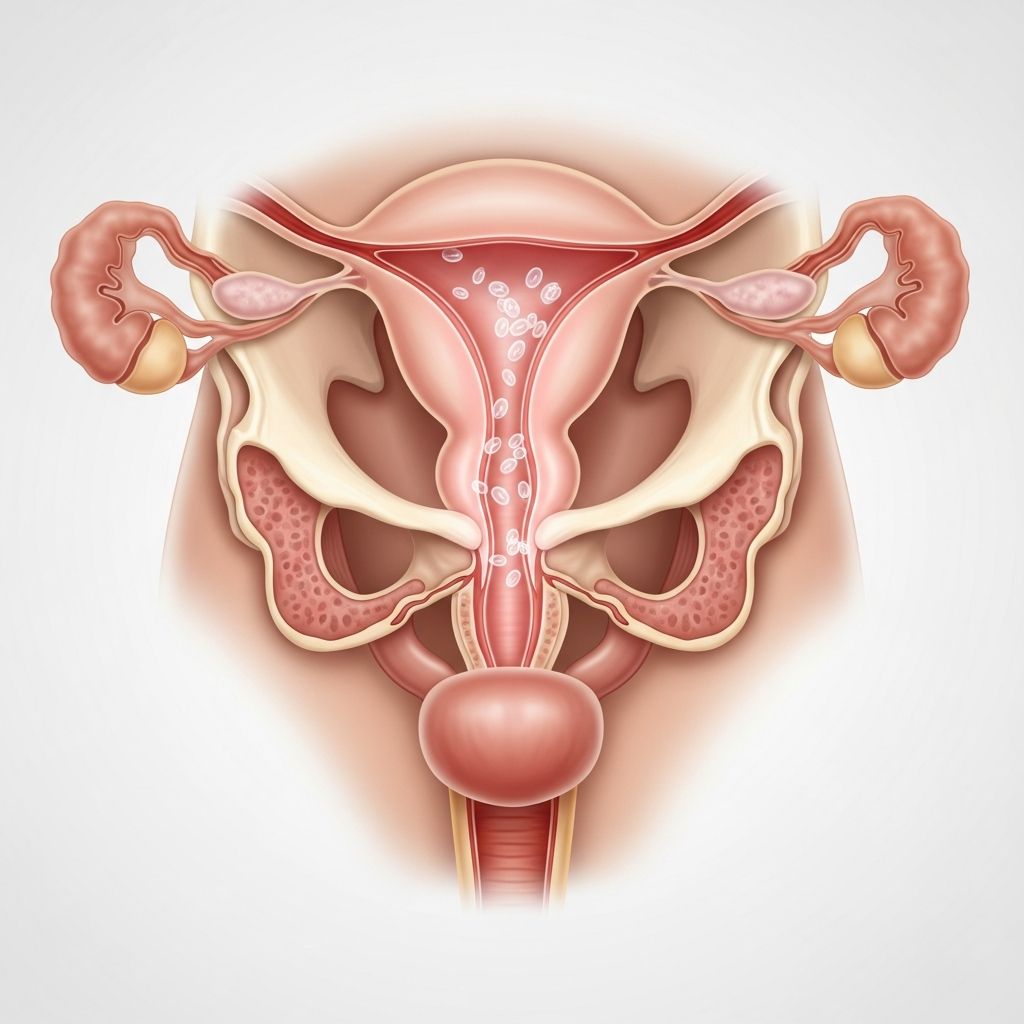
Vaginal yeast infections are very common during the teen years, especially after puberty when hormones and everyday habits start to change. They can feel embarrassing or scary, but they are usually not dangerous and can be treated effectively with the right care. This guide explains what is happening in your body, how to spot the symptoms, and what to do next.
What Exactly Is a Yeast Infection?
A vaginal yeast infection happens when a type of fungus called Candida grows too much in the vagina and vulva (the external genital area). Normally, small amounts of yeast live in the vagina along with healthy bacteria that keep everything in balance. When that balance is upset, yeast can overgrow and cause itching, irritation, and unusual discharge.
This condition is also called vulvovaginal candidiasis. It is not considered a sexually transmitted infection (STI), although it can sometimes appear in people who are sexually active.
How the Vaginal Environment Normally Works
The vagina is naturally self-cleaning. It contains a mix of bacteria and yeast, and most of the bacteria are helpful. These helpful bacteria help keep the vaginal pH slightly acidic, which prevents yeast and harmful bacteria from taking over. Discharge is a normal part of this system and can change during the menstrual cycle.
When something interferes with this natural balance—such as medications, hormone shifts, or irritating products—yeast may multiply more than it should. When that happens, uncomfortable symptoms can follow.
Common Causes and Triggers in Teens
There is rarely a single cause, but several common factors can make a teen more likely to develop a yeast infection.
- Antibiotic use: Antibiotics can kill helpful vaginal bacteria along with the germs they are meant to fight, leaving more room for yeast to grow.
- Hormonal changes: Puberty, menstrual cycles, and hormonal birth control can all shift the vaginal environment in ways that sometimes favor yeast overgrowth.
- Tight or non-breathable clothing: Synthetic underwear or tight leggings hold in moisture and warmth, which yeast loves.
- Wet clothing: Staying in a wet swimsuit or sweaty gym clothes gives yeast extra time in a warm, damp space.
- High sugar levels: People with poorly controlled diabetes or frequent high sugar intake may be more likely to develop yeast infections because yeast feeds on sugar.
- Irritating products: Scented soaps, douches, vaginal deodorant sprays, and perfumed bubble baths can irritate delicate tissue and disturb the natural balance.
- Weakened immune system: Certain medications or health conditions that lower immunity can make yeast infections more frequent or harder to treat.
Typical Symptoms to Watch For
Different people feel symptoms in different ways, and not everyone will have all of them. In many teens, symptoms gradually get more annoying over several days.
- Intense itching in or around the vagina and vulva.
- Burning or stinging, especially when peeing or after scratching.
- Redness, swelling, or soreness of the vulva.
- Thick white discharge that may look clumpy or paste-like. It usually does not have a strong odor.
- Feeling raw or irritated during or after sex (for those who are sexually active).
Light, clear, or white discharge without itching or pain is often normal and related to the menstrual cycle, not an infection. The combination of itching plus irritation is often what makes a yeast infection stand out.
When It Might Not Be a Yeast Infection
Many vaginal problems can feel similar, and it is easy to confuse them. Some infections need very different treatment, so guessing can lead to more irritation or delay proper care.
| Condition | Typical Discharge | Other Clues |
|---|---|---|
| Yeast infection | Thick, white, usually mild or no odor | Intense itching, redness, burning |
| Bacterial vaginosis | Thin, grayish or white, often with a noticeable smell | Odor may be stronger after sex; usually less itching |
| Trichomoniasis (STI) | Yellow-green, sometimes foamy | Strong odor, discomfort, may have pain with sex or peeing |
| Normal discharge | Clear to white, may be stretchy or slightly sticky | Little or no itching, varies with menstrual cycle |
Because these conditions overlap in symptoms, a health professional is the best person to decide what is really going on, especially if this is the first time or the symptoms are severe.
How Doctors Diagnose a Yeast Infection
Getting checked might feel awkward, but the visit is usually quick and straightforward. A clinician will ask questions about symptoms, your period, sexual activity, and any medications you are taking. Then they will examine the outside of the genital area and sometimes the vagina using a small tool called a speculum.
They may collect a small sample of discharge with a cotton swab. The sample can be viewed under a microscope or tested in a lab to look for yeast or other organisms. This step is especially important if infections keep coming back or if previous treatments have not helped.
Treatment Options: What Actually Works
Most uncomplicated vaginal yeast infections in teens can be treated with antifungal medications. These medicines may be used directly in the vagina or taken by mouth. A health professional can help decide which option fits best.
Topical (vaginal) treatments
- Antifungal creams or ointments: Applied to the vulva to reduce itching and irritation.
- Vaginal suppositories or tablets: Placed inside the vagina with an applicator, usually for 1, 3, or 7 nights depending on the product.
These products are widely used and effective for many people. Some are available without a prescription, but it is still recommended to have a proper diagnosis—especially if this is the first time you have these symptoms or if you are unsure what is going on.
Oral medications
Some yeast infections are treated with a prescription pill taken by mouth. This option is often used when symptoms are more severe, keep returning, or when it is hard to use creams or vaginal tablets consistently.
Whichever treatment is chosen, it is important to complete the full course, even if symptoms start to improve earlier. Stopping too soon can allow yeast to regrow.
Self-Care Steps While You Heal
Along with medication, simple changes can make symptoms more bearable and help the area recover faster.
- Wear loose clothing and breathable cotton underwear.
- Avoid scented pads, tampons, and pantyliners.
- Skip bubble baths, scented body washes, and vaginal sprays or douches.
- Gently wash the vulva with warm water; if you use soap, choose a mild, unscented one and rinse well.
- Pat the area dry with a clean towel instead of rubbing.
- Change out of wet swimsuits and sweaty clothing as soon as possible.
- Avoid scratching, which can make irritation worse and slow healing.
Preventing Future Yeast Infections
Not every infection can be prevented, but healthy habits can reduce the chances of repeated problems. Even small changes in daily routine can make a difference over time.
- Choose cotton underwear and avoid wearing tight leggings or skinny jeans every day.
- Sleep without underwear occasionally to allow more air flow.
- Keep blood sugar under control if you have diabetes, working closely with your care team.
- Talk to your clinician if you notice infections starting shortly after every antibiotic course; preventive strategies may be available.
- Use plain, unscented laundry detergent for underwear and rinse thoroughly.
- Avoid daily use of pantyliners unless truly needed, as they can trap moisture.
Yeast Infections and Sexual Activity
Yeast infections are not classified as STIs, but sexual activity can sometimes irritate the area and worsen symptoms. Friction from sex or certain lubricants can make a yeast infection more uncomfortable.
If you are sexually active and have symptoms, it is important to get evaluated. Some STIs can mimic yeast infections and need different treatment. Using condoms and having regular sexual health checkups can help protect against infections and provide chances to ask questions in a private setting.
When to Seek Medical Help Right Away
While many yeast infections are mild, some situations need prompt medical attention. Reaching out early helps you get the right treatment and rules out more serious conditions.
- This is your first time having these symptoms and you are not sure what is wrong.
- You have fever, pelvic or abdominal pain, or feel generally very sick.
- Discharge looks yellow, green, or bloody, or has a strong, unusual odor.
- Over-the-counter treatment did not improve symptoms or made them worse.
- You keep getting yeast infections several times a year.
- You have diabetes, a weakened immune system, or take medicines that affect immunity.
Emotional Side: Embarrassment and Myths
Many teens feel embarrassed to talk about vaginal symptoms, even with trusted adults. It can be tempting to search the internet and try home remedies without telling anyone. While looking up information can be helpful, self-diagnosis is often wrong and may lead to more irritation.
It may help to remember that health professionals talk about vaginal infections every day. To them, this is a routine and important part of caring for patients, not something shameful. Bringing a list of questions or a trusted support person to the visit may make it feel less stressful.
Common Myths About Vaginal Yeast Infections
- Myth: Only people who are sexually active get yeast infections.
Fact: Anyone with a vagina can develop a yeast infection, including people who have never had sex. - Myth: Using scented products keeps the vagina cleaner.
Fact: The vagina cleans itself. Scented soaps, douches, and sprays often irritate and can actually trigger infections. - Myth: All itching means yeast.
Fact: Itching can come from many causes, including other infections, allergic reactions, or skin conditions. A proper diagnosis matters. - Myth: Home remedies like food products are always safe to try.
Fact: Putting food or homemade mixtures into the vagina can upset the natural balance and sometimes introduce new germs.
FAQs About Yeast Infections in Teens
1. Can a yeast infection go away on its own?
Mild infections sometimes improve with lifestyle changes alone, but many continue or return unless treated with antifungal medication. Because symptoms can mimic other conditions, it is safer to check with a clinician rather than waiting for it to disappear.
2. Is it okay to use over-the-counter treatments without seeing a doctor?
Some teens use nonprescription antifungal creams or suppositories. This can be reasonable if a clinician has diagnosed a yeast infection before and the symptoms are familiar and mild. If this is your first episode, if symptoms are severe, or if treatment does not help, professional evaluation is important.
3. Can I go to school or sports practice with a yeast infection?
Most people can still attend school and participate in sports, though they may feel uncomfortable. Wearing breathable clothing, changing out of sweaty gear quickly, and using treatment as prescribed can help you stay active while you recover.
4. Should my partner be treated too?
In many cases, partners do not need treatment unless they have symptoms such as itching, redness, or a rash on the genitals. However, if infections keep coming back, it is important to discuss this with a health professional, who may recommend evaluating and possibly treating partners.
5. How can I talk to a parent or guardian about this?
You might start by focusing on symptoms rather than names, such as, “I have a lot of itching and discomfort down there and want to see a doctor.” If talking in person feels too hard, writing a note or text can be a gentler way to bring it up. Remember that seeking help for your health is responsible, not embarrassing.
Key Takeaways for Teens
- Vaginal yeast infections are common, treatable, and usually not dangerous.
- Symptoms often include itching, irritation, and thick discharge, but other conditions can look similar.
- Proper diagnosis and treatment from a health professional are important, especially for first-time or repeat infections.
- Simple daily habits—cotton underwear, gentle cleansing, and avoiding irritants—can help prevent future infections.
- There is no need to feel ashamed; taking care of your vaginal health is a normal and important part of growing up.