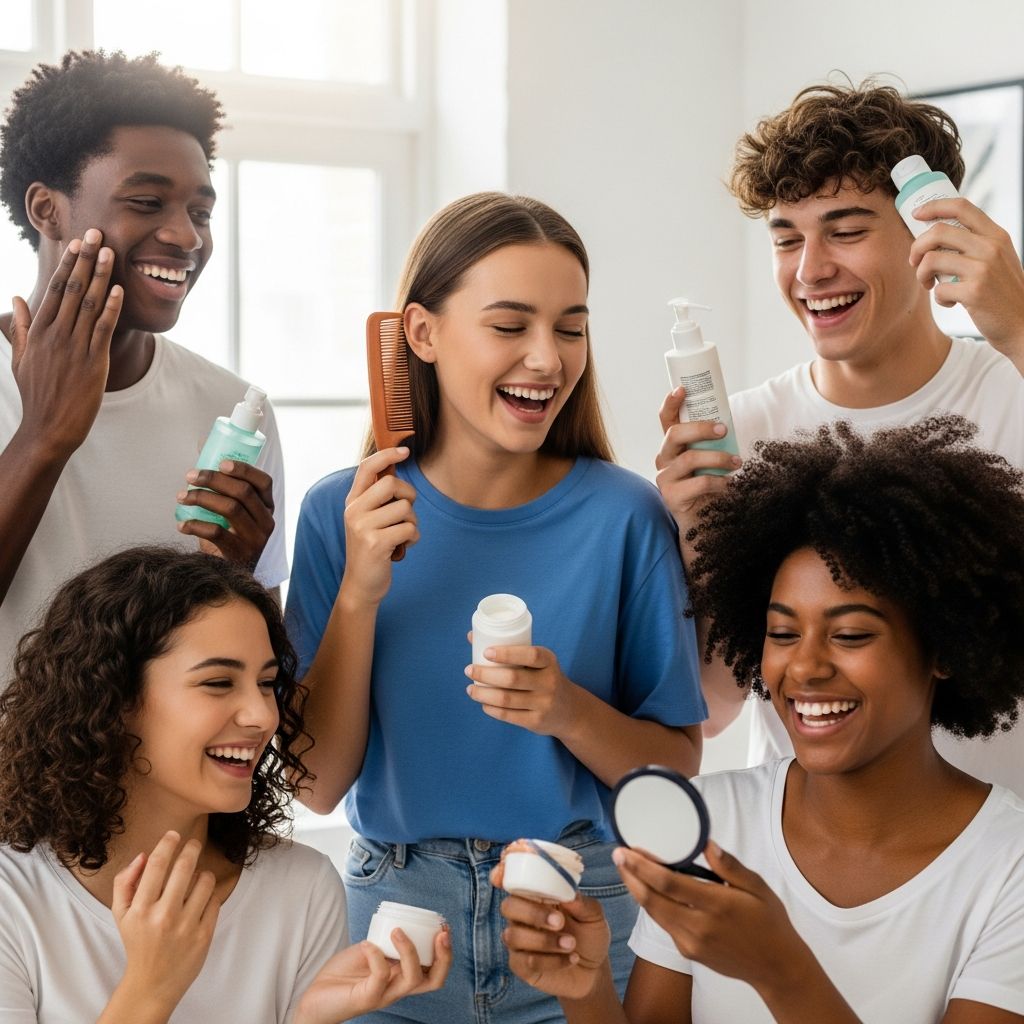
The teenage years bring a surge of hormones that can completely change how skin and hair look and feel, often almost overnight. While that can be frustrating for teens and caregivers, a simple, consistent routine does far more good than complicated product trends or quick fixes.
This guide breaks down what is really happening to teenage skin and hair, how to build low-stress routines, and how parents can support teens without nagging or criticism. It focuses on everyday habits, not perfection, so teens can feel more comfortable in their own skin.
How Puberty Changes Skin and Hair
Puberty triggers an increase in hormones called androgens, which tell oil glands in the skin and scalp to produce more sebum. More oil can protect the skin barrier, but it also sets the stage for clogged pores, breakouts, and greasy hair if not managed well.
At the same time, growth spurts, sweat, friction from sports gear, and new shaving or makeup habits all introduce extra stress to the skin and hair. That is why simple routines that remove sweat, oil, and product buildup are especially helpful during the teen years.
Core Principles of Teen Skin Care
Most teenagers do not need elaborate routines or strong anti-aging treatments. What they benefit from most is a basic structure: gentle cleansing, light moisturizing, smart acne management, and daily sun protection.
When parents and teens understand these pillars, they can add or remove steps based on how the skin feels instead of chasing every new product trend online. This keeps costs lower and reduces the risk of irritation from overusing active ingredients.
Morning: A Simple Start
A morning routine should prepare the skin for the day without stripping it. For many teens, three steps are plenty.
- Gentle cleanse (or plain rinse): Use a mild, non-soap cleanser in lukewarm water, or just rinse if night products were very light and skin is sensitive.
- Light moisturizer: Choose an oil-free or non-comedogenic lotion if skin feels tight or dry after cleansing.
- Broad-spectrum sunscreen: Apply SPF 30 or higher to the face and any sun-exposed areas every morning, even on cloudy days.
Evening: Resetting the Skin
Nighttime is the chance to remove the day’s buildup of sweat, oil, makeup, and environmental debris. A consistent evening routine can make more difference than any occasional mask.
- Thorough but gentle cleanse: Teens who wear makeup or sunscreen may benefit from a first cleanse with a makeup-removing balm or micellar water, followed by a mild cleanser.
- Targeted treatment if needed: Apply acne treatments containing salicylic acid or benzoyl peroxide on breakout-prone areas or individual pimples as directed.
- Moisturizer for balance: Use a simple, fragrance-free moisturizer to reduce dryness from acne medications and keep the skin barrier healthy.
Choosing Products: Less Hype, More Sense
Social media can make teens feel like they need a shelf full of toners, serums, and peels. Dermatology organizations and pediatric health resources repeatedly emphasize that more steps are not automatically better, especially on young, changing skin.
The safest starting point is to avoid harsh scrubs, high-strength acids, and strong retinoids unless a healthcare provider recommends them. Mild formulations, short ingredient lists, and fragrance-free options are usually best for teen routines.
Helpful Label Clues
- “Non-comedogenic” or “won’t clog pores” can be useful for acne-prone or oily skin.
- “Oil-free” is often best for daytime moisturizers and sunscreens for teens with breakouts.
- “Fragrance-free” is generally better than “unscented,” which may still include masking scents.
- Short ingredient lists lower the chance of reactions and make it easier to identify triggers.
Common Teen Skin Types and What Helps
While every teen is unique, certain patterns tend to show up again and again. The table below offers general guidance to start a conversation, not medical advice.
| Skin pattern | Typical signs | Helpful habits |
|---|---|---|
| Oily or acne-prone | Shine by midday, blackheads, whiteheads, or inflamed pimples | Gentle gel cleanser twice daily, non-comedogenic moisturizer, spot treatment with salicylic acid or benzoyl peroxide, daily SPF. |
| Combination | Oily forehead, nose, and chin but drier cheeks | Use mild cleanser; apply lighter lotion on T-zone and slightly richer moisturizer on cheeks as needed. |
| Dry or sensitive | Tightness, flaking, redness, or stinging with many products | Creamy cleanser, fragrance-free moisturizer, avoid scrubs and high-strength acids, daily SPF formulated for sensitive skin. |
| Post-sports breakout areas | Acne where helmets, straps, or tight clothing rub | Shower promptly after activity, use gentle body wash, avoid staying in sweaty gear, consider breathable fabrics. |
Smart Acne Management Without Panic
Acne is one of the most common reasons teens feel self-conscious, yet it is also one of the most treatable skin concerns. Medical and skincare experts describe acne as a combination of extra oil, sticky dead skin cells, and bacteria inside the pores, often made worse by squeezing or harsh scrubbing.
Early, gentle management can minimize scarring and help teens feel more in control. That often matters more emotionally than making every blemish disappear.
Small Changes That Make a Difference
- Hands off the face: Picking, squeezing, or scratching pimples can push inflammation deeper and increase the risk of dark marks or scars.
- Consistency over intensity: Using a mild acne product regularly is safer and more effective than bouncing between strong treatments every few days.
- Clean contact points: Wipe down phones, wash pillowcases, and clean sports helmet padding regularly to reduce surface grime that touches the face.
- Skip harsh scrubs: Rough physical exfoliants can irritate active breakouts; gentle chemical exfoliants applied as directed are usually better tolerated.
When to Seek Professional Help
A dermatologist or pediatric provider should be involved if acne is leaving scars, causing pain, or affecting a teen’s mood or confidence. Many professional guidelines highlight that moderate to severe acne may need prescription creams, oral medications, or other targeted options.
Parents can help by framing a dermatology visit as a normal kind of healthcare, not a sign that the teen has done anything wrong with their routine. This reduces shame and makes teens more receptive to following a treatment plan.
Makeup, Shaving, and Other New Habits
As teens experiment with self-expression, makeup, shaving, and grooming often become part of daily life. These changes can be empowering, but they add new opportunities for skin irritation if not handled thoughtfully.
A simple ground rule is that anything added to the skin during the day should be gently removed at night. Building that habit early protects skin over the long term.
Makeup for Teen Skin
- Look for non-comedogenic, oil-free base products if acne is a concern.
- Encourage spot concealing rather than layering thick foundation over the entire face.
- Make brush and sponge washing a weekly habit to reduce buildup of oil, pigment, and bacteria.
- Remind teens to remove all makeup before bed using a gentle cleanser or a two-step cleanse.
Shaving Without Irritation
- Use a fresh, clean razor and replace blades regularly to reduce nicks and ingrown hairs.
- Apply a shaving gel or cream to damp skin to soften hair and protect the skin surface.
- Shave with the direction of hair growth first, especially for sensitive or acne-prone skin.
- Finish with a light, fragrance-free moisturizer instead of a stinging aftershave.
Teen Hair and Scalp Care Basics
The same hormones that increase facial oil also boost scalp oil, which is why many teens notice greasy roots, more frequent dandruff, or changes in curl pattern during puberty. Dermatology and hair-care resources often recommend focusing on scalp health first, then lengths.
Hair type, texture, and cultural styling practices all affect how often teens should wash their hair and what products they need. There is no single correct schedule, but there are patterns that can help guide decisions.
Matching Habits to Hair Type
| Hair/scalp pattern | Common signs | Supportive habits |
|---|---|---|
| Oily scalp, straight hair | Greasy roots within a day or two of washing | Shampoo every 1–2 days with a gentle formula focused on the scalp; avoid heavy conditioners at the roots. |
| Curly or coily hair | Dry ends, tangles, sometimes itchy scalp | Cleanse less often with a moisturizing shampoo or co-wash, condition generously, and use leave-ins or oils mainly on mid-lengths and ends. |
| Dandruff or flaking | White or yellow flakes on shoulders or scalp, itching | Use an anti-dandruff shampoo as directed and rinse thoroughly; seek medical advice if redness or discomfort persists. |
| Sports and sweat | Sweaty scalp from helmets, hats, or practice | Rinse or wash after intense activity when possible; allow hair to dry fully before putting it back into tight styles. |
Healthy Styling Habits
- Limit high-heat styling tools or use them on lower settings with a heat protectant.
- Avoid wearing tight ponytails, buns, or braids in the exact same spot daily to protect the hairline.
- Detangle gently from ends upward using a wide-tooth comb on damp, conditioned hair.
- Give the scalp occasional “rest days” from heavy gels, sprays, or pomades when possible.
How Parents Can Support Without Nagging
Caregivers often walk a fine line between helping and hovering. Health organizations emphasize that teen independence develops best when adults provide structure and information, then allow teens to take the lead in small, manageable ways.
Approaching skin and hair care as practical self-care, not a judgment on appearance, can reduce defensiveness and encourage more honest conversations.
Practical Ways to Help
- Build routines around existing habits: Link skincare to brushing teeth or showering to make it easier to remember.
- Offer a limited set of choices: Instead of a whole aisle, present two or three appropriate cleansers or moisturizers and let the teen pick.
- Model healthy attitudes: Avoid negative comments about your own or your teen’s appearance; focus on comfort and health indicators like irritation, pain, or itching.
- Normalize professional help: Treat dermatology appointments like eye exams or dental visits when needed, not a last resort.
Frequently Asked Questions
Does every teen need a full skincare routine?
Not every teenager needs multiple products, but almost all benefit from some combination of cleansing, moisturizing if needed, and sun protection. Major skincare organizations highlight that even teens with clear skin should protect against UV exposure to reduce long-term damage.
If a teen has no acne or irritation, a very basic routine is enough, and more steps can be added only if there is a specific concern to address.
Are trendy active ingredients safe for teens?
Ingredients like high-strength acids or retinoids may be helpful in certain acne cases, but experts recommend introducing them cautiously and usually with professional guidance for younger users. Overuse can lead to dryness, peeling, and increased sensitivity.
For many teens, gentle cleansers, light moisturizers, and well-formulated acne spot treatments are enough without layering multiple strong actives.
Can diet or stress cause acne?
Research suggests that hormones and genetics are the main drivers of teen acne, but stress and certain eating patterns may influence flare-ups for some people. Health resources often discuss high-glycemic diets and lack of sleep as possible aggravating factors.
Instead of strict food rules, it is more realistic to encourage balanced meals, regular movement, and adequate sleep, while managing acne separately with topical or medical treatment as needed.
How often should teens wash their hair?
There is no single schedule that fits everyone. Teens with very oily scalps or who play sports may need to shampoo every day or every other day, while those with dry, curly, or coily hair may wash once or twice a week and rely more on conditioner.
The best guide is how the scalp feels: itchy, flaky, or greasy roots can signal that it is time to cleanse, while brittle ends suggest gentler handling or more conditioning.
When is it time to see a dermatologist?
A dermatologist visit is worthwhile if acne is painful, leaves marks, lasts more than a few months despite basic care, or seriously affects mood or self-esteem. Clinical guidance emphasizes that scarring and pigmentation issues are easier to prevent than to reverse.
It is also important to seek professional input for sudden rashes, widespread hair loss, severe dandruff with redness, or any skin change that worries the teen or family.
Helping Teens Own Their Routine
Skin and hair care during the teenage years should not feel like a full-time job. A short, realistic routine that a teen builds and controls can support both physical comfort and emotional resilience through a period of rapid change.
With honest communication, age-appropriate information, and a focus on how skin and scalp feel rather than how they “should” look, families can create routines that prioritize health and confidence over perfection.