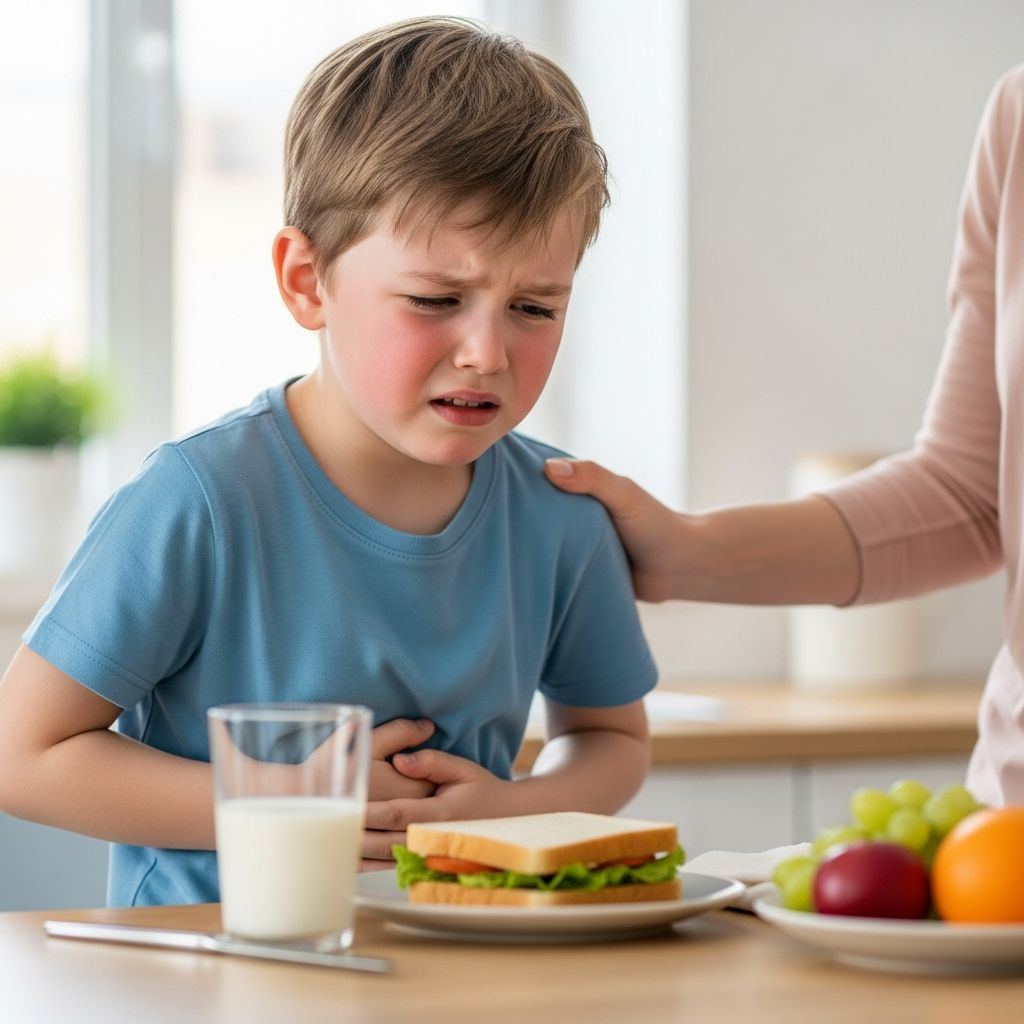
Food poisoning strikes children frequently because their developing immune systems struggle more against harmful bacteria, viruses, and toxins in contaminated food or drinks. Youngsters under age 5 face heightened risks, with symptoms often appearing within hours to days after exposure. This guide breaks down everything parents need to know, from early warning signs to recovery strategies and long-term prevention, empowering you to keep your child’s tummy troubles in check.
Understanding What Causes Food Poisoning
Harmful germs like bacteria, viruses, or parasites sneak into everyday foods through improper handling, undercooking, or contamination during storage. Common culprits include bacteria such as Salmonella, E. coli, and Campylobacter, which thrive in poultry, eggs, unpasteurized dairy, and undercooked meats. Viruses like norovirus spread via contaminated produce or shellfish, while toxins from Staphylococcus aureus or Clostridium botulinum can develop in improperly canned goods.
Children encounter these risks at home, school lunches, picnics, or restaurants. Cross-contamination happens when raw meats touch ready-to-eat foods on the same cutting board, or when hands aren’t washed after handling pet food. Travel abroad amplifies dangers, as unfamiliar water sources or street foods harbor exotic pathogens. Unlike adults, kids’ smaller bodies react faster and more intensely, turning a minor contamination into a major upset.
Key Symptoms to Watch For in Children
Symptoms vary by the invading germ but typically hit the gut hard. Onset can be lightning-fast—30 minutes for toxin-based cases—or delayed up to weeks for certain parasites. Here’s what to look for:
- Nausea and Vomiting: The stomach rebels against toxins, sending queasy waves that lead to forceful puking. This is the body’s purge button, often starting with an uneasy tummy and loss of appetite.
- Diarrhea: Loose, watery stools flush out invaders, but frequent bouts drain fluids rapidly. Watch for blood-tinged output, signaling deeper irritation.
- Abdominal Cramps: Sharp, wave-like pains from inflamed intestines, sometimes with bloating or gas.
- Fever: Mild to moderate heat as immunity kicks in, usually under 101°F but concerning if higher.
- Headache and Fatigue: Toxins trigger inflammation, causing pounding heads and limp weakness from electrolyte dips.
Rare severe signs include dizziness, blurred vision, arm tingling, or breathing trouble—emergency red flags demanding instant care. Duration? Most kids bounce back in 1-10 days, but vigilance is key.
Dehydration: The Silent Danger for Kids
Vomiting and diarrhea team up to siphon fluids and salts, hitting kids hardest due to their higher body water needs and lower reserves. Dehydration sneaks up, turning mild illness severe. Spot these critical markers:
| Symptom | What It Looks Like in Kids | Action Needed |
|---|---|---|
| Dry Mouth | Sticky lips, no saliva | Offer rehydration drinks |
| Sunken Eyes | Hollow, dark circles | Check urgently |
| Low Urine | Fewer wet diapers, dark pee | Monitor hourly |
| Lethargy | No energy, dizziness | Seek doctor |
| Sunken Fontanelle | Soft spot dips in infants | ER if present |
Unchecked, it risks organ strain or worse. Infants and toddlers dehydrate quickest—replace losses with oral solutions like Pedialyte, not plain water or soda.
Home Care: Helping Your Child Recover Safely
Most cases resolve without doctors, focusing on rest and replenishment. Start with clear fluids: broths, electrolyte mixes, or diluted apple juice in small sips to avoid overload. BRAT diet (bananas, rice, applesauce, toast) eases the gut once vomiting stops—bland foods bind stools without irritation.
Comfort measures include:
- Warm baths for cramps
- Acetaminophen for fever/pain (kid doses only)
- Quiet rest in cozy spots
- Hygiene: Frequent handwashing, diaper changes
Avoid anti-diarrheal meds in kids—they trap toxins. Probiotics may shorten symptoms, per some studies, but consult pros first. Track intake/output; improvement signals green light for solids.
When to Call the Doctor or Rush to ER
Not all tummy woes need pros, but these demand action:
- Vomiting >12 hours
- Fever over 101°F with diarrhea
- Severe pain unrelieved by poop
- Bloody stools/vomit
- Black, tarry poop
- Dehydration signs listed above
- Rapid heart, breathing issues
- Recent foreign travel
Doctors assess via history, exam, and stool tests to pinpoint germs. IV fluids fix stubborn dehydration; antibiotics target specific bacteria rarely. Better safe—call if instincts scream worry.
Smart Prevention: Keep Germs Out of Family Meals
Slash risks with kitchen smarts:
- Clean: Wash hands, surfaces, produce rigorously. Separate raw meats.
- Cook: Heat to safe internals—165°F poultry, 160°F ground meats.
- Chill: Fridge at 40°F; freeze extras promptly. Thaw safely.
- Avoid High-Risk: Unpasteurized juices, raw sprouts, runny eggs for kids.
Packed lunches? Ice packs, no mayo in heat. Teach kids: No eating off floors, wash after pets. Global trips? Stick to peeled fruits, bottled water. These habits shield tummies year-round.
Special Considerations for Infants and Toddlers
Babies can’t voice nausea; watch refusals to nurse or fewer diapers. Their dehydration hits faster—soft spot checks are vital. Formula-fed? Sterilize bottles. Breastfed gain antibodies—keep nursing if possible. Daycare hotspots breed norovirus; reinforce hygiene there.
Long-Term Effects and Myths Busted
Rarely, severe cases spark kidney issues or reactive arthritis, but most kids recover fully. Myth: All food poisoning is bacterial—no, viruses rule many outbreaks. Myth: Stomach flu differs—it’s viral gastroenteritis, not always food-linked. Distinguish by clustering: One sick kid? Maybe food. Whole family? Virus likely.
Frequently Asked Questions (FAQs)
Q: How soon do symptoms start after bad food?
A: From 30 minutes (toxins) to weeks (parasites), usually 1-48 hours for bacteria.
Q: Can food poisoning mimic a virus?
A: Yes, symptoms overlap with stomach bugs; doctors use stool tests to confirm.
Q: Is Pepto-Bismol safe for kids?
A: No for under 12; stick to hydration and doctor-approved aids.
Q: How to prevent picnic poisoning?
A: Coolers with ice, cook thoroughly, no creamy salads in sun.
Q: What if my child has allergies too?
A: Allergies cause hives/breathing issues, not diarrhea; differentiate and treat accordingly.
References
- Food Poisoning in Children — JC Peds. 2023. https://www.jcpedsdoc.com/blog/441740-food-poisoning-in-children/
- Food Poisoning in Kids: Key Signs and Remedies — Kidsville Pediatrics. 2023. https://www.kidsvillepeds.com/blog/1183485-food-poisoning-in-children-recognize-respond-and-recover/
- Food Poisoning — Nemours KidsHealth. 2024-01-17. https://kidshealth.org/en/parents/food-poisoning.html
- Food Poisoning — Nationwide Children’s Hospital. 2023. https://www.nationwidechildrens.org/conditions/food-poisoning
- Food Poisoning in Children: What to Know — WebMD. 2024. https://www.webmd.com/food-recipes/food-poisoning/food-poisoning-in-children-what-to-know
- Ask the CPCMG Pediatrician: Food Poisoning — CPCMG. 2023. https://www.cpcmg.net/ask-cpcmg-pediatricianfood-poisoning/
- Food Poisoning (Foodborne Illness) — Mayo Clinic. 2025-06-12. https://www.mayoclinic.org/diseases-conditions/food-poisoning/symptoms-causes/syc-20356230