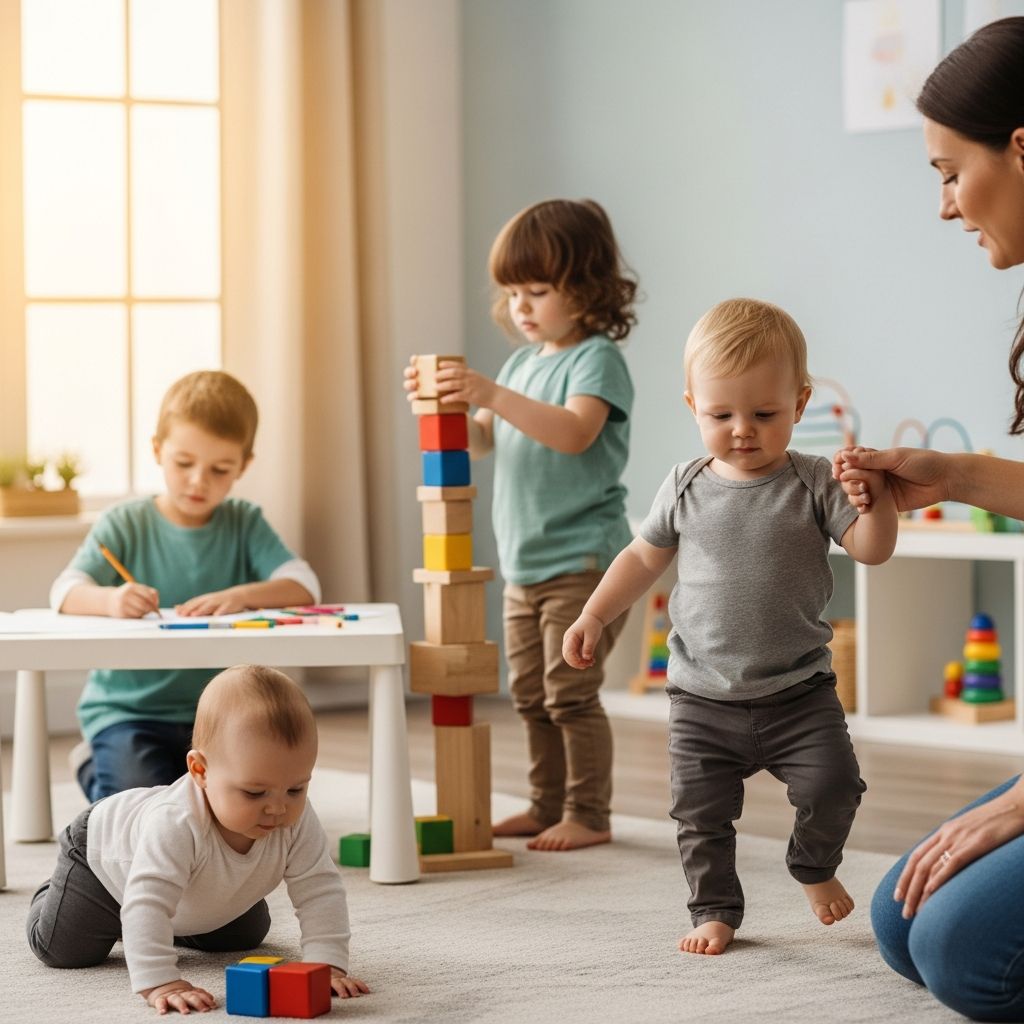
Understanding Peaceful Parenting
Peaceful parenting is a philosophy that centers on empathy, connection, and emotional support rather than control or punishment. It encourages parents to respond to their children’s needs with understanding and patience, fostering a nurturing environment where both children and adults can thrive emotionally and mentally. This approach is not about permissiveness, but about setting clear boundaries with compassion and guiding children through life’s challenges with love and respect.
Core Principles of Peaceful Parenting
- Emotional Regulation: Parents model calmness and self-awareness, helping children learn to manage their own emotions effectively.
- Empathy and Validation: Children’s feelings are acknowledged and respected, which builds trust and self-worth.
- Positive Discipline: Guidance replaces punishment, focusing on teaching and natural consequences rather than fear or shame.
- Connection Before Correction: Parents prioritize emotional connection before addressing behavioral issues, ensuring children feel safe and understood.
- Collaborative Problem-Solving: Children are involved in finding solutions, which fosters independence and confidence.
Benefits for Children
Peaceful parenting has been shown to have a profound impact on children’s emotional and social development. When children feel heard and valued, they are more likely to develop strong self-esteem, resilience, and emotional intelligence. These skills help them navigate challenges, build healthy relationships, and succeed in school and beyond.
Key Advantages
- Improved emotional regulation and stress management.
- Greater self-confidence and independence.
- Enhanced communication and problem-solving abilities.
- Reduced behavioral issues and power struggles.
- Stronger, more trusting relationships with parents.
Benefits for Parents
Peaceful parenting is not only beneficial for children but also for parents. By practicing empathy and self-regulation, parents experience less stress and frustration, leading to a more harmonious family life. This approach encourages mindfulness and patience, helping parents respond thoughtfully rather than reactively to challenging situations.
Parental Advantages
- Reduced parental stress and burnout.
- Improved communication and connection with children.
- Greater sense of fulfillment and confidence in parenting.
- Stronger family bonds and reduced conflict.
Practical Strategies for Peaceful Parenting
Implementing peaceful parenting in daily life requires intention and practice. Here are several evidence-based strategies to help parents create a nurturing and supportive environment:
- Practice Active Listening: Give your full attention when your child speaks, validating their feelings and perspectives.
- Set Clear, Consistent Boundaries: Establish rules with empathy and explain the reasons behind them.
- Use Natural Consequences: Allow children to experience the outcomes of their actions, helping them learn responsibility.
- Model Calm Behavior: Demonstrate how to manage stress and emotions in healthy ways.
- Encourage Independence: Offer choices and support decision-making to build confidence.
- Engage in Playful Interaction: Spend quality time together to strengthen emotional bonds.
Common Challenges and Solutions
While peaceful parenting offers many benefits, it can also present challenges, especially in moments of stress or when children test boundaries. Here are some common obstacles and practical solutions:
| Challenge | Solution |
|---|---|
| Reacting in anger or frustration | Pause and breathe before responding; practice mindfulness techniques. |
| Difficulty setting boundaries | Communicate expectations clearly and calmly; reinforce with empathy. |
| Feeling overwhelmed | Seek support from other parents or professionals; prioritize self-care. |
FAQs About Peaceful Parenting
- What is the main goal of peaceful parenting?
- The main goal is to foster emotional connection, teach healthy behaviors, and support children’s emotional and social development through empathy and positive guidance.
- Does peaceful parenting mean no discipline?
- No, peaceful parenting involves setting clear boundaries and guiding children with compassion, not permissiveness. Discipline is about teaching, not punishing.
- Can peaceful parenting work for all ages?
- Yes, the principles of empathy, connection, and positive discipline can be adapted for children of all ages, from toddlers to teenagers.
- How can I start practicing peaceful parenting?
- Begin by practicing active listening, modeling calm behavior, and setting clear, empathetic boundaries. Seek resources and support as needed.
Conclusion
Peaceful parenting is a transformative approach that nurtures emotional resilience, strengthens family relationships, and supports healthy child development. By prioritizing empathy, connection, and positive discipline, parents can create a supportive environment where both children and adults thrive.