As teenagers approach the threshold of adulthood, many exhibit behaviors that signal their readiness—or resistance to leave home. This period often involves a surge in independence-seeking actions, mood fluctuations, and boundary-testing that can strain family dynamics. Understanding these signs helps parents distinguish normal development from potential concerns, fostering a smoother transition.
Understanding the Drive for Independence
The push for autonomy peaks during late adolescence, typically ages 17-19, as young people prepare for college, jobs, or independent living. Hormonal changes, brain development in the prefrontal cortex, and social influences contribute to this shift. Research on adolescent transitions shows that leaving the parental home correlates with other markers of adulthood, like employment or romantic involvement, often framed within Problem Behavior Theory, which links protective and risk factors to such decisions.
Parents may interpret these behaviors as rebellion, but they often reflect preparation for self-reliance. For instance, increased irritability or withdrawal serves to create emotional distance, essential for eventual separation. Recognizing this as a developmental milestone reduces conflict and supports healthy growth.
Common Behavioral Indicators of Pre-Departure Rebellion
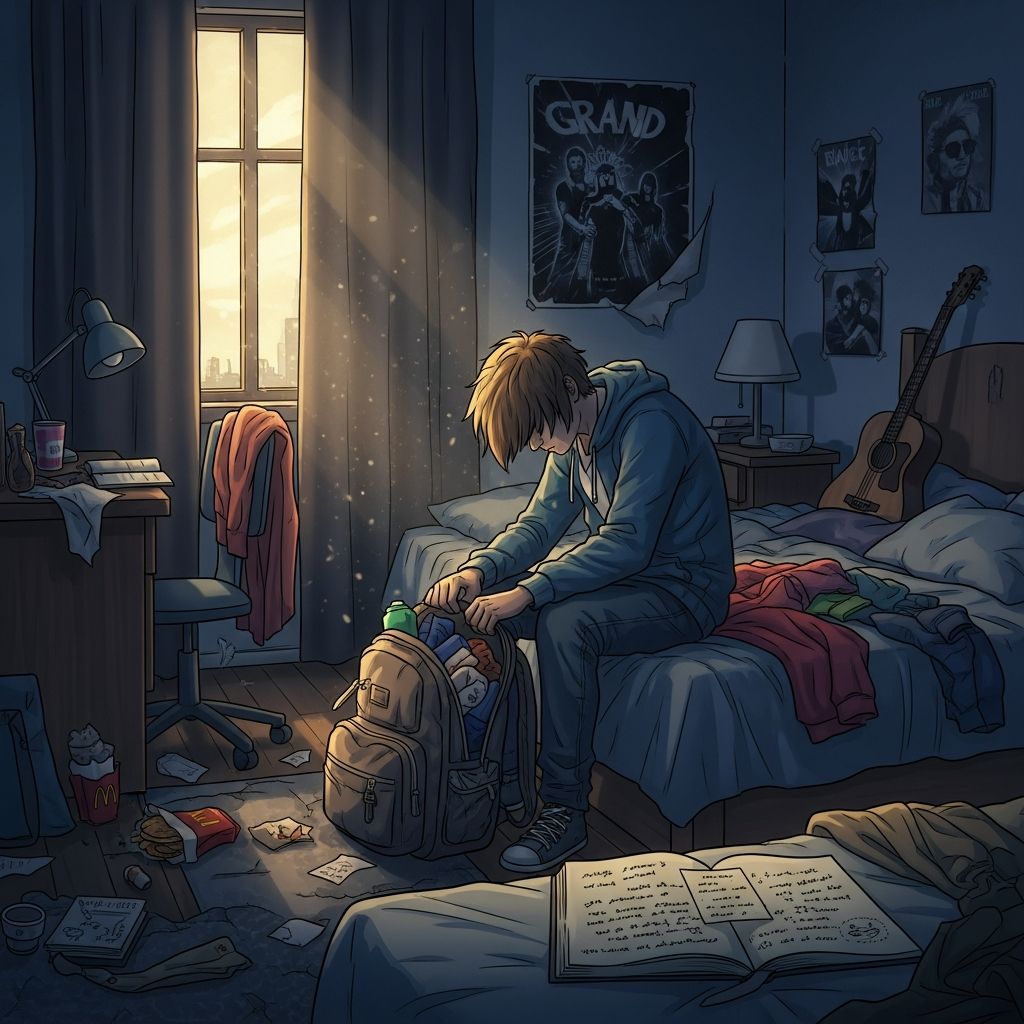
Teens ‘soiling the nest’—disrupting home life to ease their exit—manifest in various ways. Here are key signs:
- Sudden Disinterest in Family Routines: Skipping meals, avoiding shared activities, or spending excessive time isolated in their room. While some privacy is normal, total disengagement from both family and peers signals deeper issues like anxiety.
- Heightened Irritability and Arguments: Frequent clashes over minor issues, defensiveness about plans, or outright defiance. This establishes separateness, but chronic anger toward everyone warrants attention.
- Neglecting Household Responsibilities: Leaving messes, ignoring chores, or procrastinating on preparations like packing. These acts subconsciously make staying home less appealing.
- Social Withdrawal or Over-Reliance on Peers: Pulling away from parents while intensely focusing on friends, or conversely, isolating entirely. Balance is key; extremes may indicate anxiety about the unknown.
- Mood Swings and Emotional Volatility: Rapid shifts from euphoria to despair, often tied to fears of college life or financial independence.
Emotional and Psychological Underpinnings
Beneath surface rebellion lies separation anxiety, common in teens facing major transitions. Symptoms include excessive worry about leaving home, persistent fears of harm befalling family, or physical complaints like headaches and stomachaches when discussing future plans.
| Symptom Type | Examples | Potential Impact |
|---|---|---|
| Behavioral | Clinginess, school refusal, avoidance of solo activities | Disrupted routines, strained relationships |
| Physical | Stomach issues, rapid heartbeat, sleep disturbances | Daily functioning challenges |
| Emotional | Mood swings, panic about separation | Academic decline, social isolation |
Studies highlight that academic pressures, financial worries, and fear of the unfamiliar exacerbate these responses. In resource-limited settings, home-leaving ties to income generation and risk behaviors, underscoring psychosocial influences.
When Normal Rebellion Turns Problematic
Not all changes are benign. Distinguish typical moodiness—irritability balanced with peer engagement—from warning signs like chronic disengagement from all relationships, self-harm hints, or substance experimentation. Research indicates 11% of teens experience diagnosable depression, often masked as anger or withdrawal.
Runaway tendencies or extreme conflicts may stem from abuse, unmet needs, or mental health struggles. If behaviors persist beyond a few months or intensify, professional intervention is crucial.
Strategies for Parents to Navigate This Phase
Support your teen without stifling their growth:
- Open Communication: Schedule non-confrontational check-ins. Validate feelings: “I see you’re excited but nervous about college.”
- Set Clear Boundaries: Enforce chores and respect, framing them as life skills for independence.
- Encourage Coping Tools: Teach mindfulness, journaling, or exercise to manage anxiety. Campus tours and communication plans build excitement.
- Model Healthy Separation: Share your own young adult stories to normalize the process.
- Monitor for Red Flags: Track sleep, appetite, and social changes. Seek therapy if symptoms mimic clinical anxiety.
Building resilience involves balancing support with space. Problem Behavior Theory suggests bolstering protective factors like family support reduces risky early departures.
Long-Term Preparation for Successful Launch
Prepare teens holistically: financial literacy workshops, mock apartment setups, or part-time jobs foster confidence. Involve them in decisions about dorms or budgets to ease fears.
Post-departure, maintain weekly calls without hovering. This sustains bonds while promoting autonomy. Longitudinal data shows strong family ties predict better adjustment.
Frequently Asked Questions (FAQs)
Is my teen’s irritability just a phase?
Yes, if temporary and paired with peer engagement; no, if chronic and isolating. Monitor for depression signs.
How can I tell if it’s separation anxiety?
Look for physical symptoms, excessive worry about family safety, or avoidance of independent activities during transitions.
What if my teen refuses to prepare for college?
Gently guide with tours and plans; address underlying anxiety through coping strategies like exercise.
Should I enforce stricter rules during rebellion?
Balance firmness with empathy—clear expectations build skills without escalating conflict.
When to seek professional help?
If withdrawal persists, grades drop sharply, or self-harm is suspected, consult a counselor immediately.
Building a Bridge to Adulthood
This pre-launch rebellion, though challenging, equips teens for independence. Parents who respond with patience and tools witness smoother separations and thriving young adults. Embrace the mess as a sign of growth.
References
- Helping Your Teen Cope With Anxiety When Moving Out — Clear Behavioral Health. 2023. https://clearbehavioralhealth.com/help-child-cope-with-anxiety-when-they-move-out/
- Adolescent home-leaving and the transition to adulthood — PMC (NCBI). 2013-10-01. https://pmc.ncbi.nlm.nih.gov/articles/PMC3785225/
- When Is Teen Behavior More Than Just a Phase? — Family Restoration Counseling. 2023. https://www.familyrestorationcounseling.com/when-is-teen-behavior-more-than-just-a-phase/
- What Is Separation Anxiety in Teens and How to Manage It? — Moriah Behavioral Health. 2023. https://www.moriahbehavioralhealth.com/what-is-separation-anxiety-in-teens-and-how-to-manage-it/
- Teen Behavior: Normal Moodiness or a Warning Sign? — Pine Rest. 2023. https://www.pinerest.org/newsroom/articles/teen-behavior-moodiness-warning-signs-blog/
- Runaway Teens: Why They Runaway and How to Find Them — Embark Behavioral Health. 2023. https://www.embarkbh.com/treatment/out-of-control-behavior/running-away/
- Understanding and Managing Teen Separation Anxiety — Via Linda Behavioral. 2023. https://vialindabehavioral.com/blog/understanding-and-managing-teen-separation-anxiety/