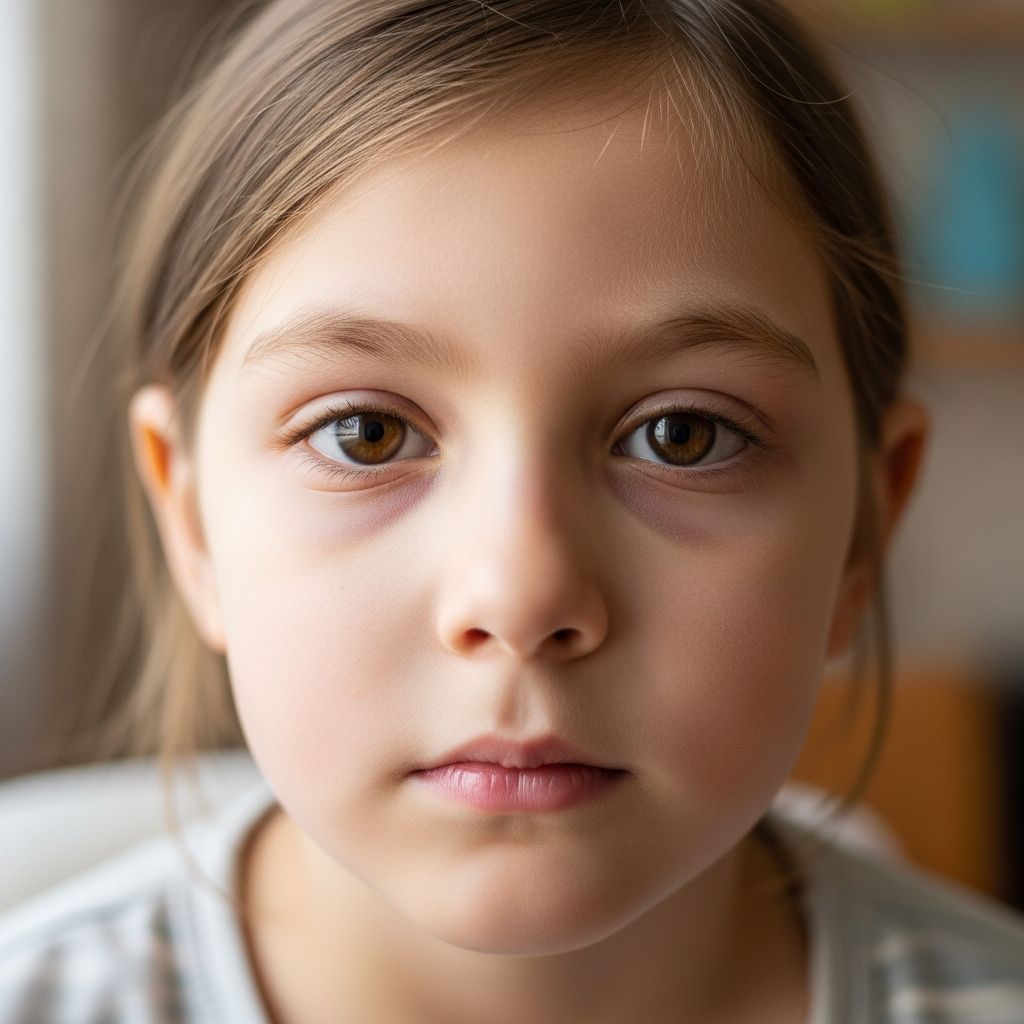
The delicate skin around a child’s eyes can reveal shadowy rings or subtle swelling that worry many parents. These under-eye changes, often called dark circles or bags, stem from benign everyday factors in most cases but occasionally signal underlying concerns. Understanding the root causes empowers parents to address them effectively, promoting healthier skin and overall well-being.
Understanding the Anatomy Behind Under-Eye Changes in Kids
Children’s skin, particularly under the eyes, is remarkably thin—about half the thickness of facial skin elsewhere. This transparency allows underlying blood vessels to show through, creating a bluish or purplish tint. Deoxygenated blood in these vessels appears darker, especially in fair-skinned children where pigmentation is less masking. Puffiness arises when fluid accumulates or veins dilate due to pressure from nearby structures like nasal passages.
When congestion blocks nasal veins, it backs up into orbital veins, darkening the area. Genetics play a role too; some families have inherently thinner periorbital skin or higher melanin deposits. Recognizing this baseline helps distinguish normal variations from treatable issues.
Everyday Triggers: Nasal Issues and Allergies
Nasal congestion tops the list of culprits for sudden dark circles in children. Colds, flu, or upper respiratory infections cause vein dilation around the nose, extending to under-eye areas. The connection between nasal and orbital venous systems means a stuffy nose often manifests as ‘panda eyes.’ Allergies exacerbate this; seasonal pollen or perennial dust mites provoke chronic inflammation, leading to persistent shadowing.
- Colds and flu: Temporary blockage from mucus swells veins, resolving with recovery.
- Allergies: Histamine release causes itching, rubbing, and vessel prominence; common in eczema-prone kids.
- Enlarged adenoids: These tissues behind the nose force mouth breathing, snoring, and chronic congestion.
Eye rubbing from irritation worsens pigmentation through friction-induced melanin production. Parents note these circles intensify during allergy seasons or after viral bouts.
Hereditary Factors: When Genes Dictate Appearance
If parents or siblings sport perennial under-eye shadows without health ties, inheritance is likely. Genetic predispositions yield thinner skin, prominent vessels, or localized hyperpigmentation—termed periorbital hyperpigmentation. This trait persists lifelong but is cosmetic, not pathological. Fair complexions amplify visibility as less melanin conceals vessels.
Crying or fatigue temporarily darkens genetically prone areas by enhancing vessel dilation. Unlike acquired causes, genetic circles remain stable, fluctuating mildly with lifestyle.
Sleep Deprivation and Lifestyle Influences
Just like adults, kids short on rest develop prominent circles. Late-night play, screen time, or resistance to bedtime disrupts circulation, thinning skin appearance. Deoxygenated blood pools more visibly without restorative sleep cycles.
| Lifestyle Factor | Impact on Under-Eyes | Daily Recommendation |
|---|---|---|
| Sleep Duration | Poor circulation, vessel prominence | 9-12 hours/night (ages 3-12) |
| Screen Time | Eye strain, delayed sleep onset | <2 hours/day, none pre-bed |
| Outdoor Activity | Improves circulation | 60 minutes daily |
Dehydration compounds this; insufficient fluids thin skin further, exposing vessels. Encourage water intake, especially post-exercise or illness. Salty snacks retain fluid, puffing bags. Sun overexposure boosts melanin selectively around eyes, darkening fair skin.
Nutritional Gaps and Circulation Problems
Iron-deficiency anemia subtly darkens under-eyes via pallor and vessel visibility. Common in picky eaters or rapid growers, it reduces hemoglobin, tinting skin bluish. Poor circulation from inactivity mirrors this effect independently.
Symptoms like fatigue or paleness warrant blood tests. Iron-rich foods—spinach, lean meats, fortified cereals—help, but supplements need physician oversight.
Uncommon but Serious Underlying Conditions
Most circles are harmless, yet rare flags demand attention. Chronic snoring from adenoids may require evaluation. Neuroblastoma, a pediatric cancer, occasionally presents with proptosis-mimicking circles, but comprises <6% of childhood malignancies and shows other signs like abdominal masses.
Eye rubbing signaling allergies or atopic conditions like keratoconjunctivitis merits ophthalmology checks. Persistent, asymmetric, or painful changes prompt urgent pediatric consultation.
Practical Strategies for Prevention and Relief
Address root causes for fading effects:
- Nasal care: Saline rinses, humidifiers for congestion; antihistamines for allergies.
- Sleep hygiene: Consistent routines, dark rooms, no screens.
- Hydration/nutrition: 4-6 cups water daily; balanced iron-vitamin C meals.
- Skin protection: Sunscreen, cool compresses reduce swelling.
Avoid unproven creams on kids; gentle cleansing suffices. Track patterns via photos to discuss with doctors.
Deciding When Professional Evaluation is Needed
Consult if circles:
- Appear abruptly or asymmetrically.
- Accompany fever, weight loss, bruising.
- Persist despite rest, hydration.
- Pair with snoring, mouth breathing, growth delays.
Pediatricians assess via history, exam; tests like CBC for anemia or imaging rarely needed. Early intervention prevents complications.
Frequently Asked Questions (FAQs)
Q: Are dark circles under my child’s eyes always a sign of illness?
A: No, often they’re due to genetics, allergies, or fatigue. Monitor for persistence or symptoms.
Q: Can diet alone fix under-eye bags in kids?
A: It helps with anemia or dehydration causes, but address allergies or sleep too.
Q: Is it safe to use eye creams on children?
A: Generally not; opt for lifestyle fixes. Consult dermatologists for persistent pigmentation.
Q: How long do allergy-related circles last?
A: Until triggers resolve; manage with avoidance and meds.
Q: Do fair-skinned kids get worse circles?
A: Yes, thinner skin shows vessels more prominently.
This comprehensive guide equips parents to navigate under-eye concerns confidently. Most resolve simply; vigilance ensures timely care.
References
- Dark circles under eyes in kids: 5+1 causes — Vita4you. 2023. https://www.vita4you.gr/blog-vita4you/en/item/dark-circles-under-eyes-in-kids-5-1-causes.html
- Dark Circles Under a Child’s Eyes: Causes and Treatment — WebMD. 2025-01-15. https://www.webmd.com/children/dark-circles-under-eyes-in-child
- Dark Circles in Kids: Common Causes and When to Take Action — University of Utah Health. 2026-01. https://healthcare.utah.edu/the-scope/kids-zone/all/2026/01/dark-circles-kids-common-causes-and-when-take-action
- What Causes Dark Circles Under Eyes in Kids? — Healthline. 2024-08-20. https://www.healthline.com/health/childrens-health/dark-circles-under-eyes-kids
- Dark circles under the eyes for kids — Medical News Today. 2023-11-10. https://www.medicalnewstoday.com/articles/dark-circles-under-eyes-for-kids
- Dark circles under the eyes — AboutKidsHealth (Hospital for Sick Children). 2024. https://www.aboutkidshealth.ca/dark-circles-under-the-eyes