Every time you sit down to eat, you are giving your body instructions. You can choose food that helps you stay energized, focused in class, and strong for sports, or food that leaves you tired and sluggish. A simple way to make better choices is to think about what your plate looks like at most meals.
This guide explains how to turn your plate into a visual roadmap for smarter eating. You will learn what to put on your plate, how much you really need, and practical tips for school days, sports, and busy schedules.
Why Your Plate Matters So Much in Your Teen Years
The teen years are a time of rapid growth, changing hormones, and packed schedules. Your body is building bone, muscle, and even parts of your brain at top speed, which means it needs the right mix of nutrients on a regular basis.
- Growth and development: Protein, calcium, iron, and vitamins help your bones lengthen, your muscles get stronger, and your organs work properly.
- Energy and focus: Balanced meals keep your blood sugar more stable so you can pay attention in class and not feel like napping by midafternoon.
- Long-term health: The habits you practice now can lower your risk for health problems like diabetes, heart disease, and weak bones later in life.
Instead of counting every calorie or memorizing long lists of rules, you can use the layout of your plate as a quick visual reminder of what your body needs most often.
The Teen Power Plate: A Simple Visual Formula
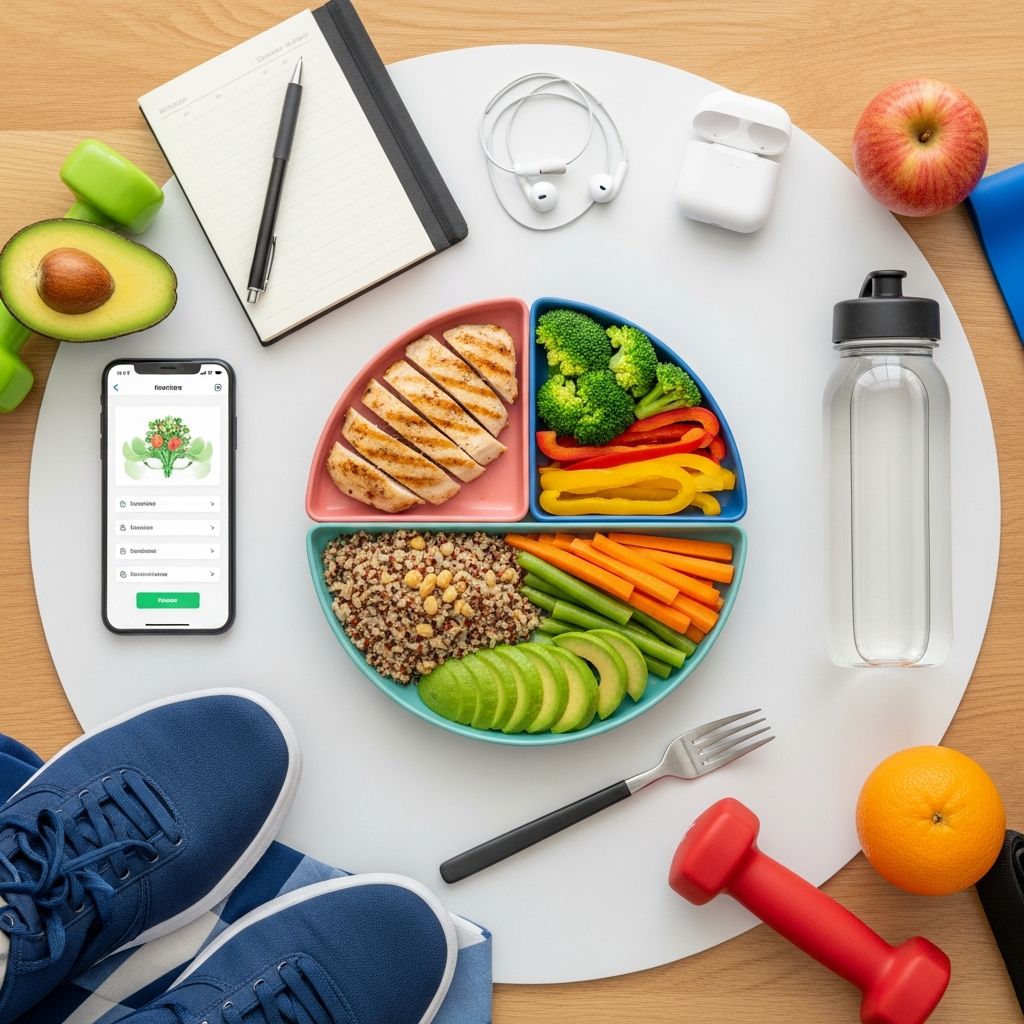
Imagine your plate (or bowl) as a circle divided into sections. Rather than being exact or rigid, this is a flexible guideline you can adapt to different meals and cultural foods.
- About half the plate filled with colorful plants (vegetables and fruits).
- About one quarter from grains or starchy foods, with an emphasis on whole grains.
- About one quarter from protein-rich foods like beans, eggs, fish, lean meats, tofu, nuts, or seeds.
- A side serving of dairy or a fortified alternative for bone-building nutrients.
This layout stays the same whether you are eating stir-fry, tacos, pasta, or a lunchbox sandwich. You simply swap in the foods you like from each group to fill those sections.
Plant Power: Veggies and Fruits Front and Center
Plants take up the largest part of the Power Plate for a reason: they pack a huge amount of vitamins, minerals, water, and fiber into relatively few calories. That means they help you feel full, support your immune system, and protect every cell in your body.
How to Boost Vegetables Without Feeling Deprived
Vegetables are often the hardest group for teens to fit in, but they can be much more interesting than plain salad on the side. Mixing colors and textures keeps veggies from being boring.
- Add shredded carrots, lettuce, or sliced cucumbers to sandwiches and wraps.
- Toss a handful of spinach or frozen mixed vegetables into pasta, ramen, or scrambled eggs.
- Dip raw veggies like bell pepper strips or snap peas into hummus, salsa, or yogurt-based dips.
- Ask for extra vegetable toppings on pizza, tacos, or burrito bowls.
Aim to see some kind of vegetable at lunch and dinner most days. Over a week, try to rotate different colors like dark greens, orange, red, purple, and white.
Making Fruit Your Go-To Sweet Snack
Fruit offers natural sweetness along with fiber and hydration, making it a great swap for candy or pastries when you want something sweet. Whole fruits tend to be more filling than juices or sugary smoothies.
- Keep easy-grab options around, such as apples, bananas, mandarins, or grapes.
- Top cereal, oatmeal, or yogurt with sliced berries or banana instead of using extra sugar.
- Blend frozen fruit with milk or a dairy alternative for a simple smoothie.
- Choose fruit packed in water or its own juice instead of heavy syrup when eating canned fruit.
If you do drink juice, keep portions small (for example, a small glass) and treat it more like a flavor accent, not a bottomless drink.
Grains and Starches: Steady Energy, Smarter Choices
Grains and starchy foods are a major source of energy for your brain and muscles. Choosing whole versions more often gives you more fiber and nutrients than highly processed versions, which are digested quickly and may leave you hungry again soon.
What Makes a Grain “Whole”?
Whole grains still contain all parts of the original grain. That means more fiber, B vitamins, and minerals. Refined grains have had parts removed, which also removes many nutrients and most of the fiber.
| Whole-Grain or Higher-Fiber Option | More Processed Option |
|---|---|
| Oatmeal or rolled oats | Sweetened instant cereal |
| Brown rice or wild rice | White rice |
| Whole-wheat bread or tortillas | White bread or flour tortillas |
| Whole-grain pasta | Regular pasta |
| Air-popped popcorn (lightly seasoned) | Chips and many snack crackers |
You do not have to give up white bread or white rice completely. Just try to make at least half of your regular grain choices whole or higher-fiber versions across the day.
How Much Grain Belongs on Your Plate?
On the Power Plate, grains or starchy foods fill about one quarter of your plate. On days when you are very active or involved in sports, you might naturally eat a bit more, but filling half your plate with grains and barely any plants is usually a sign that other food groups are being squeezed out.
- Use one slice of bread or one tortilla and pile on veggies and protein rather than stacking multiple layers of bread.
- Balance a big bowl of pasta with extra vegetables and protein instead of eating only noodles and sauce.
Protein Foods: Building Muscle, Blood, and More
Protein-rich foods supply building blocks that your body uses to repair and grow muscles, make hormones, and carry oxygen in your blood. Teens often think of protein only as meat, but many foods fit in this group.
Protein Choices Beyond Just Meat
Including different protein sources over the week gives your body a mix of nutrients and can make meals more interesting. Some protein foods also provide healthy fats, iron, or calcium.
- Animal-based: Chicken, turkey, lean beef or pork, fish, eggs, yogurt, cheese.
- Plant-based: Beans, lentils, chickpeas, tofu, tempeh, nuts, nut butters, seeds, soy milk.
- Combination foods: Bean burritos, hummus with whole-grain crackers, yogurt with nuts.
When choosing meat or poultry, try to pick leaner cuts and limit options that are heavily fried or loaded with creamy sauces and extra cheese.
Fitting Protein Into Every Meal
On the Power Plate, protein makes up about one quarter of your plate. Including some at each meal and most snacks can keep you fuller longer and support active muscles.
- At breakfast, include an egg, yogurt, nut butter, or a handful of nuts.
- At lunch, add beans to a salad, choose a turkey or cheese sandwich, or pack leftovers with chicken or tofu.
- At dinner, include a palm-sized portion of fish, chicken, lean meat, or a generous scoop of beans or lentils.
If you follow a vegetarian or vegan eating pattern, pay extra attention to including beans, lentils, tofu, tempeh, nuts, and seeds regularly so that you are still meeting your protein needs.
Bone Builders: Dairy and Fortified Alternatives
Your bones are busy storing calcium and other minerals throughout your teen years. By late adolescence, much of your peak bone mass is set, so it is important to give your skeleton enough raw material now.
Where to Find Calcium and Vitamin D
Dairy products and fortified drinks are common sources of calcium and vitamin D. If you cannot or choose not to consume cow’s milk, there are still many ways to support your bones.
- Cow’s milk, yogurt, and cheese that are low-fat or fat-free.
- Fortified soy beverages and soy yogurt.
- Calcium-set tofu, some fortified juices, and certain breakfast cereals.
- Dark leafy greens like collard greens or kale, along with beans and almonds, can also contribute some calcium.
Most teens benefit from including some source of calcium several times a day. That could look like a glass of milk at breakfast, yogurt as a snack, and cheese or fortified plant milk later in the day.
Drinks, Sweets, and Extras: Enjoying Them Wisely
Sweet drinks, desserts, and salty snacks can easily crowd out healthier foods if they take up too much room on your plate or in your cup. You do not have to avoid them forever, but treating them as “sometimes” extras helps keep your overall eating pattern balanced.
Choosing Hydration That Helps, Not Hurts
What you drink adds up quickly across the day. Sugary drinks can quietly deliver a lot of calories with very few nutrients, and they do not make you feel as full as solid food.
- Make water your main drink at school, practices, and home.
- Keep sports drinks for long, intense activities; for most casual exercise, water is enough.
- Choose plain milk or unsweetened fortified alternatives instead of heavily sweetened flavored versions most of the time.
If you like flavor, try adding slices of fruit, cucumber, or a splash of 100% juice to a glass of water instead of drinking soda or energy drinks every day.
Snacks That Actually Support Your Goals
Snacks are not just “extras” for teens; they often fill huge gaps between meals. The key is picking snacks that combine at least two food groups, such as a plant plus a protein or grain.
- Apple slices with peanut butter or another nut butter.
- Yogurt topped with fruit and a sprinkle of granola.
- Whole-grain crackers with cheese or hummus.
- Trail mix made with nuts, seeds, and a small amount of dried fruit.
Save heavily processed sweets, pastries, and candy for special occasions or small portions, and try not to let them replace more nourishing choices day after day.
Putting It All Together: Sample Teen Power Plates
Balanced eating does not mean perfect eating. It means that across the day, most of your meals and snacks reflect the Power Plate pattern, even if a few meals are more flexible or fun.
School-Day Breakfast Ideas
Your morning meal sets the tone for the day. Aim for a mix of plants, grains, and protein to keep hunger away until lunch.
- Whole-grain toast with scrambled egg, sliced tomato, and a glass of milk or fortified soy drink.
- Oatmeal cooked with milk, topped with banana slices and a spoonful of peanut butter.
- Yogurt parfait layered with berries and a small handful of whole-grain cereal.
After-School and Practice Plates
Afternoons and evenings are when many teens play sports, work, or do homework. Fueling well during this time can make a big difference in energy and mood.
- Before practice: A banana with a small handful of nuts or a whole-grain granola bar with water.
- After practice: A plate with grilled chicken or beans, brown rice or potatoes, and a big serving of vegetables, plus a serving of dairy or alternative.
- On late nights: Simple options like veggie omelets, bean and cheese quesadillas on whole-grain tortillas, or leftover stir-fry can keep you from relying only on instant noodles or fast food.
Making Healthy Eating Work in Real Life
Knowing what your plate should look like is only the first step. The real challenge is fitting these ideas into your actual life, with school, activities, friends, and maybe a limited budget.
Time-Savers and Budget-Friendly Moves
You do not need fancy ingredients or hours of cooking to eat better. Planning even a little can help you build Power Plates more often.
- Use frozen vegetables and fruits; they are often cheaper and just as nutritious as fresh ones.
- Cook once, eat twice: Turn extra grilled chicken, beans, or rice into wraps, salads, or bowls the next day.
- Pack simple lunches with at least three food groups: for example, a turkey sandwich, baby carrots, and a piece of fruit.
- Keep basic staples on hand: oatmeal, eggs, beans, pasta, rice, frozen vegetables, and peanut butter can become many different meals.
Eating Away From Home Without Stress
Restaurants, school cafeterias, and friends’ houses are a big part of teen life. Instead of feeling like healthy eating is impossible there, focus on small tweaks that keep your plate closer to the Power Plate pattern.
- Add a side salad, fruit cup, or vegetables to fast-food meals when possible.
- Choose grilled, baked, or roasted options more often than fried.
- Share extra-large portions or take part of the meal home instead of forcing yourself to finish everything at once.
- Order water or milk instead of large sugary drinks most of the time.
Remember that one meal does not define your entire eating pattern. Aim for balance over the whole day or week, not perfection at every bite.
Teen Nutrition FAQs
Do I really need to think about this if I feel fine now?
Even if you feel okay today, your eating pattern is shaping your body for the future. Bones, muscles, and organs depend on consistent nutrients, not just occasional healthy meals. Building better habits now makes it much easier to stay healthy as you get older.
Is it bad to eat fast food or sweets?
Fast food and sweets do not have to be completely off-limits. The goal is to let them be occasional extras, not the main part of most meals. When you do have them, consider balancing the rest of your day with more plants, lean protein, and water.
How can I tell if a meal is balanced without measuring or weighing food?
Look at your plate and ask three quick questions: Do I see some vegetables or fruit? Is there a clear source of protein? Is there a grain or starch, preferably whole? If the answer to all three is yes and portions look reasonable, you are probably close to the Power Plate pattern.
What if my family eats different traditional or cultural foods?
Healthy eating can work with almost any cuisine. Instead of changing your culture’s dishes, think about how each food fits into the plate sections: which parts are plants, which are grains or starches, and which provide protein or dairy. You can then adjust portions and add missing pieces while still enjoying familiar flavors.
How often should I eat during the day?
Most teens feel best with three main meals and one or two snacks, spaced out so that they are not going more than about four hours without eating. The exact timing depends on your schedule and activity level, but skipping meals often leads to overeating later and low energy in between.
Start With One Plate Today
Changing your entire eating pattern overnight is not realistic, and it is not necessary. Instead, choose one meal today and see how close you can get it to the Power Plate layout: half plants, one quarter grains, one quarter protein, plus a source of bone-building calcium.
Once that feels normal, make the same shift in another meal or snack. Over time, these small changes add up to a strong, energized body that can handle everything your teen years throw at you.