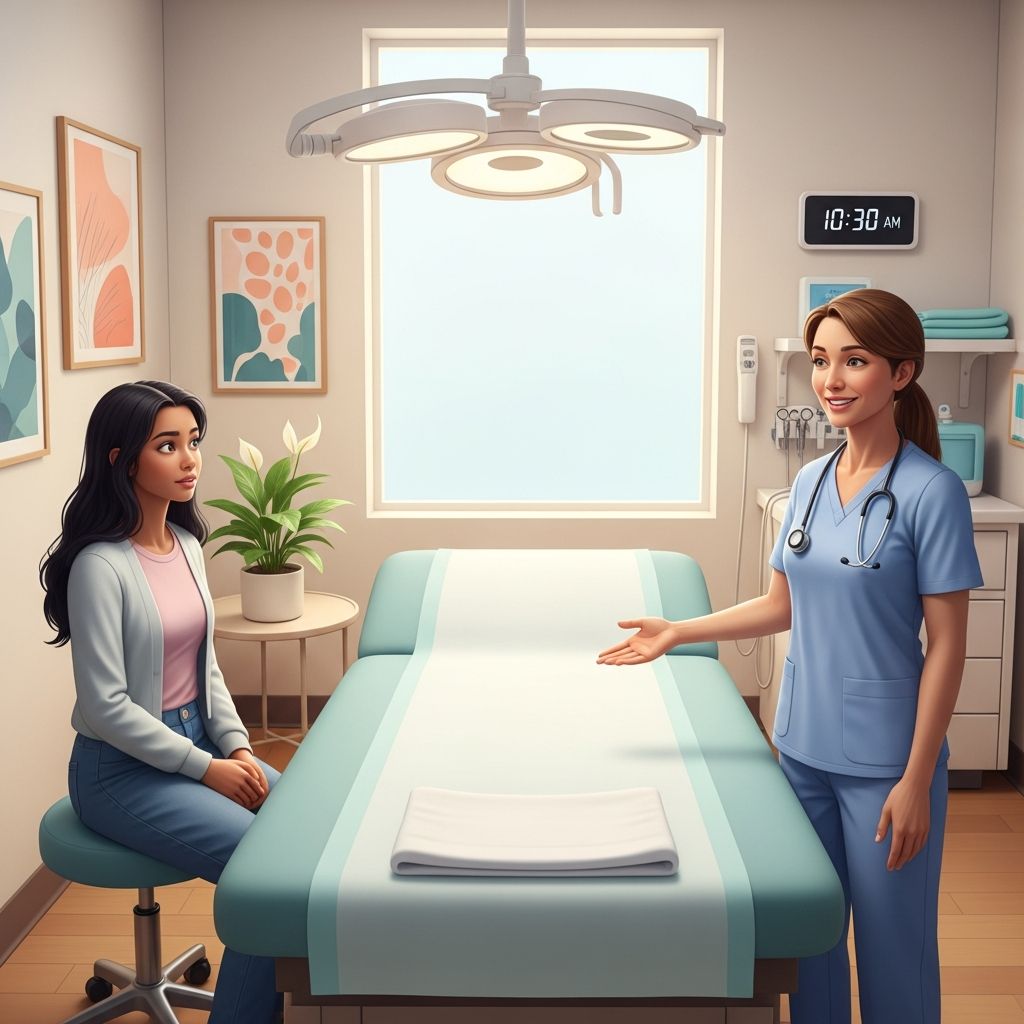
Hearing that it is time for a pelvic exam can feel intimidating, especially if you are a teenager and have never had any kind of gynecologic visit before. This guide explains in simple language what a pelvic exam is, why a health care provider may recommend it, and what you can expect at every step so you feel informed and more in control of your own health.
What Is a Pelvic Exam?
A pelvic exam is a health check of the organs and tissues in and around your reproductive system. These include the vulva (the outside genitals), the vagina, the cervix, the uterus, and the ovaries. The goal is to make sure everything looks and feels healthy and to investigate any symptoms you may be having, like pain, unusual bleeding, or discharge.
Pelvic exams are usually done by a gynecologist, adolescent medicine specialist, family doctor, or nurse practitioner. During the visit, a nurse or medical assistant is often in the room as a chaperone. You have the right to ask questions, say if something hurts, and request that the provider slow down or stop.
- Pelvic exams are medical procedures focused on your health, not your appearance.
- They are usually brief, and most of the appointment is actually talking.
- Many teens never need a full internal exam unless there is a specific medical reason.
When Might a Teen Need a Pelvic Exam?
There is no single age when every teen must get a pelvic exam. Instead, providers base the decision on your symptoms, medical history, and questions about sexual health. Some routine gynecologic visits for teens involve only a conversation and an external check, without an internal pelvic exam.
A pelvic exam might be recommended if you have certain concerns or risk factors. Even then, you can ask the provider to explain why it is needed and whether there are any alternatives.
Common Reasons a Pelvic Exam Is Suggested
- Severe or very painful menstrual cramps that do not improve with basic treatments.
- Periods that are extremely heavy, irregular, or suddenly change from your usual pattern.
- Pelvic pain that does not go away or gets worse over time.
- Unusual vaginal discharge, itching, burning, or a strong odor.
- Bleeding between periods or after sexual activity.
- Concerns about sexually transmitted infections (STIs).
- Previous problems with reproductive organs, such as ovarian cysts or structural issues.
In some cases, tests for infections can be done through urine samples or swabs you collect yourself, so an internal exam is not always necessary. Talking honestly with the provider helps them choose the simplest option that still protects your health.
Preparing for Your Appointment
Good preparation can lower anxiety and help the visit go more smoothly. You do not need to do anything elaborate or painful to get ready. The main goal is to arrive informed and comfortable enough to communicate clearly with your health care provider.
Practical Tips Before You Go
- Write down your questions in advance so you do not forget them.
- Know the first day of your last period and how long your cycles usually last.
- Make a list of any medicines, vitamins, or supplements you take.
- Decide whether you want a parent, guardian, or trusted friend in the room or prefer to talk to the provider alone.
- Wear comfortable clothes and underwear that are easy to take on and off.
There is no need for special cleaning products, douching, or perfumed sprays; these can actually irritate the vaginal area. A normal shower or bath is completely enough. If you are on your period, the exam can often still be done, but you can call the office ahead to ask what they prefer.
What Happens Before the Actual Exam?
The pelvic exam part of the visit is usually quite short. Most of the time is spent on check-in steps, basic measurements, and a private discussion about your health and concerns. Understanding these steps ahead of time makes the process feel more routine and less mysterious.
Check-In and Health History
- You sign in and may be asked to show an insurance card if you have one.
- A staff member may check your height, weight, and blood pressure.
- You might be asked for a urine sample, especially if pregnancy or infection is a concern.
- The provider or nurse will review your medical history and ask questions about periods, symptoms, and sexual activity, if any.
In many places, teens can talk with the provider alone for part of the visit, even if a parent comes with them. This private time makes it easier to ask questions about sex, birth control, or other sensitive topics without feeling watched or judged.
Step-by-Step: During the Pelvic Exam
The pelvic exam itself usually lasts only a few minutes. It may involve one or more parts: an external exam of the vulva, an internal exam using a speculum, and a bimanual exam that checks the uterus and ovaries with the provider’s hands. You can ask the provider to explain each part before it happens.
External Exam
For the external portion, you lie on an exam table, usually with your feet in footrests called stirrups and your body covered by a drape for privacy. The provider gently looks at the skin of the vulva, the outer lips (labia), and the opening of the vagina and urethra. They may lightly touch the area with gloved hands.
- The provider checks for redness, swelling, sores, or unusual discharge.
- This part does not involve anything going inside the vagina.
- You can ask to adjust your position if something feels uncomfortable.
Speculum Exam (Looking Inside the Vagina)
If an internal look is needed, the provider may use a smooth instrument called a speculum. It is usually made of plastic or metal and is designed to gently separate the vaginal walls so the cervix can be seen. Many providers warm the speculum or use lubricant to make the process more comfortable.
- You are asked to relax your legs and take slow, deep breaths.
- The speculum is gently inserted into the vagina while closed and then opened slightly to create space.
- The provider may collect small cell samples or fluid with a soft brush or swab.
This part of the exam can feel like pressure or fullness but should not be sharply painful. If you feel pain, say something immediately; the provider can adjust the angle, use more lubricant, or stop the exam altogether.
Bimanual Exam (Feeling the Uterus and Ovaries)
Sometimes, the provider also needs to feel the size, shape, and position of the uterus and ovaries. To do this, they place one or two lubricated, gloved fingers into your vagina while pressing on your lower abdomen with the other hand. This allows them to gently hold the organs between their hands.
- You may feel a firm pressure inside and on your belly at the same time.
- The exam is usually very brief and should not cause sharp or lasting pain.
- If anything hurts or feels too intense, speak up right away so the provider can change their approach.
Common Feelings: Embarrassment, Fear, and Pain Concerns
Worrying about embarrassment or pain is completely normal before a first pelvic exam. Many teens are nervous about being undressed or having a stranger look at such private parts of their body. Remember that health care providers do these exams every day and view them as a routine part of their job.
Talking openly about your worries at the start of the appointment can make a big difference. Most providers are happy to explain things slowly, show you the speculum before using it, or let you pause between steps.
Ways to Reduce Stress During the Exam
- Practice slow, deep breathing as the exam begins.
- Ask the provider to talk through each step before it happens.
- Focus your eyes on a point on the ceiling or listen to calming music, if allowed.
- Bring a support person if that makes you feel safer.
- Remind yourself that the exam is short and is being done to protect your health.
Your Rights: Consent, Privacy, and Respect
Even as a teen, you have important rights during medical visits. You should always be treated with respect and given clear explanations that match your age and understanding. You are allowed to ask questions and to say when something does not feel okay.
Key Rights to Remember
- You can ask what each part of the exam is for and how long it will take.
- You can request that a parent, guardian, or friend stay in the room, or that they step out for private conversation.
- You can ask for a provider of a particular gender, if available.
- You can say “stop” at any time during the exam.
- You can ask for your medical information to be kept confidential within the limits of local laws.
After the Exam: What to Expect
When the pelvic exam is over, the provider removes the speculum (if it was used) and lets you sit up and get dressed. They then talk with you about what they saw or felt, answer any remaining questions, and explain whether any tests were done that will need follow-up.
It is common to feel a little crampy or notice light spotting if a sample of cells was taken from the cervix. This usually stops quickly. If you have strong pain, heavy bleeding, or unusual symptoms afterward, contact the clinic for advice.
Typical Follow-Up Steps
- Receiving lab results by phone portal, mail, or a later appointment.
- Getting recommendations for treatment if an infection or other issue is found.
- Talking about birth control options, period management, or STI protection as needed.
- Scheduling your next routine check-up or follow-up visit.
Quick Reference Table: Pelvic Exam at a Glance
| Stage | What Happens | How It May Feel | What You Can Do |
|---|---|---|---|
| Check-in & history | Questions about health, periods, and symptoms; basic measurements. | Neutral; mostly conversation. | Answer honestly; share any worries or questions. |
| External exam | Visual check of vulva and outer genital area. | Mild pressure; usually not painful. | Tell the provider if anything feels sore or tender. |
| Speculum exam | Speculum placed in vagina; cervix viewed; samples may be taken. | Pressure or fullness; brief discomfort. | Use deep breathing; ask to pause if needed. |
| Bimanual exam | Fingers in vagina and hand on abdomen to feel uterus and ovaries. | Firm internal and external pressure. | Speak up if it hurts or feels too intense. |
| After the exam | Discussion of findings; instructions or treatment if needed. | Relief; possibly light cramping or spotting. | Ask clarifying questions; note any follow-up plans. |
Frequently Asked Questions About Pelvic Exams
Does a pelvic exam hurt?
Most people describe a pelvic exam as uncomfortable but not extremely painful. You may feel pressure when the speculum is inserted or when the provider presses on your abdomen and inside the vagina at the same time. Let the provider know right away if you feel sharp pain so they can adjust or stop.
Do I have to get a pelvic exam if I am not sexually active?
Being sexually active is only one factor in deciding whether you need a pelvic exam. If you have serious symptoms, like strong pelvic pain or very heavy bleeding, a provider may recommend an exam to find the cause, even if you have never had sex. In other situations, the provider may decide an internal exam is not necessary and focus on other kinds of evaluation instead.
Will my parent or guardian be told everything I say?
Laws about teen privacy vary by location, but many clinics offer confidential services for sexual and reproductive health. Often, you can talk with the provider alone and ask which parts of the conversation will be kept private. If something is life-threatening or very serious, providers may be required to involve a parent or guardian.
Can I choose the gender of my provider?
Many clinics try to honor requests for a provider of a specific gender, especially for sensitive exams. When making the appointment, you or your parent can ask if you can be seen by a female or male clinician, depending on what makes you more comfortable. If that is not possible, you can still ask for a chaperone to be in the room with you during the exam.
What if I feel too anxious to go through with the exam?
Intense anxiety is common, and providers see it often. You can tell the clinic ahead of time that you are nervous so they can allow extra time to explain things and move slowly. In some cases, they may focus on talking and education at the first visit and schedule the exam for another day when you feel more prepared.
Taking Charge of Your Reproductive Health
A pelvic exam is one tool among many that help protect your reproductive health. Learning what to expect, understanding your rights, and building a trusting relationship with a health care provider can turn a scary-sounding procedure into a manageable, even empowering experience. The more comfortable you become asking questions and talking about your body, the easier it is to notice changes early and get help when something does not feel right.
Over time, regular check-ins about your periods, sexual health, and any new symptoms will become just another part of taking care of yourself, like brushing your teeth or going for a sports physical. You deserve clear information, respect, and care that makes you feel safe at every age.