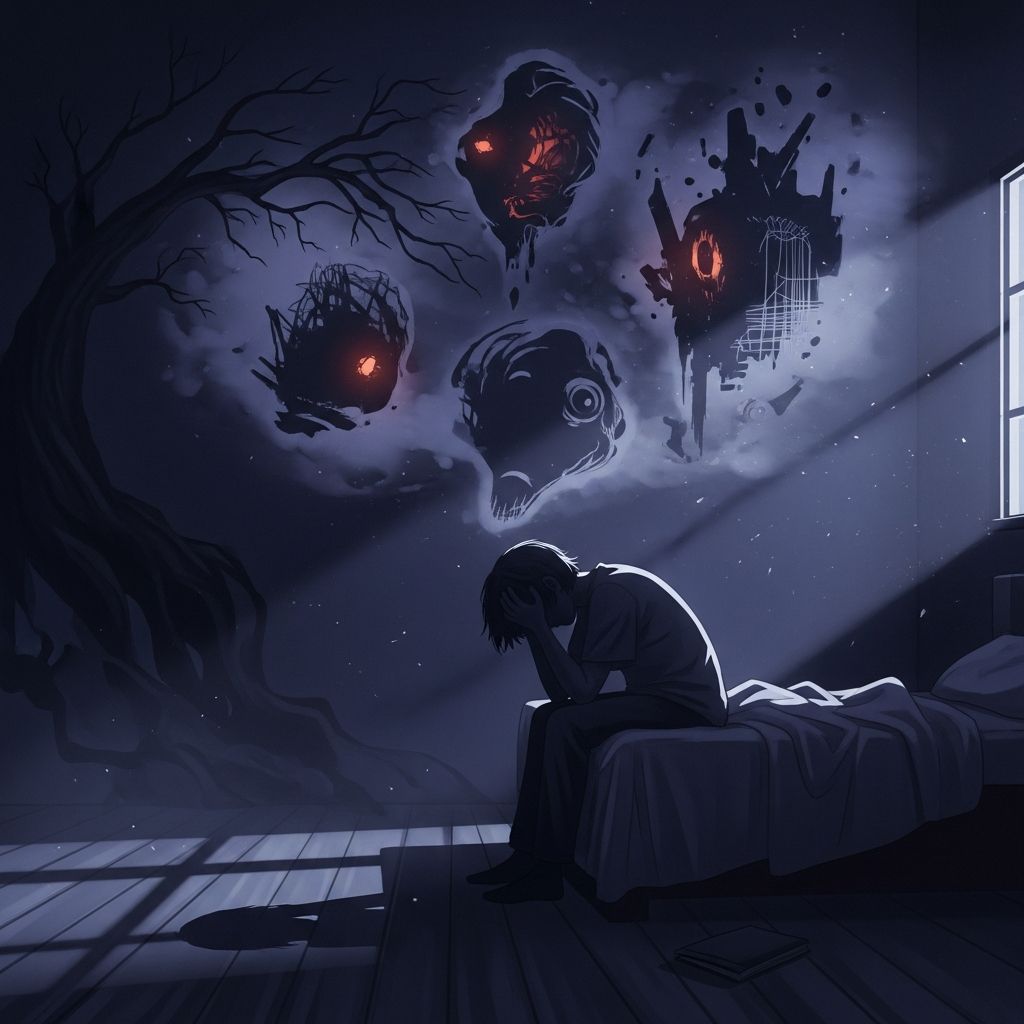
Why Nightmares Happen During the Teen Years
For many teenagers, the transition from childhood to adulthood brings a wave of new experiences, responsibilities, and emotions. Along with academic pressure, social changes, and identity exploration, sleep can become disrupted by vivid, unsettling dreams. Nightmares are more than just scary stories the brain tells at night—they’re often a reflection of what’s happening in a teen’s waking life. Understanding why nightmares occur is the first step toward managing them effectively.
During adolescence, the brain is still developing, especially areas involved in emotion regulation, memory, and decision-making. This ongoing development can make teens more sensitive to stress and anxiety, both of which are strongly linked to nightmares. When the mind is preoccupied with worries about school, relationships, family, or the future, those concerns don’t simply disappear when the lights go out. Instead, they can resurface in dreams, often in exaggerated or symbolic forms.
Biological changes also play a role. Hormonal fluctuations, shifts in sleep patterns, and increased time spent in REM (rapid eye movement) sleep—the stage most associated with vivid dreaming—can all contribute to more frequent or intense nightmares. For some teens, occasional bad dreams are a normal part of development. But when nightmares become frequent, distressing, or interfere with daily functioning, they may signal that additional support is needed.
Common Triggers Behind Teen Nightmares
Nightmares rarely appear out of nowhere. They’re usually tied to specific factors that affect a teen’s mental and physical state. Recognizing these triggers can help in developing a more personalized and effective response.
Stress and Academic Pressure
School-related stress is one of the most common contributors to nightmares in teens. High expectations, heavy workloads, exams, and competition can create a constant background of tension. When the brain is overloaded with stress, it may continue processing those concerns during sleep, leading to dreams about failing tests, being unprepared, or facing judgment from teachers or peers.
Anxiety and Worry Patterns
Teens who struggle with generalized anxiety, social anxiety, or obsessive thinking are more likely to experience nightmares. Anxiety keeps the nervous system in a heightened state, making it harder to fully relax at night. This can result in dreams that feel chaotic, threatening, or overwhelming, even if the content isn’t directly related to the teen’s specific fears.
Trauma and Past Experiences
Exposure to traumatic events—such as abuse, accidents, violence, or loss—can lead to recurring nightmares that replay or symbolize the trauma. In conditions like post-traumatic stress disorder (PTSD), nightmares are a core symptom and often involve reliving the event in a distressing way. These dreams can be extremely vivid and emotionally intense, making it difficult to feel safe at night.
Depression and Low Mood
Depression in teens is often accompanied by changes in sleep, including both insomnia and nightmares. Negative thought patterns, feelings of hopelessness, and low self-worth can shape the content of dreams, leading to themes of isolation, failure, or danger. Nightmares in this context may reinforce negative beliefs, creating a cycle that worsens both mood and sleep quality.
Media and Environmental Influences
What teens watch, read, or play before bed can directly influence their dreams. Violent movies, intense video games, horror stories, or even distressing news can leave strong impressions that resurface in nightmares. Similarly, an uncomfortable sleep environment—such as a noisy room, bright lights, or an irregular sleep schedule—can disrupt sleep and increase the likelihood of disturbing dreams.
Substances and Medications
Some medications, especially those that affect the central nervous system, can alter sleep architecture and increase nightmare frequency. Certain antidepressants, stimulants, and even over-the-counter medications may have this effect. Alcohol, recreational drugs, and heavy caffeine use, particularly late in the day, can also interfere with normal sleep cycles and trigger more vivid or disturbing dreams.
How Nightmares Affect Daily Life
While nightmares occur during sleep, their impact extends far beyond the night. Frequent or intense nightmares can significantly affect a teen’s emotional well-being, academic performance, and social life.
- Sleep Avoidance: Fear of having another bad dream can lead to delaying bedtime, lying awake for long periods, or avoiding sleep altogether.
- Daytime Fatigue: Poor sleep quality due to nightmares can result in exhaustion, difficulty concentrating, and reduced motivation during the day.
- Increased Anxiety: Waking from a nightmare can leave a teen feeling on edge, making it harder to relax and increasing overall anxiety levels.
- Impact on Mood: Chronic nightmares are linked to higher rates of depression, irritability, and emotional sensitivity.
- Social Withdrawal: Teens who are tired or anxious may withdraw from friends, skip activities, or struggle with social interactions.
Over time, this pattern can create a feedback loop: poor sleep worsens mental health, and worsening mental health makes sleep more difficult. Breaking this cycle often requires addressing both the nightmares themselves and the underlying factors that contribute to them.
Practical Strategies to Reduce Nightmares
While it’s not always possible to eliminate nightmares completely, there are several evidence-based strategies that can reduce their frequency and intensity. These approaches focus on improving sleep hygiene, managing stress, and changing how the brain processes dreams.
Establish a Consistent Sleep Routine
Going to bed and waking up at roughly the same time every day—even on weekends—helps regulate the body’s internal clock. A predictable routine signals to the brain when it’s time to wind down and when it’s time to be alert, which can lead to more stable and restful sleep.
Create a Calming Pre-Bed Routine
Spending the last 30–60 minutes before bed on relaxing activities can prepare the mind for sleep. This might include:
- Reading a light, non-stressful book
- Listening to calming music or nature sounds
- Practicing gentle stretching or breathing exercises
- Writing in a journal to process thoughts from the day
Avoiding screens (phones, tablets, computers, TV) during this time is especially important, as the blue light they emit can interfere with melatonin production and delay sleep onset.
Limit Stimulants and Avoid Late-Night Eating
Caffeine, nicotine, and heavy meals close to bedtime can all disrupt sleep. Reducing or eliminating caffeine (especially in the afternoon and evening), avoiding smoking or vaping, and eating lighter dinners can support better sleep quality and reduce the chance of nightmares.
Manage Stress and Anxiety During the Day
Since daytime stress often fuels nighttime nightmares, finding healthy ways to cope with pressure is crucial. Effective strategies include:
- Regular physical activity, such as walking, sports, or yoga
- Mindfulness or meditation practices
- Talking to a trusted friend, family member, or counselor
- Breaking large tasks into smaller, manageable steps to reduce overwhelm
Use Cognitive Techniques to Reframe Nightmares
Cognitive behavioral therapy (CBT) techniques, particularly those focused on nightmares, can be very effective. One widely used method is imagery rehearsal therapy (IRT), which involves:
- Writing down the nightmare in detail
- Changing the ending or key elements to make it less frightening
- Rehearsing the new, less scary version during the day
Over time, this can help the brain “overwrite” the original nightmare, leading to less distressing dreams. Other helpful cognitive strategies include challenging catastrophic thoughts, practicing self-compassion, and developing a more balanced perspective on fears and worries.
When to Seek Professional Support
Occasional nightmares are normal, but there are signs that professional help may be beneficial:
- Nightmares occur several times a week and cause significant distress
- The teen is afraid to go to sleep or avoids bedtime
- Nightmares are clearly related to a traumatic event
- There are signs of depression, anxiety, or other mental health concerns
- Sleep problems are affecting school performance or relationships
Mental health professionals, such as therapists or counselors, can help identify the root causes of nightmares and provide tailored treatment. Common evidence-based approaches include:
- Cognitive Behavioral Therapy for Insomnia (CBT-I): Addresses sleep habits and thought patterns that interfere with rest.
- Imagery Rehearsal Therapy (IRT): Specifically targets recurring nightmares by changing their content.
- Trauma-Focused Therapies: Such as trauma-focused CBT or EMDR (Eye Movement Desensitization and Reprocessing) for nightmares related to trauma.
- Medication (when appropriate): In some cases, doctors may prescribe medication to help manage severe nightmares, especially when linked to PTSD or other conditions.
Primary care providers or school counselors can often help connect teens with appropriate mental health services. Early intervention can prevent nightmares from becoming a long-term problem and support overall emotional well-being.
Supporting a Friend or Family Member
If you know a teen who is struggling with nightmares, there are several ways to offer support:
- Listen without judgment when they want to talk about their dreams or worries.
- Encourage healthy sleep habits, such as a consistent bedtime and limited screen time before sleep.
- Help them identify sources of stress and brainstorm ways to manage them.
- Normalize the experience by explaining that many teens have nightmares and that help is available.
- Encourage them to talk to a trusted adult, counselor, or doctor if nightmares are frequent or distressing.
Support doesn’t have to be complicated. Sometimes, simply knowing that someone cares and is willing to listen can make a big difference in how a teen feels about their nightmares and their ability to cope with them.
Frequently Asked Questions About Teen Nightmares
Are nightmares a sign of a serious mental health problem?
Occasional nightmares are normal, especially during stressful times. However, frequent, intense nightmares—especially when combined with other symptoms like low mood, anxiety, or trauma—can be a sign that professional support would be helpful. They are often linked to conditions like anxiety, depression, or PTSD, but they can also occur without a diagnosable disorder.
Can changing my sleep habits really reduce nightmares?
Yes. Improving sleep hygiene—such as maintaining a regular schedule, reducing screen time before bed, and creating a calm sleep environment—can significantly reduce the frequency and intensity of nightmares. Better sleep quality helps the brain process emotions more effectively, which can lead to less disturbing dreams.
What should I do if I wake up from a nightmare?
When you wake from a nightmare, try to ground yourself in the present. Remind yourself that it was just a dream and that you are safe. Deep breathing, turning on a soft light, or doing a brief relaxation exercise can help calm your body and mind. If you’re comfortable, writing down the dream and then rewriting it with a different ending can be a helpful long-term strategy.
Is it normal for nightmares to change over time?
Yes. The content of nightmares often reflects what’s happening in a teen’s life at that moment. As stressors, relationships, and experiences change, so can the themes of dreams. Over time, with better coping skills and improved sleep, nightmares often become less frequent and less intense.
Can therapy really help with nightmares?
Yes. Therapies like cognitive behavioral therapy (CBT) and imagery rehearsal therapy (IRT) are specifically designed to reduce nightmares and have been shown to be effective in research studies. Therapy can also help address underlying issues like anxiety, depression, or trauma that may be contributing to the nightmares.
References
- Nightmare Disorder: What It Is, Symptoms & Treatment — Cleveland Clinic. 2023-08-14. https://my.clevelandclinic.org/health/diseases/24464-nightmare-disorder
- Nightmare Disorder – Symptoms and causes — Mayo Clinic. 2022-09-22. https://www.mayoclinic.org/diseases-conditions/nightmare-disorder/symptoms-causes/syc-20353515
- Best Practice Guide for the Treatment of Nightmare Disorder in Adults — Journal of Clinical Sleep Medicine. 2010-08-15. https://www.ncbi.nlm.nih.gov/pmc/articles/PMC2919672/