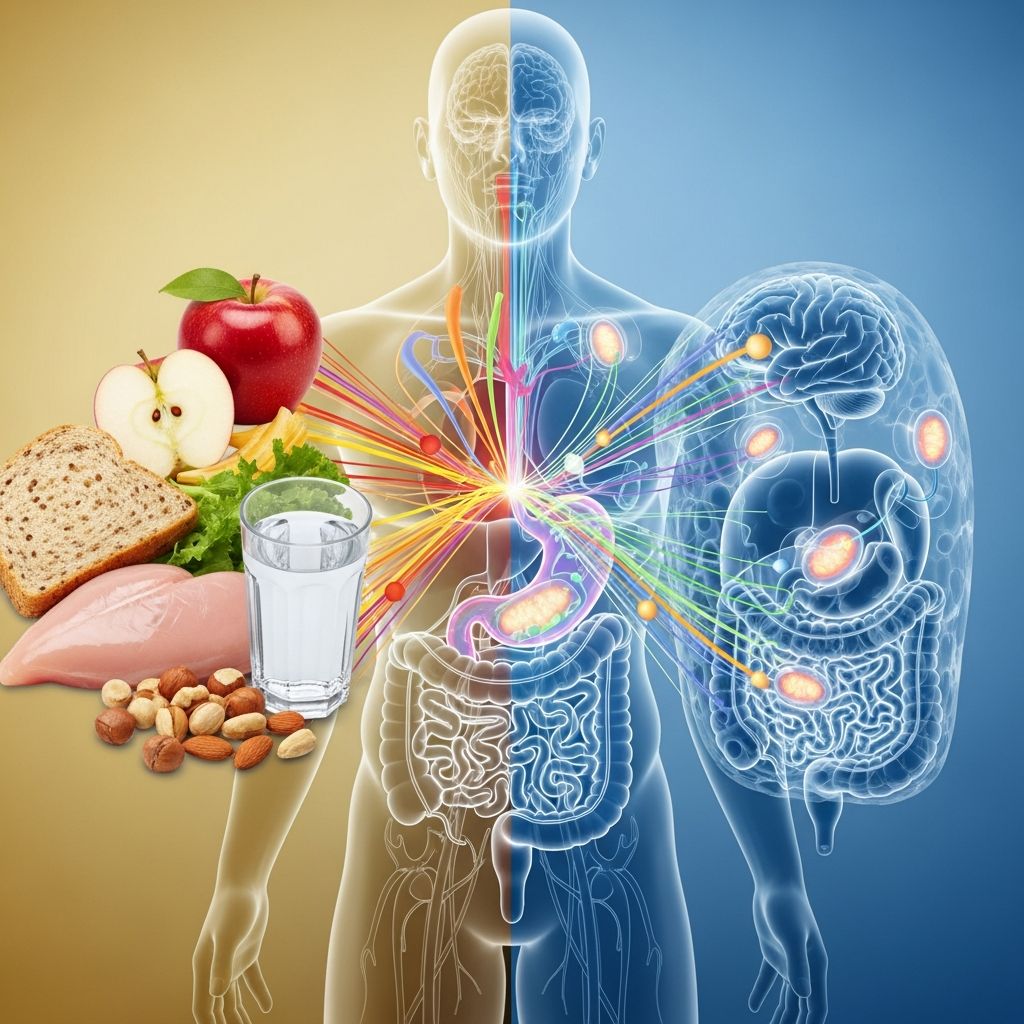
Metabolism is the name for all the tiny chemical reactions in your body that turn food into the energy you use to think, move, grow, and stay alive. Even when you are scrolling your phone or sleeping, your metabolism is quietly working in the background, converting every bite you eat into fuel and building blocks for your cells.
Understanding how metabolism works can help you make sense of hunger, energy levels, body changes during puberty, and why healthy habits matter more than quick-fix diets. This guide breaks metabolism down into simple ideas and shows how small choices add up over time.
What Metabolism Actually Means
Metabolism is not a single thing your body “has”; it is a collection of thousands of reactions happening inside every cell. These reactions take nutrients like carbohydrates, fats, and proteins and either break them down for energy or use them to build and repair tissues.
Every breath, heartbeat, and text you send depends on energy from these metabolic reactions. Without metabolism, food would just sit in your body instead of being turned into fuel your cells can use.
Two Main Sides of Metabolism
- Building processes: These reactions use energy to create or repair tissues such as muscle, bone, and skin.
- Breaking-down processes: These reactions release energy by taking apart larger molecules from food into smaller units your cells can burn as fuel.
Both sides happen all day long. During growth spurts and recovery from exercise, building processes are especially active, while breaking-down reactions supply the energy needed to power them.
Basal Metabolic Rate: Energy You Use at Rest
Even if you stayed in bed all day, your body would still burn a surprising number of calories just to keep you alive. The energy needed for basic functions like breathing, circulating blood, and maintaining body temperature is called your basal metabolic rate, often shortened to BMR.
For many teens, BMR makes up the largest share of daily energy use. It is the reason you still need food even on days when you do very little physical activity.
Main Jobs Powered by BMR
- Keeping your heart beating and lungs working
- Maintaining body temperature and brain activity
- Repairing tissues and supporting growth
Your BMR is influenced by your age, sex, body size, muscle mass, and hormones, which is why it varies from person to person.
Where Your Daily Energy Goes
Metabolism is not just about your resting needs. Your total daily energy use comes from three main parts: resting metabolism, movement, and digestion. Together, they determine how much fuel your body uses in a day.
| Component | What It Includes | Typical Role |
|---|---|---|
| Resting metabolism | Breathing, heartbeat, brain function, temperature control | Often the largest share of daily energy use |
| Physical activity | Sports, walking, chores, fidgeting, dancing, and all movement | The most variable part; can increase a lot with active habits |
| Digesting food | Breaking down, absorbing, and processing what you eat | A smaller, but real, part of daily calorie use |
Because movement is the most changeable piece, your daily activity level has a big impact on how much energy you burn overall.
How Food Becomes Energy
When you eat, your digestive system breaks food into smaller parts: sugars from carbohydrates, fatty acids from fats, and amino acids from proteins. These smaller units are absorbed into your bloodstream and carried to cells all over your body.
Inside your cells, specialized structures use these nutrients with oxygen to produce energy molecules. Your body can use this energy right away or store it in tissues like muscle, liver, and fat for later use.
Different Nutrients, Different Roles
- Carbohydrates: Often used as a quick energy source, especially for the brain and during high-intensity activity.
- Fats: Provide long-lasting energy and help with hormone production and cell structure.
- Proteins: Supply building blocks for muscle, skin, enzymes, and many other body structures.
Vitamins, minerals, and water do not provide calories, but they are essential helpers that allow metabolic reactions to run smoothly.
Why Teen Metabolism Feels Different
During the teen years, your body goes through rapid changes: growth spurts, hormone shifts, and changes in body composition. These changes can increase your energy needs and make your hunger and fullness signals feel unpredictable.
Some teens notice that they can eat large amounts of food without obvious weight changes, while others gain weight easily. Both patterns can be normal, because metabolism is strongly influenced by genetics, hormones, and activity level.
Common Teen Experiences
- Sudden increases in appetite during growth phases
- Feeling tired or run-down when skipping meals
- Worrying that metabolism is “too slow” or “too fast” compared to friends
Instead of focusing on matching someone else’s body or appetite, it helps to focus on consistent, balanced habits that support your own health.
Factors That Influence Metabolism
Metabolism is not controlled by a single switch. A mix of built-in traits and daily choices shapes how your body uses energy. Some factors cannot be changed, while others respond to lifestyle habits over time.
Things You Cannot Control
- Genetics: Your genes help determine your natural body shape, size, and how your body tends to handle energy.
- Age: Metabolic needs change from childhood through adulthood as growth and hormone levels shift.
- Sex and body size: On average, people with larger bodies and more muscle mass use more energy at rest.
Things You Can Influence
- Muscle mass: Muscles are more metabolically active than fat tissue, so building muscle can gently increase daily energy use.
- Daily movement: Walking, sports, and any physical activity raise how many calories you burn each day.
- Sleep and stress: Poor sleep or chronic stress can affect hormones that influence appetite and energy storage.
- Eating patterns: Regular, balanced meals help your body use energy steadily instead of swinging between extremes.
Metabolism Myths vs. Reality
Many social media posts make metabolism sound like something you can “hack” instantly. In reality, metabolism responds slowly to consistent habits and is not easily changed overnight by a single food or supplement.
| Myth | What Is More Accurate |
|---|---|
| “Thin people always have fast metabolisms.” | Body size, genetics, and habits all play a role; people of any size can have higher or lower metabolic rates. |
| “Eating one magic food speeds metabolism dramatically.” | No single food transforms metabolism; overall eating patterns and activity matter more. |
| “Skipping meals makes you burn fat faster.” | Skipping meals can leave you tired, overly hungry, and more likely to overeat later. |
| “A slow metabolism means you can never be healthy.” | Healthy habits support well-being at many metabolic speeds and body types. |
Understanding what metabolism can and cannot do helps avoid unhelpful fads and keeps the focus on realistic, sustainable habits.
Healthy Eating Habits That Support Metabolism
There is no single “metabolism diet,” but some patterns of eating help your body use energy efficiently and keep you feeling steady throughout the day. These habits are not about restriction; they are about giving your body steady, reliable fuel.
Balanced Fuel Through the Day
- Eat regular meals and snacks instead of long stretches with no food followed by very large meals.
- Include a mix of carbohydrates, proteins, and healthy fats at most meals.
- Choose whole or minimally processed foods more often than ultra-processed options.
- Drink water regularly, since even mild dehydration can make you feel tired and hungry.
Sample Teen-Friendly Meal Pattern
This is just an example, not a rule. Portions and exact foods should adapt to your culture, preferences, and hunger levels.
- Morning: A grain or starch, a source of protein, and a fruit.
- Midday: A combination of vegetables, protein (such as beans, eggs, or lean meats), and a grain.
- Afternoon snack: Something with both carbs and protein to keep energy steady.
- Evening: A balanced plate with vegetables, protein, and a source of energy-giving carbohydrates.
Movement, Muscle, and Metabolism
Physical activity is one of the most effective ways to influence how your body uses energy, both during the activity and afterward. Movement helps build and maintain muscle, which in turn uses more energy even when you are resting.
Activity does not have to mean intense workouts in a gym. Everyday actions like walking to school, riding a bike, dancing, or playing with siblings all count as movement that supports your metabolic health.
Ways to Move More Without Obsessing
- Pick activities you genuinely enjoy so movement feels less like a chore.
- Mix different types of movement, such as walking, sports, and simple strength exercises.
- Reduce long, uninterrupted sitting time by standing up or stretching when possible.
Sleep, Stress, and Hormones
Your metabolism is closely linked to hormones that influence hunger, fullness, and how your body stores energy. Sleep and stress have powerful effects on these hormones, which is why they matter just as much as food and exercise.
Teen schedules can be packed, but regularly cutting sleep short or living with constant stress can leave you hungrier, more tired, and less able to make choices that support your health.
Supporting Hormonal Balance
- Aim for a consistent sleep schedule as often as your responsibilities allow.
- Try simple stress-management tools, such as talking with friends, journaling, or deep breathing.
- Ask for help from trusted adults or health professionals if stress or mood changes feel overwhelming.
When Metabolism Is Affected by Health Conditions
Sometimes, medical conditions influence how fast or slow the body uses energy. For example, some hormone-related conditions can cause unexpected weight changes, fatigue, or changes in heart rate and mood.
If you notice sudden shifts in weight, energy levels, or appetite that do not match your usual patterns, it is worth talking to a healthcare professional. Only a trained provider can evaluate symptoms, order tests if needed, and recommend treatment.
Signs to Discuss with a Professional
- Rapid weight loss or gain without major lifestyle changes
- Unusual tiredness, feeling cold or hot all the time, or changes in heart rate
- Persistent digestive problems or changes in bowel habits
Getting help early can prevent small issues from becoming bigger health problems and can also give reassurance when changes are simply part of normal growth.
Building a Healthy Relationship with Your Body
Because metabolism is invisible, it is easy to blame it for every change in weight or appearance. In reality, bodies naturally shift during the teen years, and those changes do not define your worth or your future health by themselves.
Rather than chasing quick fixes or comparing your body to others, focusing on long-term habits is a more realistic and kinder approach. Healthy behaviors improve energy, mood, and strength regardless of the exact number on a scale.
Helpful Mindsets About Metabolism
- Your body is not a machine to be perfectly controlled; it is a living system that changes over time.
- Small, consistent habits matter more than dramatic short-term efforts.
- Asking questions and seeking support from trusted adults or professionals is a sign of strength, not weakness.
Quick Teen Metabolism Tips
If you want practical, everyday ways to support your metabolism, focus on behaviors that feed your energy and well-being, not on punishing rules. These ideas can be adapted to your culture, schedule, and resources.
- Eat regularly throughout the day rather than skipping meals.
- Include a source of protein with snacks and meals when possible.
- Find fun ways to move most days of the week.
- Keep a regular sleep schedule as best you can.
- Limit extreme diets, detoxes, or unproven supplements.
FAQs About Teen Metabolism
Does metabolism really slow down a lot after the teen years?
Metabolism can change with age, but for many people the shift from the teen years into early adulthood is gradual rather than extreme. Lifestyle habits such as movement, sleep, and eating patterns often change as people get older, and those behavior shifts can have a bigger impact on weight and energy than metabolism alone.
Can I speed up my metabolism quickly?
There is no safe way to dramatically speed up metabolism overnight. Caffeine and some substances may cause a brief increase in energy use, but the effect is limited and can come with side effects. Building muscle, staying active, and practicing healthy sleep and eating habits can gently support your metabolism over time.
Why can my friend eat more than I do and stay the same size?
People differ in height, muscle mass, activity levels, genetics, and hormones, so it is normal for two teens to need very different amounts of food. Comparing your intake directly to someone else’s can be misleading; it is more helpful to notice your own hunger, fullness, and energy levels when deciding how much to eat.
Do I have to count calories to manage my metabolism?
Calorie counting is not required for a healthy relationship with food and can be stressful or unhelpful for many teens. Paying attention to hunger and fullness signals, choosing a variety of foods, and staying active are often more practical ways to support health.
When should I talk to a doctor about my metabolism?
If you have sudden or unexplained weight changes, constant fatigue, changes in heart rate, or other symptoms that worry you, it is a good idea to speak with a healthcare professional. They can check whether your symptoms are part of normal development or whether further tests are needed.
Metabolism may be invisible, but its effects are not. Learning how it works gives you tools to care for your body with more confidence and less confusion during the teen years and beyond.