The knee is a pivotal joint that bears significant stress during sports, daily activities, and growth spurts in teenagers. Knee injuries are prevalent among teens, particularly those involved in high-impact sports like soccer, basketball, and track, often stemming from overuse, sudden movements, or developmental changes. This article delves into the primary types of knee issues teens face, their symptoms, diagnostic approaches, treatment options, and strategies for prevention to help young athletes stay on the field safely.
Why Teens Are Prone to Knee Problems
Adolescence brings rapid skeletal growth, muscle imbalances, and increased participation in competitive sports, creating a perfect storm for knee vulnerabilities. During growth spurts, bones lengthen faster than muscles and tendons can adapt, leading to undue strain on knee structures. Sports demanding quick pivots, jumps, and directional changes amplify risks, with female athletes showing higher susceptibility to certain injuries due to biomechanical differences like wider hips and quadriceps strength variations. Overuse without adequate recovery further compounds issues, turning minor discomforts into chronic conditions.
Overuse Injuries: The Silent Culprits
Overuse injuries top the list for teen knee pain, arising from repetitive stress without sufficient rest or warm-up. These conditions often manifest gradually, making early detection crucial.
Osgood-Schlatter Disease
This condition affects about 10% of adolescents aged 12-15, causing inflammation where the patellar tendon inserts into the tibial tuberosity on the shinbone. Repetitive jumping and running during growth spurts pull on the tendon, leading to pain, swelling, redness, and a noticeable bony bump below the knee. Symptoms intensify with activity and ease with rest. Most cases resolve with growth cessation, managed through rest, ice, stretching, and strengthening exercises targeting quadriceps and hamstrings. Knee straps provide relief during sports.
Patellar Tendonitis (Jumper’s Knee)
Common in jumping sports, jumper’s knee involves microtears and inflammation in the patellar tendon connecting the kneecap to the shin. Teens feel sharp pain at the tendon’s lower patella attachment, worsening with explosive movements. Causes include poor warm-up, tight quadriceps, and excessive training volume. Treatment emphasizes RICE (Rest, Ice, Compression, Elevation), physical therapy for eccentric strengthening, and gradual return to activity. Severe cases may require bracing or, rarely, surgery.
Chondromalacia Patella (Runner’s Knee)
Runner’s knee results from softened cartilage under the patella, causing anterior knee pain exacerbated by stairs, squatting, or prolonged sitting. Muscle imbalances, flat feet, or patellar maltracking contribute, more frequent in girls. Diagnosis via physical exam; management includes vastus medialis oblique strengthening, orthotics, and taping. Persistent pain warrants imaging to rule out other issues.
Acute Traumatic Injuries
Sudden events like collisions or awkward landings cause immediate damage, often requiring prompt medical attention to prevent long-term complications.
Anterior Cruciate Ligament (ACL) Tears
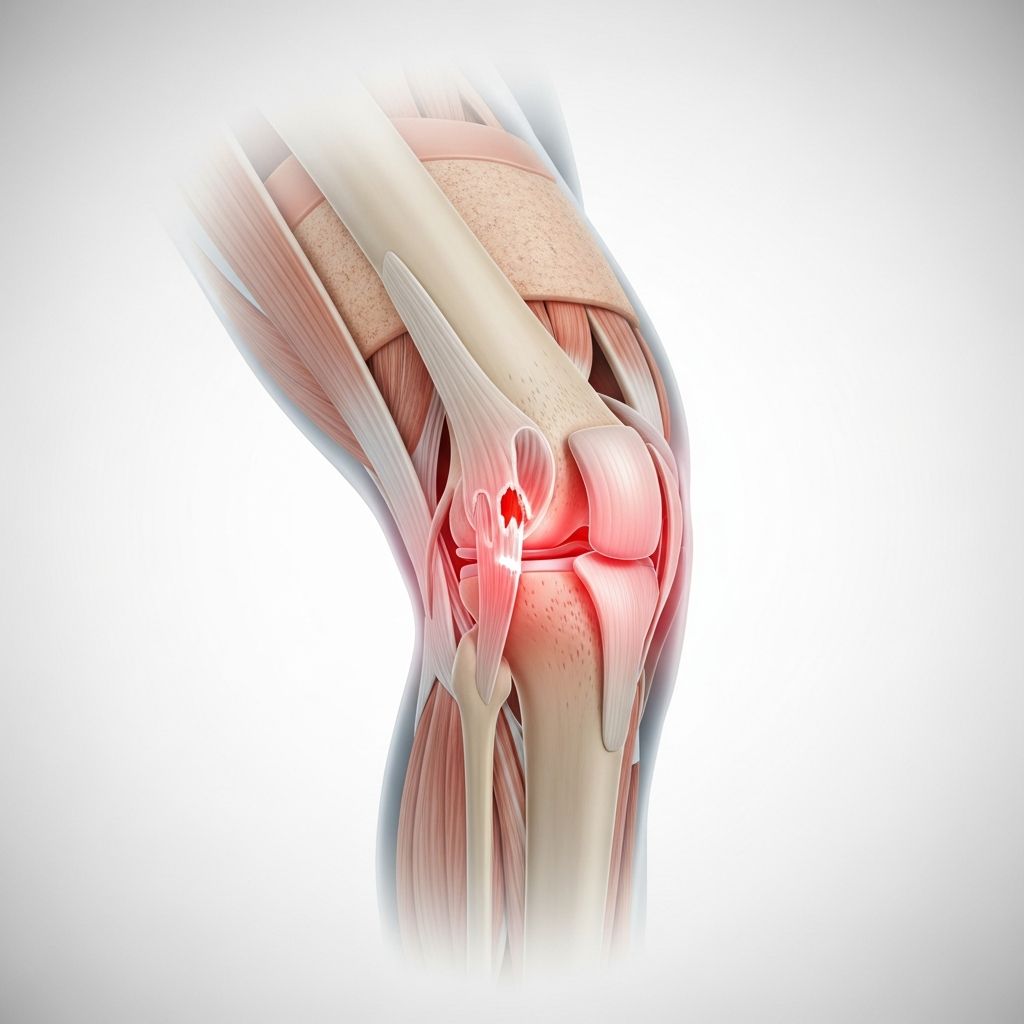
ACL tears are alarmingly common in teen athletes, especially in pivoting sports. A sudden stop, twist, or hyperextension tears this stabilizing ligament, producing a pop, immediate swelling, pain, and instability— the knee “giving way”. Females face higher risks due to anatomical factors. Diagnosis uses Lachman test and MRI. Non-surgical options suit partial tears with bracing and rehab, but complete tears often need reconstruction surgery followed by intensive physiotherapy. Prevention programs focusing on neuromuscular training cut risk by up to 50%.
Meniscal Tears
The menisci— C-shaped cartilage cushions— tear from twisting or squatting, causing medial/lateral pain, swelling, locking, or catching sensations. Discoid menisci, an anatomical variant, heighten tear risk and may need surgical trimming. Young knees heal better than adults’; conservative care with rest and PT suffices for stable tears, while unstable ones require arthroscopic repair.
Patellofemoral Instability and Dislocations
The patella may dislocate laterally during trauma with valgus stress and internal rotation, common in contact sports. Risk factors include shallow femoral trochlea, knock-knees, or ligament laxity. Symptoms: severe pain, swelling, and visible deformity. Reduction often occurs spontaneously or manually; bracing and PT strengthen vastus medialis to prevent recurrence. Recurrent cases may need MPFL reconstruction.
Sprains, Strains, and Fractures
- MCL Sprains: Medial collateral ligament damage from valgus blows causes medial pain and swelling. Graded I-III, most heal with bracing and rehab.
- MCL Strains: Tendon/muscle overstretches from pivots, with bruising and weakness.
- Stress Fractures: Repetitive impact causes tibial or femoral microfractures, painful with weight-bearing.
- Tibial Spine Fractures: ACL avulsion in kids, mimicking tears; surgical fixation often needed.
Recognizing Symptoms and When to Seek Help
Key red flags include inability to bear weight, significant swelling within hours, locking, or instability. Differentiate acute (sudden onset, effusion) from chronic (gradual, no effusion) pain. Always evaluate hip for referred pain, as SCFE can masquerade as knee issues—check internal rotation symmetry. Start with RICE; consult a doctor for persistent symptoms. Diagnosis may involve X-rays for bony issues, MRI for soft tissues.
Treatment Approaches
Most teen knee injuries respond conservatively:
| Injury Type | Conservative Treatment | Surgical Options |
|---|---|---|
| Osgood-Schlatter | Rest, ice, PT, strap | Rare |
| ACL Tear | Bracing, rehab | Reconstruction |
| Meniscal Tear | Rest, PT | Arthroscopy |
| Patellar Dislocation | Bracing, strengthening | MPFL repair |
Physical therapy rebuilds strength, flexibility, and proprioception. Advanced cases use PRP injections or surgery via arthroscopy for minimal invasion.
Prevention Strategies for Young Athletes
Proactive measures slash injury rates:
- Dynamic warm-ups and stretching routines.
- Balanced strength training for quads, hamstrings, hips, core.
- Neuromuscular programs teaching safe landing/pivoting.
- Proper footwear, orthotics for biomechanics.
- Load management: avoid overuse, incorporate rest days.
- Nutrition for bone health: calcium, vitamin D.
Coaches and parents should monitor training volume and technique.
Recovery and Returning to Sports
Rehab timelines vary: overuse injuries (4-8 weeks), ACL (6-12 months post-op). Criteria for return: full ROM, 90% strength symmetry, hop tests clearance. Psychological readiness combats fear of reinjury. Long-term, former injuries raise osteoarthritis risk, underscoring prevention.
Frequently Asked Questions (FAQs)
How can I tell if my knee pain is serious?
If pain follows trauma, swells rapidly, locks, or causes giving way, see a doctor immediately. Chronic overuse pain improves with rest.
Is surgery always needed for ACL tears in teens?
No, partial tears may heal with rehab, but complete tears often require surgery for stability in active teens.
Can Osgood-Schlatter come back after it goes away?
It typically resolves by skeletal maturity but can flare with intense activity; maintenance exercises prevent recurrence.
Are girls more at risk for knee injuries?
Yes, higher ACL and patellofemoral issues due to anatomy and hormones.
How long does recovery take for jumper’s knee?
4-6 weeks with rest and PT; full return may take months.
References
- What causes knee pain in teens? — Spire Healthcare. 2023. https://www.spirehealthcare.com/health-hub/specialties/childrens-health/what-causes-knee-pain-in-teens/
- Common Knee Injuries for Young Athletes — Docs Health. 2023. https://www.docshealth.com/blog/common-knee-injuries-for-young-athletes/
- Common Knee Injuries in Young Athletes and Treatment Options — Ozark Orthopaedic. 2023. https://ozarkorthopaedic.com/common-knee-injuries-in-young-athletes-and-treatment-options/
- Top 5 Knee Injuries for Kids and Teens — Orthopedic Institute SF. 2023. https://orthopedicinstitutesf.com/top-5-knee-injuries-for-kids-and-teens/
- Common Causes of Adolescent Knee Pain — Scottish Rite for Children. 2023. https://scottishriteforchildren.org/common-causes-of-adolescent-knee-pain/
- Adolescent Anterior Knee Pain — American Academy of Orthopaedic Surgeons (AAOS). 2023-01-17. https://orthoinfo.aaos.org/en/diseases–conditions/adolescent-anterior-knee-pain/