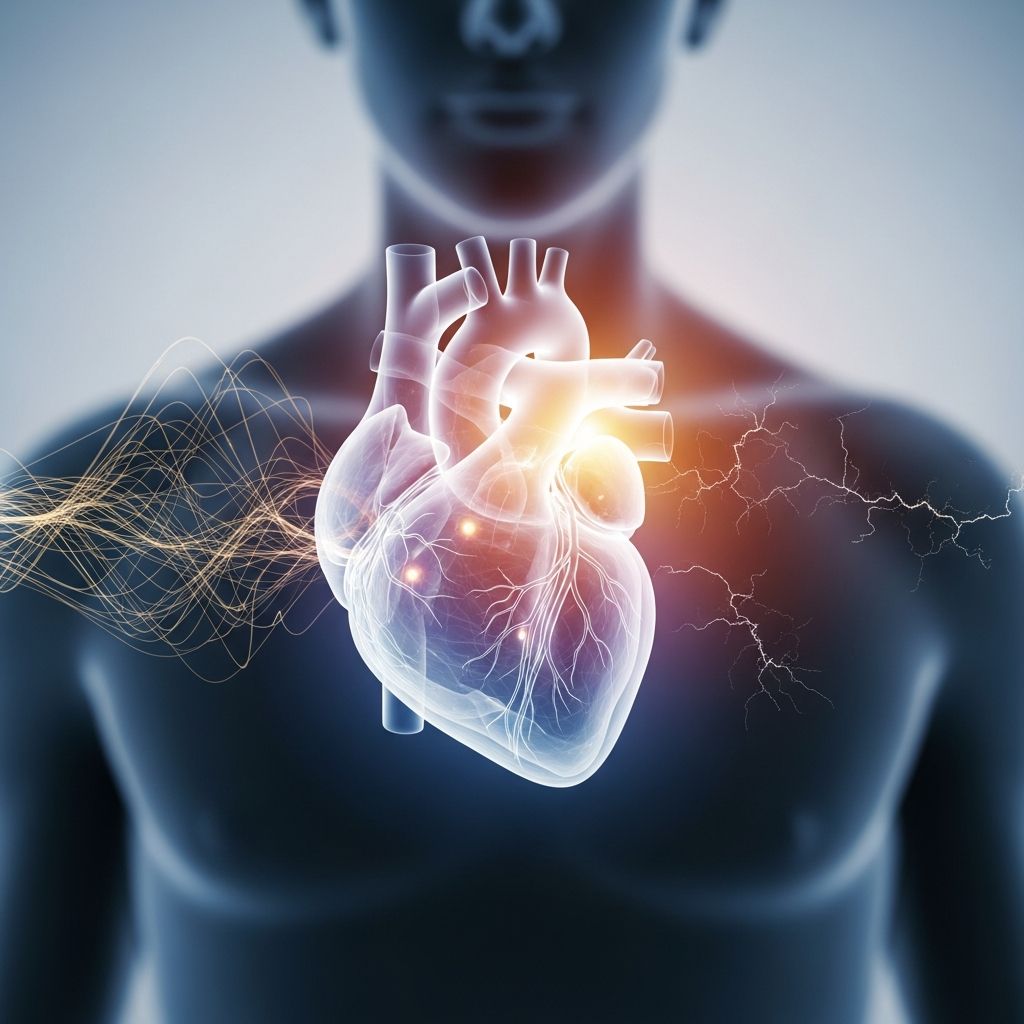
The heart beats thousands of times every day without being noticed, but in your teen years it is working harder than ever to fuel growth spurts, sports, school, and everything else you do. Understanding how this organ works makes it easier to spot when something is wrong and to protect it for life.
The Heart: Your Body’s Power Pump
Your heart is a strong, fist-sized muscle in the middle of your chest that acts like a pump, pushing blood through your body every second of the day. It never takes a break, even when you sleep, which is why keeping it healthy really matters.
Blood carries oxygen and nutrients to every cell and then takes away carbon dioxide and other waste products. Without this constant flow, your brain, muscles, and organs would not be able to work properly.
Inside the Heart: Chambers, Valves, and Blood Flow
Although you cannot see it, the inside of the heart has a clear layout that keeps blood moving in the right direction. Think of it as a two-story house with four main rooms and a set of doors that only open one way.
Four Chambers with Different Jobs
- Right atrium: Receives oxygen-poor blood returning from the body.
- Right ventricle: Pumps that blood to the lungs to pick up oxygen.
- Left atrium: Collects oxygen-rich blood coming back from the lungs.
- Left ventricle: Sends oxygen-rich blood out to the entire body with a strong squeeze.
A wall of muscle separates the right and left sides so that oxygen-rich and oxygen-poor blood do not mix. This separation keeps the system efficient and helps your body respond quickly when you run, climb stairs, or feel stressed.
Valves: One-Way Doors That Prevent Backflow
Inside the heart are small flaps called valves that work like one-way doors. They open when blood is pushed forward and close tightly to stop it from sliding backward after each heartbeat.
- Valves help your heart pump smoothly and quietly, creating the familiar “lub-dub” heart sound doctors listen for through a stethoscope.
- If a valve is narrowed or leaky, the sound may change and a doctor can hear this as a heart murmur.
Highways of the Body: Arteries, Veins, and Capillaries
Your heart is the pump, but the circulatory system includes all the tubes that carry blood everywhere. These tubes have different shapes and strengths because they handle different kinds of jobs.
- Arteries carry blood away from the heart under high pressure, so their walls are thick and elastic.
- Veins bring blood back toward the heart and have valves inside to help move blood against gravity.
- Capillaries are extremely thin, tiny vessels where oxygen and nutrients pass from blood into tissues.
Blood Vessels at a Glance
| Type of Vessel | Main Direction | Key Features |
|---|---|---|
| Arteries | Carry blood away from the heart | Thick, muscular walls to handle strong pressure from each heartbeat |
| Veins | Return blood to the heart | Thinner walls and built-in valves that prevent blood from flowing backward |
| Capillaries | Connect arteries and veins | Extremely narrow; allow oxygen and nutrients to move in and waste to move out |
The Beat Behind the Beat: Your Heart’s Electrical System
Every heartbeat starts with an electrical signal, not just a squeeze. A tiny natural “pacemaker” in the top of your heart creates these signals, telling the heart when to contract and relax.
These signals travel through special pathways, making the atria contract first and the ventricles contract a split second later. This timing keeps blood flowing in an organized way instead of chaotically.
Normal Versus Irregular Rhythms
- When the electrical signals fire regularly, your heart beats in a steady pattern called a normal rhythm.
- If signals are too fast, too slow, or out of order, this is called an arrhythmia. Some arrhythmias are harmless, but others can make you dizzy, short of breath, or even faint.
What Changes in the Heart During the Teen Years?
As you grow, your heart and blood vessels adapt to a bigger body, more muscle, and more activity. Your heart grows in size and strength, and your resting heart rate may slow down as it becomes more efficient.
Hormones that change during puberty can affect blood pressure, energy levels, and even how fast your heart feels like it is beating. Stress from school, sports, or relationships can also temporarily raise your heart rate and blood pressure.
Why Teens Sometimes Notice Their Heart More
- Growth spurts and new activities, like competitive sports, can make your heartbeat more noticeable.
- Strong emotions, caffeine, or some medicines can cause temporary pounding or fluttering sensations known as palpitations.
Common Heart-Related Issues in Teens
Serious heart disease is uncommon in teenagers, but young people can still experience heart-related symptoms or be born with heart conditions that only show up later. Paying attention to warning signs helps catch problems early.
Congenital (Birth) Heart Conditions
Some teens were born with differences in the structure of their heart or blood vessels. These conditions may have been treated with surgery or medication during childhood, or they may be discovered for the first time during a sports exam or routine checkup.
- Teens with repaired heart defects often need regular follow-up with a heart specialist to stay healthy.
- Activity limits vary widely; some teens can play any sport, while others need to be careful about pushing too hard.
Heart Murmurs
A murmur is a sound made by turbulent blood flow that a doctor hears with a stethoscope. Many murmurs in teens are “innocent,” meaning they are just the sound of fast blood flow and do not signal a disease.
Other murmurs can point to valve problems or structural changes, which is why a doctor may order tests like an echocardiogram (an ultrasound of the heart) if a murmur sounds unusual.
Arrhythmias (Irregular Heartbeats)
Some teens experience heartbeats that feel too fast, too slow, or strangely uneven. While occasional brief flutters can be normal, repeated or intense episodes deserve medical attention.
- Signs that an arrhythmia might be serious include fainting, chest pain, or trouble breathing.
- Treatment may involve lifestyle changes, medications, or in some cases, procedures that adjust the heart’s electrical pathways.
Chest Pain in Teens
Most chest pain in teenagers has nothing to do with the heart and is caused by muscles, bones, or even anxiety. Sharp pains that worsen when you move or breathe deeply are often related to the chest wall rather than the heart.
However, chest pain that occurs with exercise, comes with dizziness or fainting, or feels like heavy pressure should always be checked by a health professional.
Everyday Habits That Strengthen Your Heart
The choices you make in your teen years can shape how well your heart works decades from now. Building heart-healthy habits now makes it easier to avoid problems like high blood pressure, clogged arteries, and heart attacks later.
Move Your Body Regularly
Exercise trains your heart like a muscle, making each beat more efficient. Even if you are not an athlete, daily movement can make a big difference.
- Aim for at least 60 minutes of moderate activity most days of the week, such as brisk walking, biking, dancing, or sports.
- Mix in activities that raise your heart rate and make you breathe harder, like running, swimming, or intense games, a few times a week.
Choose Foods That Love Your Heart
What you eat becomes the fuel your heart uses to keep going. A pattern of nutrient-rich foods protects blood vessels and supports steady energy throughout the day.
- Fill half your plate with fruits and vegetables whenever possible.
- Pick whole grains such as oats, brown rice, or whole wheat bread instead of refined grains.
- Include healthy protein sources like beans, nuts, seeds, fish, eggs, and lean meats.
- Limit foods that are heavily fried, extremely salty, or loaded with added sugar.
Protect Your Heart from Tobacco and Vaping
Smoking and vaping expose your heart and blood vessels to chemicals that make them stiff, irritated, and more likely to clog. Even occasional use can start this damage and make it harder to quit later.
- Avoid cigarettes, vapes, and other nicotine products, and get support if you already use them.
- Staying away from places with heavy secondhand smoke also helps protect your heart and lungs.
Sleep and Stress: Two Overlooked Heart Protectors
During sleep, your heart rate and blood pressure slow down, giving your system time to repair and reset. Getting enough rest helps control appetite, mood, and concentration, all of which tie back to heart health.
- Try to sleep 8–10 hours each night, keeping a fairly consistent bedtime and wake-up time.
- Use healthy ways to handle stress, such as deep breathing, hobbies, talking to someone you trust, or regular physical activity.
When to See a Doctor About Your Heart
Most teens do not need constant tests on their heart, but some symptoms should never be ignored. Talking to a health professional early can prevent minor issues from becoming serious problems.
Warning Signs That Need Attention
- Chest pain or pressure during exercise, especially if it forces you to stop.
- Feeling like your heart is racing or skipping beats frequently for no clear reason.
- Unexplained fainting, especially during or right after physical activity.
- Shortness of breath or extreme tiredness with activities that used to feel easy.
- Swelling in your legs, ankles, or around your eyes that does not go away.
Family History Matters
If close relatives had heart disease at a young age, fainted during exercise, or died suddenly with no clear cause, your doctor should know. Family history can point to genetic conditions that affect the heart’s structure or rhythm.
Sharing this information at sports physicals or routine checkups helps your doctor decide if extra tests are needed.
Simple Heart-Healthy Goals for Teens
Changing your entire lifestyle overnight is not realistic, but small steps add up. Picking a few goals to focus on each month can lead to big improvements in heart health over time.
- Walk or bike to school or activities when it is safe instead of always getting a ride.
- Swap one sugary drink per day for water or unsweetened tea.
- Pack at least one piece of fruit or a handful of nuts as a daily snack.
- Set a consistent bedtime that allows at least 8 hours of sleep.
- Say no to tobacco, vaping, and drug use, and seek help if it is already a habit.
Frequently Asked Questions About Teen Heart Health
Is it normal to feel my heart pounding after I run?
Yes. During exercise, your muscles need more oxygen, so your heart beats faster and stronger to deliver extra blood. Your breathing also speeds up to bring more oxygen into your lungs.
Can teenagers get heart attacks?
Heart attacks from clogged arteries are extremely rare in teens, but other heart problems can still happen, especially if someone has a structural heart condition or a serious rhythm problem. That is why symptoms like fainting with exercise or severe chest pain should always be checked.
What is a normal heart rate for a teenager?
Resting heart rate varies, but many healthy teens have a rate between about 60 and 100 beats per minute when they are calm and relaxed. Athletes may have a lower resting rate because their hearts are very efficient.
Does energy drink use affect my heart?
Many energy drinks contain high levels of caffeine and other stimulants that can temporarily raise heart rate and blood pressure. In some people, this can cause palpitations, jitteriness, or trouble sleeping, especially if consumed in large amounts or combined with other stimulants.
How can I tell if chest pain is serious?
Chest pain that is sharp and gets worse when you move, twist, or take a deep breath is often related to muscles or ribs. Pain that feels like pressure or tightness, especially if it appears with exercise, fainting, or trouble breathing, should be evaluated urgently by a health professional.
Do I need special tests before playing sports?
Most teens only need a sports physical, where a health provider asks detailed questions and listens to the heart and lungs. If there are red flags in your history, symptoms, or family background, the provider may order extra tests like an electrocardiogram or heart ultrasound.
Taking Charge of Your Heart’s Future
Your teenage years are the perfect time to learn how your heart works and to build habits that will protect it for decades. Staying active, eating a balanced diet, getting enough sleep, and avoiding tobacco and vaping all support a strong, efficient heart.
If something about your heartbeat, chest, or breathing does not feel right, or if you have a strong family history of heart disease, speaking up to a trusted adult or health professional is a powerful way to take control of your health.