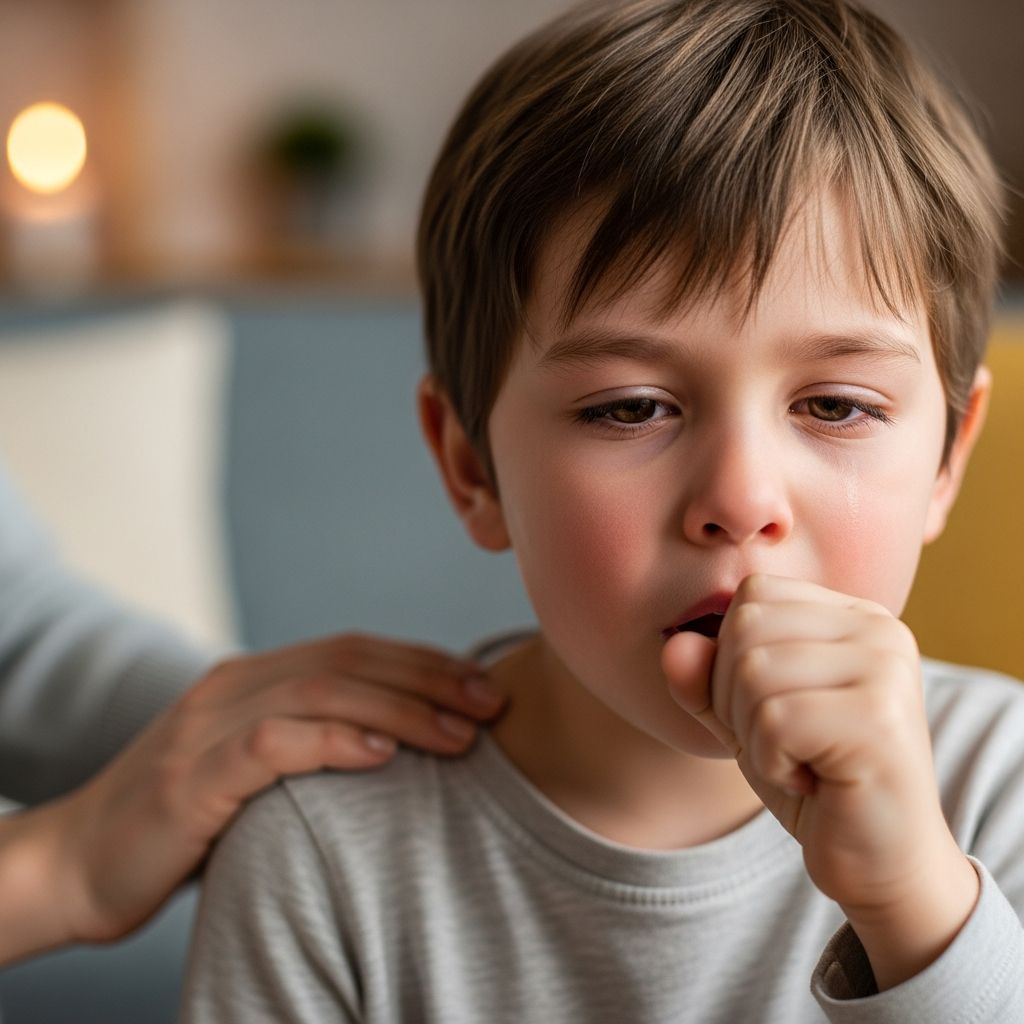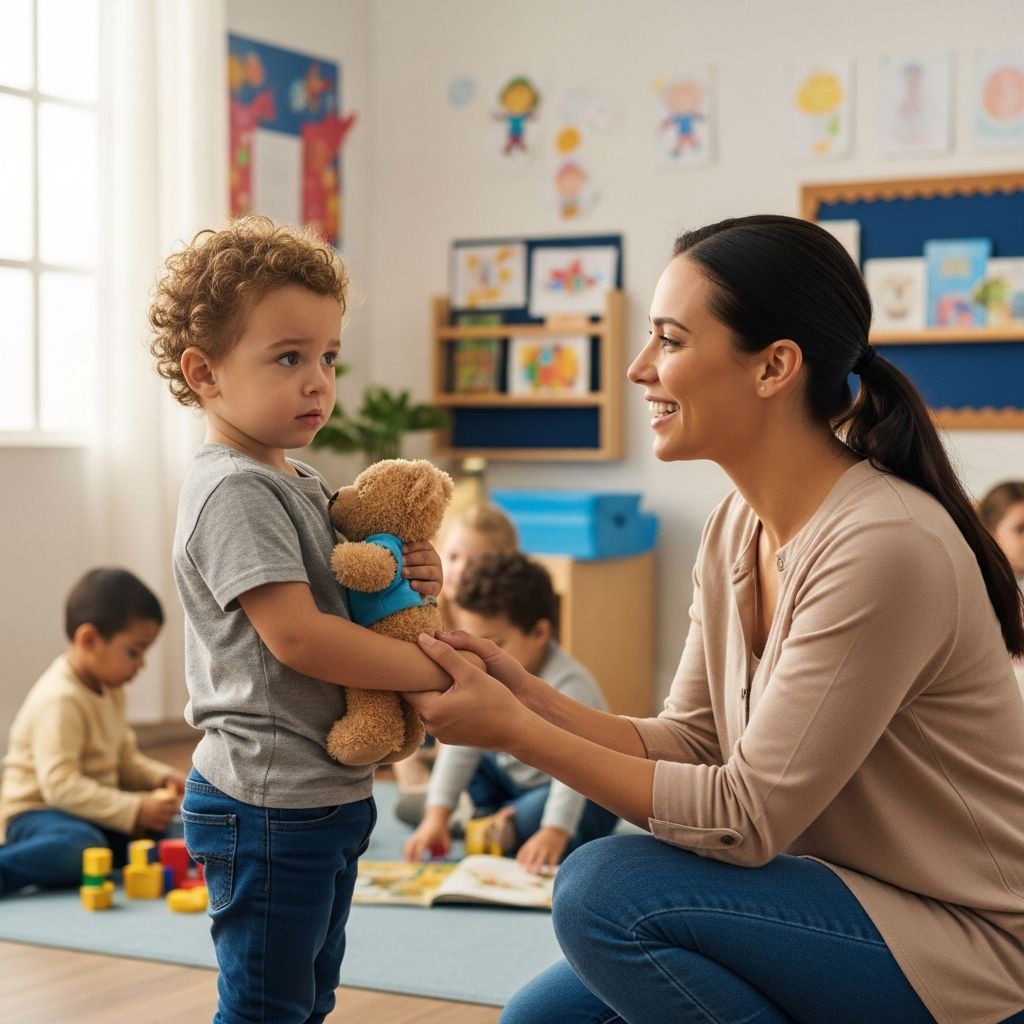
Starting preschool marks a significant milestone for young children, often accompanied by intense emotions like fear and reluctance to separate from parents. These feelings are common and typically stem from the natural developmental stage where toddlers and preschoolers grapple with independence. Understanding and addressing these fears early can foster resilience and positive school experiences. This guide explores the roots of preschool anxiety, its manifestations, and actionable steps for parents to support their child’s emotional growth.
Understanding the Roots of Preschool Anxiety
Preschool-aged children, typically between 2 and 5 years old, experience heightened anxiety due to rapid brain development and expanding social awareness. At this stage, the amygdala—the brain’s fear center—is particularly active, making new environments like preschool overwhelming. Common triggers include unfamiliar settings, separation from primary caregivers, and routine disruptions. Research indicates that preschoolers with anxiety disorders are at higher risk for co-occurring issues like depression or attention challenges, emphasizing early intervention.
Unlike fleeting fears, persistent anxiety disrupts daily functioning, leading to avoidance of school or peer interactions. Factors such as family stress, sleep disturbances, or prior traumas can exacerbate these responses. For instance, sleep onset difficulties independently predict anxiety severity in this age group. Recognizing that these reactions are adaptive responses gone awry helps parents approach the situation with empathy rather than frustration.
Spotting Early Warning Signs in Your Child
Young children often lack the vocabulary to articulate anxiety, expressing it through behavior instead. Key indicators include:
- Clinginess or refusal to let parents leave
- Frequent tantrums or emotional outbursts
- Sleep regressions, like nightmares or bedwetting
- Physical complaints such as stomachaches or headaches
- Avoidance of new activities or social settings
These symptoms align with clinical observations where anxiety manifests as irritability, fatigue, or hypervigilance. In preschoolers, anxiety may mimic aggression or withdrawal, complicating identification. Parents might notice their child scanning for ‘dangers’ or seeking constant reassurance, behaviors that interfere with play and learning. Early detection prevents escalation, as untreated anxiety can lead to peer relationship issues by school age.
Why Preschool Triggers Such Strong Reactions
The transition to preschool challenges a child’s sense of security. Previously home-centered routines shift to structured group settings, introducing strangers, noise, and rules. Separation anxiety peaks around ages 2-3, when object permanence solidifies, making parental absence feel permanent. CDC data highlights how anxiety can present as irritability or physical symptoms like fatigue, often overlooked in energetic toddlers.
Additionally, preschoolers process emotions differently; what adults see as ‘normal jitters’ may feel catastrophic to a child. Studies show no significant sex or ethnicity differences in prevalence during preschool years, affecting up to 1 in 5 children broadly. This universality underscores the need for tailored support, focusing on building emotional regulation skills.
Proven Strategies to Build Confidence Before Day One
Preparation is key to mitigating fears. Start by familiarizing your child with the preschool environment through visits or photos. Role-play drop-offs with dolls to normalize the process. Establish consistent home routines mirroring school schedules, like morning preparations, to create predictability.
Encourage independence at home with small tasks, such as dressing themselves or choosing outfits, boosting self-efficacy. Books about starting school can demystify the experience, while positive language like ‘You’ll have fun adventures!’ reframes anticipation. Avoid over-reassurance, which can reinforce fears; instead, validate feelings: ‘It’s okay to feel scared, and you’ll be brave.’
| Week Before | Actions |
|---|---|
| 1-2 Weeks Prior | Visit school; meet teacher; practice goodbye routines |
| 1 Week Prior | Read school-themed stories; pack snack together |
| Day Before | Keep routine light; early bedtime; positive talks |
| First Day | Short goodbye; have a transition object like a family photo |
Navigating the First Few Weeks: Daily Coping Tools
The initial days may involve tears, but consistency pays off. Develop a swift, loving goodbye ritual—hug, kiss, say ‘See you soon!’ and exit promptly. Lingering prolongs distress. Partner with teachers for daily updates via apps or notes, sharing positives to reinforce success.
At home, debrief gently: ‘What was your favorite part?’ without probing negatives first. Teach simple breathing exercises, like ‘balloon breaths’ (deep inhales/exhales), suitable for young ages. Physical activity post-pickup releases tension, while limiting screen time prevents overstimulation. Track progress in a ‘brave chart’ with stickers for milestones, fostering pride.
Advanced Techniques for Persistent Challenges
If anxiety persists beyond two weeks or impairs functioning, consider professional input. Cognitive-behavioral approaches adapted for preschoolers, like parent-child interaction therapy, target emotion processing. Exposure gradually introduces feared scenarios, reducing avoidance.
Monitor for comorbidities; anxiety often pairs with sleep issues or defiance. NHS advises watching for concentration difficulties or social withdrawal in slightly older kids, applicable here. AACAP recommends caregiver-involved therapies for lasting change. In severe cases, pediatric consultation rules out underlying conditions.
Long-Term Emotional Resilience Building
Beyond preschool, equip children with lifelong tools. Model calm responses to stress, labeling emotions: ‘I’m frustrated, so I’ll take a break.’ Encourage playdates to hone social skills, countering isolation risks. Mindfulness apps for families or yoga classes adapt well for preschoolers.
Foster a growth mindset: praise effort over innate traits. Regular family meals and quality time buffer stress. Research links early interventions to better peer outcomes and physical health trajectories. Patience is crucial; most children outgrow peak fears naturally with support.
Common Pitfalls and How to Avoid Them
Parents often unwittingly amplify anxiety by bribing or rescuing excessively, teaching avoidance. Instead, empathize then redirect. Don’t compare siblings; each child’s pace differs. Over-scheduling post-school exhausts little ones—prioritize rest.
Table of Pitfalls:
| Pitfall | Why It Backfires | Better Approach |
|---|---|---|
| Prolonged goodbyes | Increases distress | Quick, confident exit |
| Negative predictions | Instills fear | Focus on positives |
| Ignoring cues | Misses escalation | Validate and teach coping |
Frequently Asked Questions (FAQs)
What if my child cries every drop-off?
It’s normal initially; most stop within 10-15 minutes. Stay consistent, inform teachers, and celebrate pick-up joys. Persistence beyond a month warrants a chat with the pediatrician.
Is preschool anxiety a sign of bigger problems?
Often not, but monitor for ongoing symptoms like sleep loss or aggression, which may indicate disorders needing evaluation.
How can I help at home without overwhelming them?
Use play-based techniques: puppets for feelings, short separation practices. Keep it fun and brief.
Does screen time help or hurt?
It can heighten anxiety; opt for interactive, educational content sparingly.
When to seek professional help?
If anxiety disrupts eating, sleeping, or play for weeks, or includes self-harm thoughts, consult a child specialist promptly.
By implementing these strategies, parents can transform preschool starts from tearful ordeals to confident adventures, laying a foundation for emotional well-being. (Word count: 1678)
References
- Depression and Anxiety in Preschoolers: A Review of the Past 7 Years — Egger HL, et al. National Library of Medicine. 2017-04-18. https://pmc.ncbi.nlm.nih.gov/articles/PMC5458530/
- Anxiety in Children: Causes, Symptoms & Treatment — Cleveland Clinic. 2023-11-09. https://my.clevelandclinic.org/health/diseases/anxiety-in-children
- Anxiety in children — NHS. 2023-07-20. https://www.nhs.uk/mental-health/children-and-young-adults/advice-for-parents/anxiety-in-children/
- 9 Tools for Helping Your Child Manage Anxiety — Mayo Clinic Health System. 2023-10-26. https://www.mayoclinichealthsystem.org/hometown-health/speaking-of-health/9-tools-for-helping-your-child-manage-anxiety
- The Anxious Child — American Academy of Child and Adolescent Psychiatry (AACAP). 2023. https://www.aacap.org/AACAP/Families_and_Youth/Facts_for_Families/FFF-Guide/The-Anxious-Child-047.aspx
- Anxiety and Depression in Children — Centers for Disease Control and Prevention (CDC). 2024-09-25. https://www.cdc.gov/children-mental-health/about/about-anxiety-and-depression-in-children.html