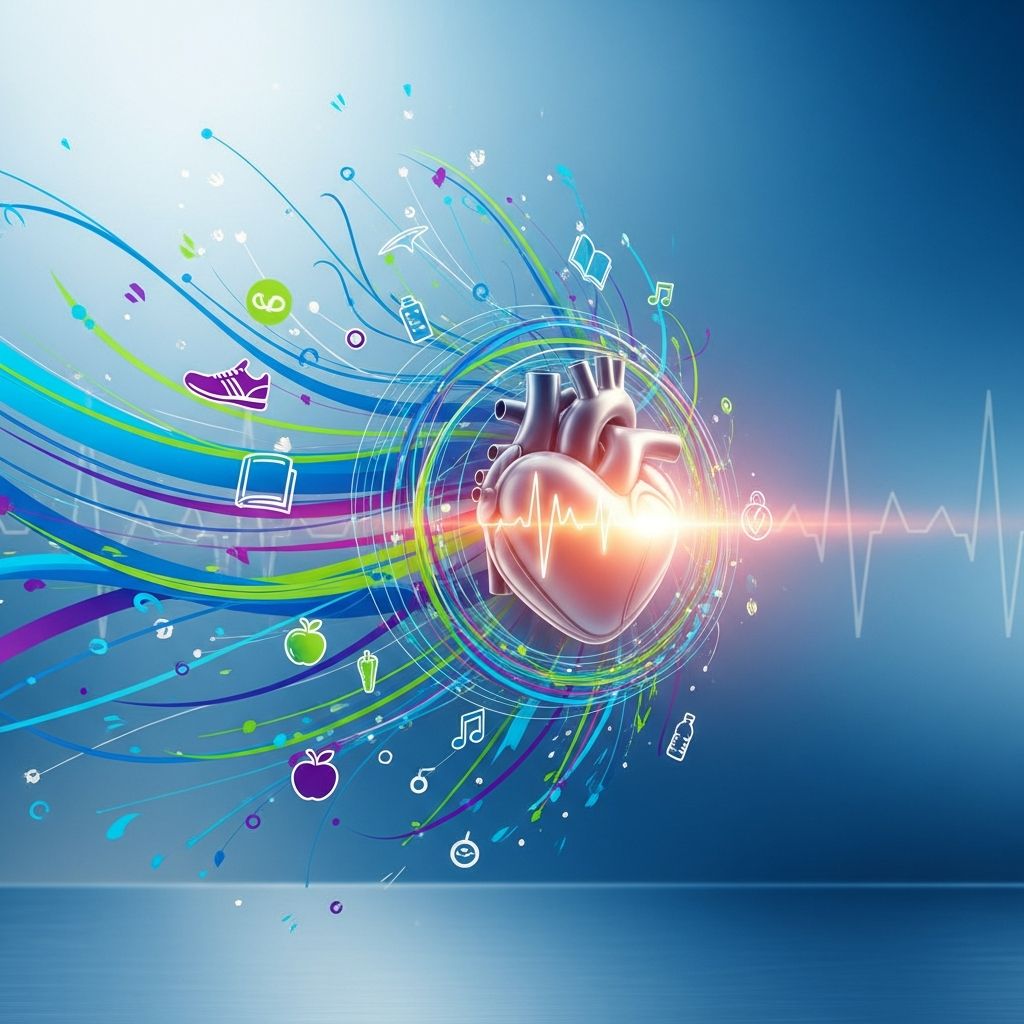
The heart stands as the body’s tireless engine, pumping blood relentlessly to deliver oxygen and nutrients while removing waste. For teenagers navigating growth spurts, sports, and lifestyle shifts, grasping this organ’s mechanics empowers better health choices amid rising risks like obesity and high blood pressure.
Inside the Heart: Chambers, Valves, and Pathways
Picture the heart as a robust, fist-sized muscle nestled slightly left in the chest cavity, protected by the rib cage. It features four chambers: two upper atria that receive blood and two lower ventricles that propel it outward. The right side handles oxygen-poor blood from the body, sending it to the lungs via the pulmonary artery, while the left side circulates oxygen-rich blood through the aorta to vital organs.
Valves ensure one-way traffic: tricuspid and pulmonary on the right, mitral and aortic on the left. These prevent backflow, creating the characteristic ‘lub-dub’ heartbeat sound from their snapping shut. Electrical impulses from the sinoatrial node, the natural pacemaker, coordinate contractions at 60-100 beats per minute at rest, accelerating during exercise or stress.
- Right Atrium: Collects deoxygenated blood from veins.
- Right Ventricle: Pumps to lungs for refreshment.
- Left Atrium: Receives oxygenated blood from lungs.
- Left Ventricle: Strongest chamber, forces blood body-wide.
Blood vessels form a vast network: arteries carry oxygenated blood away (except pulmonary), veins return it, and capillaries enable nutrient exchange. This closed loop sustains every cell, adapting to teen demands like rapid growth or athletic exertion.
The Heart’s Daily Rhythm: Pumping Life Nonstop
Each minute, your heart circulates about five liters of blood, totaling 7,000 liters daily. During systole, ventricles contract to eject blood; diastole allows refilling. This cycle repeats roughly 100,000 times per day, influenced by hormones like adrenaline for fight-or-flight boosts.
In teens, heart rate variability reflects fitness levels—trained athletes often rest at 40-60 bpm. The coronary arteries, branching from the aorta, nourish the heart muscle itself; blockages here spell trouble. Understanding these rhythms helps teens monitor exertion, like feeling pulses during runs.
| Heart Phase | What Happens | Sound Produced |
|---|---|---|
| Systole | Ventricles contract, pushing blood out | ‘Dub’ (aortic/mitral valves close) |
| Diastole | Chambers relax and refill | ‘Lub’ (tricuspid/pulmonary valves close) |
Electrical Magic: Signals That Keep It Beating
The heart’s autonomy stems from its conduction system. The sinoatrial (SA) node sparks each beat, impulses racing through atria to atrioventricular (AV) node, then bundle of His and Purkinje fibers for ventricular squeeze. Disruptions cause arrhythmias—too fast (tachycardia), slow (bradycardia), or irregular.
Teens might notice palpitations from caffeine, anxiety, or dehydration, usually benign but warranting attention if persistent. ECGs map these waves: P for atrial contraction, QRS for ventricles, T for recovery.
Fuel for the Heart: Nutrition and Blood Components
Blood isn’t just liquid; it’s plasma (90% water, proteins), red cells (oxygen carriers via hemoglobin), white cells (immunity), and platelets (clotting). The heart thrives on balanced intake: fruits, veggies, whole grains lower cholesterol; omega-3s from fish reduce inflammation.
Teens face diet pitfalls—fast food spikes triglycerides, excess salt raises pressure. Hydration keeps blood viscous ideal; aim for 8-10 glasses daily. Iron-rich foods combat anemia, easing heart workload.
Staying Active: Exercise’s Power for Cardiac Strength
Regular movement fortifies the heart, improving efficiency and endurance. Aim for 60 minutes daily: aerobic like biking builds capacity, strength training enhances muscle support. Sports stars exemplify—soccer boosts VO2 max, lowering resting rate.
Yet overexertion risks: sudden cardiac arrest strikes 1 in 50,000-80,000 young athletes yearly, often from hypertrophic cardiomyopathy (thickened muscle). Pre-sport ECGs debate rages; family history flags need.
- Moderate: Brisk walking, swimming (30-60 min, 5x/week).
- Vigorous: Running, HIIT (monitor for dizziness).
- Rest: Include recovery to avoid burnout.
Red Flags: Spotting Heart Trouble Early
Many issues lurk silently, but cues demand action: chest pain/pressure (beyond muscle strain), unexplained fatigue, dizziness on standing, fainting (syncope), irregular beats, or leg swelling. Teens in sports reporting breathlessness mid-play need cardiologist eval.
Hypertrophic cardiomyopathy tops sudden death causes, genetic and sneaky. High BP (silent killer, <3% kids but rising), cholesterol, hit teens too. Blue lips, rapid shallow breaths signal emergencies—call 911.
Risk Factors Teens Must Dodge
Modern teen life breeds dangers: obesity (1/3 adults, youth trending), sedentary screens, vaping/nicotine narrowing vessels, junk diets fueling hypertension (rising fastest in young). By 18, many pack multiple risks; tobacco addicts heart via plaque, clots.
Social hits: poor neighborhoods lack parks, economic stress limits healthy eats. COVID inactivity worsened trends.
| Risk Factor | Teen Impact | Prevention Step |
|---|---|---|
| Obesity | Strains heart, leads to diabetes | Balanced calories, daily play |
| High BP | Thickens vessels undetected | Low salt, check yearly |
| Smoking/Vaping | Boosts heart rate, plaque | Quit aids, avoid peers |
| Inactivity | Weakens pump efficiency | 60 min movement/day |
Building Habits: Lifelong Heart Defense Strategies
Start now—habits in teens slash adult disease odds. Doctor visits: yearly under 30, monitor BP/cholesterol into 30s. Sleep 8-10 hours regulates rhythms; stress management via mindfulness curbs cortisol damage.
Policy pushes: schools integrate heart ed, safe parks. Track via apps: steps, HR. Family history? Screen proactively.
Frequently Asked Questions
Can teens get high cholesterol or blood pressure?
Yes, rising trends show many 18-year-olds have these; yearly checks catch silent issues.
Is chest pain normal after sports?
Usually muscle, but if with shortness of breath or radiating, see a doctor—could signal cardiomyopathy.
How does vaping harm the teen heart?
Nicotine strains vessels, chemicals promote plaque like cigarettes; quitting slashes risks.
Should all teen athletes get ECGs?
Debated; recommended if symptoms or family risks, not routine per AHA for low-risk.
What’s a healthy teen heart rate?
60-100 bpm rest; fitter hearts lower. Palpitations from caffeine? Cut back.
Empower Your Heart: Take Charge Today
Knowledge fuels action—your heart adapts to choices. Swap soda for water, walks for scrolls, checkups for ignoring symptoms. Small shifts yield mighty protection, ensuring this powerhouse serves you decades.
References
- From Teens to Retirees: 5 Essential Tips for a Healthy Heart at Every Age — Columbia University Irving Medical Center. 2023-approx. https://www.cuimc.columbia.edu/news/teens-retirees-5-essential-tips-healthy-heart-every-age
- Addressing risk factors during teen years can prevent heart-related issues in adulthood — American Heart Association. 2025-03-26. https://www.heart.org/en/news/2025/03/26/addressing-risk-factors-during-teen-years-can-prevent-heart-related-issues-in-adulthood
- Signs of Heart Problems in Children and Teens — Children’s Healthcare of Atlanta. Recent access 2026. https://www.choa.org/parent-resources/heart/signs-of-heart-problems-in-children-and-teens
- Heart Disease Risk Factors for Children and Teenagers — Texas Heart Institute. Recent. https://www.texasheart.org/heart-health/heart-information-center/topics/heart-disease-risk-factors-for-children-and-teenagers/
- Young athletes and heart health — Mayo Clinic Health System. Recent. https://www.mayoclinichealthsystem.org/hometown-health/speaking-of-health/young-athletes-and-heart-health
- Sudden death in young people: Heart problems often blamed — Mayo Clinic. Recent. https://www.mayoclinic.org/diseases-conditions/sudden-cardiac-arrest/in-depth/sudden-death/art-20047571
- What’s Behind the Rise in Heart Attacks Among Young People? — Cardiovascular Medicine of New Jersey. Recent. https://cminj.com/whats-behind-the-rise-in-heart-attacks-among-young-people/