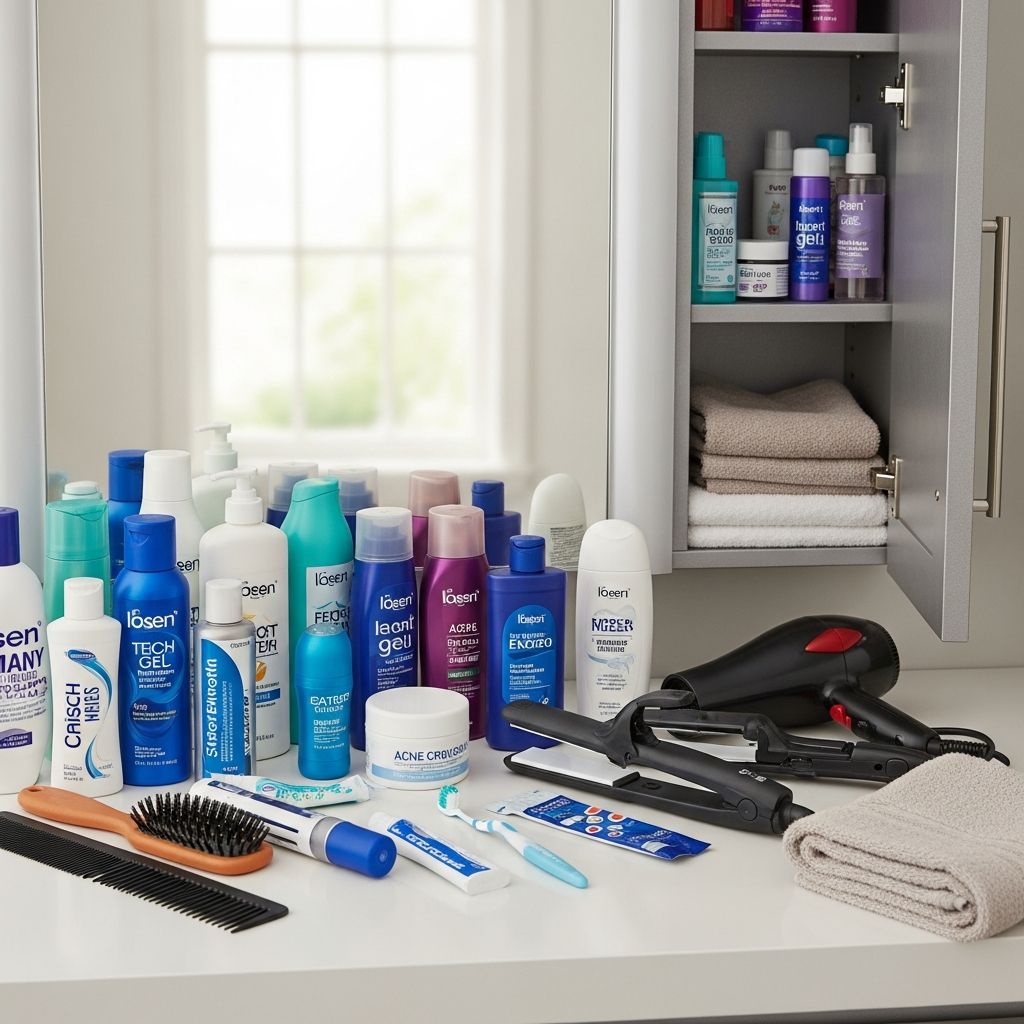
Adolescence transforms nearly everything about a young person: their body, their friendships, their confidence, even their smell. For many families, disagreements about hair, clothing, and hygiene become the loudest daily soundtrack. This guide helps parents understand what matters, what can slide, and how to keep both your teen and your relationship healthy.
Why Appearance Matters So Much in the Teen Years
Teenagers are building an adult identity, and visible choices like hair, clothes, and grooming feel like their first real tools of self-expression. At the same time, peers are watching, judging, and comparing constantly. Your teen is trying to balance fitting in with being unique, all while their body is changing without their permission.
For parents, appearance decisions can feel like a verdict on family values, responsibility, and respect. Understanding that these choices are less about rebellion and more about experimentation can lower the emotional temperature at home.
Core Principles Before You Set Any Rules
Before arguing about hair color or hoodie length, establish a few guiding principles. These will help you react consistently instead of on pure emotion.
- Health and safety first: Anything that threatens physical health or school participation deserves a firm boundary.
- Respect over control: Your goal is to teach decision-making, not to win every style debate.
- Consistency: Rules are easier to follow when they are predictable and explained ahead of time, not invented mid-argument.
- Cultural and school context: Consider dress codes, religious norms, activities, and climate when you set expectations.
Talking About Appearance Without Shaming
How you talk about hair, clothes, and hygiene will shape how your teen feels about their body for years to come. Critical or disgusted comments may push them away, shut down communication, or damage self-esteem.
- Describe concrete behavior, not their worth. For example, “Your clothes from yesterday smell like sweat; grab a clean shirt,” instead of “You’re gross.”
- Use curiosity over judgment: “What do you like about this hairstyle?” invites a conversation instead of a fight.
- Avoid public criticism. Correcting hygiene or dress issues privately preserves their dignity.
Setting Reasonable Limits on Teen Hair Choices
Hair is often the safest place for teens to experiment, yet it can trigger strong parental reactions. Think through your non-negotiables and flex areas before making promises or threats.
- Health baseline: Expect basic cleanliness: regular washing, combing or brushing, and dealing with dandruff or scalp issues.
- Style flexibility: Hair length, curls vs. straight, braids, fades, and temporary color are usually low-risk ways for teens to express themselves.
- Limits you might set: No harsh chemicals at home without supervision, no DIY bleaching, and professional help for drastic changes.
Questions to Ask Before Saying “No” to a Hair Idea
- Is this unsafe or just unfamiliar?
- Will it seriously affect school or work opportunities?
- Is there a compromise, like temporary dye instead of permanent, or a trial length over school breaks?
Clothing Rules That Actually Work
Clothing arguments often mix together modesty, budget, school rules, and generational taste. Separating these layers makes it easier to stay calm and fair.
Four Key Clothing Categories
| Category | What Matters Most | Typical Parent Rules |
|---|---|---|
| School and activities | Dress code, movement, concentration, safety | Meets school rules; closed-toe shoes for labs/PE; no offensive graphics |
| Family events | Respect for guests, photos, cultural expectations | “Neat and clean”; specific outfits for religious or formal events |
| Everyday casual wear | Self-expression, comfort, hygiene | Clean clothes; coverage for private body parts; climate-appropriate layers |
| Online and social media | Privacy, safety, digital footprint | No posting images in underwear or swimwear without family discussion |
When you frame clothing expectations by situation instead of taste, your teen can better understand why certain outfits are fine for a concert but not for a job interview.
Hygiene: What’s Reasonable to Expect?
Once puberty starts, hygiene stops being optional. Hormonal changes lead to body odor, oily skin, and more sweat. Teens need clearer routines and more private responsibility, not just reminders yelled down the hallway.
Sample Minimum Hygiene Standards for Teens
- Shower or bathe at least every other day, and daily if playing sports or sweating heavily.
- Use deodorant or antiperspirant if there is noticeable body odor.
- Brush teeth twice a day and floss once a day.
- Wear clean socks and underwear every day.
- Change out of sweaty clothes after practice or games.
- Wash face morning and night if they have oily skin or acne.
You can adjust these basics for your climate, your teen’s activity level, and any medical considerations, but it helps to write them down and review them together rather than assuming they are obvious.
From Nagging to Routines: Making Hygiene Automatic
Constant reminders often lead to eye-rolling and arguments. Routines and systems reduce friction and help teens eventually manage on their own.
Simple Ways to Support Hygiene Habits
- Create a bathroom checklist: A discreet list on the inside of a cabinet door can cover showering, deodorant, teeth, hair, and skincare.
- Use routines, not random requests: For example, “Shower right after practice” becomes a rule, not a daily debate.
- Provide the right supplies: Teens are more likely to care about hygiene if they have their own products that match their hair type, skin needs, and scent preferences.
- Connect responsibilities to privileges: Access to phones, gaming, or going out can reasonably depend on meeting basic self-care expectations.
Handling Smell, Mess, and Laundry Without Humiliating Your Teen
Body odor, piles of dirty clothes, and unwashed gym gear can disrupt the whole household. The goal is to treat these as solvable problems, not character flaws.
- Offer practical fixes: a separate laundry basket for sportswear, hooks for damp towels, or extra socks and underwear stocked in their drawer.
- Keep humor kind, not cutting. Light teasing may work in some families, but repeated jokes about smell can become hurtful.
- Teach laundry skills early: sorting, using detergent, reading labels, and managing a weekly wash schedule.
Body Hair, Shaving, and Grooming Choices
Facial hair, leg hair, and underarm hair often appear before teens feel ready to handle them. Some want to shave immediately; others are comfortable leaving everything natural. Try not to assume one “correct” choice.
- Explain options: shaving, trimming, waxing, or leaving it alone, along with pros and cons of each.
- Emphasize safety: demonstrate how to use razors, clippers, or other tools properly; discuss infections and skin irritation.
- Respect cultural and personal values: in some families or communities, certain grooming practices carry specific meanings. Talk openly about these meanings.
Skin and Hair Care for Acne, Dandruff, and Oily Scalp
Visible skin or scalp problems can make a teen extremely self-conscious, and they may pretend not to care to hide embarrassment. Offer help without making their appearance the center of every conversation.
- Start simple: gentle cleansers, non-comedogenic moisturizers, and mild medicated shampoos when needed.
- Discourage harmful DIY fixes: over-scrubbing, picking at acne, or using harsh chemicals can make things worse.
- Involve professionals when appropriate: if acne, dandruff, or hair loss is severe or painful, suggest a visit to a pediatrician or dermatologist.
Balancing Privacy and Oversight
Teens crave privacy, especially around bathrooms and bedrooms, but parents still have a responsibility to make sure health and safety needs are met. Negotiating this balance is tricky but essential.
- Knock before entering bedrooms and bathrooms, and expect your teen to do the same.
- Let them choose many of their grooming products and clothing within an agreed budget.
- Make clear that privacy is not secrecy. You may still need to check in if there are signs of self-harm, eating disorders, or severe withdrawal.
When Appearance Conflicts With Your Values
Sometimes hair or clothing choices tap directly into family values: modesty, professionalism, religious expectations, or messages printed on clothing. These conversations are about more than fashion; they are about identity and belief.
- Explain the “why” behind your standards instead of issuing orders. Teens are more willing to compromise when they understand the values beneath a rule.
- Look for “yes, but” solutions: “Yes, you can wear that top with a tank underneath,” or “Yes, you can dye your hair, but not with profanity shaved into it.”
- Admit generational gaps. Your teen’s version of “normal” style will not match what you wore at their age—and that is okay.
Red Flags Behind Sudden Changes in Appearance
Most style shifts are harmless experiments, but some changes may signal deeper struggles. Watch for patterns rather than panicking about a single outfit or haircut.
- Drastic neglect of hygiene after previously caring about it.
- Covering up excessively in hot weather, possibly to hide self-harm or weight changes.
- Extreme dieting or obsession with body size combined with rigid grooming rituals.
- Symbols, slogans, or imagery connected to hate groups, self-harm, or drug culture.
If several of these signs appear together, consider a calm, private conversation and, if needed, support from a health or mental health professional.
Practical Scripts for Common Situations
Knowing what to say in the moment can keep small issues from turning into full-blown battles. Adapt these scripts to your style and your teen’s personality.
- About showering: “Practice was intense today. Please shower before dinner so you feel better and we’re not bringing locker room smell to the table.”
- About clothes for an event: “For the ceremony, the expectation is neat clothes without rips. You can decide whether that’s dress pants, a skirt, or a dress as long as it’s clean and fits well.”
- About hair experiments: “I hear that you want bright blue hair. I’m okay trying a temporary color over winter break, with a professional doing it so we protect your hair.”
Frequently Asked Questions
How often should a teenager realistically shower?
For most teens, every other day is the minimum, and daily is recommended if they play sports, sweat easily, or live in a hot climate. The key is controlling body odor and keeping skin healthy, not following a rigid schedule.
What if my teen refuses to use deodorant?
Start by explaining what body odor is and how it affects their social life. Then offer a few different deodorant options, including fragrance-free or sensitive-skin varieties, and allow them to choose which they prefer.
Is it okay to let my teen dye their hair?
In many families, hair color is treated as a reversible form of self-expression. If you are concerned about damage, aim for temporary dyes or semi-permanent colors applied by a professional, and avoid harsh bleaching at home.
How do I handle clothes that are too revealing or too baggy for my comfort?
Clarify what counts as appropriate for school, family events, and hanging out with friends. Explain your reasons—safety, modesty, or dress codes—then work with your teen to find compromise pieces that respect both your boundaries and their style.
When should I worry about my teen’s hygiene?
If your teen suddenly stops caring about basic self-care, avoids bathing for long periods, or seems withdrawn and down, hygiene issues may be a sign of depression, anxiety, or other health concerns. In those cases, focus more on emotional support and less on criticism, and consider involving a professional.
Helping Your Teen Own Their Self-Care
The long-term goal is not perfect hair or spotless clothes; it is helping your teen learn to care for their body, present themselves confidently, and respect both their own preferences and their environment. By focusing on health, safety, and mutual respect—rather than winning every style argument—you set your teenager up to carry solid self-care habits and a resilient sense of self into adulthood.