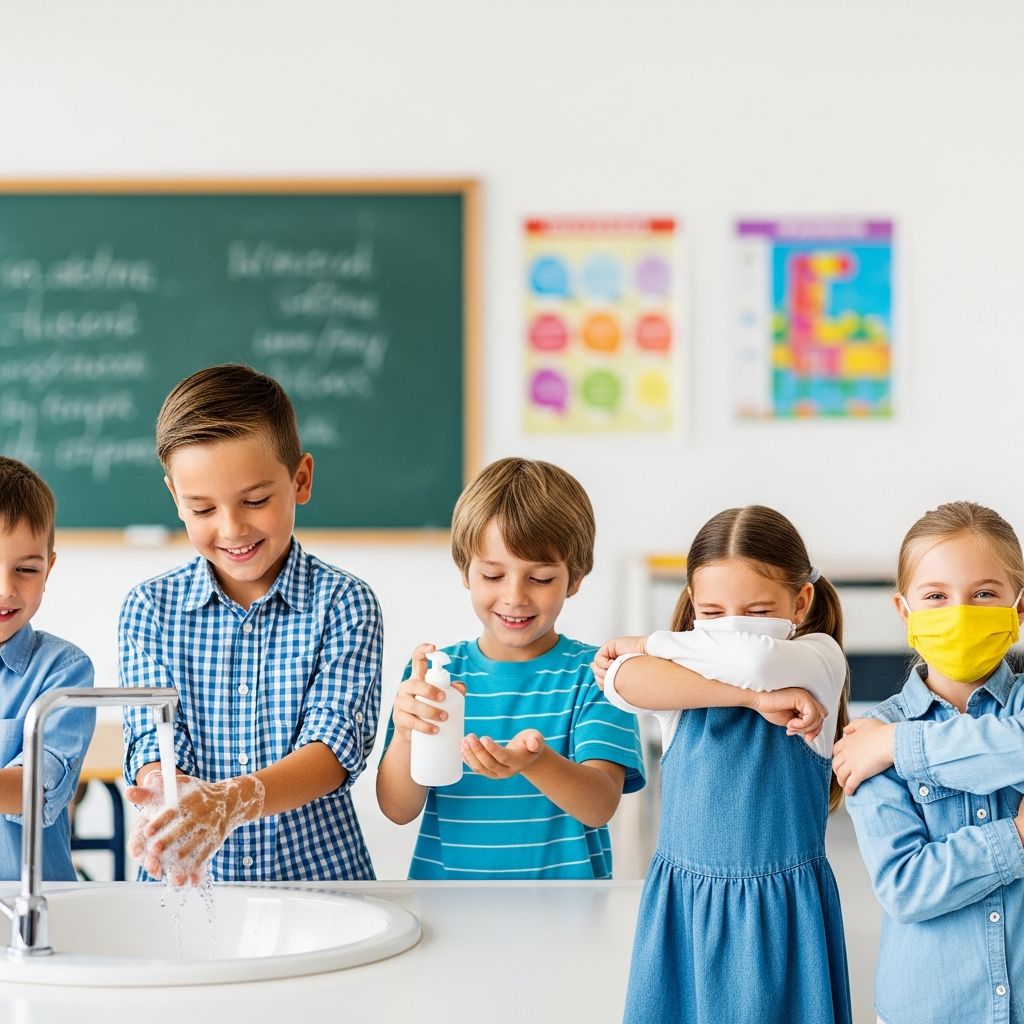
Navigating school life means dealing with crowded hallways, shared desks, and close interactions that can spread illnesses like the flu rapidly. Influenza, commonly known as the flu, peaks during colder months but can strike anytime, especially when students gather. Teens face unique challenges: busy schedules, social pressures, and developing immune systems make prevention crucial. This guide equips you with practical, evidence-based steps to protect yourself, reduce absences, and safeguard your community. By adopting these habits, you not only lower your risk but also contribute to herd immunity, protecting vulnerable peers.
Understanding Flu Risks in Educational Settings
Schools are hotspots for flu transmission due to high student density and frequent surface contacts. The virus spreads through respiratory droplets from coughs, sneezes, or even talking, lingering on doorknobs, keyboards, and lunch trays. According to health authorities, unvaccinated children are far more likely to contract and spread flu, leading to outbreaks that disrupt classes and extracurriculars. Teens might dismiss early symptoms like fatigue or mild fever, delaying action and amplifying spread. Recognizing that flu can cause severe complications—hospitalizations affect thousands annually—highlights the need for proactive defense.
Seasonal flu strains vary yearly, making annual protection essential. Data shows vaccinated students miss fewer school days, maintaining academic performance. Beyond personal health, prevention curbs community-wide impacts, easing burdens on families and healthcare systems.
Top Defense: Annual Flu Vaccination
The cornerstone of flu prevention is vaccination, recommended for everyone six months and older by leading health organizations. Getting the shot before school starts builds immunity within two weeks, slashing infection risk by up to 60% and severity if breakthrough occurs. For teens, vaccines come as shots or nasal sprays, fitting active lifestyles.
- Schedule early: Aim for September to cover peak season.
- School clinics: Many offer on-site shots; check with your administration.
- Community protection: Vaccinating reduces spread to those unable to get shots, like younger siblings or immunocompromised friends.
Myths persist—the vaccine doesn’t cause flu; inactivated versions can’t infect. Side effects are mild, like arm soreness. Consult providers for nasal spray eligibility if needle-averse.
Mastering Hand Hygiene Basics
Hands are flu gateways; viruses hitch rides from surfaces to mucous membranes. Frequent washing disrupts this cycle dramatically. Soap and water for 20 seconds—or sanitizer with 60% alcohol when unavailable—cuts germ transmission.
| Scenario | Best Practice | Why It Works |
|---|---|---|
| Between classes | Quick sanitizer rub | Targets lingering droplets on hands |
| After lunch | Thorough soap scrub | Removes food-contaminated germs |
| Post-sports | Wash + dry fully | Prevents moisture-aided spread |
Teach yourself: Lather backs, nails, wrists. Avoid face-touching; it’s instinctive but risky. Schools stocking supplies amplify effectiveness—advocate if short.
Respiratory Etiquette Essentials
Coughs and sneezes propel viruses meters away. Proper etiquette contains them: elbow over hands, tissues to trash immediately, followed by hand cleaning. This simple habit prevents direct exposure and surface contamination.
- Cough/sneeze into elbow crook.
- Use disposable tissues; no reusing.
- Wash hands post-etiquette.
- Model for peers to normalize.
In group settings like buses or assemblies, spacing helps. Masks during high-spread periods add layers, though not always required.
Building Immunity Through Lifestyle
A robust immune system repels invaders. Prioritize sleep (8-10 hours), balanced nutrition with vitamins C and D-rich foods, and 60 minutes daily activity. These bolster defenses, reducing flu susceptibility.
Fruits, veggies, proteins fuel recovery; hydration flushes toxins. Exercise circulates immune cells; rest consolidates gains. Teens juggling homework and sports: consistent routines pay off.
Maintaining Germ-Free Spaces
High-touch areas breed flu: desks, rails, remotes. Regular disinfection bridges cleaning gaps. Teens can wipe personal zones; share tips with custodians for communal efforts.
- Daily: Personal items like phones, binders.
- Weekly: Shared tech, lockers.
- Use EPA-approved disinfectants; let dwell 10 minutes.
Parents reinforce at home: sanitize packs, bottles. School policies on supplies ensure readiness.
Recognizing Symptoms and Isolation Protocols
Flu hits fast: fever, aches, cough, fatigue. Stay home until fever-free 24 hours sans meds, preventing school seeding. Early rest hastens recovery; notify teachers for assignments.
Monitor: If symptoms worsen (breathing issues, chest pain), seek care promptly. Antivirals within 48 hours shorten duration for high-risk teens.
School-Wide Strategies for Lasting Impact
Collaborate: Educate clubs on prevention; petition for vaccine drives. Track local flu trends via health apps; adjust behaviors. Inclusive approaches protect all, fostering resilient communities.
Long-term: Habits extend beyond flu season, guarding against colds, COVID variants. Empower yourself as a health leader.
Frequently Asked Questions
Is the flu vaccine safe for teens?
Yes, rigorously tested annually; protects without causing flu.
How long stay home with flu?
Until fever-free 24 hours and improved.
Can sanitizer replace washing?
No, use when soap unavailable; prefer washing.
Does flu shot guarantee no illness?
No, but reduces risk/severity significantly.
What if exposed despite precautions?
Monitor symptoms; consult doctor if high-risk.
References
- 7 Back-to-School Flu Preparedness Tips — Families Fighting Flu. 2023. https://familiesfightingflu.org/7-back-to-school-flu-preparedness-tips/
- Healthy Habits to Prevent Flu | Influenza (Flu) — Centers for Disease Control and Prevention (CDC). 2024-10-01. https://www.cdc.gov/flu/prevention/actions-prevent-flu.html
- Keeping Flu Out of School — National Foundation for Infectious Diseases (NFID). 2024. https://www.nfid.org/keeping-flu-out-of-school/
- 6 Ways to Prevent Your Child From Getting the Flu — Children’s Healthcare of Atlanta. 2024. https://www.choa.org/parent-resources/flu/how-to-prevent-the-flu
- Flu and Pandemic Prevention — California Department of Education. 2024. https://www.cde.ca.gov/ls/he/hn/fluinfo.asp