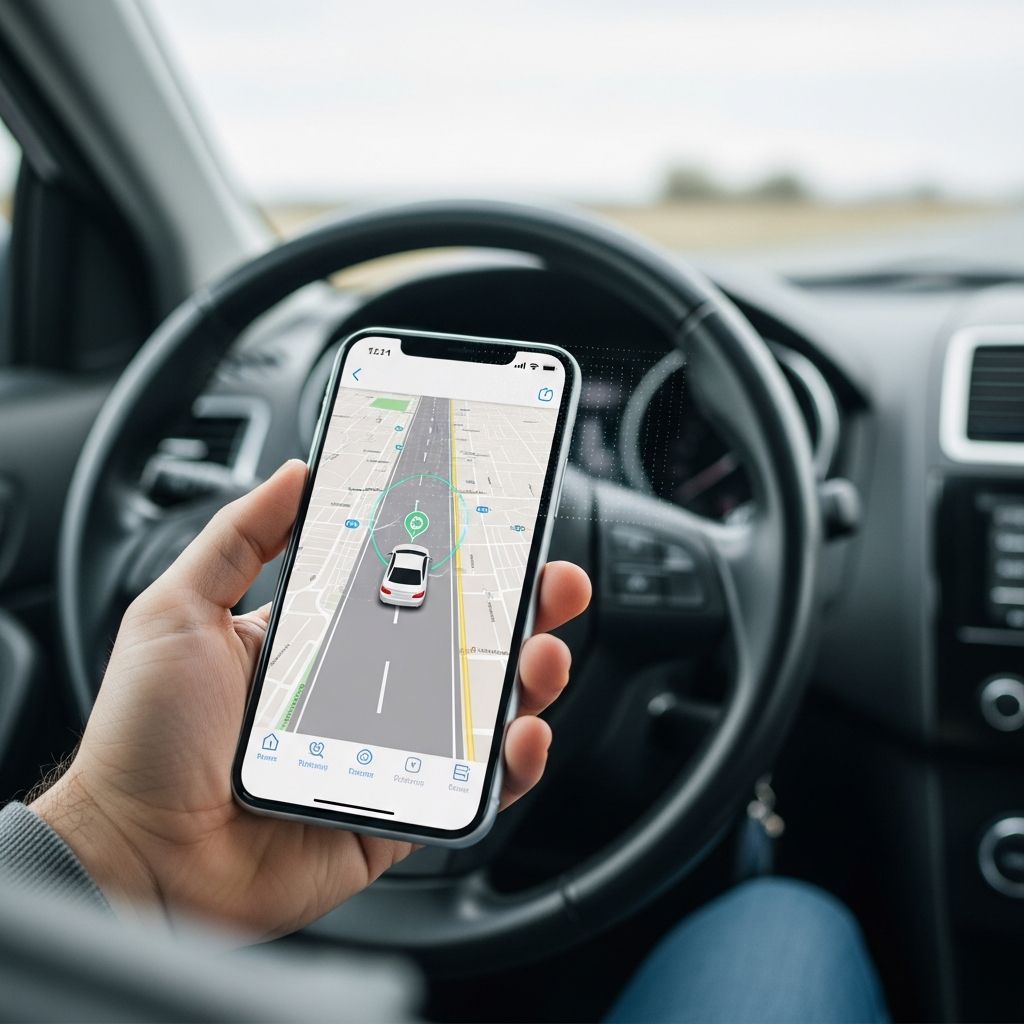
Modern technology offers parents powerful ways to oversee their teenagers’ driving, helping to curb common risks like speeding and distraction. These tools track location, speed, and habits in real time, potentially saving lives and reducing insurance costs.
Why Teen Driving Demands Extra Vigilance
Teenage years mark a thrilling yet perilous phase for new drivers. Inexperience often leads to errors, with data showing heightened crash risks compared to older groups. Factors such as peer pressure, nighttime outings, and mobile distractions amplify dangers. Parents face the challenge of granting independence while ensuring safety, creating a delicate balance.
Government statistics highlight that young drivers are prone to accidents during late hours or weekends, underscoring the need for proactive measures. Traditional methods like verbal rules fall short against real-world temptations, making tech interventions essential for ongoing guidance.
Core Features of Driver Monitoring Technology
Today’s apps and devices harness GPS, smartphone sensors, and AI to deliver comprehensive oversight. Key capabilities include:
- Speed Detection: Alerts for exceeding limits, helping prevent high-speed incidents.
- Braking and Acceleration Analysis: Flags harsh maneuvers indicating aggressive styles.
- Phone Usage Tracking: Identifies distractions, often via motion sensors or do-not-disturb modes.
- Location and Boundary Alerts: Monitors routes, curfews, and geofences for unauthorized areas.
- Trip Summaries: Post-drive reports with scores and improvement tips.
These elements provide objective data, turning vague concerns into actionable insights. For instance, parents can review patterns over weeks, spotting recurring issues like rapid acceleration during rush hours.
Boosting Safety Through Active Supervision
Monitoring isn’t just about watching; it’s about coaching. Real-time notifications allow immediate interventions, such as texts reminding teens to slow down. Studies confirm that awareness of oversight leads to cautious behavior, with monitored teens showing fewer risky actions.
Gamification adds engagement: scores, badges, and leaderboards motivate better performance. Parents report improved family discussions around driving, fostering trust as teens demonstrate responsibility. Over time, this builds lifelong safe habits, reducing accident likelihood by addressing impulsivity early.
Financial Perks: Cutting Insurance Expenses
Beyond safety, these systems offer economic advantages. Insurers reward safe habits with discounts via usage-based programs, sometimes up to 30% off premiums. Teens proving low mileage or careful driving qualify for lower rates, easing the high costs of young driver policies.
| Benefit | Description | Potential Savings |
|---|---|---|
| Enrollment Bonus | Discount for signing up, regardless of initial data | 10-20% |
| Safe Driving Rewards | Based on monitored habits like smooth braking | Up to 30% |
| Low Mileage Credits | Reduced driving time or distance | 15-25% |
However, poor habits could raise rates, incentivizing consistency. Parents should compare providers, as not all apps yield discounts.
Navigating Privacy and Trust Challenges
Critics raise valid privacy flags, noting data collection on locations and behaviors. Organizations urge reviewing terms to understand sharing practices. Teens may resent feeling spied on, viewing it as distrust.
To counter this, open conversations are key. Frame monitoring as temporary, tied to milestones like good scores earning less oversight. Set mutual rules: data reviews together, no secret checks. This approach preserves autonomy while prioritizing protection, with many families reporting stronger bonds post-implementation.
Choosing the Ideal Tracking Solution
Options abound: plug-in devices for vehicles, app-only via phones, or hybrid telematics. Consider:
- Phone Apps: Affordable, no hardware, but battery drain and disabling risks.
- OBD-II Plugs: Accurate, vehicle-integrated, harder to tamper.
- Full GPS Units: Robust for fleets or high-risk needs.
Evaluate compatibility, alerts, reporting depth, and insurer partnerships. Trial periods help test fit. Prioritize user-friendly interfaces for teens to self-monitor.
Real-World Success Stories and Data
Evidence supports efficacy. Research from safety institutes shows monitoring cuts risky behaviors significantly. One study found equipped teens less prone to speeding or distractions. Parents note fewer violations, with apps aiding enforcement of curfews or passenger limits.
In emergencies, SOS features or crash detection summon help swiftly, proving lifesaving. Long-term, users see matured driving skills, preparing teens for unmonitored independence.
Implementation Best Practices
Success hinges on strategy:
- Discuss benefits upfront, emphasizing safety over control.
- Define clear goals, like no phone use or speed adherence.
- Review data weekly, celebrating wins.
- Phase out as habits solidify, perhaps after six months.
- Combine with education, like defensive courses.
Address resistance by involving teens in app selection, giving ownership.
Frequently Asked Questions
Are tracking apps legal for teen drivers?
Yes, parents can monitor family vehicles or teen phones with consent. Check state laws on data use, but they’re generally permitted for minors.
Do these tools guarantee safer driving?
They significantly reduce risks via feedback, but require parental follow-through. No tech replaces communication.
Can teens disable the tracking?
Some apps allow it, triggering alerts; others need hardware. Choose tamper-proof options and discuss consequences.
How much do monitoring apps cost?
Free via insurers; standalone apps $5-15/month, devices $50-150 upfront plus subscription.
Will monitoring affect college-bound teens?
Use it as a bridge: monitor at home, then transition to self-tracking apps for away independence.
Future Innovations in Teen Driver Tech
Advancements like AI predictive analytics forecast risks, suggesting routes or habits preemptively. Integration with car ADAS (advanced driver-assistance systems) promises seamless safety nets. As adoption grows, expect standardized features and broader insurer incentives, further safeguarding young motorists.
In summary, tracking tech empowers parents to guide teens through driving’s hazards, blending vigilance with growth. With thoughtful use, it transforms worry into confidence on the road.
References
- Reducing Risk for Teen Drivers — Centers for Disease Control and Prevention (CDC). 2023-10-01. https://www.cdc.gov/teen-drivers/prevention/index.html
- Driving Technology Promises Large Safety Benefits for Teens — Insurance Institute for Highway Safety (IIHS). 2023-05-15. https://www.iihs.org/news/detail/driving-technology-promises-large-safety-benefits-for-teens
- Technology-Based Interventions, Assessments, and Solutions for… — National Library of Medicine (PMC). 2019-02-20. https://pmc.ncbi.nlm.nih.gov/articles/PMC6365877/
- Should You Monitor Your Teen’s Driving with an Insurance App? — Money.com. 2024-08-12. https://money.com/should-you-monitor-your-teens-driving-with-an-insurance-app/
- Lower Teen Driver Car Insurance With GPS Tracking — GPS Leaders. 2024-03-05. https://gpsleaders.com/post/lower-teen-driver-car-insurance-with-gps-tracking