Introduction
Teen drivers represent a unique challenge on the road, combining inexperience with a higher likelihood of risk-taking behaviors. Each year, thousands of lives are affected by accidents involving young drivers, making it essential for parents, educators, and communities to understand the risks and implement effective safety measures. This article explores the realities of teen driving, the dangers faced by both drivers and pedestrians, and actionable steps to foster a safer environment for everyone.
Teen Driving: The Statistics
Teen drivers are disproportionately involved in traffic accidents compared to other age groups. In the United States, motor vehicle crashes remain the leading cause of death for teenagers, with fatal crash rates per mile driven nearly three times higher than for adult drivers. The risk is highest for 16- and 17-year-olds, and the majority of serious teen crashes are due to critical errors such as inadequate hazard scanning, speeding, and distraction.
- Teen drivers are four times more likely to be involved in a crash or near-crash while distracted than adults.
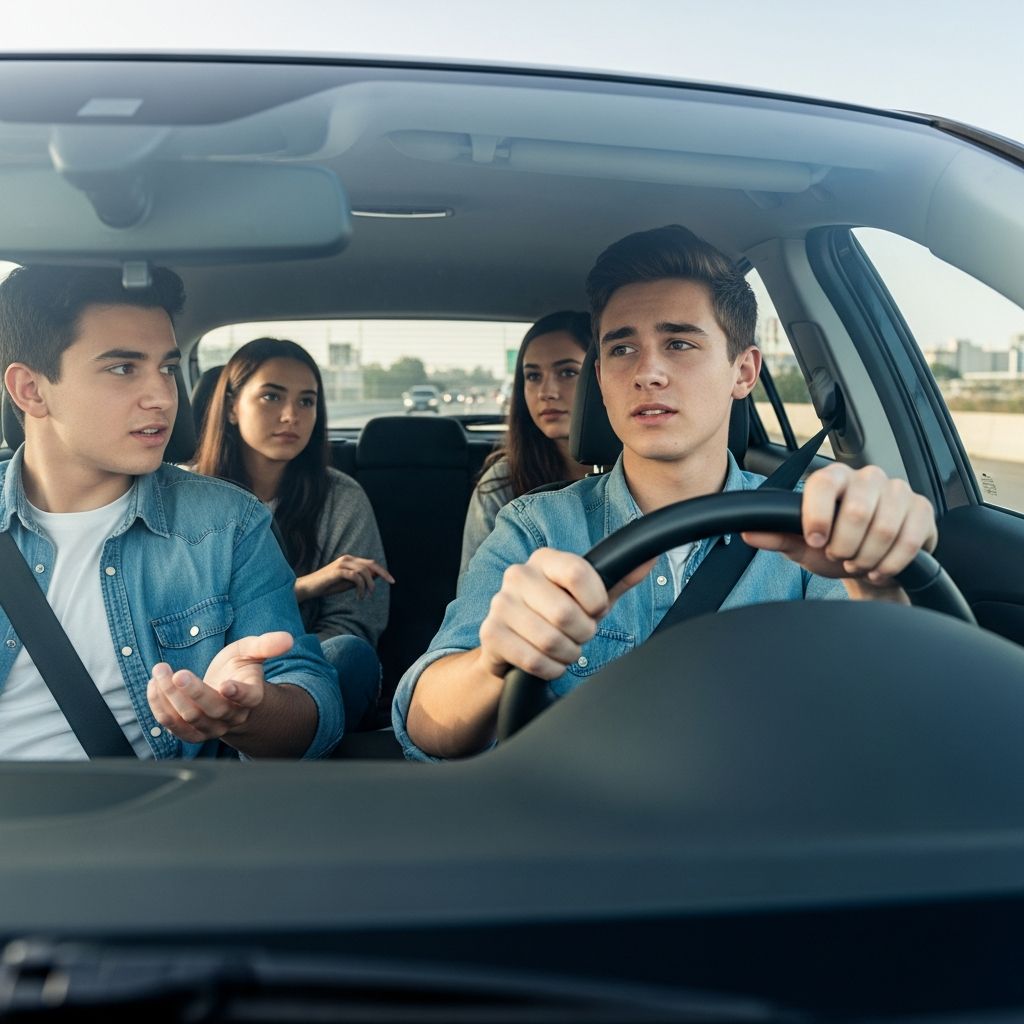
- Carrying passengers, especially other teens, significantly increases the risk of a crash. The risk quadruples when a teen driver has three or more young passengers.
- Nighttime driving is particularly dangerous, with fatal crash rates at night about three times higher for teens than for adults.
Common Causes of Teen Crashes
Several factors contribute to the high rate of accidents among teen drivers. Understanding these causes is the first step toward prevention.
- Distracted Driving: Engaging with phones, music, or passengers diverts attention from the road. Visual-manual tasks like texting increase crash risk by three times.
- Speeding: Teens are more likely to speed and maintain shorter following distances, especially when male passengers are present.
- Inexperience: Lack of experience means teens may not recognize hazards or respond appropriately to changing road conditions.
- Peer Influence: The presence of other teens in the car can lead to riskier behaviors and increased crash likelihood.
Pedestrian Safety and Teen Drivers
Pedestrians, especially children and adolescents, are also at risk when sharing the road with teen drivers. Approximately 600 children and adolescents die from pedestrian injuries each year, with most injuries related to motor vehicle traffic.
- Most pedestrian fatalities occur at night, highlighting the added danger of nighttime driving for both teens and pedestrians.
- Teen drivers are less likely to scan for pedestrians and may be distracted by passengers or devices.
- Enforcing speed limits and reducing distracted driving can significantly lower pedestrian injury rates.
Strategies for Safer Teen Driving
Parents, schools, and communities can take several steps to reduce the risks associated with teen driving.
- Graduated Driver Licensing (GDL): Most states have implemented GDL programs that restrict night driving and limit the number of passengers for new drivers. These programs have been shown to reduce crash rates.
- Parental Involvement: Parents play a crucial role in modeling safe driving behaviors and setting clear rules for their teens. Open communication about the risks and responsibilities of driving is essential.
- Driver Education: Comprehensive driver education programs can help teens develop the skills and habits needed for safe driving.
- Technology: Use of in-car monitoring systems and apps that limit phone use while driving can help reduce distractions.
FAQs: Teen Driver Safety
- Why are teen drivers more likely to be involved in crashes?
- Teen drivers are more likely to be involved in crashes due to inexperience, risk-taking behaviors, and distractions such as phones and passengers.
- How can parents help their teen become a safer driver?
- Parents can help by setting clear rules, modeling safe driving behaviors, and encouraging open communication about the risks and responsibilities of driving.
- What are the most effective ways to reduce teen driving risks?
- Graduated driver licensing, parental involvement, comprehensive driver education, and the use of technology to reduce distractions are all effective strategies.
- Are there specific times when teen driving is more dangerous?
- Yes, nighttime driving is particularly dangerous for teens, with fatal crash rates about three times higher than during the day.
- How can communities improve pedestrian safety around teen drivers?
- Communities can improve pedestrian safety by enforcing speed limits, reducing distracted driving, and educating both drivers and pedestrians on their rights and responsibilities.
Conclusion
Teen driving presents unique challenges that require a multifaceted approach to ensure safety for both drivers and pedestrians. By understanding the risks, implementing effective prevention strategies, and fostering open communication, parents and communities can help create a safer environment for everyone on the road. The journey toward safer teen driving begins with awareness, education, and a commitment to shared responsibility.