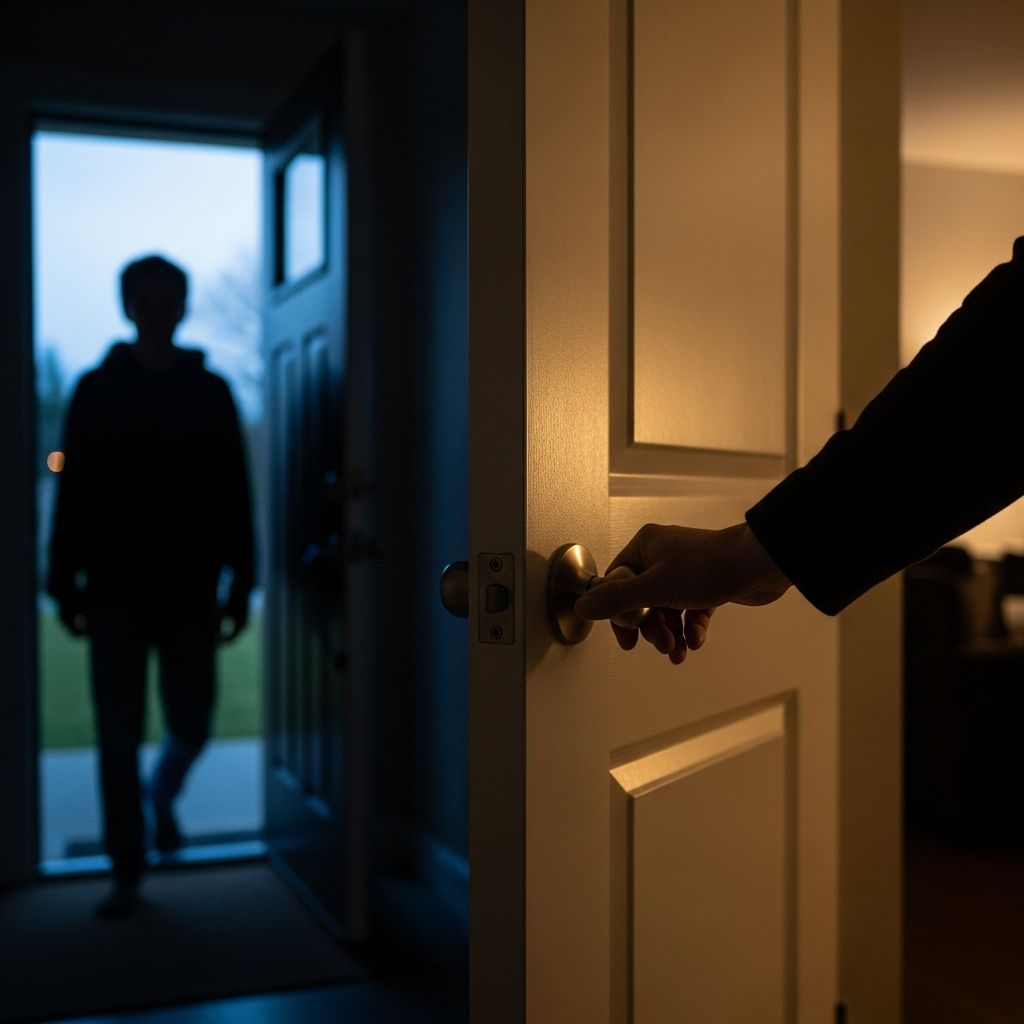
Establishing and maintaining curfews for teenagers serves as a critical tool for parents to balance granting independence with ensuring safety. Curfews help limit exposure to late-night risks, promote healthy sleep patterns, and teach essential life skills like punctuality and accountability.
Why Curfews Matter for Adolescent Development
During the teenage years, adolescents push for more freedom while parents aim to protect them from potential dangers. Youth curfews, whether family-imposed or community-mandated, reduce opportunities for crime involvement or victimization by restricting unsupervised public presence during high-risk hours. Research from the Office of Juvenile Justice and Delinquency Prevention highlights that these measures enhance public safety by keeping youths home when delinquency peaks.
Beyond safety, curfews foster **time management skills**. Teens must plan their evenings to return home promptly, preparing them for future responsibilities like jobs or college schedules. Adequate sleep, often safeguarded by reasonable curfew times, supports mental health, academic performance, and physical well-being, countering the doubled rates of teen anxiety and depression since 2020.
Age-Appropriate Curfew Guidelines
Curfew times should evolve with a teen’s maturity and circumstances. Consider factors like school nights, weekends, event types, transportation, and companions when deciding limits.
- School nights: Aim for 9-10 PM to allow homework and rest, prioritizing academic success.
- Weekends: Extend to 11 PM-midnight for social events, but tie to demonstrated reliability.
- Special occasions: Adjust for concerts or dances with prior agreement, ensuring safe transport plans.
Community curfew laws often set baselines, such as no public presence for minors after 11 PM on weeknights or 12 AM on weekends, with exceptions for work or family accompaniment. Align family rules with these to reinforce societal norms.
Steps to Introduce Curfews Collaboratively
Involve your teen in the process to build buy-in and reduce rebellion. Start with open discussions about risks and benefits, using facts like reduced crime exposure during curfew hours.
- Discuss openly: Share concerns about safety and sleep without lecturing. Ask for their input on reasonable times based on past behavior.
- Set clear rules: Define exact times, check-in protocols (e.g., text if delayed), and exceptions like emergencies or rideshare needs.
- Outline consequences: Agree on fair repercussions upfront, such as grounding or privilege loss, and flexibility for unavoidable delays like weather.
- Monitor initially: Use tracking apps sparingly at first to build trust, transitioning to self-reporting as reliability grows.
Communicate expectations firmly before outings. Ensure teens know protocols for delays, like calling for a pickup if a driver is impaired.
Common Challenges and Solutions
Teens may test boundaries, leading to violations. Parental reactions vary, influencing future compliance.
| Challenge | Symptom | Solution |
|---|---|---|
| Late returns | Frequent excuses | Immediate discussion and consequence application |
| Sneaking out | Found missing post-curfew | Enhanced supervision, privilege revocation |
| Peer pressure | Blames friends | Role-play refusal skills, limit risky outings |
| Denial of issue | Minimizes risks | Share stats on late-night incidents |
Zero-tolerance periods can reset habits during high-violation phases, but pair with positive reinforcement for compliance.
Consequences That Teach Rather Than Punish
Effective discipline links actions to outcomes, promoting growth. Follow through consistently to establish credibility.
- Short-term loss of phone or car use for first offenses.
- Tighter curfews or supervised outings for repeats.
- Restoration through good behavior, like earning back privileges weekly.
Distinguish willful breaks from legitimate issues, such as traffic or mechanical failures, showing fairness builds respect. Legal consequences for public violations include fines or community service, underscoring real-world accountability.
The Role of Community and Legal Frameworks
Many cities enforce youth curfews to curb delinquency, with police detaining violators and notifying parents. Programs like Operation Night Light combine probation curfews with home visits for at-risk youth, enforcing 7-11 PM limits.
Enforcement varies; active policing yields better crime reductions. Parents face fines for non-supervision in some areas, motivating vigilance. Recent pilots, like Washington DC’s 2023 initiative, connect violators to services rather than just punishment.
Critics note mixed efficacy, with some studies linking curfews to higher gun violence ratios, advocating repeal for safety. Balance local laws with family rules for comprehensive protection.
Building Long-Term Responsibility
Curfews transition teens toward autonomy. Gradually loosen as they prove trustworthy, perhaps tying extensions to grades or chores.
Encourage reflection post-outing: What went well? What to improve? This internalizes time management. Address underlying issues like mental health if violations persist, seeking counseling amid rising teen crises.
Frequently Asked Questions (FAQs)
What if my teen consistently ignores curfews?
Implement graduated consequences, involve them in rule-setting, and consider professional help if linked to broader issues like depression.
Are community curfews legally binding on families?
Yes, violations can lead to custody, fines, or court; exceptions apply for work or emergencies.
How do curfews impact teen sleep and health?
They ensure earlier bedtimes, vital for cognitive function and mood regulation.
Should I use GPS tracking?
Use temporarily for safety, but prioritize trust-building to avoid resentment.
What about weekends or special events?
Negotiate extensions with safety plans, maintaining core expectations.
Empowering Teens Through Structured Freedom
Curfews, when enforced thoughtfully, equip teens with tools for adulthood: self-control, planning, and respect for limits. Consistent parental leadership, informed by evidence-based strategies, minimizes risks while nurturing independence.
Monitor local ordinances and adapt family policies accordingly. Success lies in clear communication, fair enforcement, and flexibility where deserved, ultimately strengthening family bonds.
References
- Set Effective Teen Curfews for Safety & Growth — Help Your Teens. 2023. https://helpyourteens.com/how-to-set-curfews-for-your-teen/
- Youth Curfews — Office of Juvenile Justice and Delinquency Prevention (OJJDP). 2024. https://ojjdp.ojp.gov/model-programs-guide/literature-reviews/youth-curfews
- Types of Parents in Relation to Juvenile Curfew Violations — Center on Juvenile and Criminal Justice (CJCJ). 2005. https://www.cjcj.org/media/import/documents/types_of_parents_in_relation_to_juvenile_curfew_violations.pdf
- Curfew Ordinance Programs — Wyoming Prevention Depot. 2024. https://www.wyomingpreventiondepot.org/strategies/strategies/curfew-ordinance-programs/
- The Effect of Juvenile Curfews on the Health of Teenagers — Stanford University School of Medicine. 2008. https://med.stanford.edu/content/dam/sm/schoolhealtheval/documents/StephanieNavarro_SocialProg_final.pdf
- Repealing juvenile curfew laws could make cities safer — Brookings Institution. 2023. https://www.brookings.edu/articles/repealing-juvenile-curfew-laws-could-make-cities-safer/