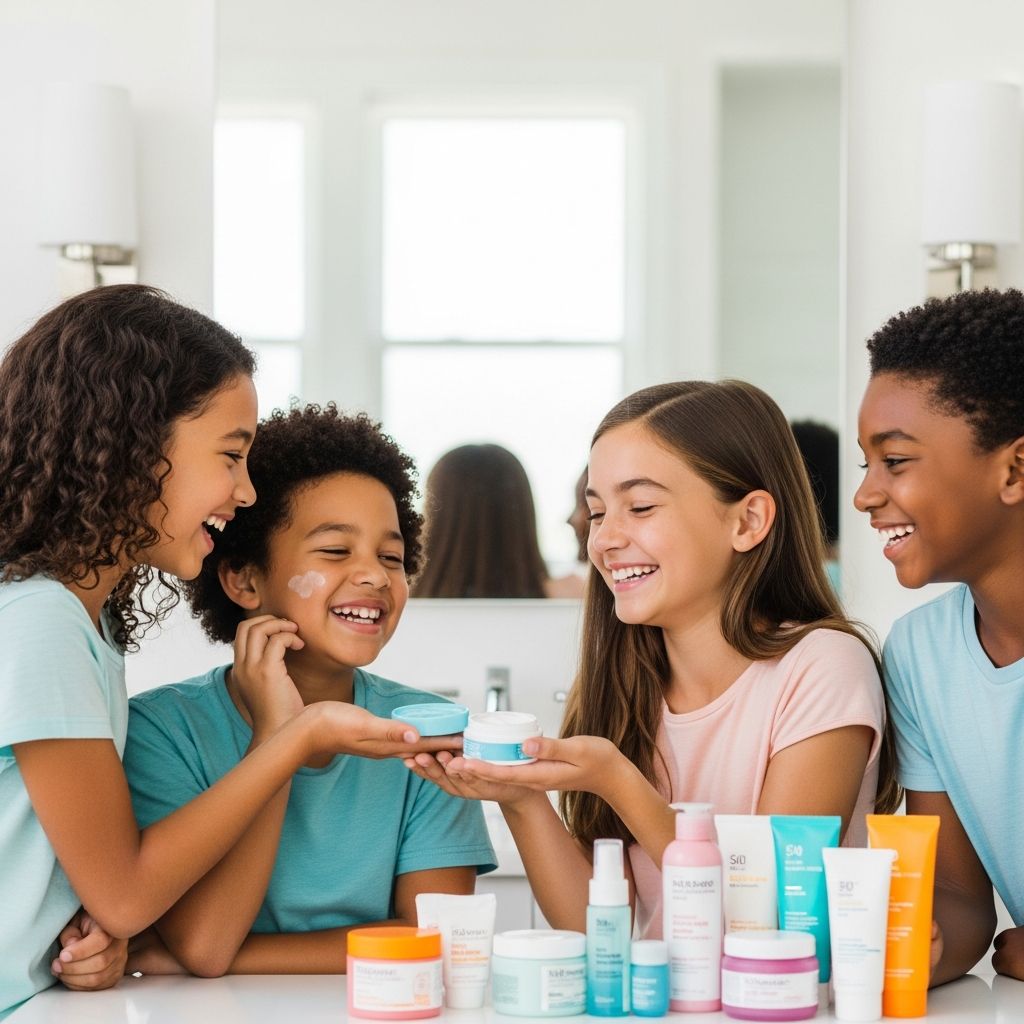
Between the ages of 8 and 12, many kids start to care more about how they look, and their skin often begins to change. A simple, age-appropriate skincare routine can support their confidence, protect their skin, and teach lifelong healthy habits without jumping into complicated or harsh products.
Why Tweens Need a Different Approach
Tween skin sits in a unique in-between stage: it may still be soft and childlike, but hormones are slowly increasing oil production, sweat, and sensitivity. That means the routine needs to be gentle, basic, and focused on protection rather than anti-aging or intense treatments.
The goal is not perfection. The goal is to help your tween understand their skin, reduce avoidable irritation and breakouts, and keep skincare from becoming stressful or obsessive.
Understanding Tween Skin Changes
As kids move toward puberty, their oil glands begin to wake up. Some will barely notice changes, while others may suddenly see shiny skin, blackheads on their nose, or the first occasional pimple on their forehead, chin, or back.
These changes are normal, but they can feel embarrassing to a tween who is already more aware of their appearance. Explaining what is happening in age-appropriate language can make skincare feel like practical self-care rather than a response to something “wrong.”
Common Changes to Watch For
- Increased shine, especially on the forehead, nose, and chin.
- Occasional breakouts or blackheads on the face, chest, or back.
- Dry or flaky patches caused by weather, swimming, or harsh products.
- More sensitivity or redness when using fragranced or heavily dyed products.
Guiding Principles for Tween Skincare
Before adding any product to the bathroom shelf, it helps to agree on a few basic principles. These will keep routines grounded and prevent your tween from chasing every trend they see online.
- Keep it simple: Most tweens only need 2–3 gentle steps twice a day.
- Be gentle: Avoid products that sting, burn, or feel tight after use.
- Less is more: Using too many products can damage the skin barrier and cause more problems than it solves.
- Focus on consistency: A basic routine done every day works better than a complicated routine used once in a while.
- Choose age-appropriate products: Skip anti-aging, intense exfoliants, and strong peels meant for adults.
A Simple Daily Routine for Most Tweens
You can think of a tween skincare routine as three main actions: cleanse, moisturize, and protect. Below is a basic structure you can adjust for your child’s skin type and lifestyle.
Morning Routine
- Gentle cleanse (optional for very dry skin): Rinse with lukewarm water or use a mild, fragrance-free cleanser if their skin feels oily or sweaty.
- Light moisturizer: Apply a small amount of a simple, non-greasy moisturizer to damp skin.
- Sun protection: Use a broad-spectrum sunscreen (often built into a moisturizer) on the face, ears, and any exposed areas if they’ll be outside.
Night Routine
- Cleanse: Wash with a gentle cleanser to remove sweat, dirt, and sunscreen.
- Moisturize: Use the same simple moisturizer as in the morning, or skip if the skin is very oily and not feeling tight.
- Spot treatment (if needed): For the occasional pimple, a basic over-the-counter spot treatment used sparingly can be appropriate with adult guidance.
Tailoring the Routine by Skin Type
Not all tweens will fit neatly into one “type,” but thinking in terms of tendencies—oily, dry, sensitive, or combination—can help guide product choices and habits.
| Skin Tendency | Signs | What to Emphasize | What to Avoid |
|---|---|---|---|
| Oily / breakout-prone | Shine, clogged pores, occasional pimples | Gentle cleansing, light lotion, non-comedogenic products | Heavy creams, harsh scrubs, alcohol-heavy toners |
| Dry | Tightness, flaking, dullness | Rich but gentle moisturizer, lukewarm water, shorter showers | Foaming or stripping cleansers, strong fragrances |
| Sensitive | Redness, burning, stinging with new products | Hypoallergenic, fragrance-free formulas; patch testing new items | Perfumed washes, brightly dyed products, frequent product changes |
| Combination | Oily T-zone with normal or dry cheeks | Balanced routine: gentle cleanser, light moisturizer, spot care only where needed | Using strong “oily skin” products all over the face |
Teaching Healthy Habits (Beyond Products)
Good skin is not only about what goes on the face. Daily habits have a huge impact on how clear, calm, and comfortable a tween’s skin feels.
- Hands off: Encourage your tween not to pick, squeeze, or constantly touch their face.
- Clean accessories: Remind them to wipe phones, glasses, and headphones that touch their skin.
- Pillowcase check: Changing pillowcases weekly can help limit buildup of oil and bacteria.
- Hair care: Keeping hair (and hair products) off the face can reduce breakouts around the hairline.
- Balanced basics: Adequate sleep, hydration, and varied nutrition all support healthier-looking skin.
Decoding Ingredient Labels for Tweens
Ingredient lists can look intimidating, but you do not need to memorize every single one. Focus on a few categories that are generally helpful and a few that are often unnecessary or irritating for young skin.
Gentle, Tween-Friendly Ingredients
- Ceramides: Help support the skin’s natural barrier and prevent dryness.
- Hyaluronic acid: Draws water into the skin to improve hydration without heaviness.
- Glycerin: A classic hydrator that works for nearly all skin types.
- Niacinamide (in low amounts): Can calm redness and support the skin barrier.
- Aloe, oat, or other soothing extracts: Often used to gently calm irritated or dry skin.
Ingredients to Be Cautious With
- Strong exfoliating acids: High concentrations of glycolic, lactic, or salicylic acid may be too harsh for most tweens outside of a dermatologist’s guidance.
- Retinoids and retinol: Common in anti-aging lines; generally not needed for typical tween concerns unless a doctor prescribes them for acne.
- Heavy fragrance and dyes: These add scent and color but can increase irritation and sensitivities.
- Physical scrubs with rough particles: Can create tiny tears in the skin and worsen redness or breakouts.
Navigating Social Media and Skincare Hype
Many tweens discover skincare on social media before they ever talk to a parent or pediatrician. The products they see promoted may be expensive, intense, or targeted toward adults worried about wrinkles rather than kids worried about shine or the odd pimple.
Instead of dismissing their interest, use it as a chance to teach critical thinking. You can look at packaging together, talk about why certain products might not be a good fit yet, and emphasize that “popular” does not always mean “safe” or “necessary.”
Questions Tweens Can Ask Themselves
- Is this product made for people my age, or is it an adult product?
- What problem is it supposed to solve, and do I actually have that problem?
- Does the routine look very complicated or use many strong actives?
- Have I checked in with a parent or trusted adult before trying it?
When to Involve a Pediatrician or Dermatologist
A basic routine can handle most everyday concerns, but there are times when professional help is the best next step. Seeking help early can prevent physical discomfort and emotional distress, especially if a tween is being teased about their skin.
- Persistent, painful, or cystic breakouts that are not improving with a gentle routine.
- Rashes, swelling, or hives after using skincare, makeup, or sunscreen.
- Areas of very dry, itchy, or cracked skin that might suggest eczema or allergies.
- Sudden changes in moles or other spots that a doctor should examine.
Making Skincare Manageable (and Not a Chore)
For a routine to stick, it has to fit into your tween’s real life. That means short, repeatable steps and clear expectations. Turning it into a small part of the morning and bedtime rhythm can help.
- Keep products visible: A small basket by the sink or a caddy in the bathroom can make the routine hard to forget.
- Use checklists: For some kids, a simple “wash–moisturize–brush teeth” checklist on the mirror can be motivating.
- Let them choose (within limits): Offer two or three parent-approved product options so they feel ownership and excitement.
- Celebrate consistency: A quick high-five, kind word, or small reward for sticking with the routine can go a long way.
Sample Minimalist Tween Skincare Setup
If you are starting from scratch, it can help to see what a fully stocked but minimal setup might look like. The specific brands and textures will depend on your child’s preferences and any sensitivities.
| Category | What It Does | What to Look For | How Often |
|---|---|---|---|
| Cleanser | Removes sweat, dirt, and excess oil without stripping the skin | Mild, fragrance-free, labeled for normal or sensitive skin | Once or twice daily |
| Moisturizer | Replenishes moisture and supports the skin barrier | Light lotion for oily skin; slightly richer cream for dry skin | After cleansing, morning and/or night |
| Sunscreen | Shields skin from UV damage and helps prevent long-term harm | Broad spectrum, SPF 30 or higher, comfortable texture | Every morning when sun exposure is expected |
| Spot treatment (optional) | Targets individual pimples without treating the whole face | Mild, clearly labeled acne spot product, used sparingly | As needed on active blemishes |
Frequently Asked Questions About Tween Skincare
1. At what age should a child start a skincare routine?
There is no single “right” age, but many families begin a basic routine between ages 8 and 12, depending on when oiliness, body odour, or early breakouts appear. It is usually best to start with just cleansing and moisturizing, and then add sunscreen and other steps as habits build.
2. Does my tween really need sunscreen every day?
Daily sunscreen use is one of the most effective long-term skin-protective habits anyone can build. For tweens, it is especially important on days with outdoor activities, sports, or field trips; on strictly indoor days, a parent may decide whether sunscreen is needed based on window exposure and sensitivity.
3. Are sheet masks, serums, and peels okay for tweens?
Most tweens do not need advanced skincare steps like serums or peels. Occasional gentle masks can be a fun treat, but they should be mild, fragrance-light, and not sting. If a product is marketed for dramatic anti-aging effects or dramatic overnight results, it is likely too strong for everyday tween use.
4. What if my tween wants a long, multi-step routine?
Curiosity about elaborate routines is understandable, especially with constant exposure to beauty content. You can acknowledge their interest while setting boundaries: agree that the routine will stay simple for now, explain why their skin is different from adults’, and perhaps let them pick one fun but gentle “extra” as a compromise, such as a mild, occasional mask.
5. How can I tell if a product is causing irritation?
Signs of irritation can include burning, stinging, new redness, flaking, or breakouts in areas where the product is used. If you suspect a product is the culprit, stop using it, switch back to the simplest possible routine, and consider consulting a health professional if the skin does not calm down.
6. How do I talk to my tween about skincare without making them self-conscious?
Try framing skincare as a basic hygiene habit, just like brushing teeth or washing hands, rather than a fix for flaws. Focus on comfort and health—keeping skin from feeling tight, itchy, or sunburned—rather than on looking perfect or matching filtered images.
Helping Your Tween Build Lifelong Skin Confidence
Skincare for tweens does not have to be overwhelming, expensive, or trendy to be effective. With a few gentle products, steady support from a caring adult, and a focus on healthy habits over quick fixes, tweens can learn to care for their skin in a way that supports both physical comfort and emotional well-being.
The most powerful part of any tween skincare routine is not the cleanser or the moisturizer—it is the message that their body is worth caring for, just as it is, right now.