Many loving parents are surprised when a simple hair wash turns into a full-scale battle with a normally cheerful toddler. Screaming, arching backs, flailing arms, and desperate attempts to escape the tub can leave everyone soaked, frustrated, and discouraged. Yet this stressful routine can become a chance to build trust, confidence, and cooperation—if it is handled with patience, curiosity, and empathy.
This guide explores why hair washing feels so overwhelming for some toddlers and how to respond in ways that protect the relationship, honor their feelings, and still keep their hair clean enough for everyday life. The goal is not to “win” bath time, but to help your child feel safe and understood so that resistance gradually melts away.
Why Hair Washing Feels So Scary to Toddlers
From an adult perspective, a quick shampoo seems harmless. For a toddler, however, hair washing can feel like a confusing flood of intense sensations and loss of control. When parents understand what is happening beneath the surface, it becomes much easier to respond calmly rather than taking the resistance personally.
In many cases, a toddler’s refusal is not stubbornness; it is a nervous system saying, “This is too much” or “I don’t feel safe.” Once that message is heard instead of argued with, cooperation can grow from a place of security.
Common Triggers Behind Hair-Wash Meltdowns
- Sensory overload: Water on the face, noise from the faucet, and the feeling of hands scrubbing the scalp can be overwhelming.
- Fear of water in eyes, ears, or nose: Toddlers may remember even one unpleasant experience and anticipate it happening again.
- Loss of control: Being tipped back, held still, and told what will happen can feel frightening and disempowering.
- Startle and balance issues: Leaning back or having water poured suddenly can trigger a strong fear response.
- Previous struggle memories: If hair washing has involved force, rushing, or anger before, the child’s body will brace for a repeat.
Often, several of these are happening at once. The more invisible the trigger is to adults, the easier it is to assume a behavior problem instead of a nervous-system issue. A gentle approach assumes the child is doing the best they can with the tools they have.
Reframing the Goal: From “Get It Done” to “Build Trust”
Tension often rises when parents feel pressured to “get this over with” as quickly as possible. That urgency, combined with a distressed child, can lead to raising voices, holding a child still, or washing their hair despite screams. While understandable, this teaches the child that bath time is something to fear, and their “no” does not matter.
By shifting the main goal from “clean hair” to “a child who feels safe with me,” the entire tone of bath time changes. Hair still gets washed, but not at the cost of trust. Collaboration, not compliance, becomes the measure of success.
Principles of a Connection-First Approach
- Listen to the resistance as meaningful communication, not defiance.
- Slow down instead of powering through the struggle.
- Invite your toddler into the process instead of doing everything to them.
- Protect the relationship, even if that means adjusting your expectations in the short term.
When toddlers feel that their feelings and bodies are respected, they gradually relax. This creates the foundation for practical strategies to work.
Preparing Before Bath Time: Setting the Stage for Success
Calm hair washing starts long before any water touches your child’s head. The more predictable and safe the environment feels, the less likely your toddler is to panic when shampoo appears. Small changes in routine and environment can dramatically reduce resistance.
Think of preparation as “emotional warm-up”: you are softening anxiety, building cooperation, and reminding your child that bath time happens with them, not to them.
Helpful Pre-Bath Rituals
- Talk ahead of time: Briefly mention that tonight is a hair-wash night so it does not feel like a surprise.
- Offer appropriate choices: Let your child choose the towel color, a toy to bring, or which shampoo scent to use.
- Use play as rehearsal: Wash a doll’s hair in the sink, narrating each gentle step and inviting your toddler to help.
- Keep the environment cozy: Dim the lights if they are too bright, warm the room, and have everything ready so there is no frantic searching mid-bath.
- Regulate first: A few minutes of cuddling, singing, or gentle rough-and-tumble play can help your child’s body feel more relaxed before entering the tub.
These small steps send a clear message: you are on your child’s side, and their comfort matters. That message lowers the intensity of their alarm system long before any water runs.
Inside the Bath: Gentle, Toddler-Friendly Techniques
Once you are at the tub, the focus shifts to how each step of hair washing can be slowed down, softened, and shared with your toddler. The methods that work best will depend on your child’s unique preferences, but they all share one theme: reducing surprise and increasing collaboration.
Experiment with different positions, tools, and pacing until you find a combination your child tolerates. Celebrate small wins, such as allowing a trickle of water on the head or letting you apply shampoo for a few seconds without protest.
Step-by-Step Gentle Hair Washing
- Start with play: Give your toddler cups, spoons, or a watering can to pour water on toys or your hands before you go near their hair.
- Signal what’s next: Clearly tell them the next tiny step: “I am going to wet just this little bit of hair now,” and pause to let them process.
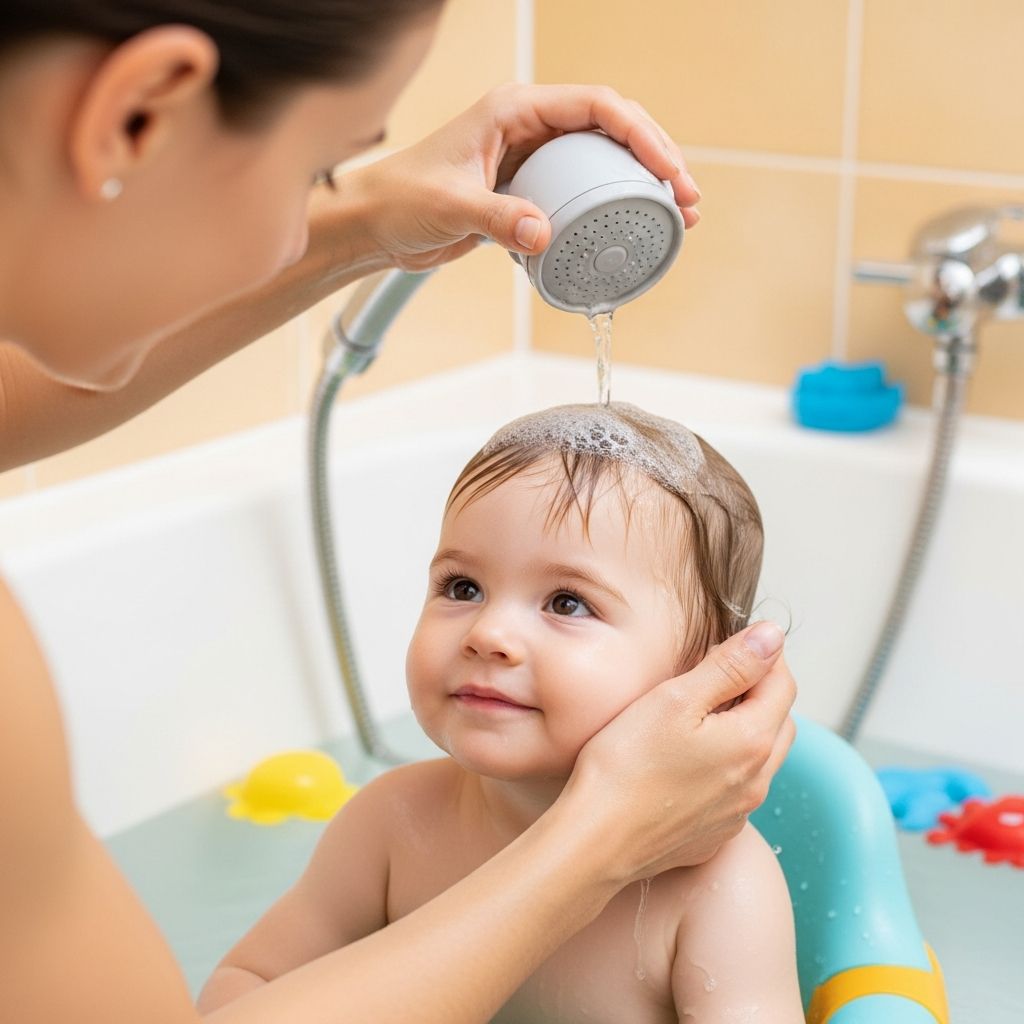
- Use a soft tool: Instead of dumping water from a large cup, use a small cup, sponge, or washcloth so water flow is slow and predictable.
- Protect the face: Gently place a dry washcloth near their eyes or let them hold it themselves as a “shield.”
- Rinse gradually: Rinse a small area at a time, pausing in between for them to breathe and reset rather than rushing to finish in one go.
The more predictable each step becomes, the less the child feels at the mercy of unwanted sensations. The aim is to convince their nervous system that “nothing bad will happen” during hair washing.
Choices, Control, and Cooperation
Toddlers crave autonomy, and many hair-wash battles are really about who is in charge of their body. Offering well-framed choices allows you to keep hair care on track while letting the child feel powerful in age-appropriate ways.
Choices are not tricks to sneak in an unwanted task; they are invitations to partner with you. If a choice is offered, the parent needs to be genuinely comfortable with either option.
Sample Choices That Reduce Power Struggles
- “Do you want to wash your hair first or last?”
- “Should we use the blue cup or the green cup for rinsing?”
- “Do you want to hold the cloth on your eyes, or should I?”
- “Should we count to five or sing a short song while I rinse?”
- “Would you like to pour water on my hair before I pour it on yours?”
When toddlers experience themselves as active participants rather than passive recipients, resistance tends to soften. Over time they may even begin to take pride in being “in charge” of their own washing.
Adapting for Sensory-Sensitive Children
Some toddlers are especially sensitive to touch, sound, temperature, or changes in position. For these children, hair washing needs to be designed with their sensory profile in mind. A strategy that works fine for one child might be overwhelming for another, and that difference deserves respect.
Observing how your child responds throughout the day can provide clues. Does your toddler dislike having their face wiped, avoid swings, or complain about certain clothes? These patterns suggest that hair washing needs to be even more gradual and carefully adapted.
Practical Adjustments for Sensory Needs
| Possible Sensory Challenge | What It Might Look Like | Helpful Adjustments |
|---|---|---|
| Sensitivity to water on face | Cringing, turning away, covering eyes, crying when drops reach cheeks or eyes | Use a visor or washcloth shield, keep water flow slow and low, rinse forward instead of backward when possible |
| Discomfort with tipping back | Stiff body, grabbing the sides of the tub, intense fear when asked to lean back | Have the child sit upright or lean slightly forward, or use a handheld sprayer aimed downward |
| Scalp sensitivity | Pulling away from touch, protesting even gentle scrubbing | Massage scalp briefly before bath, use very gentle fingertips, minimize scrubbing time |
| Sound sensitivity | Covering ears, upset by loud running water | Fill a basin before the child gets in, turn off the faucet during washing, speak in a calm, soft voice |
If your child’s reactions are extremely intense, affect other daily activities, or seem to be increasing, consider speaking with a pediatrician or occupational therapist. Extra support can provide tailored strategies for your child’s unique nervous system.
What to Do When Your Toddler Melts Down
Even with thoughtful preparation, there will be days when your toddler still screams or tries to escape. In these moments, your response matters more than the shampoo. The priority shifts from “finishing the task” to “helping my child feel safe again.”
Force may get the hair clean in the moment, but it entrenches fear and distrust, making the next bath even harder. Connection-based parenting takes a longer view, prioritizing the sense of safety that will eventually make hair washing uneventful.
Staying Calm and Supportive During Tears
- Pause what you are doing, even if your instinct is to hurry up.
- Use a gentle, anchored tone: “You really don’t like this. I’m here with you.”
- Offer physical closeness if your child reaches for you—an arm around their shoulders or a hand they can hold.
- Decide in the moment whether to continue slowly or stop entirely and try again another day.
- Avoid criticizing or shaming language; your child’s fear is real to them, even if it feels irrational to you.
Afterward, some children like to talk or play about what happened; others simply move on. Either way, your calm presence teaches them that big feelings are survivable and do not damage the relationship.
Adjusting Frequency and Expectations
When hair washing is deeply distressing, it may help to temporarily relax how often it is done. Health guidelines do not require daily shampoo for most toddlers; many children do fine with less frequent thorough washes, especially if they are not very sweaty or dirty each day.
By spacing out hair-wash days at first, you reduce how often your child faces a major trigger. This creates room to introduce new, gentler approaches without overwhelming their system. Over time, frequency can be slowly increased if needed.
Ways to Keep Hair Manageable Between Washes
- Rinse with plain water only on some nights, skipping shampoo entirely.
- Use a wide-tooth comb and a bit of leave-in conditioner outside the bath to manage tangles.
- Keep hair trimmed to a manageable length if brushing and washing are both challenging.
- Spot-clean visibly dirty areas instead of doing a full head wash every time.
Permitting flexibility in your expectations may feel like “giving in” at first, but in reality it is a strategic way of prioritizing long-term cooperation over short-term perfection.
Supporting Yourself as a Parent
Repeated bath time battles can leave caregivers feeling helpless, angry, or guilty. It is easy to think, “Why is my child the only one who can’t handle this?” or “I must be doing something wrong.” These thoughts add a heavy emotional load to an already tense situation.
Offering yourself the same empathy you offer your child can change the energy in the room. When you feel more grounded, it is easier to respond with creativity and patience instead of frustration.
Simple Ways to Stay Grounded
- Take a slow breath before starting bath time and remind yourself that progress matters more than perfection.
- Plan hair washing for a time of day when you are not rushed or exhausted, if possible.
- Share the challenge with a supportive friend, partner, or community so you do not feel alone with it.
- Notice and celebrate small improvements rather than focusing only on what is still hard.
Your calm, caring presence is the most powerful tool you have. Toddlers borrow their sense of safety from the adults around them; when you remain steady, they eventually learn that hair washing is tolerable, even if not yet enjoyable.
Frequently Asked Questions
How often does my toddler’s hair really need to be washed?
For many toddlers, washing with shampoo a few times a week, or even once a week, is enough unless there is heavy sweating, visible dirt, or specific guidance from a health professional. On other days, a quick rinse with water or simply wiping the face and neck may be sufficient. Checking with your child’s doctor can provide reassurance tailored to their hair type, skin condition, and daily activities.
Should I ever force my toddler to have their hair washed?
Force can sometimes seem like the only option in the heat of the moment, but it usually increases fear and resistance in the long run. A better approach is to step back, slow down, and focus on rebuilding a sense of safety, even if that means postponing a thorough wash. In situations where hygiene is medically important, working with a pediatrician or specialist can help you balance health needs with emotional well-being.
What if my toddler screams the moment I mention washing hair?
Such a strong reaction suggests that previous experiences have wired hair washing together with alarm in your child’s mind. Rather than arguing or insisting, start with very small, non-threatening steps, such as playing with water near—but not on—their head, or washing a doll’s hair together at the sink. Over time, pair any mention of hair washing with gentle predictability, choices, and comfort so the phrase no longer signals danger.
How long will it take for bath time to improve?
Every child is different, and the timeline depends on their temperament, sensory profile, and how intense past struggles have been. Some toddlers relax after a few calmer experiences, while others need weeks or months of gentle repetition before their nervous system fully trusts that things have changed. Measuring progress in tiny steps—less crying, more willingness to try a new tool, or shorter protests—can help you see that your efforts are working even before baths become completely peaceful.
When should I seek professional help?
It can be helpful to seek guidance if your child’s reactions are extreme, if they fear many kinds of touch or daily care, or if bath time difficulties are affecting other parts of family life. A pediatrician can rule out medical issues such as skin conditions, ear problems, or pain, while an occupational therapist can offer targeted strategies for sensory processing challenges. Reaching out is not a sign of failure; it is a proactive step toward supporting your child’s well-being.