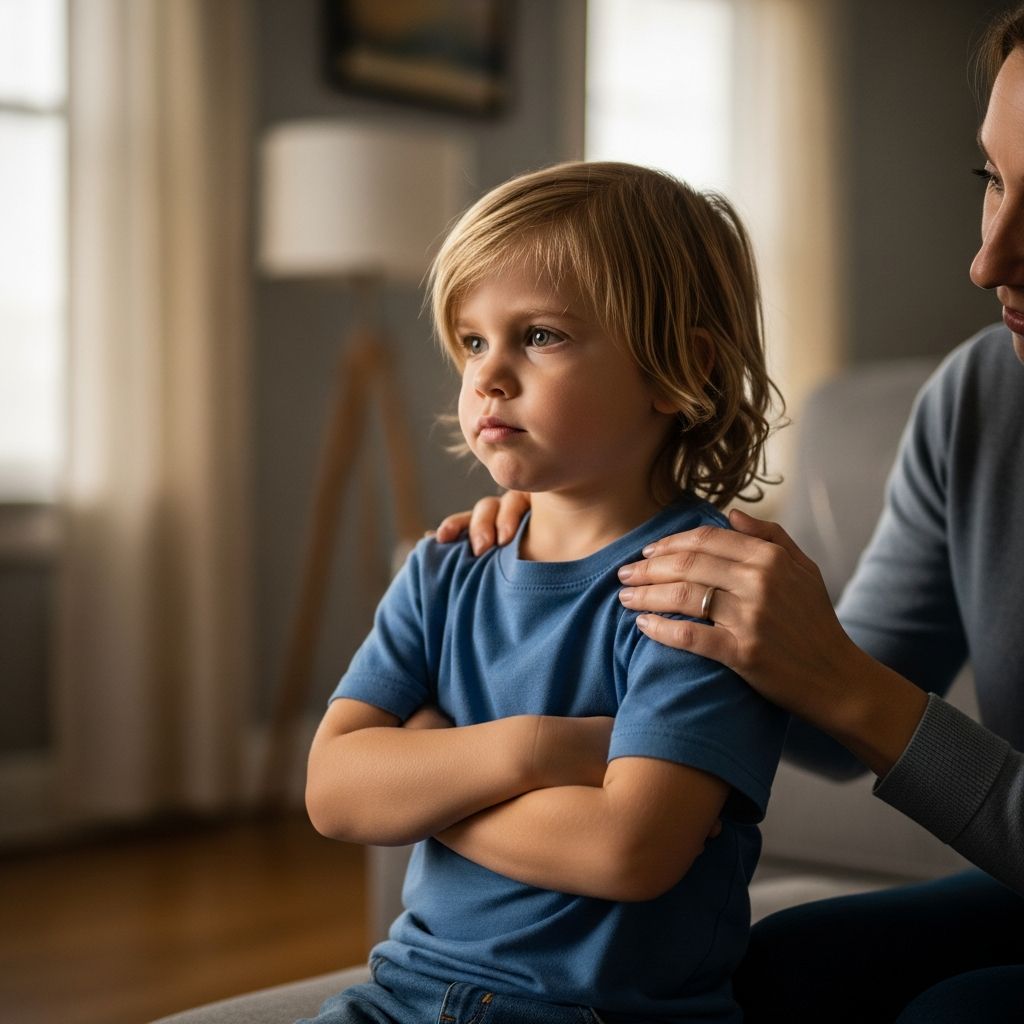
Teenage years bring intense emotions, shifting social dynamics, and frequent disagreements with peers, family, and authority figures. Mastering conflict resolution empowers young people to turn potential blowups into opportunities for growth and deeper connections. This guide outlines key strategies parents and educators can teach teens to manage disputes healthily, drawing on proven psychological and developmental principles.
Understanding Conflict in Adolescence
During adolescence, the brain undergoes significant changes, particularly in the prefrontal cortex, which governs impulse control and decision-making. Hormonal shifts amplify emotional responses, making conflicts feel overwhelming. Research shows that teens who learn structured resolution methods experience fewer escalations and build resilience. Effective strategies focus on self-regulation, clear communication, and mutual respect, transforming arguments into constructive dialogues.
Conflicts arise in various settings: sibling rivalries over shared spaces, peer disputes during group projects, or tensions with parents about rules and independence. Without skills, teens may resort to avoidance, aggression, or passive-aggression, which strain relationships long-term. Proactive teaching equips them for lifelong success in personal and professional interactions.
Building Emotional Awareness
The foundation of resolution lies in recognizing and articulating feelings. Teens often struggle to identify emotions amid intensity, leading to miscommunications. Encourage naming specific feelings—such as frustration, hurt, or jealousy—rather than vague terms like “mad.” This pause allows the prefrontal cortex to engage, promoting rational responses.
- Practice daily check-ins: At dinner, ask teens to describe their emotional state and triggers.
- Use emotion wheels: Visual tools help expand vocabulary for nuanced feelings.
- Model vulnerability: Share your own emotions calmly to normalize the process.
Studies from child development experts emphasize that labeling emotions reduces amygdala activation, the brain’s fear center, enabling clearer thinking during disputes.
Effective Communication Techniques
Clear expression prevents misunderstandings. “I” statements shift focus from blame to personal experience: “I feel overwhelmed when plans change last minute” instead of “You always ruin everything.” This ownership fosters dialogue without defensiveness.
Avoid absolutes like “always” or “never,” which escalate tensions by generalizing past behaviors. Stay present-focused: address the current issue to avoid dredging up history, which complicates resolution.
| Blame-Based Statement | “I” Statement Alternative | Benefit |
|---|---|---|
| You never listen to me. | I feel unheard when I’m interrupted. | Invites empathy without attack. |
| You’re so selfish. | I need more support with chores. | Highlights needs collaboratively. |
| This is your fault. | I’m upset about how this turned out. | Encourages joint problem-solving. |
Cultivating Empathy and Perspective-Taking
Empathy bridges divides by helping teens see others’ viewpoints. Ask guiding questions: “What might they be feeling? What do they need right now?” Role-playing scenarios builds this muscle, revealing how intentions differ from impacts.
In peer conflicts, like choosing activities with friends, perspective-taking leads to compromises such as alternating choices. This skill correlates with stronger friendships and reduced bullying incidents, per educational psychology findings.
Physiological Tools for Calm
Physical techniques regulate the body’s stress response. Diaphragmatic or box breathing—inhale for four counts, hold four, exhale four, hold four—activates the parasympathetic nervous system, lowering heart rates in seconds.
- Quick breath break: Before responding, take three deep breaths.
- Grounding exercises: Name five things seen, four touched, etc., to anchor in the present.
- Progressive muscle relaxation: Tense and release muscle groups to release tension.
These methods, endorsed by mental health organizations, are simple for teens to integrate into daily routines.
Assertiveness Without Aggression
Balanced assertiveness means expressing needs confidently yet compassionately. The three C’s—calm, confident, compassionate—guide tone and body language: steady voice, open posture, eye contact.
Passive teens practice direct requests; aggressive ones learn de-escalation. Role-play assertiveness in low-stakes scenarios, like negotiating curfews, to build confidence.
Structured Steps to Resolve Disputes
A systematic approach ensures thoroughness. Adapt this six-step model for family or school use:
- Set ground rules: Agree on no interruptions, name-calling, or yelling.
- Share perspectives: Each person speaks uninterrupted; others listen actively.
- Identify the core issue: Clarify facts versus feelings.
- Brainstorm solutions: Generate win-win ideas without judgment.
- Evaluate and choose: Discuss pros/cons, compromise as needed.
- Agree and follow up: Document if complex, review later.
This framework, used in school programs, promotes fairness and accountability.
Real-Life Practice Through Scenarios
Scenarios simulate conflicts safely. Discuss as a family:
- Sibling clash: Sharing a gaming console—propose time schedules or turns.
- Friend dilemma: Disagreement on dinner plans—alternate restaurants weekly.
- School group: Uneven project workload—reassign tasks equitably.
Debrief: What worked? What to improve? This builds pattern recognition for future disputes.
The Power of Genuine Apologies
Sincere apologies repair breaches: State the wrong, express regret, outline change. Avoid “buts”—”I’m sorry I yelled, it hurt you” beats “Sorry, but you provoked me.” Modeling apologies teaches humility and trust restoration.
Role of Adults in Modeling and Mentoring
Parents and teachers set examples. Stay calm, listen actively, compromise visibly. When saying no, explain empathetically: “I get you want that piercing, but at 13, let’s revisit at 16.” Negotiate where possible to demonstrate flexibility.
Validate teens’ views first: “I see why you’re frustrated.” This de-escalates and models respect.
Long-Term Benefits for Teens
These skills yield dividends: better mental health, academic performance via cooperative learning, and career readiness. Teens adept at resolution report higher self-esteem and relationship satisfaction.
Frequently Asked Questions
What age should teens start learning these skills?
Begin in early teens (12-14) when social complexities increase, but foundations can start younger.
How can I encourage a reluctant teen?
Start small with role-plays, praise efforts, and share your growth stories.
What if conflicts involve bullying?
Teach reporting to trusted adults alongside self-advocacy; prioritize safety.
Are there apps or resources for practice?
Yes, apps like Calm for breathing, or school counseling programs offer guided scenarios.
How do cultural differences affect resolution?
Adapt styles—collectivist cultures emphasize harmony; blend with direct communication.
References
- Conflict management with pre-teens and teenagers — Raising Children Network. 2023-10-15. https://raisingchildren.net.au/teens/communicating-relationships/communicating/conflict-management-with-teens
- Facts for Teens: Conflict Resolution — New Jersey Institute of Technology (NJIT). 2020-05-20. https://web.njit.edu/~lipuma/Conflict.pdf
- Top 10 Conflict Resolution Skills for Teens — Personal Excellence. 2024-03-12. https://personalexcellence.org/raising-worldchangers-blog/top-10-conflict-resolution-skills-for-teens
- Conflict Resolution Scenarios for Kids and Teens — The Pathway 2 Success. 2023-08-05. https://www.thepathway2success.com/conflict-resolution-scenarios-for-kids-and-teens/
- Dealing With Conflict: The Healthy Way — U.S. Department of Health and Human Services (ACF). 2022-11-10. https://teenpregnancy.acf.hhs.gov/sites/default/files/resource-files/dealing-with-conflict-the-healthy-way.pdf