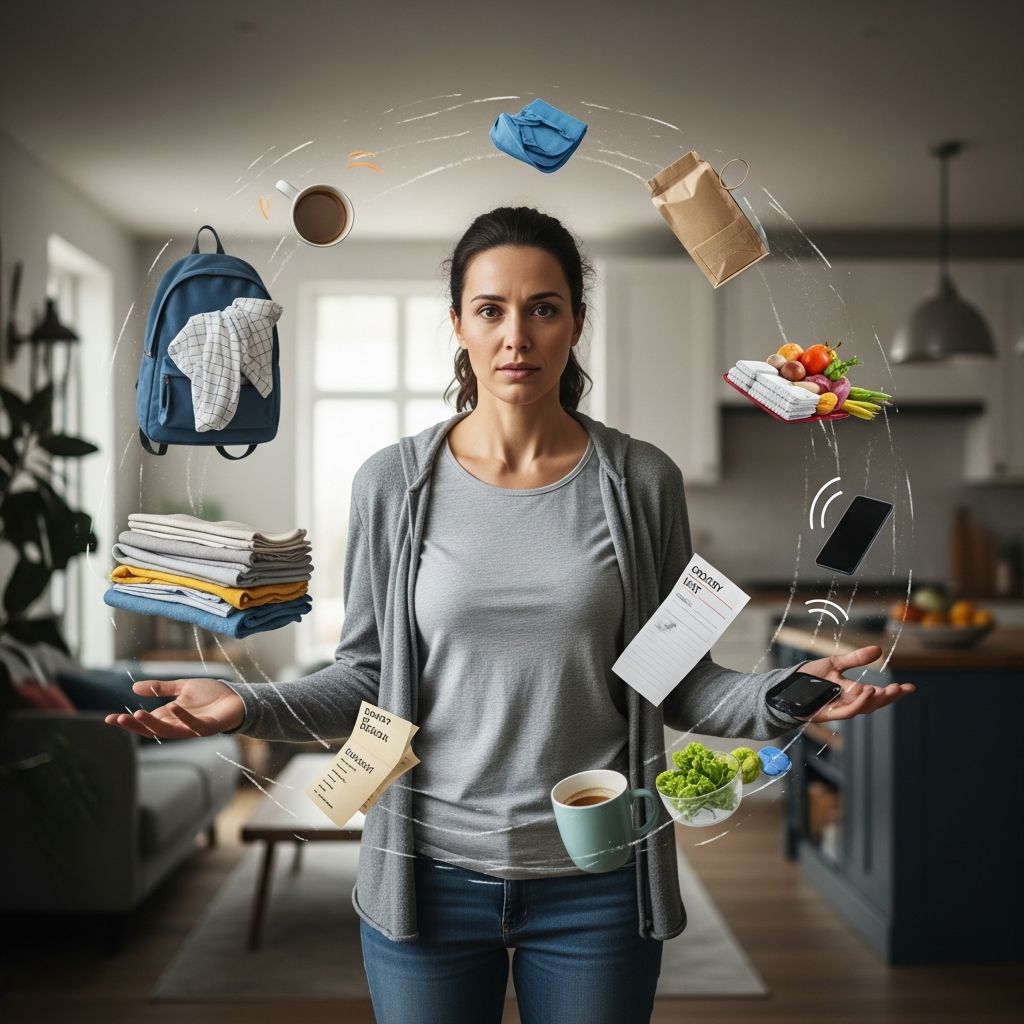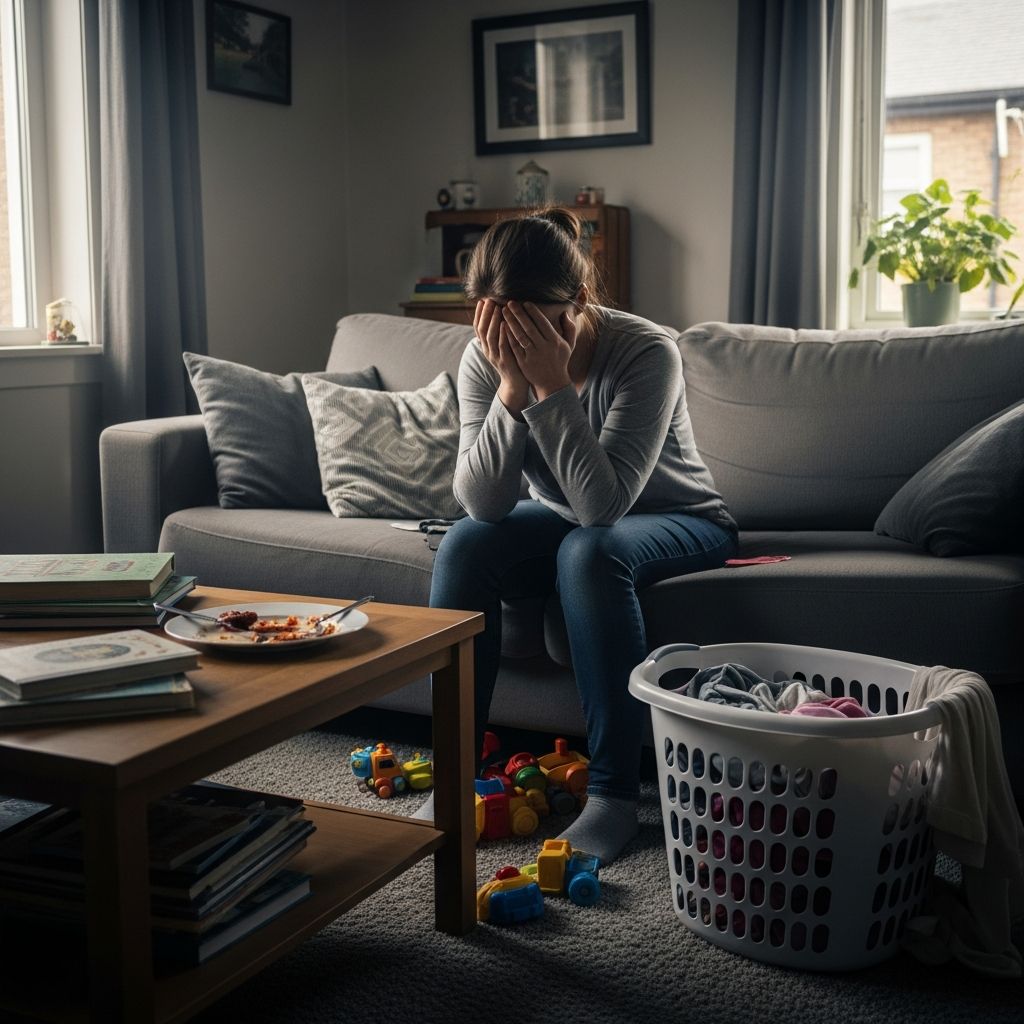
Intensive parenting, characterized by deep emotional, time, and financial investment in a child’s every aspect of life, has become a dominant approach among modern mothers. This style prioritizes constant involvement in academics, activities, and emotional support, often at the expense of parental well-being. While it promises optimized child outcomes, research reveals it frequently leads to maternal exhaustion, heightened anxiety, and strained family relationships.
Defining the Intensive Parenting Phenomenon
At its core, intensive parenting involves structuring family life around a child’s developmental needs, with parents acting as ceaseless advocates and schedulers. Psychologists describe it as a shift from traditional child-rearing, where kids gained independence through play, to a model demanding expert-guided enrichment at every turn. Parents pour resources into tutoring, sports, arts, and therapy, believing it safeguards futures in competitive landscapes.
This trend spans socioeconomic lines but hits hardest on mothers, who shoulder primary emotional labor. Societal narratives amplify it through social media, where curated ‘perfect’ childhoods set unattainable benchmarks. The result? A cultural norm where downtime feels like neglect, pushing moms into overdrive.
Potential Upsides of Heightened Parental Involvement
Not all aspects of intensive parenting are negative. When balanced, it can yield meaningful gains:
- Deeper emotional connections: Extended time together fosters secure attachments, helping parents attune to their child’s unique traits, fears, and joys.
- Boosted developmental edges: Structured activities may sharpen academic skills, confidence, and discipline, equipping kids for structured environments like school.
- Clearer family values: Consistent guidance instills responsibility and resilience foundations, potentially leading to better long-term habits.
These benefits shine in moderation, where involvement enhances without overwhelming. However, the line to excess blurs quickly under external pressures like college admissions races and social comparisons.
The Mounting Toll on Maternal Mental Health
Mothers embracing intensive parenting face a stark reality: skyrocketing burnout rates. Studies show this ideology correlates with elevated depression, anxiety, and guilt, as women juggle impossible standards alongside careers and homes. One investigation of diverse moms found near-universal awareness of these ideals, triggering self-criticism when reality falls short.
Symptoms manifest as chronic fatigue, irritability, and emotional detachment—hallmarks of parental burnout. High-achieving expectations create a vicious cycle: stress erodes self-care, impairing parenting quality and relationships. Single, low-income, or immigrant mothers bear disproportionate loads, with limited resources amplifying guilt.
| Factor | Impact on Moms | Prevalence Insight |
|---|---|---|
| Time Demands | Exhaustion from endless scheduling | Affects 80% of intensive mothers |
| Financial Strain | Debt from classes/gear | Crosses income levels |
| Emotional Load | Guilt and anxiety spikes | Leads to depression in samples |
| Social Pressure | Comparison via media | New norm in developed nations |
This table highlights key stressors, drawn from expert analyses, underscoring why moms report feeling ‘not okay.’
Hidden Consequences for Children’s Growth
Children in intensive homes may thrive short-term but suffer long-term. Constant oversight breeds pressure, fostering anxiety, low self-esteem, and doubt when achievements falter. Without unstructured play, they miss chances to build autonomy, creativity, and problem-solving grit.
- Overprotection limits risk-taking, stunting resilience.
- Scheduled lives curb free exploration, vital for innovation.
- High stakes instill perfectionism, risking mental health dips.
Experts warn this overparenting inadvertently signals conditional love—’you’re worthy only if perfect’—undermining intrinsic motivation. Kids emerge less equipped for real-world setbacks, perpetuating dependency.
Societal and Environmental Ripples
Beyond families, intensive parenting reinforces inequalities. Wealthier households afford premium enrichments, widening gaps for others. It fuels consumption: gear, travel, programs inflate ecological footprints via transport and waste.
Culturally, it normalizes exhaustion as virtue, ignoring evidence that rested parents raise happier kids. Surgeon General alerts link it to national parental mental health crises, urging paradigm shifts.
Strategies to Dial Back and Reclaim Balance
Reversing intensive habits starts with awareness. Mothers can adopt these evidence-backed steps:
- Prioritize self-care: Schedule personal time as non-negotiably as kids’ activities; exercise and therapy reduce burnout risks.
- Embrace unstructured play: Allocate device-free, adult-free hours weekly for child-led discovery, boosting independence.
- Set realistic goals: Focus on effort over outcomes; celebrate small wins to ease pressure.
- Build support networks: Share loads with partners, family, or communities to distribute emotional weight.
- Limit comparisons: Curate social feeds; affirm diverse success paths beyond elite paths.
Therapists recommend journaling expectations versus realities, reframing ‘good enough’ as optimal. Transitioning feels countercultural but yields freer, joyful families.
Real Stories: Moms Breaking the Cycle
Anonymous accounts echo research: One working mom ditched three extracurriculars, reclaiming evenings for board games—her anxiety plummeted, child’s creativity soared. Another single parent joined co-ops, slashing solo drives while forging community. These shifts prove balance restores vitality without sacrificing love.
Frequently Asked Questions (FAQs)
What exactly is intensive parenting?
A child-centered style where parents invest heavily in time, money, and emotion to maximize development, often sacrificing their own needs.
Does intensive parenting always harm mental health?
Not always, but excess leads to burnout in parents and anxiety in kids; balance is key.
How can I spot if I’m an intensive parent?
Signs include constant scheduling, guilt over downtime, and tying self-worth to child’s accolades.
Are there benefits worth keeping?
Yes—stronger bonds and guided growth—but pair with autonomy-building practices.
What if my child thrives on structure?
Tailor involvement; ensure free play slots to prevent over-reliance.
Path Forward: Toward Sustainable Parenting
Intensive parenting’s allure stems from love in a scary world, yet data demands recalibration. By fostering independence, prioritizing rest, and rejecting perfection myths, mothers can nurture thriving kids without self-sacrifice. This evolution promises healthier families, proving less can yield more.
References
- Intensive Parenting Is Taking a Toll on You and Your Family — The Bump. 2023. https://www.thebump.com/a/intensive-parenting
- Intensive Parenting — Sustainability Directory. 2024. https://lifestyle.sustainability-directory.com/term/intensive-parenting/
- What is intensive parenting and how does it affect the family? — Times of India. 2024-10-01. https://timesofindia.indiatimes.com/life-style/parenting/moments/what-is-intensive-parenting-and-how-does-it-affect-the-family/articleshow/118144541.cms
- Moms are not OK: Worcester State researchers find intensive parenting beliefs take toll — Worcester State University News. 2023. https://news.worcester.edu/moms-are-not-ok-worcester-state-researchers-find-intensive-parenting-beliefs-take-toll-on-maternal-mental-health/
- Is Intensive Parenting Helping or Hurting Kids? — Affirmative Therapy Collective. 2024. https://affirmativetherapycollective.com/parents-is-intensive-parenting-helping-or-hurting-kids/
- The Talk about Intensive Parenting — The Primary Day School. 2023. https://theprimarydayschool.org/the-talk-about-intensive-parenting/