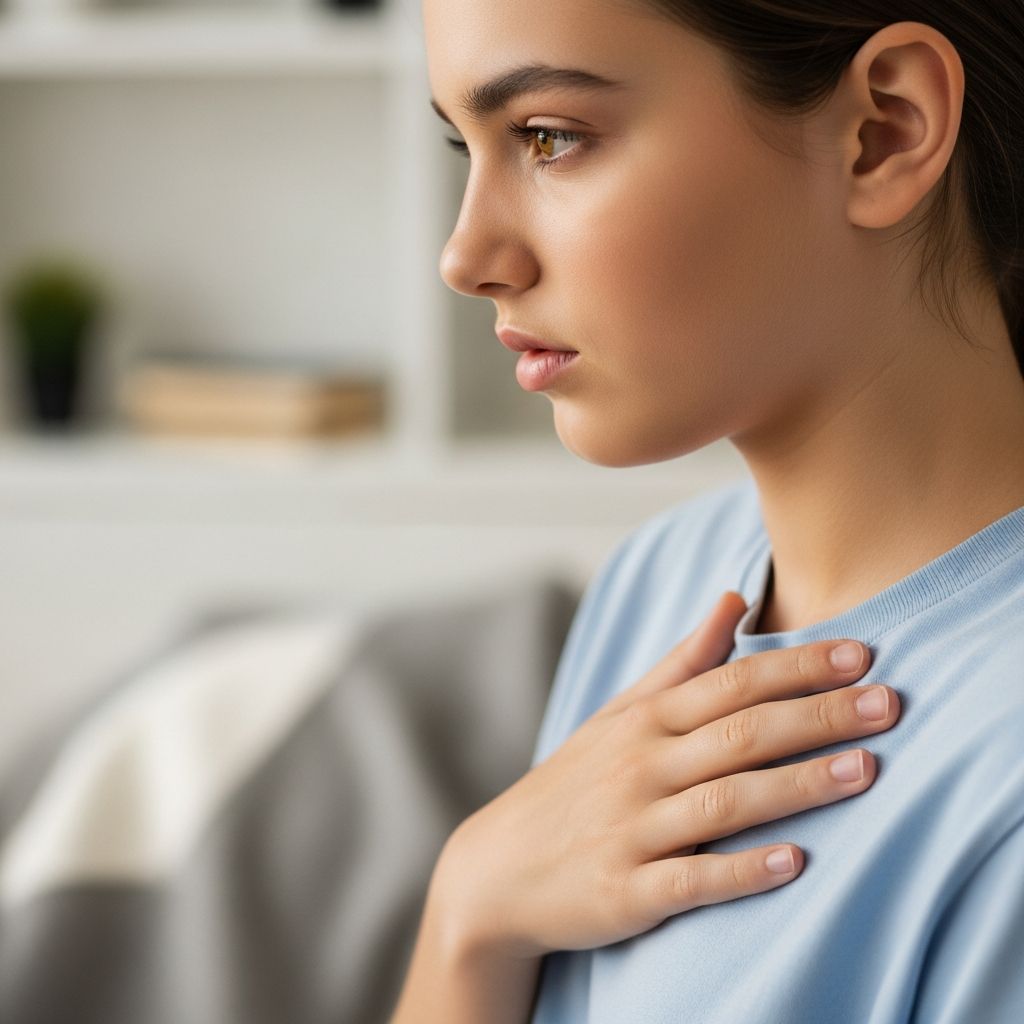
Experiencing tenderness or aching in your breasts is a frequent concern for many teenagers, especially during periods of rapid body changes. This discomfort, known medically as mastalgia, often stems from natural hormonal shifts rather than anything serious. Understanding the triggers can help you manage it effectively and know when professional advice is needed.
Common Triggers of Breast Discomfort in Adolescence
During the teen years, the body undergoes significant transformations driven by hormones like estrogen and progesterone. These changes can lead to breast tissue expansion, making the area sensitive or sore. Pain might feel like a dull ache, heaviness, or sharp twinges, usually affecting both breasts symmetrically.
- Hormonal fluctuations: Peaks in hormone levels cause fluid retention, swelling the breast tissue and stretching surrounding skin and nerves.
- Pubertal development: As breasts form, initial breast buds under the nipples can be tender for months.
- Cyclical patterns: Discomfort often aligns with the menstrual cycle, intensifying pre-period.
Less commonly, external factors like ill-fitting bras or physical activity contribute by irritating chest muscles or ligaments.
Puberty and the Onset of Breast Tenderness
Puberty typically begins between ages 8 and 13 for girls, with breast development as one of the first visible signs. A small, firm lump called a breast bud forms beneath the nipple, signaling the start of glandular tissue growth. This phase can last several years, during which soreness is entirely normal.
The tenderness arises because rapidly growing tissue presses against skin and ligaments. Itchiness or heightened sensitivity around the nipples may accompany this. Boys can experience similar temporary swelling, termed gynecomastia, due to the same hormonal surges, which usually resolves without intervention.
| Stage of Breast Development | Typical Age Range | Common Sensations |
|---|---|---|
| Breast bud formation | 8-13 years | Tenderness under nipple, small lump |
| Further enlargement | 10-14 years | Aching, fullness in both breasts |
| Areola widening | 12-18 years | Intermittent soreness, skin stretching |
This table outlines key phases, helping track normal progression. Pain intensity varies; some feel mild discomfort, while others notice it more prominently during active growth spurts.
How Menstrual Cycles Influence Breast Pain
Premenstrual syndrome (PMS) affects up to 75% of menstruating teens, with breast soreness being a hallmark symptom. About a week before your period, rising progesterone levels prompt water retention, causing breasts to swell and feel heavy or painful.
This cyclical mastalgia peaks mid-luteal phase and eases once menstruation starts. The pain often radiates to the underarm or sides, described as throbbing or tight. Factors like caffeine intake or high-sodium diets can exacerbate fluid buildup, worsening symptoms.
- Avoid salty snacks and caffeinated drinks in the luteal phase.
- Track cycles with apps to anticipate flare-ups.
Post-period relief is typical, but persistent patterns warrant noting for healthcare discussions.
Distinguishing Cyclical from Non-Cyclical Pain
Breast pain falls into two categories: cyclical, tied to menstrual phases, and non-cyclical, unrelated to cycles. Cyclical pain impacts both breasts, feels diffuse, and resolves monthly. It’s most prevalent between ages 20-50 but starts in teens.
Non-cyclical pain is localized, sharper, and can persist. Causes include:
- Musculoskeletal issues: Strained chest muscles from sports or poor posture mimicking breast pain.
- Benign conditions: Cysts or fibroadenomas causing focal tenderness.
- External irritants: Tight clothing or bras compressing tissue.
Unlike cyclical pain, non-cyclical doesn’t improve with periods and may require imaging if ongoing beyond two weeks.
Other Potential Contributors to Soreness
Beyond hormones, lifestyle and health factors play roles. Large breasts can strain supporting ligaments, leading to chronic ache referred from the neck or shoulders. Infections like mastitis, though rarer in non-lactating teens, cause localized redness and warmth.
Medications, such as hormonal contraceptives, may trigger or alleviate pain depending on formulation. Injury from impacts or repetitive motions (e.g., running without support) inflames tissue. Rarely, conditions like costochondritis (rib cartilage inflammation) present as breast discomfort.
Practical Strategies for Easing Breast Discomfort
Most teen breast pain self-resolves, but these evidence-based tips provide relief:
- Wear supportive bras: Opt for well-fitted sports bras during activity to minimize bounce and pressure.
- Apply heat or cold: Warm compresses relax tissue; ice packs reduce swelling.
- Adjust diet: Cut caffeine and salt; increase omega-3s from fish or nuts to potentially lessen inflammation.
- Over-the-counter aids: Ibuprofen or acetaminophen targets prostaglandin-driven pain.
- Evening primrose oil: Some studies suggest it helps cyclical mastalgia via gamma-linolenic acid.
Practice stress reduction like yoga, as tension amplifies perception of pain. Maintain a symptom journal: date, pain scale (1-10), location, and cycle day for patterns.
Recognizing When to Consult a Doctor
While rarely indicative of cancer in teens, certain signs merit prompt evaluation. Seek care if pain:
- Lasts over two weeks without cycle correlation.
- Accompanies lumps, nipple discharge (especially bloody), skin dimpling, or redness.
- Severely impacts sleep or daily activities.
- Occurs with fever, swelling, or pus-like discharge.
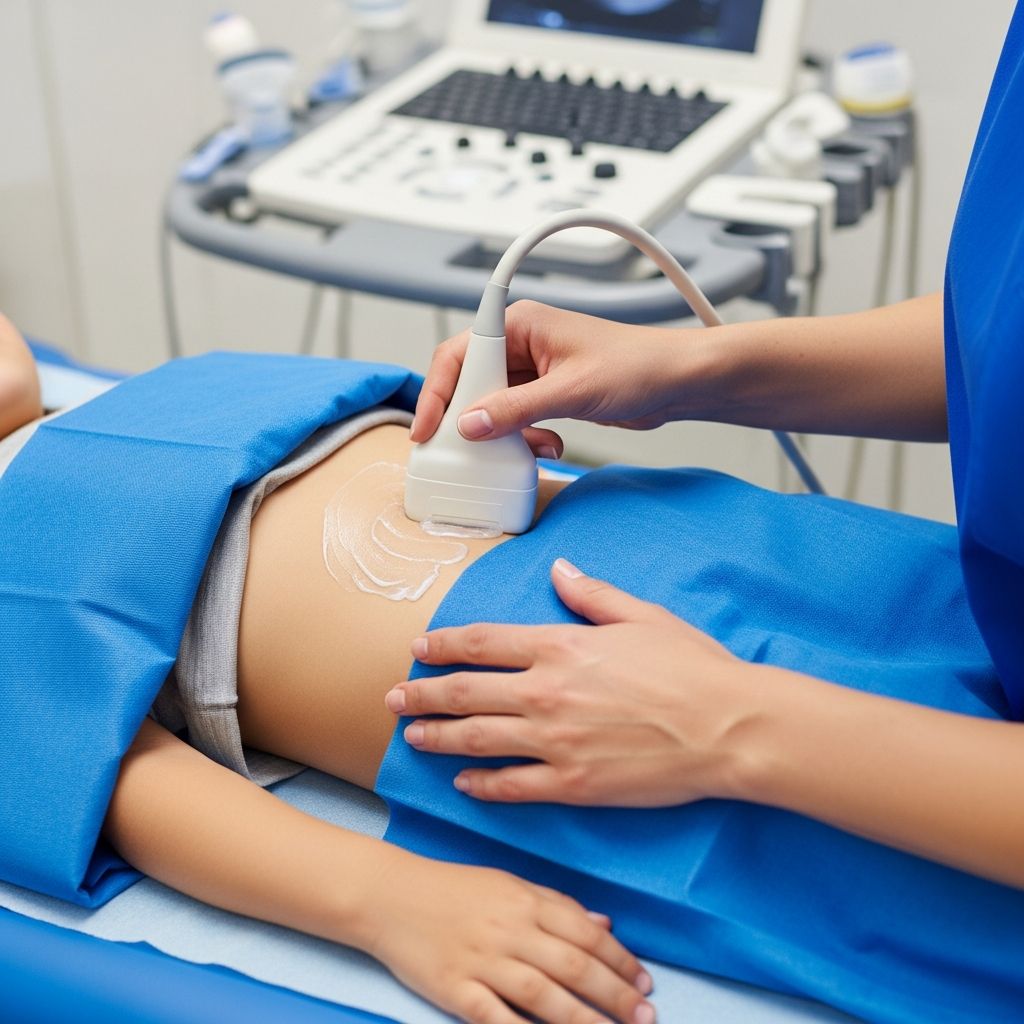
A healthcare provider may perform exams, ultrasounds, or mammograms if needed. Early checks rule out rare issues like abscesses.
Frequently Asked Questions (FAQs)
Is breast pain during puberty normal?
Yes, it’s a standard part of development as tissue grows, often lasting until full maturity.
Can boys have sore breasts?
Absolutely; gynecomastia from estrogen surges causes temporary tenderness, resolving naturally.
Does PMS breast pain mean I’m pregnant?
Not necessarily; similar hormonal shifts mimic early pregnancy symptoms, but test if periods are late.
How long does cyclical soreness last?
Typically 3-10 days pre-period, easing with menstruation.
Can exercise make breasts hurt more?
Yes, without proper support; high-impact activities strain ligaments, so choose supportive gear.
Long-Term Outlook and Prevention
For most teens, breast pain diminishes post-puberty or after pregnancy/menopause stabilizes hormones. Consistent bra fitting every six months accommodates growth. Regular physical exams during check-ups monitor changes.
Empower yourself with knowledge: soreness reflects a healthy, adapting body. Open talks with trusted adults normalize experiences, reducing anxiety.
References
- Understanding Breast Pain — Fairfield Medical Center. 2020-05-01. https://www.fmchealth.org/understanding-breast-pain/
- Why Are My Breasts Sore? (for Teens) — Nemours KidsHealth. Accessed 2026. https://kidshealth.org/en/teens/sore-breasts.html
- Breast Pain (Mastalgia) — Cleveland Clinic. 2023-08-15. https://my.clevelandclinic.org/health/diseases/15469-breast-pain-mastalgia
- Breast pain — NHS. 2024-02-20. https://www.nhs.uk/symptoms/breast-pain/
- Do breasts hurt when they grow? Breast development for teens — Medical News Today. 2023-11-10. https://www.medicalnewstoday.com/articles/319270