What Parents Need to Know About Brain Tumors in Children
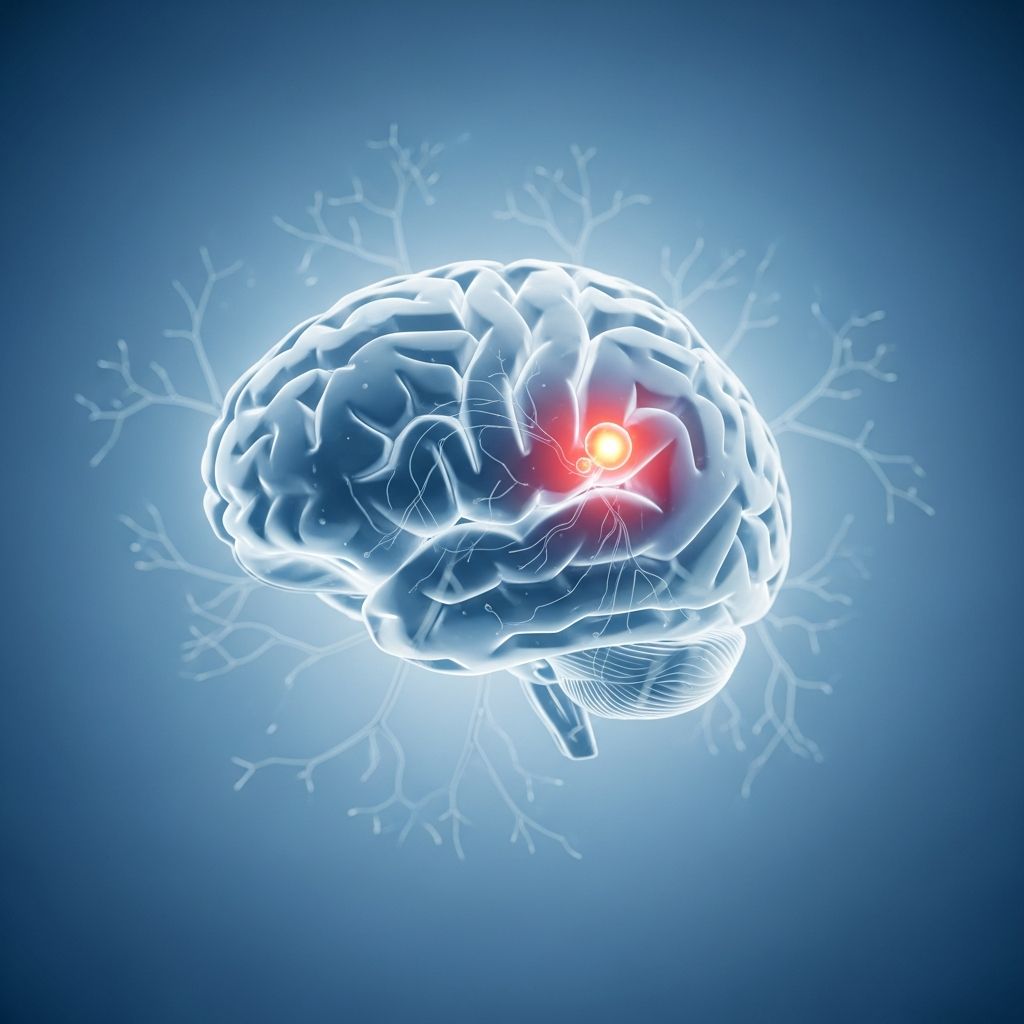
Brain tumors represent a significant health concern in pediatric populations, affecting children across all age groups. When cells within or near the brain begin to grow abnormally and multiply uncontrollably, they form masses known as tumors. These growths can originate directly from brain tissue or may develop from cells that have migrated to the brain from other parts of the body. Understanding the fundamentals of pediatric brain tumors is crucial for parents and caregivers who want to recognize potential warning signs and seek timely medical intervention.
The physical consequences of a growing brain tumor can be substantial. As tumors expand, they occupy space within the skull and exert pressure on surrounding neural tissue. Additionally, these growths may obstruct the normal flow of cerebrospinal fluid (CSF), the clear liquid that circulates around the brain and spinal cord, providing essential cushioning and nutrient transport. This combination of increased intracranial pressure and fluid buildup creates the conditions that typically produce the symptoms parents should be aware of.
Recognizing the Primary Warning Signs
Early identification of brain tumor symptoms can make a significant difference in treatment outcomes. However, the challenge for parents is that many symptoms associated with brain tumors are common in childhood illnesses, making differentiation difficult without professional evaluation. The following signs warrant careful attention and medical assessment.
Persistent and Progressive Headaches
Headaches represent one of the most frequently reported symptoms in children with brain tumors. Parents should note that these headaches often display distinctive characteristics: they frequently worsen in the morning upon waking and may improve only after the child vomits. The headaches tend to become increasingly severe and frequent over time rather than remaining stable. In infants and very young children who cannot verbally communicate pain, parents might observe increased irritability, unusual crying, or resistance to normal activities as indicators of discomfort.
Nausea and Vomiting Patterns
Gastrointestinal symptoms are remarkably common in pediatric brain tumor cases. Morning vomiting, sometimes occurring without preceding nausea, frequently accompanies the headaches. Persistent nausea that continues over a period of two weeks or longer should trigger medical evaluation. This symptom pattern differs from typical gastroenteritis because it persists without obvious digestive causes.
Vision and Sensory Changes
Visual disturbances can manifest in several ways. Children may experience double vision, blurred sight, or abnormal eye movements. In younger children who cannot articulate vision problems, parents might observe squinting, covering one eye when looking at objects, or unusual eye positioning. Hearing difficulties and speech changes, including slurred speech or trouble understanding spoken language, represent additional sensory indicators requiring professional assessment.
Secondary Symptoms Varying by Tumor Location
The specific location of a brain tumor significantly influences which symptoms develop. Understanding how location-based symptoms manifest helps parents recognize patterns that should prompt medical consultation.
Frontal and Temporal Lobe Involvement
When tumors affect the cerebrum (the brain’s largest region responsible for thinking and voluntary movement), children often experience seizures or convulsions, which may represent the first obvious symptom. Personality changes, mood disturbances including depression, and behavioral modifications frequently accompany frontal lobe tumors. Weakness or paralysis affecting one side of the body or face may develop, along with drowsiness, confusion, and difficulty concentrating.
Cerebellum-Related Symptoms
The cerebellum, positioned at the brain’s base, controls coordination, balance, and movement precision. Tumors in this region produce characteristic symptoms including difficulty walking (ataxia), uncoordinated movements of limbs, problems with fine motor control such as handwriting difficulties, and trouble with eye movements. Children may appear clumsy or unsteady, with walking patterns becoming noticeably abnormal.
Brainstem Involvement
The brainstem, connecting the brain to the spinal cord, controls vital functions and nerve pathways. Brainstem tumors produce respiratory problems, difficulty swallowing, muscle stiffness, weakness, balance disturbances, and trouble walking. Double vision and hearing loss may occur, along with bowel or bladder control problems. Facial weakness or drooping on one side represents another common brainstem-related symptom.
Less Obvious but Important Symptoms
Beyond the primary symptoms, parents should recognize additional indicators that might suggest brain tumor development:
- Delayed achievement of developmental milestones in infants and toddlers
- Enlarged fontanel (soft spot on the skull) in babies that remains bulging
- Unusual drowsiness or excessive sleeping
- Behavioral changes including increased irritability without obvious cause
- Tilted head position or stiff neck positioning
- Numbness or tingling sensations in arms or legs
- Abnormal growth patterns or delayed puberty in older children
- Reduced consciousness or alertness
- Excessive thirst combined with increased urination
Distinguishing Brain Tumors from Common Childhood Conditions
The challenge parents face is that many brain tumor symptoms overlap significantly with common childhood conditions. Headaches, vomiting, and balance problems occur frequently with viral infections, ear infections, and other minor illnesses. The critical distinction lies in persistence and pattern. Symptoms that appear suddenly and resolve quickly likely indicate temporary conditions. Conversely, symptoms that gradually intensify, persist beyond two weeks, or show a morning-worsening pattern warrant professional medical evaluation.
When a child displays any combination of the symptoms described, initial consultation with a pediatrician is appropriate. The pediatrician can perform a thorough evaluation and determine whether the symptoms suggest need for neurological specialist referral or advanced imaging studies.
How Medical Professionals Diagnose Brain Tumors
When brain tumor is suspected, physicians employ several diagnostic approaches to confirm or rule out the condition. A comprehensive neurological examination tests reflexes, muscle strength, coordination, balance, vision, and hearing. This physical assessment provides baseline data about nervous system function.
Imaging studies represent the most definitive diagnostic tools. Magnetic resonance imaging (MRI) produces detailed pictures of brain tissue and can identify tumor location, size, and characteristics. Computed tomography (CT) scans provide additional imaging information, particularly regarding bone involvement. In some cases, biopsy procedures may be necessary to determine the tumor’s cellular composition and grade.
Understanding Common Pediatric Brain Tumor Types
Different tumor types occur with varying frequencies in children. The most prevalent type is astrocytoma, a glioma starting in astrocyte cells that can develop anywhere in the brain or spinal cord. This tumor typically grows slowly but can cause significant symptoms when pressing on nearby structures.
Medulloblastoma represents another common type, typically occurring in the posterior fossa region at the brain’s base. Ependymoma arises from cells lining the brain’s ventricles and can block cerebrospinal fluid flow. Optic nerve gliomas affect the nerves transmitting visual information and may impact hormone regulation due to their location near the pituitary gland.
Rarer tumor types include choroid plexus tumors originating in brain ventricles, craniopharyngioma developing near hormone-controlling structures, pineoblastoma arising in the pineal gland, and embryonal tumors that develop from immature cells. Each tumor type carries different prognosis and treatment implications.
Treatment Approaches for Pediatric Brain Tumors
Treatment plans are individualized based on tumor type, size, location, grade, and the child’s age and overall health. Surgery represents the primary treatment for most brain tumors, with the goal of removing as much tumor tissue as possible while preserving neurological function.
Radiation therapy uses targeted energy beams to destroy remaining cancer cells and prevent recurrence. This treatment is particularly important for aggressive tumors or those that cannot be completely surgically removed. Chemotherapy employs drugs that circulate through the bloodstream to target cancer cells throughout the body and brain.
Newer treatment approaches include targeted therapies designed to attack specific tumor characteristics and immunotherapy approaches that harness the immune system’s ability to recognize and destroy cancer cells. Treatment decisions are made collaboratively by pediatric oncologists, neurosurgeons, and radiation specialists.
The Importance of Early Detection
Early identification and diagnosis of pediatric brain tumors significantly improves treatment outcomes and survival rates. Parents who remain attentive to potential warning signs and communicate promptly with healthcare providers when concerns arise give their children the best chance for optimal outcomes.
Creating an environment where children feel comfortable reporting symptoms and body changes supports early detection. Young children may not recognize or articulate symptoms effectively, making parental observation essential. Maintaining regular pediatric check-ups provides additional opportunities for healthcare professionals to identify subtle signs that might warrant further investigation.
Frequently Asked Questions About Pediatric Brain Tumors
Are all brain tumors in children cancerous?
No, not all brain tumors are cancerous. Some are benign (non-cancerous) growths that may still require treatment if they cause symptoms or affect brain function. A biopsy and pathological examination determine whether a tumor is benign or malignant.
Can brain tumors in children be prevented?
Most pediatric brain tumors develop without known preventable causes. While inherited genetic syndromes increase some children’s risk, most cases occur randomly without identifiable prevention strategies. Maintaining overall health and avoiding known risk factors when possible is recommended.
What should I do if I suspect my child has a brain tumor?
Schedule an appointment with your pediatrician as soon as possible. Describe the symptoms you’ve observed, when they started, and how they’ve progressed. Your pediatrician can perform an initial evaluation and determine whether specialist referral or imaging studies are necessary.
How long does treatment typically take?
Treatment duration varies significantly depending on tumor type, stage, and treatment approach. Some children complete treatment within several months, while others require ongoing therapy over longer periods. Your medical team will provide specific timelines based on your child’s individual situation.
What support is available for families during treatment?
Pediatric cancer centers typically offer comprehensive support including counseling, financial assistance programs, social services, educational resources, and connections to support groups. These resources help families navigate the emotional, practical, and financial challenges of childhood brain tumor treatment.
Can my child return to normal activities after treatment?
Many children return to school and regular activities following successful treatment, though the timeline depends on individual circumstances. Some children may experience lasting effects requiring accommodation or rehabilitation. Your medical team will provide guidance about activity resumption based on your child’s specific recovery needs.
References
- Pediatric Brain Tumors – Symptoms and Causes — Mayo Clinic. 2024. https://www.mayoclinic.org/diseases-conditions/pediatric-brain-tumor/symptoms-causes/syc-20361694
- Symptoms of a Pediatric Brain Tumor — Weill Cornell Medicine Department of Neurological Surgery. 2024. https://neurosurgery.weillcornell.org/condition/brain-tumors-children/symptoms-pediatric-brain-tumor
- Pediatric Brain Tumors – Conditions and Treatments — Children’s National Hospital. 2024. https://www.childrensnational.org/get-care/health-library/brain-tumors
- Brain Tumour Symptoms in Children — The Brain Tumour Charity. 2024. https://www.thebraintumourcharity.org/brain-tumour-signs-symptoms/child-brain-tumour-symptoms/
- Pediatric Brain Tumors — Children’s Hospital of Philadelphia. 2024. https://www.chop.edu/conditions-diseases/pediatric-brain-tumors
- Brain Tumors in Children — MedlinePlus, National Library of Medicine. 2024. https://medlineplus.gov/childhoodbraintumors.html
- Brain Tumors — Boston Children’s Hospital. 2024. https://www.childrenshospital.org/conditions-treatments/brain-tumors