Your brain and nervous system form the control center and communication network that run every part of your body. They shape how you move, think, feel, learn, and react from the moment you wake up to the moment you fall asleep.
During the teen years, this system is still under construction. Circuits are being wired and rewired, which is why you may sometimes feel like an adult in one moment and a confused kid in the next. Understanding this system makes it easier to take care of your health, make better choices, and be kinder to yourself.
1. The Brain: Your Mission Control
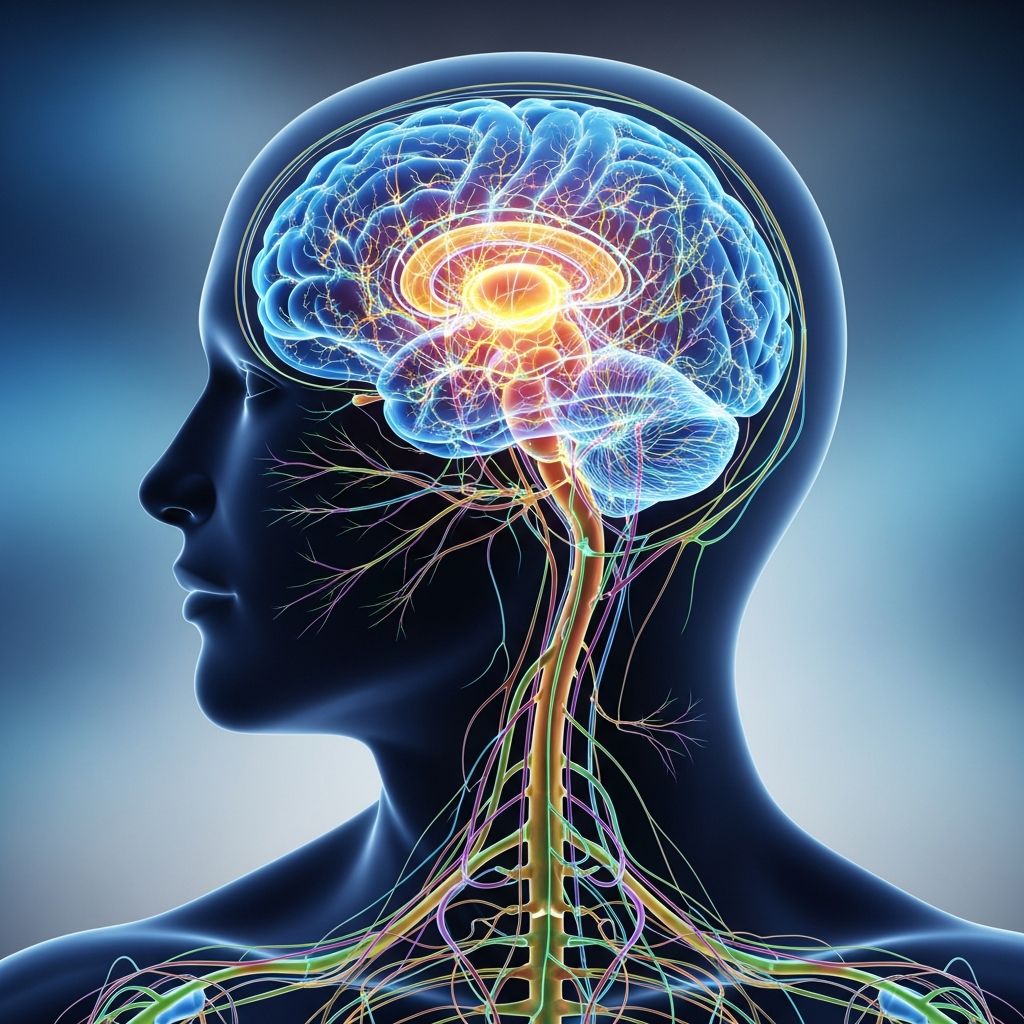
The brain is a soft, folded organ protected inside your skull that works like a super-computer plus a decision-maker plus an emotional coach all in one. It receives messages from your senses, processes them, decides what to do, and then sends instructions out to the rest of the body.
Even when you sit perfectly still, your brain keeps your heart beating, your lungs breathing, and your temperature stable. It also filters what to focus on, like a teacher calling on one student at a time in a loud classroom.
- The brain uses electrical signals and chemical messengers to communicate.
- It works with the spinal cord and nerves to form the nervous system.
- It never fully “powers off” while you are alive, even when you sleep.
2. Major Brain Regions and What They Do
Different areas of the brain have different specialties, a bit like departments in a company. They constantly share information to keep you safe and functioning.
2.1 Outer Layer: The Thinking Surface
The wrinkled outer layer is called the cortex. It is responsible for high-level thinking, planning, language, and conscious movement. Different parts of this surface handle different jobs, such as vision, hearing, or touch.
- Back areas help you see and interpret shapes, colors, and motion.
- Side areas help you understand sounds and language.
- Top and front areas help with decisions, problem-solving, and self-control.
2.2 Inner Areas: Emotions and Survival
Deeper inside the brain, structures help with memory, motivation, fear, and basic survival functions. These regions influence how strongly you react to stress, rewards, and social situations.
| Brain Area | Main Role | Everyday Example |
|---|---|---|
| Frontal regions | Planning, decision-making, self-control | Choosing to study before scrolling on your phone |
| Memory centers | Storing and recalling information | Remembering a friend’s birthday |
| Emotion centers | Processing fear, pleasure, anger | Feeling nervous before a test |
| Balance and coordination areas | Smooth movement, posture | Staying upright on a skateboard |
| Automatic control centers | Breathing, heart rate, digestion | Staying alive while you sleep without thinking about it |
3. The Nervous System: Your Body’s Wiring Network
The nervous system is made up of the brain, the spinal cord, and billions of nerves that spread all over the body. It allows different parts of you to talk to each other quickly and accurately.
Without this wiring, you would not feel pain, move your muscles, sense temperature, or react to danger. Messages travel along nerves at high speed so you can avoid harm, maintain balance, and react to the world in real time.
3.1 Central vs Peripheral Systems
The nervous system is usually divided into two main parts: the control center and the network of branches.
- Central system: Includes the brain and spinal cord, handling major processing and decision-making.
- Peripheral system: All nerves outside the brain and spinal cord that carry messages to and from every organ, muscle, and sense organ.
The spinal cord acts like a thick main cable running inside your spine. Thin nerve branches leave this cable and travel to the skin, organs, and muscles to deliver signals.
3.2 Voluntary and Automatic Actions
Some nerve pathways control actions you choose to make, like walking or writing. Others run processes you rarely think about, such as breathing faster when you exercise or sweating when overheated.
- Voluntary pathways: Control movements you consciously decide to perform.
- Automatic pathways: Regulate heart rate, blood pressure, digestion, and other background processes.
4. Nerve Cells: How Messages Travel
The nervous system is built from special cells called neurons. These cells send and receive signals using tiny electrical impulses and chemical messengers. Each neuron can connect with many others, forming networks that store habits, skills, and memories.
A typical neuron has three main parts: a cell body that keeps it alive, branch-like structures that receive messages, and a long fiber that sends messages onward. Some fibers are coated with a fatty layer that helps signals move faster and more reliably.
- Signals move along a single neuron as brief electrical pulses.
- At the connection between neurons, chemicals carry the message across a tiny gap.
- Repeated use of a pathway can strengthen it, making actions feel easier over time.
5. Why the Teen Brain Feels Different
During teenage years, the brain is not just bigger; it is actually reorganizing. Connections that are used often become stronger, while rarely used ones are trimmed back. This process helps your brain become more efficient, but it can also make emotions and reactions intense.
Areas involved in reward and emotion tend to mature earlier, while regions responsible for planning and self-control take longer. This timing difference can push teens toward seeking excitement and new experiences before decision-making skills are fully settled.
- Risk-taking can increase because rewards feel more powerful than future consequences.
- Peer approval can seem extremely important, driving choices in social situations.
- With practice and time, self-control and long-term thinking continue to improve.
6. How Thoughts, Feelings, and Movements Connect
Your thoughts, emotions, and physical reactions are all linked by brain circuits and nerves. Stressful events can trigger body changes like a racing heart, while calming thoughts or breathing exercises can slow these reactions.
When you learn a new skill, such as playing an instrument or a sport, your brain builds new pathways and strengthens existing ones. Repetition helps these pathways become more automatic, so you need less effort to perform the same task later.
- Strong emotions can temporarily block clear thinking and memory.
- Physical activity can boost mood by changing brain chemicals.
- Quality sleep helps the brain organize and store what you learned during the day.
7. Everyday Habits That Protect Your Brain and Nerves
Your choices today can shape how well your brain works for years to come. Healthy habits help keep blood flowing to brain cells, support repair processes, and protect delicate nerve tissues from damage.
7.1 Sleep and Recovery
Sleep is not wasted time; it is a maintenance window for your brain. While you sleep, your brain sorts memories, clears out waste products, and repairs cells. Teens typically need more sleep than adults, even if they feel pressured to stay up late.
- Aim for a consistent bedtime and wake-up time when possible.
- Limit bright screens in the hour before trying to fall asleep.
- Create a short relaxing routine, like stretching or reading.
7.2 Nutrition for Nerve Health
Your brain uses a lot of energy and relies on a steady supply of nutrients. Balanced meals support attention, mood, and memory much better than long stretches of junk food or skipping meals.
- Include colorful fruits and vegetables for vitamins and protective plant compounds.
- Choose healthy fats from sources like nuts, seeds, and certain oils.
- Drink enough water during the day to prevent tiredness and headaches.
7.3 Movement and Exercise
Exercise increases blood flow to the brain, delivers oxygen and nutrients, and encourages the release of chemicals that support nerve cell growth. Even short activity breaks can refresh attention and mood.
- Mix activities you enjoy, such as walking, dancing, or team sports.
- Use short movement breaks during long study sessions to restart focus.
- Try to avoid sitting for very long periods without standing or stretching.
8. Protecting Your Brain From Injury and Harm
Because nervous system tissue does not always repair easily, preventing injury is crucial. A single serious impact to the head or spine can have lifelong effects on movement, thinking, or personality.
- Wear appropriate protective gear during sports and activities that risk falls or collisions.
- Use seat belts every time you are in a vehicle, even for short rides.
- Avoid substances that can damage brain cells, such as certain drugs and excessive alcohol.
Recognizing signs of concussion or nerve problems—such as confusion, severe headache, weakness, or numbness—helps you seek medical help quickly. Early care can sometimes reduce long-term damage.
9. Signals Something Might Be Wrong
Most teens experience mood swings, forgetfulness, or clumsiness at times, and that can be part of normal development. However, some changes might signal that the brain or nerves need medical attention or support.
- Frequent or severe headaches that do not improve with rest or hydration.
- Sudden weakness, numbness, or difficulty moving part of the body.
- Ongoing sadness, anxiety, or loss of interest in usual activities.
- Major changes in sleep, appetite, or school performance for several weeks.
If you notice these issues in yourself or a friend, talking to a trusted adult or health professional is important. Early discussion can lead to support, treatment, or lifestyle changes that make a real difference.
10. Building a Brain-Healthy Lifestyle
Taking care of your nervous system is not about perfection; it is about consistent small choices. Over time, those choices shape how clearly you think, how you handle stress, and how much energy you have for the things you care about.
- Give your brain regular breaks from multitasking and constant notifications.
- Practice stress-management skills like deep breathing, stretching, or journaling.
- Stay curious and keep learning; challenging your brain helps build stronger connections.
As a teen, your brain is in a powerful stage of growth and change. Understanding what is happening inside your head helps you make smarter choices, support your mental health, and prepare for a healthy adult life.
Frequently Asked Questions (FAQs)
Why do small problems feel huge sometimes?
Emotion-related brain regions can respond strongly during adolescence, while control and reasoning areas are still developing. This combination can make everyday stresses feel overwhelming until you gain more experience with handling them.
Is it normal to be more forgetful as a teen?
With school, activities, social life, and screens competing for attention, it is common to misplace things or forget details. Building routines, using reminders, and getting enough sleep can greatly improve memory.
Can the brain really change after childhood?
Yes. The brain remains able to grow new connections and strengthen old ones throughout life, especially during the teen years. Challenging learning experiences, good sleep, and healthy habits all support positive changes.
Do video games damage the brain?
Moderate gaming, balanced with sleep, exercise, schoolwork, and face-to-face relationships, is usually not harmful for most healthy teens. The main risks come from excessive screen time replacing sleep, physical activity, or real-world social connection.
When should I talk to a doctor about brain or nerve concerns?
If you experience sudden changes like loss of movement, severe headaches, seizures, or drastic mood shifts, or if you are worried about ongoing concentration or emotional issues, it is important to tell a parent, guardian, or health professional. Getting help early can prevent problems from getting worse.