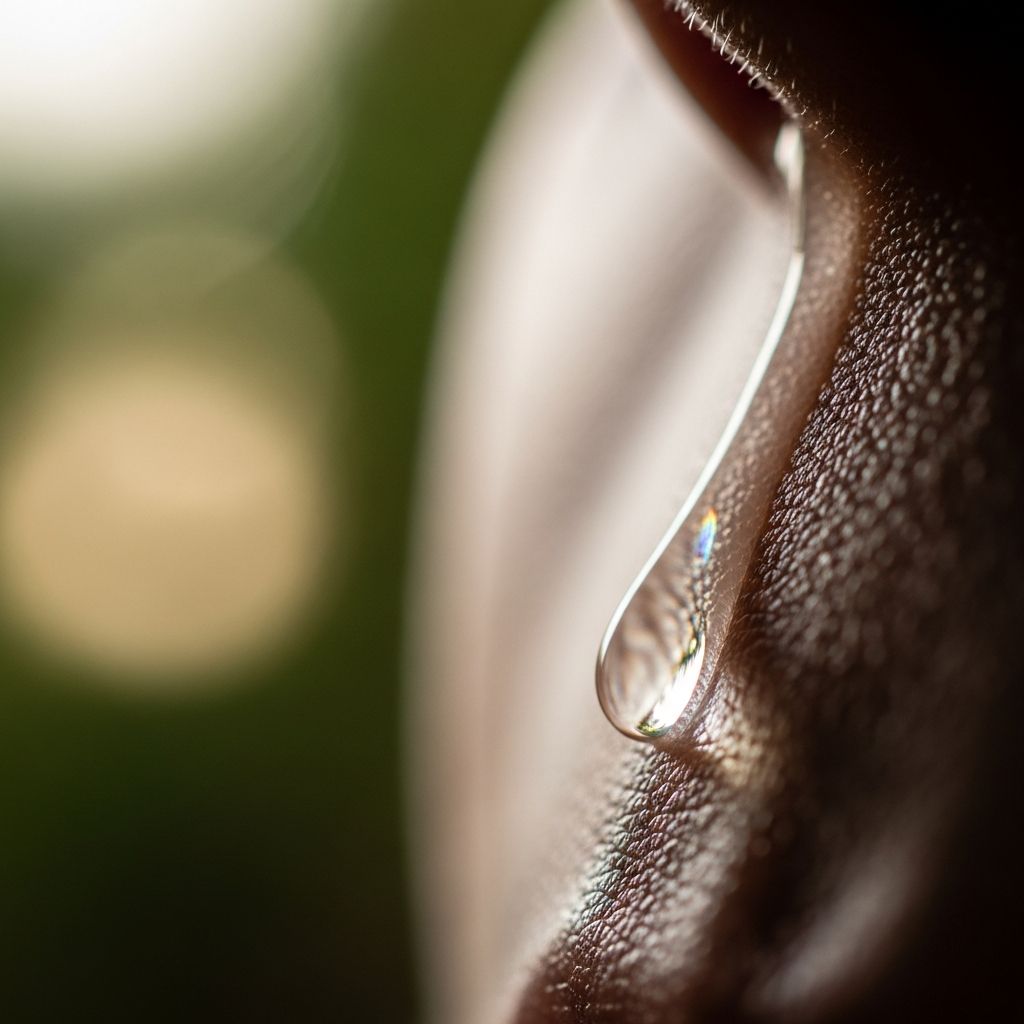
Experiencing tears during moments of profound happiness is a universal human phenomenon that puzzles many. These tears of joy emerge not from sadness but from overwhelming positive emotions, serving critical roles in emotional balance and social connection. This article delves into the mechanisms, triggers, benefits, and deeper implications of happy crying, drawing on established psychological research.
Understanding Dimorphous Expressions in Positive Emotions
At the heart of tears of joy lies the concept of dimorphous expressions, where the body responds to intense positive feelings with a seemingly opposite reaction, such as crying. This regulatory mechanism helps restore emotional equilibrium when joy becomes too overwhelming. Research shows that individuals prone to such expressions, like wanting to squeeze a baby’s cheek during adoration, are more likely to tear up at happy events.
Dimorphous expressions counteract emotional peaks by introducing a mild negative component. For instance, during graduations or weddings, the surge of happiness triggers tears to prevent emotional overload, allowing individuals to savor the moment without distress. Studies confirm this balancing act extends to other behaviors, linking cheek-pinching urges with tearful responses to positive stimuli.
Physiological Mechanisms: Hormones and Emotional Release
Crying, even from joy, activates the body’s stress-relief pathways. Tears release oxytocin and endorphins, hormones that elevate mood and promote a sense of calm. After shedding tears of happiness, people often report feeling lighter and more centered, as these chemicals counteract the physiological arousal of peak joy.
Physiologically, joyful crying stabilizes respiration and heart rate more effectively than suppressing emotions. In experiments, criers exposed to emotional stimuli showed quicker recovery to baseline levels compared to non-criers, highlighting crying’s role in rapid homeostasis. This process is particularly pronounced in tears of joy, which differ from sad tears by enhancing post-cry wellbeing and reducing perceived stress.
- Oxytocin surge: Builds emotional comfort and bonding.
- Endorphin release: Acts as natural painkillers, lifting mood.
- Respiratory stabilization: Prevents hyperarousal from prolonged excitement.
Common Triggers for Happy Tears
Tears of joy arise in specific contexts that amplify positive emotions. Researchers categorize them into distinct types, each tied to unique experiential peaks.
| Trigger Type | Description | Examples |
|---|---|---|
| Affection | Warmth toward loved ones overwhelms with gratitude. | Weddings, reunions, parental milestones. |
| Success | Achievement after uncertainty releases pent-up tension. | Winning competitions, promotions, goal attainment. |
| Beauty | Aesthetic awe transcends everyday perception. | Moving music, stunning landscapes, art. |
| Amusement | Intense laughter builds to tearful overflow. | Side-splitting comedy, joyful surprises. |
Success-related tears often correlate with prior doubt, where phrases like ‘I don’t know if I could do it’ precede the emotional climax. Non-romantic affection and personal triumphs dominate reports, underscoring relational and self-actualization themes.
Social and Interpersonal Functions of Joyful Crying
Beyond self-regulation, tears of joy signal vulnerability, eliciting empathy from others. Cross-cultural studies reveal that tearful faces prompt stronger urges to comfort, fostering connection regardless of cultural or group differences. This effect intensifies among empathic observers or in-group members.
In interpersonal dynamics, dimorphous joy displays prompt down-regulation from witnesses, moderating the crier’s intensity to manageable levels. For example, Olympic victors’ tears invite communal celebration, transforming personal triumph into shared joy. Such expressions may denote consummatory states—pure hedonic pleasure post-desire fulfillment—enhancing social bonds.
Health Benefits: From Stress Reduction to Enhanced Wellbeing
Regular joyful crying correlates with tangible health gains. It reduces transitory stress, boosts physical wellbeing perceptions, and outperforms negative-emotion tears in mood stabilization. Cultures valuing emotional expression, often in wealthier nations, report greater post-cry positivity.
Suppressing tears, conversely, prolongs distress. Allowing joyful tears facilitates catharsis, releasing tension akin to a pressure valve. Long-term, frequent positive criers exhibit lower stress and higher life satisfaction, as endorphins reinforce resilience.
Tears of Joy and the Quest for Life’s Meaning
Emerging research posits tears of joy as markers of existential significance, not mere joy overflow. Qualitative analyses of personal accounts reveal they accompany goal achievements fraught with uncertainty, signaling life’s profound milestones.
Participants described tears at moments crystallizing personal purpose—family bonds, triumphs, awe-inspiring beauty—distinct from baseline happiness. This suggests happy tears embody a unique emotion, adaptive for orienting toward meaningful existence. Unlike regulatory joy tears, these affirm ‘the meaning of life’ through embodied validation.
Cultural Perspectives on Emotional Crying
Attitudes toward crying vary globally, influencing its expression and benefits. In expressive societies, joyful tears enhance communal ties; in stoic ones, suppression may hinder relief. Universal studies affirm tears’ empathy-eliciting power, bridging divides.
Gender norms also play a role, though effects persist across demographics. Encouraging emotional authenticity maximizes crying’s adaptive value, promoting mental health universally.
Frequently Asked Questions (FAQs)
Why do people cry when extremely happy?
Happy tears stem from dimorphous expressions, balancing intense joy with a mild negative reaction like crying to restore emotional equilibrium.
Are tears of joy healthy?
Yes, they release oxytocin and endorphins, reducing stress, stabilizing physiology, and improving mood more effectively than sad tears.
Can suppressing happy tears harm you?
Suppression prolongs emotional arousal and mood dips; allowing tears facilitates quicker recovery and wellbeing.
What triggers tears of joy most often?
Affection, success, beauty, and amusement top the list, often tied to personal milestones or awe.
Do tears of joy strengthen relationships?
Absolutely—they evoke empathy and support from others, enhancing social bonds cross-culturally.
Practical Tips for Embracing Emotional Authenticity
- Recognize overwhelm as a cue for authentic expression.
- Practice mindfulness to welcome tears without judgment.
- Share moments with supportive circles to amplify benefits.
- Reflect post-cry on insights gained for personal growth.
By understanding and honoring tears of joy, individuals unlock deeper emotional intelligence and fulfillment.
References
- Q&A: What Causes Happy Tears? — Yale Scientific Magazine. 2015-03. https://www.yalescientific.org/2015/03/qa-what-causes-happy-tears/
- Tears of Joy as an Emotional Expression of the Meaning of Life — PMC / National Library of Medicine. 2022. https://pmc.ncbi.nlm.nih.gov/articles/PMC8957987/
- What to Know About Tears of Happiness — WebMD. Accessed 2026. https://www.webmd.com/balance/what-to-know-tears-of-happiness
- Why It’s Good for You to Cry — Greater Good Science Center, UC Berkeley. Accessed 2026. https://greatergood.berkeley.edu/article/item/why_its_good_for_you_to_cry