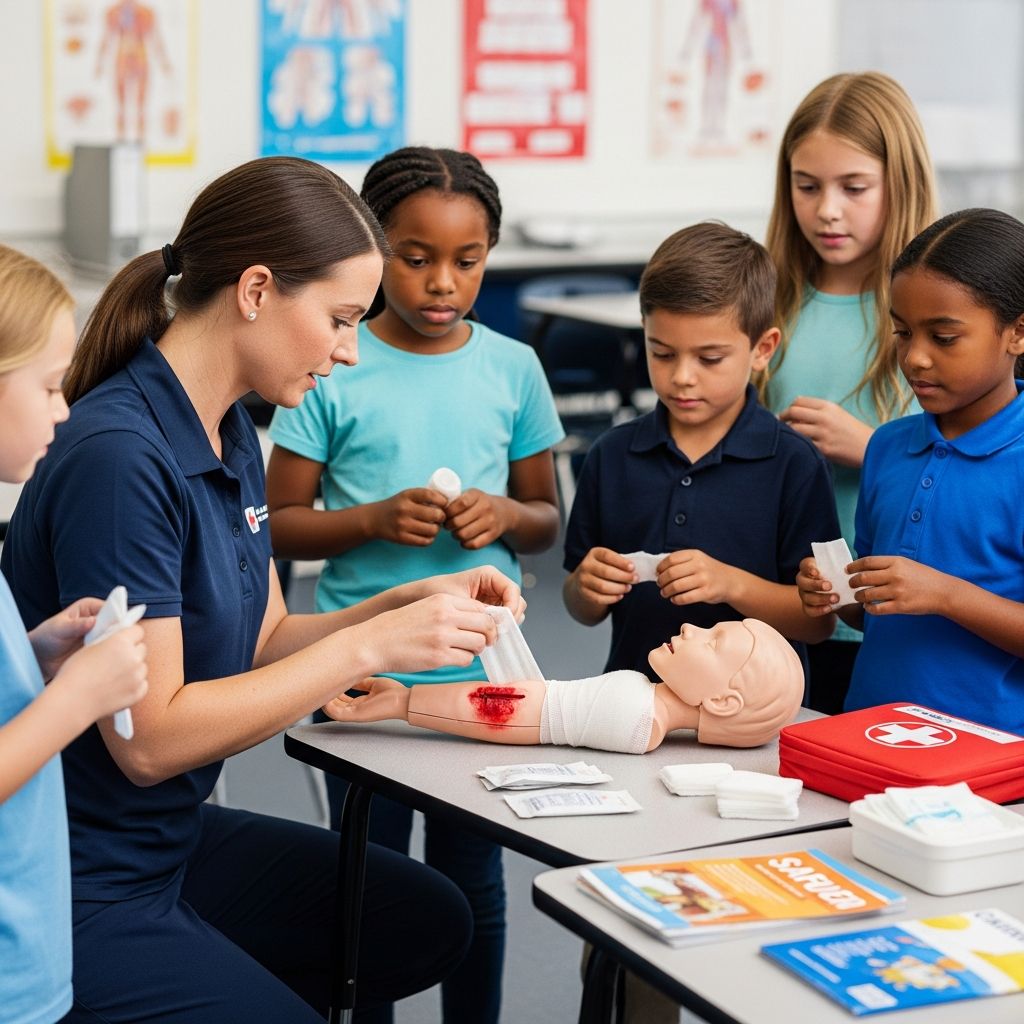
Teaching children how to manage basic trauma wounds in school settings builds confidence and preparedness for everyday accidents. This approach not only reduces injury severity but also fosters a culture of mutual care among students.
Understanding Common School Injuries in Children
School environments expose children to various risks, from playground falls causing abrasions to sports-related cuts and scrapes. Traumatic wounds, such as those from friction against rough surfaces like road rash or animal bites, damage multiple skin layers and require prompt attention to prevent infection. Recognizing these injuries early allows quick intervention, minimizing long-term scarring and emotional distress, key goals in pediatric wound management.
Blunt trauma from falls often leads to bruises or open wounds, while sharp objects can puncture skin. Statistics from pediatric trauma centers highlight that playgrounds and sports fields are hotspots for such incidents, emphasizing the need for age-appropriate training.
Why Schools Are Ideal for Wound Care Education
Educators and school nurses play pivotal roles in delivering hands-on training, similar to rotations in pediatric emergency programs where residents learn resuscitation and stabilization techniques. Integrating wound care into the curriculum empowers children to respond independently or assist peers, reducing reliance on adults during peak times.
Physical therapists trained in wound management stress individualized plans that consider a child’s mobility and daily activities, ensuring they can return to play and learning swiftly. Schools provide a controlled setting to practice without real risks, building skills that last a lifetime.
Age-Appropriate Strategies for Teaching Wound Care
Tailor lessons to developmental stages: younger children (ages 5-8) focus on simple hygiene like handwashing and covering cuts, while older kids (9-12) learn advanced steps such as cleaning deeper wounds. Evidence-based principles from pediatric guidelines recommend starting with calm reassurance to alleviate fear.
- Basic Hygiene: Wash hands thoroughly before touching wounds to prevent bacterial entry.
- Pressure Application: Use clean cloths to stop bleeding, holding for several minutes.
- Cleaning Techniques: Rinse with cool water, avoiding harsh soaps that irritate young skin.
For teens, incorporate simulations of complex scenarios like friction burns, teaching assessment of wound depth and when to seek help.
Step-by-Step Guide to Basic Wound Management for Kids
Empower children with a simple protocol: Stop, Clean, Protect, Monitor. First, stop any bleeding by applying direct pressure. Clean gently with saline or water to remove debris, a critical step highlighted in hospital wound care protocols.
| Step | Action | Why It Matters |
|---|---|---|
| 1. Assess | Check for dirt, depth, and bleeding | Identifies infection risk early |
| 2. Clean | Rinse with clean water, pat dry | Removes bacteria, promotes healing |
| 3. Dress | Apply sterile bandage | Protects from further injury |
| 4. Monitor | Watch for redness, swelling | Prevents complications like chronic wounds |
This table simplifies training, making it memorable for visual learners.
Role of School Nurses and Teachers in Training Programs
School nurses, as primary coordinators, develop Individualized Health Care Plans (IHCPs) for students with ongoing wound needs, ensuring accommodations like activity restrictions. They train untrained personnel (UAPs) to supervise self-care once competency is verified.
Teachers reinforce lessons through daily integration, such as post-recess checks. Collaborative programs with hospitals provide mock training on topics like pediatric trauma overview and injury prevention.
Tools and Supplies Every School Should Stock
Essential kits include gloves, saline, adhesive bandages, gauze, and antiseptic wipes. For advanced needs, stock hydrocolloid dressings for moist healing environments suitable for kids. Hyperbaric referrals may be needed for non-healing wounds, but schools focus on initial care.
- Age-specific bandages: Fun designs for younger kids to encourage compliance.
- Antibiotic ointments: Use sparingly to avoid resistance.
- First aid manuals: Illustrated guides for quick reference.
Addressing Special Needs and Chronic Conditions
Children with diabetes or immobility face higher wound risks; nurses assess for Section 504 plans if care exceeds six months. Physical therapy evaluations aid in restoring function, allowing participation in gym or clubs.
For post-surgical or burn wounds, emphasize positioning to prevent pressure sores. Holistic care includes emotional support to reduce distress.
Preventing Infections and Promoting Fast Healing
Infection signs—redness, pus, fever—warrant immediate adult notification. Promote healing by keeping wounds moist, not dry, per pediatric best practices. Nutrition education ties into care: protein-rich snacks aid tissue repair.
Minimize scarring through silicone gels post-healing, discussed in advanced school programs.
Legal and Planning Considerations for Schools
Develop Emergency Care Plans outlining wound-related evacuations, especially for mobility-impaired students. Ensure Free Appropriate Public Education (FAPE) via accommodations under Section 504. Parental consent and training documentation protect all parties.
Real-World Success Stories from Pediatric Centers
Programs like those at Shriners Children’s demonstrate rapid response to traumatic wounds, informing school models. CHOC’s PT-led care shows kids returning to activities faster with proper training.
Frequently Asked Questions
When should a child seek adult help for a wound?
If bleeding doesn’t stop after 10 minutes, wound is deep, or signs of infection appear, alert a teacher or nurse immediately.
Can kids with chronic illnesses participate in wound training?
Yes, with modifications; nurses create tailored plans considering conditions like diabetes.
How often should school wound care drills occur?
Quarterly sessions, plus integration into health class, ensure retention.
What if a wound affects school activities?
Review provider orders for PE restrictions; temporary adjustments support healing.
Are special supplies needed for young children?
Fun, colorful bandages improve cooperation and make care engaging.
Building a Safer Tomorrow Through Education
By embedding trauma wound training in schools, we prepare children not just for injuries, but for responsible citizenship. Programs evolve with evidence, ensuring every student thrives.
References
- Traumatic Wound Care and Treatment | Shriners Children’s — Shriners Children’s. 2023. https://www.shrinerschildrens.org/en/pediatric-care/traumatic-wounds
- Trauma Program Education | Children’s Hospital Los Angeles — Children’s Hospital Los Angeles. 2023. https://www.chla.org/trauma-program/trauma-program-education
- At-Home Wound Care Tips for Parents – CHOC Health — CHOC Children’s. 2023. https://health.choc.org/home-wound-care-tips-parents/
- Wound Healing Center | Miller Children’s & Women’s Hospital — Miller Children’s & Women’s Hospital. 2023. https://www.millerchildrens.memorialcare.org/specialties/wound-healing-center
- Wound Management | Show Me School Health — Show Me School Health. 2023. https://showmeschoolhealth.org/resources/wound-management/
- Wound Healing in Pediatric Patients – WoundSource — WoundSource. 2023. https://www.woundsource.com/patientcondition/pediatric-wounds
- Practical Guide to Pediatric Wound Care – PMC – NIH — National Center for Biotechnology Information. 2010-05-26. https://pmc.ncbi.nlm.nih.gov/articles/PMC2884765/