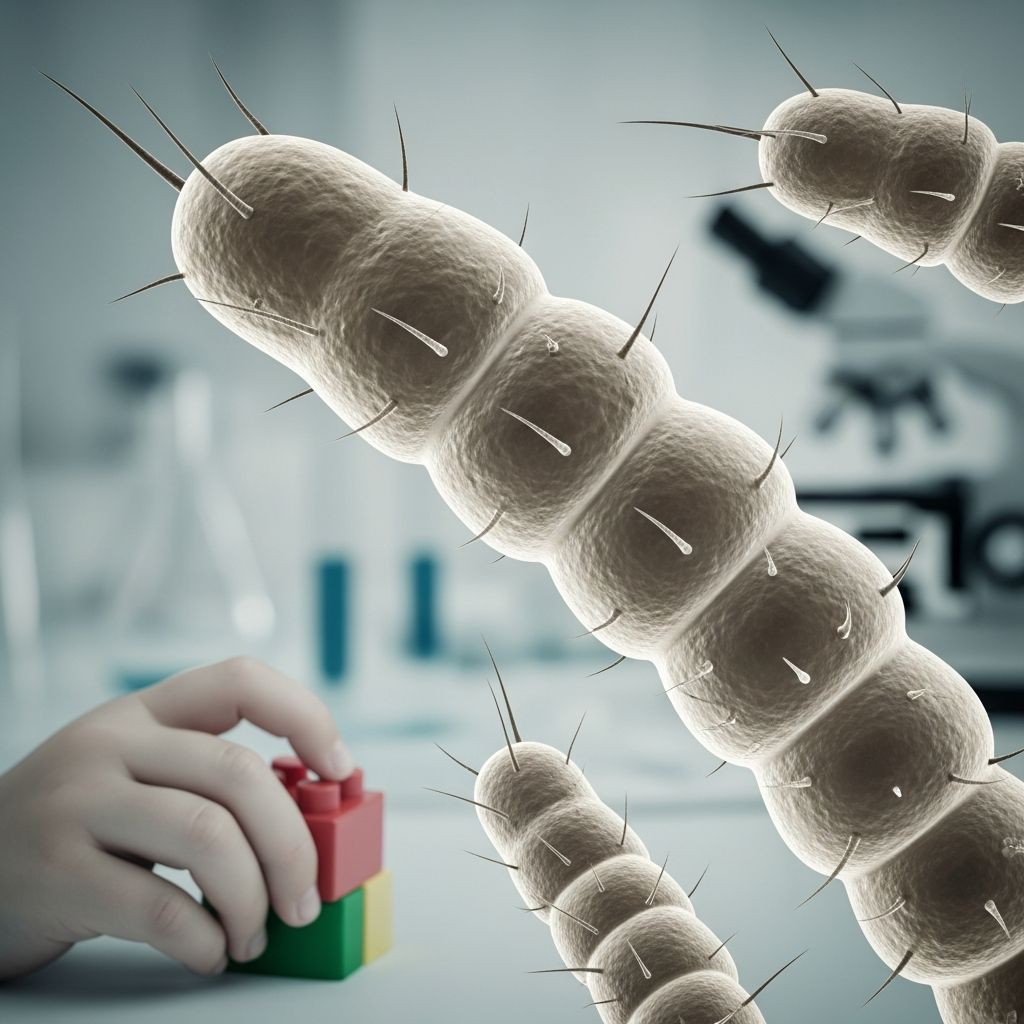
Tapeworm infections in children can sound frightening, but with accurate information and timely medical care, they are usually very treatable. This guide explains what tapeworms are, how kids become infected, what signs to look for, and what parents can do to protect their families.
What Exactly Is a Tapeworm?
Tapeworms are flat, ribbon-like parasites that can live in the intestines of humans and animals. They absorb nutrients from the food their host eats and can grow quite long over time. In many children, a tapeworm infection causes few or no symptoms, which is why it can go unnoticed for months.
Different species of tapeworm can infect people, often linked to undercooked beef, pork, or fish, or to food and water contaminated with tiny eggs. Some species usually stay in the intestines, while others can form cysts in other parts of the body, which is more serious.
- Tapeworms are parasites that rely on a host (like a human or animal) for survival.
- They can be very thin but surprisingly long, sometimes several meters in adults.
- Only a small number of people with intestinal tapeworms ever develop severe illness.
How Children Get Tapeworms
Children usually get tapeworms through contaminated food, water, or surfaces, or by putting unwashed hands in their mouths. Kids who travel to or live in areas with poor sanitation are at higher risk, but infections can happen almost anywhere if food safety and hygiene break down.
Some tapeworms spread when people eat meat containing immature forms of the parasite, while others spread when eggs from infected humans or animals contaminate the environment.
Common Routes of Infection
- Eating undercooked meat such as pork, beef, or fish that contains tapeworm larvae.
- Drinking or swallowing contaminated water containing microscopic eggs.
- Poor handwashing after using the bathroom or changing diapers, followed by hand-to-mouth contact.
- Eating unwashed fruits and vegetables that have come into contact with contaminated soil or water.
- Close contact with infected people or animals when hygiene practices are inadequate.
Because children frequently touch their faces and share toys, any environment with poor handwashing habits can allow tapeworm eggs to spread more easily from person to person.
Types of Tapeworm Infections in Kids
Not all tapeworm infections behave the same way. Understanding the basic types helps explain why some children have only mild stomach issues while others can develop more serious problems.
Broadly, doctors talk about two main patterns in humans: intestinal infection, where the adult worm lives in the gut, and invasive or tissue infection, where immature forms form cysts in organs.
| Type of infection | Where parasite lives | Typical symptoms | Level of concern |
|---|---|---|---|
| Intestinal tapeworm | Mainly in the small intestine | Mild stomach discomfort, changes in appetite, weight changes, visible segments in stool | Usually mild and very treatable |
| Tissue (cyst) infection | Organs such as brain, muscles, liver, or eyes | Lumps under the skin, seizures, headaches, vision or movement problems, depending on location | Potentially serious; needs specialist care |
Most children with tapeworms have only intestinal infection, which is easier to treat and rarely causes long-term damage. Tissue infections are less common but require more intensive evaluation and treatment.
Early Signs and Symptoms to Watch For
Many kids with tapeworms feel completely fine, and parents discover the problem only when they see something unusual in the child’s stool. When symptoms do appear, they can be vague and easily mistaken for other issues like mild stomach bugs or picky eating.
Because symptoms are so nonspecific, noticing a pattern or combination of signs over time is often more helpful than focusing on one symptom alone.
Common Intestinal Symptoms
- Mild or off-and-on belly pain or discomfort.
- Nausea, queasiness, or an upset stomach.
- Changes in bowel movements, such as diarrhea or, less often, constipation.
- Changes in appetite, including increased hunger or decreased interest in food.
- Unexplained weight loss or trouble gaining weight as expected.
- A crawling or moving sensation at the anus.
- Small, white, rice-like pieces or flat segments seen in the stool or in the child’s underwear.
Potential Signs of Tissue (Cyst) Infection
In rarer, more serious infections, tapeworm larvae can travel outside the intestines and form cysts in organs such as the brain, eyes, or muscles. Signs depend heavily on where the cysts form.
- Firm, painless lumps under the skin that may slowly enlarge.
- Seizures in a child with no prior history of epilepsy.
- Frequent or severe headaches, sometimes with nausea or vomiting.
- Problems with balance, walking, or moving one side of the body.
- Vision changes, such as blurred or double vision, or eye pain.
- Behavioral changes, confusion, or difficulty concentrating.
Any seizure, serious headache with neurological symptoms, or sudden change in behavior or movement should be treated as an emergency, whether tapeworm is suspected or not.
When to Call the Doctor or Seek Emergency Care
Parents do not need to panic at the first hint of stomach upset, but certain red flags mean a child should be evaluated promptly. Medical professionals can determine whether a tapeworm or another condition is responsible.
When in doubt, especially with younger children or children with other medical conditions, it is always safer to ask a healthcare provider for advice.
Call the Doctor Promptly If:
- You see worm-like pieces or segments in your child’s stool or around the anus.
- Your child has prolonged or recurring stomach pain without a clear cause.
- There is unexplained weight loss or poor growth.
- Your child recently traveled to or lived in an area with poor sanitation and now has gastrointestinal complaints.
- You notice lumps under the skin combined with fever, headache, or other unusual symptoms.
Go to the Emergency Department If:
- Your child has a seizure, especially a first-time seizure.
- There are sudden changes in walking, speaking, or moving one side of the body.
- Severe headache is present with vomiting, confusion, or neck stiffness.
- Your child has trouble seeing clearly, or complains of double vision along with other neurological symptoms.
How Doctors Diagnose Tapeworm Infections in Children
Diagnosis usually starts with a detailed history and physical exam. The doctor will ask about your child’s diet, travel, exposure to animals, and any unusual findings in the stool. From there, specific tests help confirm whether a tapeworm is present.
Parents can help by noting when symptoms began, how often they occur, and whether any visible worm segments were seen. Bringing a photograph or carefully collected stool sample can occasionally be helpful if advised by the healthcare provider.
Typical Diagnostic Steps
- Stool examination: A lab checks stool samples for eggs or segments from the parasite. Several samples on different days may be needed because shedding can be intermittent.
- Blood tests: In some cases, blood tests are used to look for antibodies or other markers suggesting a tissue infection.
- Imaging tests: For suspected cysts in organs such as the brain, doctors may order CT scans or MRI studies to look for characteristic lesions.
- Eye examination: If vision symptoms occur, an eye specialist may look for cysts or inflammation.
The goal of testing is not only to confirm the presence of a tapeworm but also to identify which type it is, since some species are more likely than others to cause cysts in organs outside the intestines.
Treatment Options: What Parents Can Expect
The good news is that most intestinal tapeworm infections respond very well to prescribed medications. Treatment is usually straightforward, and many children feel completely normal throughout the process.
More complex cases, especially those involving cysts in organs, may require longer treatment, additional medicines to reduce inflammation or seizures, and sometimes surgery.
Medications for Intestinal Tapeworms
- Doctors use specific anti-parasitic drugs designed to kill the tapeworm in the intestines.
- These medicines may be given as a single dose or over a short course, depending on the type of tapeworm.
- After treatment, the body passes the dead parasite in the stool; parents may be told to collect follow-up samples to confirm cure.
- Side effects are generally mild but can include nausea, abdominal discomfort, or headache.
Treating Tissue (Cyst) Infections
When larvae form cysts in the brain, eyes, or other organs, treatment becomes more individualized. Specialists such as pediatric infectious disease doctors, neurologists, or surgeons may be involved.
- Anti-parasitic drugs may be used for weeks or months to shrink or kill cysts.
- Anti-inflammatory medicines like corticosteroids can help reduce swelling around dying cysts.
- Anti-seizure medications are used if the child has seizures.
- Surgery might be recommended to remove large cysts that block fluid flow or damage vital structures.
In all cases, parents should follow the full treatment plan even if the child seems better early on, and attend all follow-up visits to monitor recovery.
Recovery, Follow-Up, and Possible Complications
Most children treated for intestinal tapeworms recover fully and do not experience long-term health problems. The main goals after treatment are confirming that the parasite is gone and reinforcing prevention habits to avoid reinfection.
Tissue infections may require more prolonged follow-up, with periodic imaging or neurologic evaluation to track changes in cysts and symptoms.
Potential Complications
- Persistent or recurrent infection if treatment is incomplete or hygiene remains poor.
- Nutritional issues, such as weight loss or vitamin deficiencies, in long-standing infections.
- Seizure disorders or chronic headaches in children with brain cysts, even after treatment.
- Vision changes or damage if cysts involve the eyes and are not properly managed.
Regular checkups, adherence to any seizure or anti-inflammatory medications, and quick reporting of new symptoms help reduce the risk of ongoing problems.
Practical Prevention Strategies for Families
Preventing tapeworm infection is largely about food safety and good hygiene. Teaching children healthy habits from a young age protects them not only from tapeworms, but from many other infections as well.
Parents, caregivers, schools, and childcare centers all play important roles in reducing the spread of parasites.
Hygiene and Everyday Habits
- Encourage thorough handwashing with soap and water after using the bathroom, before eating, and after playing outside or with animals.
- Trim children’s fingernails regularly to reduce dirt and eggs collecting under the nails.
- Teach kids to avoid putting unwashed fingers, toys, or objects in their mouths.
- Frequently clean and disinfect high-touch surfaces, especially in shared play spaces.
- Properly dispose of diapers and animal waste to limit contamination of soil and water.
Safe Food and Water Practices
- Cook beef, pork, and fish thoroughly to recommended safe internal temperatures.
- Avoid giving children raw or undercooked meat or fish, including dishes like undercooked sushi or lightly seared meats.
- Wash fruits and vegetables under clean running water, especially if they might have been in contact with soil or animal manure.
- Use safe, treated drinking water; when traveling, follow guidance on bottled or boiled water if local supplies may be unsafe.
- Teach older children about safe street food choices and the importance of avoiding raw items from questionable sources.
Travel and Community Measures
- When traveling to areas with limited sanitation, be extra cautious with food and water, and follow local health recommendations.
- Support community efforts that improve sewage systems and animal waste management.
- Work with veterinarians to keep family pets healthy; some tapeworms involve animals in their life cycle.
Frequently Asked Questions About Tapeworms in Kids
1. How can I tell if the pieces in my child’s stool are from a tapeworm?
Tapeworm segments often look like small, flat, white or off-white pieces, sometimes compared to grains of rice. They may be motionless or moving. Only a healthcare provider and laboratory testing can confirm whether these pieces are truly from a tapeworm or something else, so any suspicious finding should prompt a call to your doctor.
2. Can my child spread a tapeworm infection to other family members?
Yes, in some cases. If a child is passing tapeworm eggs in the stool, poor hygiene can allow those eggs to contaminate hands, household surfaces, food, or water. Other people can then accidentally swallow the eggs and become infected. This is why consistent handwashing, proper toilet hygiene, and careful cleaning of bathrooms and diaper-changing areas are essential.
3. Will my child always have symptoms if infected?
No. Many children with intestinal tapeworms feel completely normal and do not complain of any discomfort. The first sign may be visible segments in the stool or in underwear. Tissue infections can also remain silent for a long time, with symptoms only appearing when cysts grow large or affect critical areas such as the brain or eyes.
4. Are over-the-counter deworming medicines enough?
Parents should not rely on over-the-counter products without medical guidance, especially when tapeworm is suspected. Different parasites require different medications and doses, and some products may be ineffective or inappropriate for particular species or ages. A doctor can prescribe the right drug and confirm that the infection has been fully cleared.
5. Will a child who has had a tapeworm infection have long-term problems?
Most children treated for an uncomplicated intestinal tapeworm infection recover fully and do not have lasting health issues. Long-term problems are more likely when infection involves cysts in the brain, eyes, or other organs, and even then, outcomes vary depending on how early the condition is recognized and treated. Regular follow-up with healthcare providers helps manage any lingering concerns.
6. Can my child go to school or daycare during treatment?
Policies differ by region and institution, but many children can attend school once treatment has begun, as long as they feel well enough and can maintain good hygiene. Parents should inform school or daycare staff if recommended by their healthcare provider and ensure the child has support to use the bathroom and wash hands properly.
Key Takeaways for Parents
Tapeworm infections in children can be unsettling, but they are usually manageable with prompt medical care, appropriate medications, and improved hygiene and food safety practices. Most cases do not lead to severe illness, particularly when they are recognized and treated early.
Staying alert to persistent stomach symptoms, visible worm pieces in stool, or any concerning neurological issues gives parents a strong starting point for seeking help. By combining medical treatment with everyday preventive steps, families can significantly lower the chances of tapeworm infections and protect children’s long-term health.