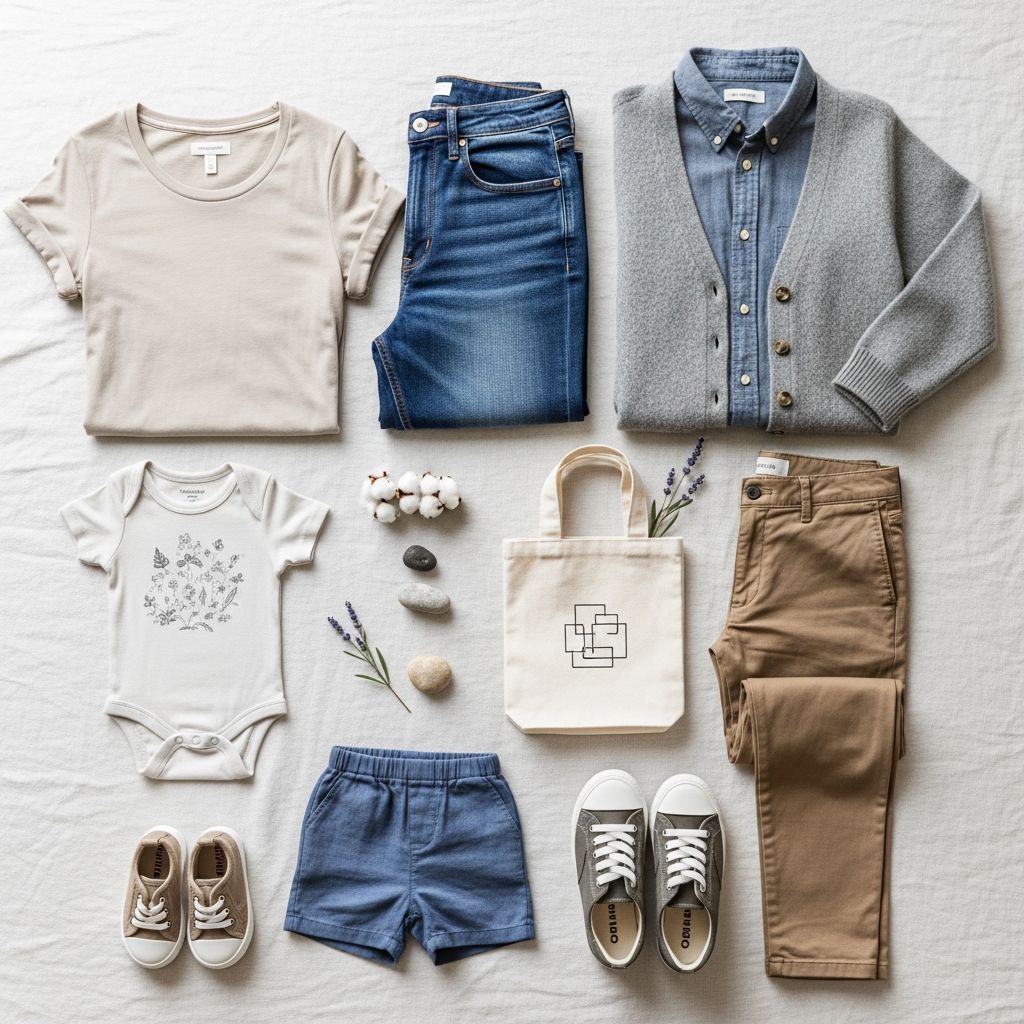
Embracing sustainable fashion transforms family wardrobes into allies for health and the environment. By selecting garments crafted from natural fibers and ethical production methods, families can enjoy softer fabrics, reduced chemical exposure, and contributions to resource conservation.
Why Choose Sustainable Clothing for Your Household
Sustainable clothing prioritizes materials like organic cotton, hemp, and bamboo, grown without synthetic pesticides that pollute waterways and harm ecosystems. These fabrics are breathable and hypoallergenic, ideal for delicate skin prone to irritation from conventional dyes and treatments.
Durability stands out as a key advantage; high-quality sustainable pieces withstand repeated washes without fading or pilling, extending their lifecycle and minimizing waste. Families investing in such items see long-term savings, as fewer replacements are needed compared to fast fashion’s disposable nature.
- Health protection: Free from toxins like formaldehyde, reducing allergy risks especially for infants.
- Environmental gains: Lower water usage in production—bamboo requires up to 10 times less than cotton—and biodegradable end-of-life.
- Economic value: Lasting construction means better value per wear.
Key Materials Powering Eco-Friendly Family Apparel
Understanding fabric origins empowers smarter shopping. Organic cotton dominates for its softness and versatility, certified by standards ensuring no harmful inputs during cultivation.
| Material | Benefits | Best For |
|---|---|---|
| Organic Cotton | Soft, breathable, pesticide-free | Everyday basics, kids’ tees |
| Bamboo | Moisture-wicking, antimicrobial | Activewear, pajamas |
| Hemp | Ultra-durable, UV-resistant | Outdoor gear, casual wear |
| Recycled Polyester | Reduces plastic waste, ocean-safe | Sportswear, jackets |
These materials not only comfort the wearer but also align with global efforts to curb fashion’s 10% share of carbon emissions, as noted in environmental reports.
Top Sustainable Brands Catering to Adults
For parents seeking stylish yet responsible options, brands like Patagonia lead with recycled insulators and fair-trade certifications. Their fleeces and shells endure rugged family adventures while supporting repair programs to extend garment life.
Reformation offers chic dresses and tops from deadstock fabrics, minimizing waste. Outerknown crafts timeless blanks from organic cotton and fishnet-recycled nylon, emphasizing transparency in supply chains.
- Patagonia: Versatile outerwear for all seasons.
- Reformation: Elegant maternity and casual dresses.
- Outerknown: Durable denim and basics.
Eco-Clothing Picks for Growing Children
Kids’ rapid growth demands versatile, tough attire. Little Green Radicals specializes in GOTS-certified organic cotton rompers and hoodies that prioritize non-toxic dyes for safe play.
Brands like tentree provide tree-planting incentives with each purchase, offering comfy tees and pants from sustainable blends. Bamboo-based lines excel in pajamas, wicking sweat for restful nights.
Practicality shines in machine-washable trainers from innovative makers, blending lightness with eco-materials for daily wear.
Nursing and Maternity Wear Done Right
Expectant and nursing mothers benefit from functional designs like Boob Design’s convertible nursing tops, made from organic knits that adapt postpartum. These pieces transition seamlessly, reducing buy-new cycles.
Sustainable maternity focuses on stretchy, supportive fabrics that breathe during pregnancy’s heat, ensuring comfort without compromising ethics.
Infant and Toddler Must-Haves from Green Brands
Babies deserve the gentlest touch. Under the Nile uses Egyptian organic cotton for impossibly soft onesies and swaddles, hypoallergenic and certified safe.
Pure Colour Baby delivers minimalist bodysuits in vibrant, plant-based dyes. Lark Adventurewear adds waterproof layers from recycled plastics for messy explorations.
- Onesies with snap closures for easy changes.
- Layered sleep sets for temperature regulation.
- Water-resistant bibs from natural rubber.
Practical Strategies to Green Your Family’s Closet
Transition gradually: Audit current wardrobes, mending what lasts and donating the rest. Opt for multi-use items like adjustable-waist pants that grow with kids.
- Shop thrift or swaps for preloved gems.
- Prioritize certifications: GOTS for organics, Fair Trade for labor.
- Learn care: Air-dry to preserve fibers.
- Buy quality: One timeless jacket beats five trendy ones.
Family involvement builds habits—turn shopping into lessons on planetary care.
The Bigger Impact: Fashion’s Role in Conservation
Switching to sustainable cuts family carbon footprints significantly. Organic farming sequesters carbon in soil, while recycled inputs divert landfill waste. Ethical brands often fund reforestation, amplifying benefits.
Collective shifts pressure industry giants toward greener practices, fostering a circular economy where clothes recycle endlessly.
Frequently Asked Questions
Is sustainable clothing more expensive?
Initially yes, but longevity offsets costs—expect 2-3x more wears per item.
How do I spot truly eco-friendly brands?
Look for third-party labels like GOTS, OEKO-TEX, and B Corp status verifying claims.
Are these clothes as stylish as conventional options?
Absolutely—modern designs rival high-street trends with superior comfort.
Can sustainable fashion handle kids’ rough play?
Yes, reinforced seams and sturdy weaves ensure resilience.
What’s the best starter piece for families?
Organic cotton basics: versatile, essential, and impactful.
References
- Environmental Benefits of Organic Cotton — United States Department of Agriculture (USDA). 2023-05-15. https://www.usda.gov/topics/organic
- Textile Exchange Organic Cotton Market Report — Textile Exchange. 2025-10-01. https://textileexchange.org/knowledge-center/reports/organic-cotton-market-report-2025/
- Fashion Industry Carbon Emissions — United Nations Environment Programme (UNEP). 2024-11-20. https://www.unep.org/resources/report/unep-unece-joint-report-sustainability-and-circularity-fashion-textiles
- GOTS Standard for Organic Textiles — Global Organic Textile Standard (GOTS). 2026-01-10. https://global-standard.org/the-standard/gots-standard.html
- Water Usage in Textile Production — World Wildlife Fund (WWF). 2024-03-12. https://www.worldwildlife.org/industries/textiles