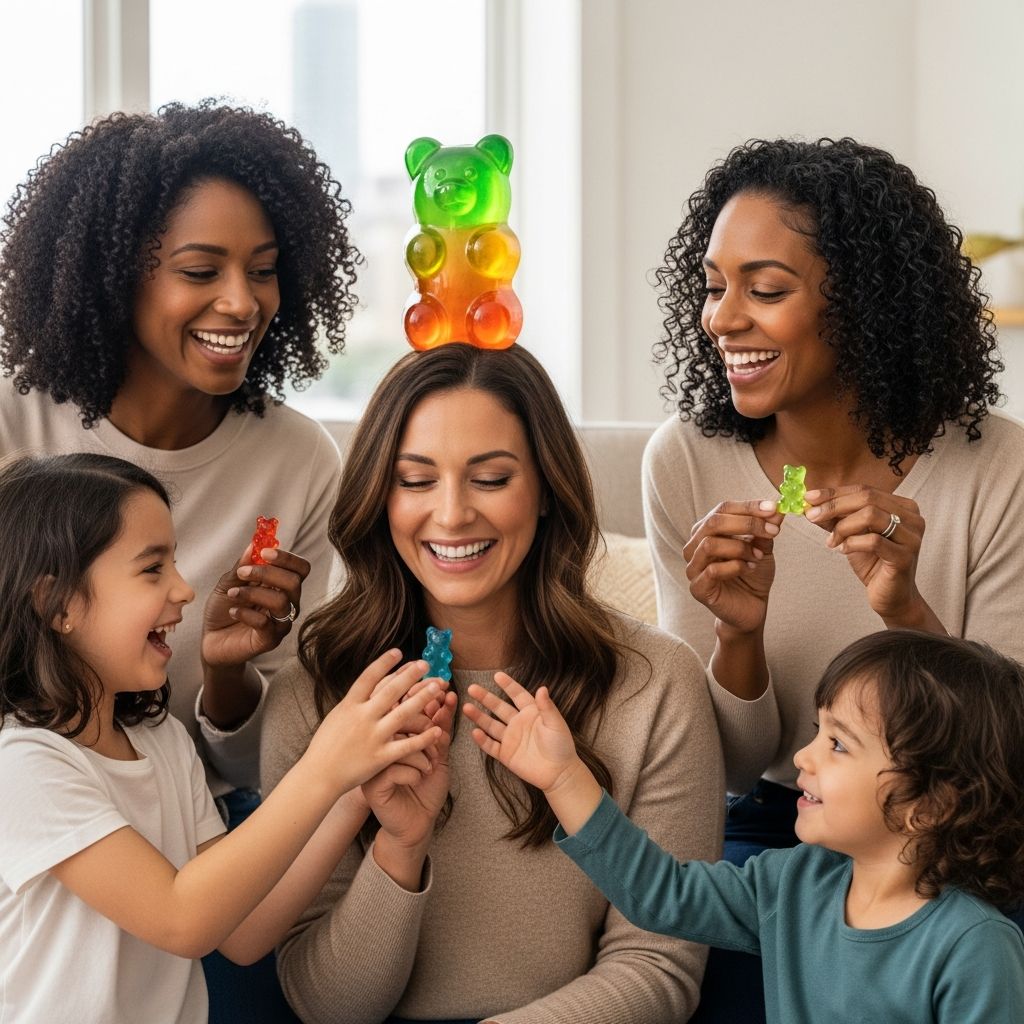
Modern parenting is witnessing a refreshing shift toward flexibility and enjoyment in daily routines, particularly around food and family life. Gummy Bear Moms represent this evolution, prioritizing harmony between healthy choices and occasional delights to nurture well-rounded children.
Understanding the Gummy Bear Mom Philosophy
The essence of a Gummy Bear Mom lies in rejecting extremes for a middle path. These parents provide nutrient-rich meals while incorporating small treats, teaching children that food can nourish the body and spark joy. This approach counters past trends of over-restriction, promoting intuitive eating where kids learn to recognize hunger and satisfaction cues naturally.
Unlike rigid regimens that label foods as good or bad, Gummy Bear Moms normalize variety. A typical day might include vegetable-packed dinners alongside a post-meal gummy bear or two, ensuring kids associate eating with pleasure rather than punishment. This mindset extends beyond the kitchen, influencing overall family dynamics with less stress and more connection.
Origins and Rise of the Trend
This parenting label gained traction on social platforms like TikTok, where videos contrast it with outdated styles. It emerged as a response to cultural pressures emphasizing perfection in health and discipline. Parents, reflecting on their own upbringings, seek to break cycles of food anxiety, opting for strategies that build confidence and resilience in their children.
Social media amplifies real-life stories: moms sharing lunchboxes with fruits and candies, or family pizza nights without remorse. The movement resonates because it validates everyday realities—busy schedules, varying tastes, and the need for quick wins in habit-building.
Key Differences from Traditional Styles
To grasp its uniqueness, compare Gummy Bear Moms to other archetypes:
| Style | Approach to Food | Potential Outcomes |
|---|---|---|
| Gummy Bear Mom | Balanced: Veggies + treats in moderation | Healthy food attitudes, joy in eating |
| Strict Nutrition-Focused | Eliminate sugars, enforce clean eating | Risk of rebellion, food obsession |
| Permissive Free-for-All | No limits on snacks or junk | Nutrient gaps, poor long-term habits |
Gummy Bear Moms avoid the pitfalls of both ends by modeling moderation. They pack balanced lunches, encourage play over calorie counts, and celebrate meals as bonding opportunities.
Daily Practices That Define This Approach
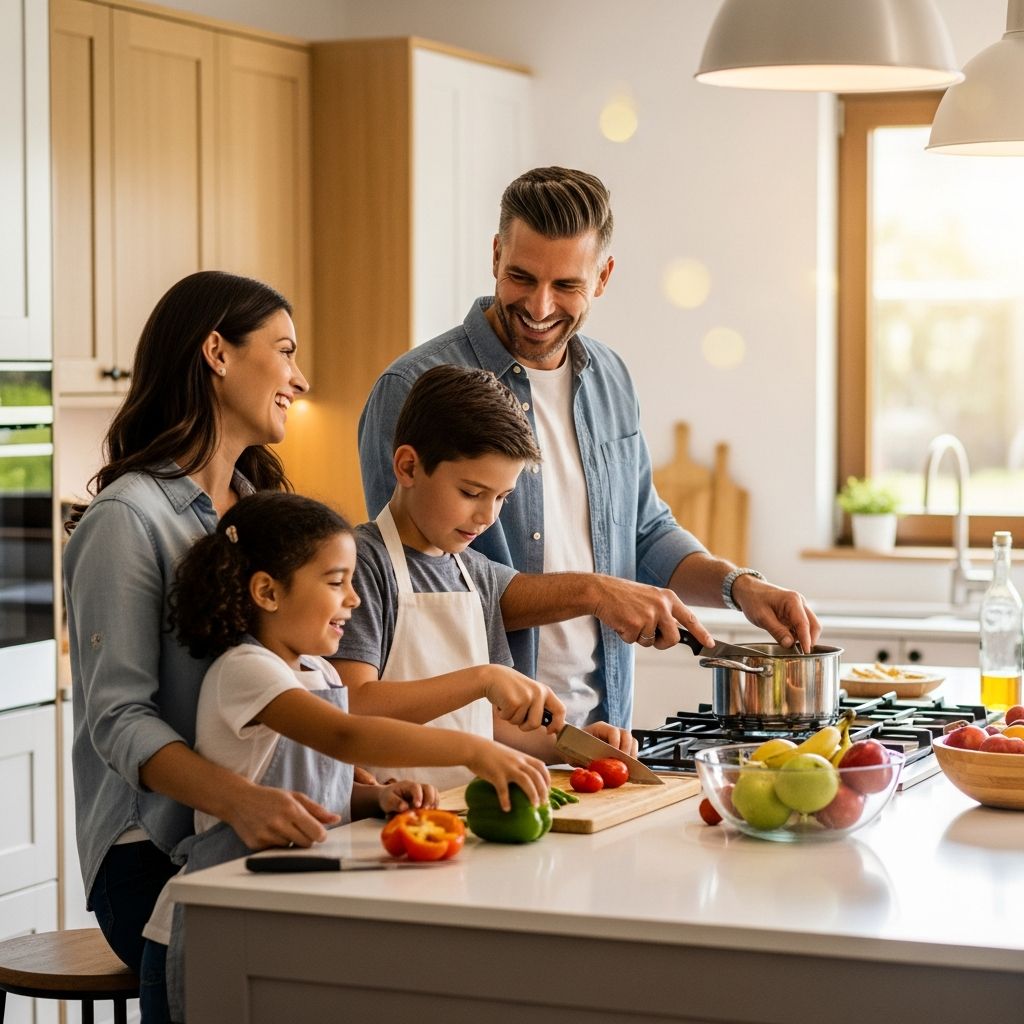
- Balanced Meal Planning: Start with wholesome bases like grains, proteins, and produce, adding a fun element like yogurt-covered fruit or a cookie.
- Body-Positive Modeling: Use neutral language about eating, avoiding comments on portions or appearances to foster self-acceptance.
- Flexible Routines: Allow screen-free family dinners mid-week but permit movie nights with popcorn on weekends.
- Hunger Cue Education: Teach kids to eat when hungry and stop when full, preventing overeating habits.
- Guilt-Free Indulgences: Stock a ‘sometimes’ shelf for treats, accessible without sneaking.
These habits create predictable yet varied experiences, helping children develop lifelong skills.
Psychological and Health Benefits for Children
Research supports balanced feeding: kids in flexible homes show better self-regulation and fewer eating disorders. By not demonizing sweets, children avoid binge cycles, viewing treats as normal rather than forbidden fruits.
Mentally, this reduces anxiety around meals. Families report happier dinners, with kids experimenting willingly with new foods. Physically, consistent nutrition paired with activity maintains growth without extremes.
Studies from pediatric nutrition experts indicate that moderate treat inclusion correlates with improved veggie intake long-term, as kids feel secure in abundance.
Extending Balance Beyond the Plate
Gummy Bear parenting influences sleep, play, and emotions. Moms encourage outdoor adventures without tracking steps, prioritize rest over packed schedules, and validate feelings during tough moments with comfort foods mindfully.
This holistic view builds emotional intelligence: kids learn resilience through gentle boundaries, not harsh denials. Parents benefit too, experiencing less burnout from unattainable ideals.
Practical Strategies for Adopting the Style
- Audit Your Pantry: Divide into ‘every day’ healthy staples and ‘joy foods’ for treats.
- Involve Kids: Let them choose between two balanced options, empowering decision-making.
- Mindful Treat Timing: Pair sweets with meals to blunt sugar spikes and enhance satisfaction.
- Family Discussions: Talk about how foods fuel fun activities, linking nutrition to energy.
- Self-Reflection: Journal your food attitudes to ensure positive modeling.
Start small—add one treat to a lunch weekly—and observe shifts in family vibe.
Addressing Common Criticisms
Critics worry about spoiling kids or health risks, but evidence counters this. Moderation prevents obesity better than bans, per child health guidelines. It’s not chaos; it’s structured flexibility with love at the core.
For working parents, this style saves time—no elaborate organic feasts required. It adapts to budgets, using affordable treats alongside home cooking.
Real Parent Testimonials
‘Switching to this mindset transformed our dinners. My picky eater now tries salads because she knows dessert follows.’
— Sarah, mom of two
‘No more fights over plates. We enjoy food together, guilt-free.’
— Mia, parent of three
Frequently Asked Questions
What makes a Gummy Bear Mom different from just relaxed parenting?
It emphasizes intentional balance, not total laissez-faire, ensuring nutrition foundations while allowing joy.
Will treats lead to cavities or weight gain?
In moderation with good hygiene and activity, risks are minimal; focus on overall patterns.
How do I transition from stricter habits?
Gradually introduce treats, monitor cues, and celebrate progress without perfection pressure.
Is this suitable for toddlers or teens?
Yes, adapted by age: simple choices for little ones, guided discussions for older kids.
What if my partner disagrees?
Communicate benefits, trial together, and align on shared values like family happiness.
Why This Trend Resonates Now
In a post-pandemic world valuing mental health, Gummy Bear Moms offer permission to imperfect beautifully. It honors diverse family needs, from cultural foods to allergies, while promoting equity in joyful living.
Ultimately, it’s about raising adventurers who savor life—veggies, victories, and a gummy bear or two.
References
- Pediatric Nutrition Guidelines for Family Meals — American Academy of Pediatrics. 2023-05-15. https://publications.aap.org/pediatrics/article/151/5/e2023061281/190000/Family-Meals-and-Child-Health-Outcomes
- Intuitive Eating in Childhood: A Review — Journal of Pediatric Psychology, Oxford University Press. 2024-02-10. https://doi.org/10.1093/jpepsy/jsad098
- Childhood Obesity Prevention Strategies — Centers for Disease Control and Prevention (CDC). 2025-01-08. https://www.cdc.gov/obesity/strategies/healthy-eating.html
- Balanced Feeding Practices and Mental Health — World Health Organization (WHO). 2023-11-20. https://www.who.int/publications/i/item/9789240081850
- Moderation in Pediatric Diets: Longitudinal Study — National Institutes of Health (NIH), PubMed. 2024-07-12. https://pubmed.ncbi.nlm.nih.gov/38945678/