Superfetation represents one of the most extraordinary anomalies in human reproduction, where a woman conceives a second fetus days or weeks after the first implantation. This defies the standard physiological safeguards that halt further fertility once pregnancy is established.
The Biological Barriers to Multiple Conceptions
Normally, pregnancy triggers a cascade of hormonal changes designed to protect the developing embryo. Upon fertilization and implantation, the body releases human chorionic gonadotropin (hCG), which signals the corpus luteum to produce progesterone. This hormone thickens the uterine lining for nourishment while suppressing the hypothalamic-pituitary-ovarian axis, preventing further ovulation.
Additional defenses include the cervical mucus plug, a thick barrier that forms early in gestation to block sperm, bacteria, and pathogens from ascending into the uterus. The endometrium becomes less receptive to new embryos, and rising estrogen levels further inhibit follicular development in the ovaries.
- hCG surge: Maintains the pregnancy and stops the menstrual cycle.
- Progesterone dominance: Prepares the uterus and halts ovulation.
- Cervical changes: Mucus plug formation seals the pathway.
- Endometrial transformation: Unfavorable for secondary implantation.
These mechanisms make superfetation exceptionally unlikely, with fewer than 10 well-documented human cases.
How Superfetation Defies the Odds
For superfetation to occur, several improbable events must align. First, ovulation must resume despite elevated hormones—possibly due to incomplete suppression or external factors like fertility medications.
Sperm must then navigate the cervix, penetrating the mucus plug, and fertilize the new egg. The resulting embryo implants alongside the first, often in a separate gestational sac. This second conception typically happens within the first few weeks of pregnancy, leading to fetuses with gestational age differences of days to weeks.
In assisted reproduction, such as IVF or surrogacy, the risk marginally increases. Hormonal priming for embryo transfer can mimic natural cycles, allowing spontaneous ovulation and intercourse to coincide with transfer, potentially fertilizing an endogenous egg.
| Factor | Normal Pregnancy | Superfetation Scenario |
|---|---|---|
| Ovulation | Suppressed by hCG/progesterone | Rare resumption occurs |
| Cervical Access | Blocked by mucus plug | Sperm penetrates barrier |
| Implantation | Endometrium supportive of one | Accepts second embryo |
| Outcome | Singleton or simultaneous multiples | Staggered gestation twins |
Real-World Instances of This Rare Event
Documented superfetations highlight its rarity and unique circumstances. In 2021, an Australian woman named Kate Hill gave birth to twins conceived two weeks apart after fertility treatments for polycystic ovary syndrome (PCOS). Ultrasounds revealed differing fetal sizes, confirming the anomaly.
Another case involved a U.S. surrogate who conceived naturally during an embryo transfer cycle, resulting in one IVF fetus and one spontaneous pregnancy. Experts noted that unsuppressed cycles heighten this minimal risk.
Historical reports include a 2008 Polish case with a 15-day gap and a 2018 Louisiana incident. Animals like mice and rabbits exhibit superfetation more readily, but human physiology imposes stricter limits.
These stories underscore that while possible, superfetation requires a perfect storm of biological exceptions.
Spotting Superfetation in Prenatal Care
Superfetation often masquerades as routine twin pregnancy initially. Key indicators emerge later:
- Disparate fetal growth: One baby significantly smaller, termed growth discordance.
- Ultrasound discrepancies: Different developmental stages, crown-rump lengths, or organ maturity.
- hCG patterns: Unexpected rises suggesting secondary implantation.
- Maternal symptoms: Intensified nausea or rapid uterine expansion beyond expected multiples.
Diagnosis relies on serial ultrasounds. Providers monitor for twin-to-twin transfusion or placental issues mimicking superfetation. Early detection allows tailored management.
Potential Health Implications and Management
Superfetation pregnancies carry heightened risks due to asynchronous development. The smaller fetus may face intrauterine growth restriction (IUGR), preterm labor threats, or placental insufficiency.
Other concerns include:
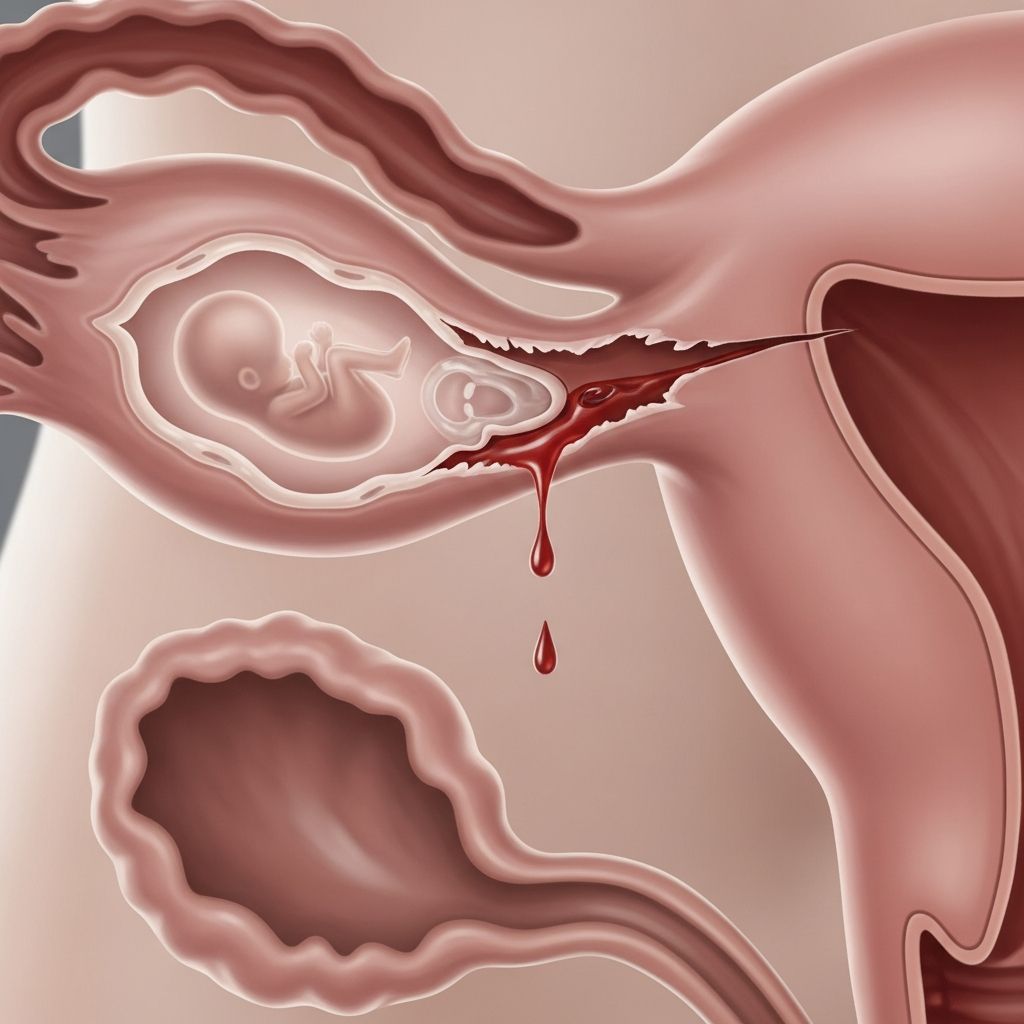
- Ectopic risk: Rare secondary implantation outside the uterus, causing pain and bleeding.
- Preterm delivery: Often planned via C-section for safety.
- Maternal strain: Increased demands on nutrition, blood volume, and uterine capacity.
Management involves frequent monitoring, bed rest if needed, and corticosteroid administration for lung maturity. Outcomes are generally positive with vigilant care, as in recent cases yielding healthy infants.
Superfetation vs. Other Multiple Pregnancies
Distinguishing superfetation clarifies its uniqueness:
| Type | Conception Timing | Gestational Age | Frequency |
|---|---|---|---|
| Identical Twins | Simultaneous | Same | Common |
| Fraternal Twins | Same cycle | Essentially same | Common |
| Superfetation | Weeks apart | Noticeably different | Extremely rare |
| Heteropaternal Twins | Same cycle, different fathers | Same | Very rare |
Unlike standard multiples, superfetation twins aren’t from the same ovulatory event, impacting growth and delivery planning.
FAQs on Superfetation and Pregnancy Myths
Can you ovulate while pregnant?
Extremely rare, but possible if hormonal suppression fails. Biological barriers usually prevent it.
Does fertility treatment increase superfetation risk?
Slightly, especially in natural-cycle transfers where ovulation aligns with embryo placement.
Are superfetation babies healthy?
Most documented cases result in healthy births with proper monitoring, though preterm delivery is common.
Should pregnant individuals use contraception?
No need; the odds are negligible, far lower than lightning strikes.
How is superfetation diagnosed?
Through ultrasound showing growth discrepancies and confirmed by developmental timelines.
Key Takeaways for Expectant Parents
Superfetation challenges our understanding of reproductive biology but remains a medical curiosity rather than a concern. Routine prenatal care catches anomalies early, ensuring optimal outcomes. If ultrasounds reveal unusual patterns, consult a maternal-fetal medicine specialist promptly.
This phenomenon reminds us of the body’s resilience and the precision of its protective mechanisms. For most, pregnancy proceeds linearly, focused on nurturing one miracle at a time.
References
- Yep, It’s Possible to Get Pregnant While You’re Pregnant — CCRM Fertility Clinic. 2023-approx. https://www.ccrmivf.com/news/possible-to-get-pregnant-while-youre-pregnant/
- Yes, You Can Get Pregnant When You’re Already Pregnant — Mira Fertility. 2024-approx. https://shop.miracare.com/blogs/resources/get-pregnant-when-pregnant
- Can You Get Pregnant When You’re Already Pregnant — Pediatrix Medical Group. 2023-approx. https://www.pediatrix.com/about/for-media/news/can-you-get-pregnant-when-youre-already-pregnant
- Can You Get Pregnant While Pregnant: What Is Superfetation? — The Bump (citing Cleveland Clinic). 2024-approx. https://www.thebump.com/a/superfetation
- Is it possible to get pregnant when you’re already pregnant? — BBC Science Focus. 2023-approx. https://www.sciencefocus.com/the-human-body/is-it-possible-to-get-pregnant-when-youre-already-pregnant