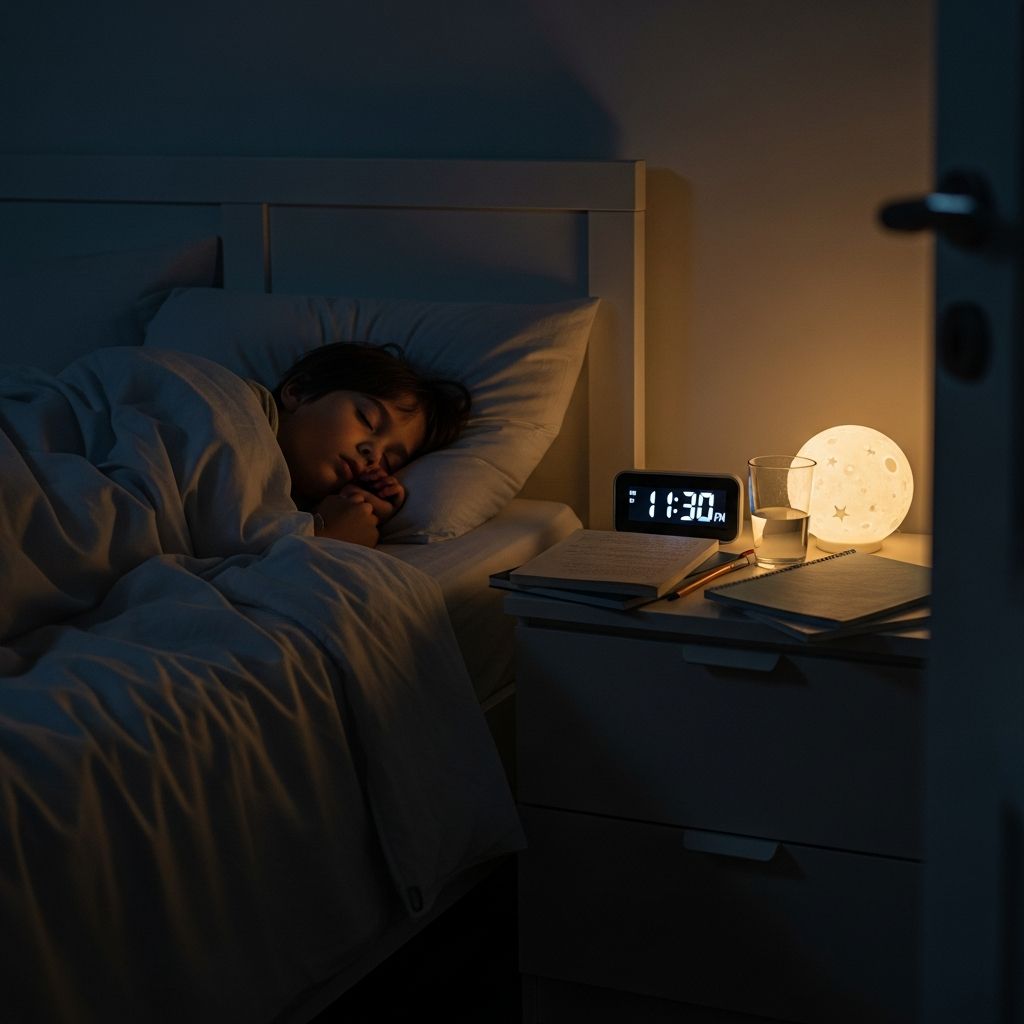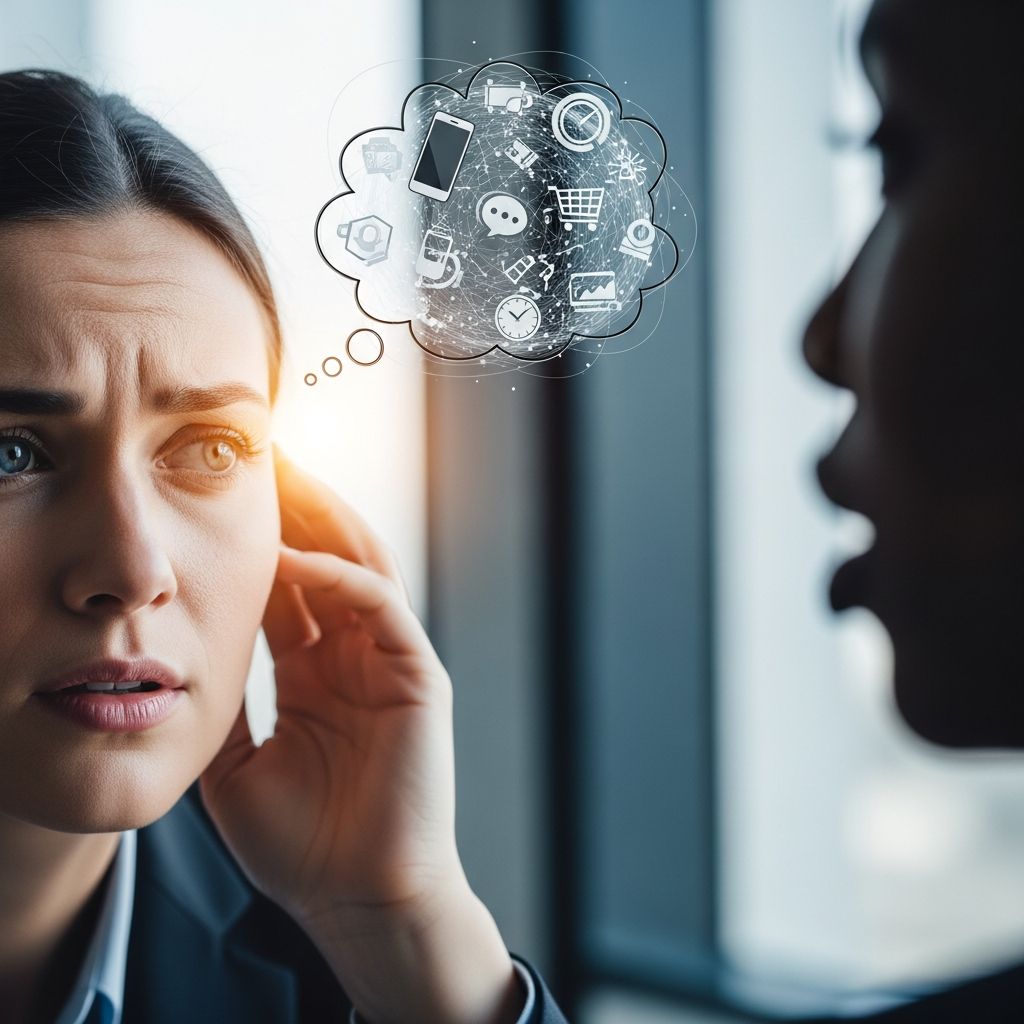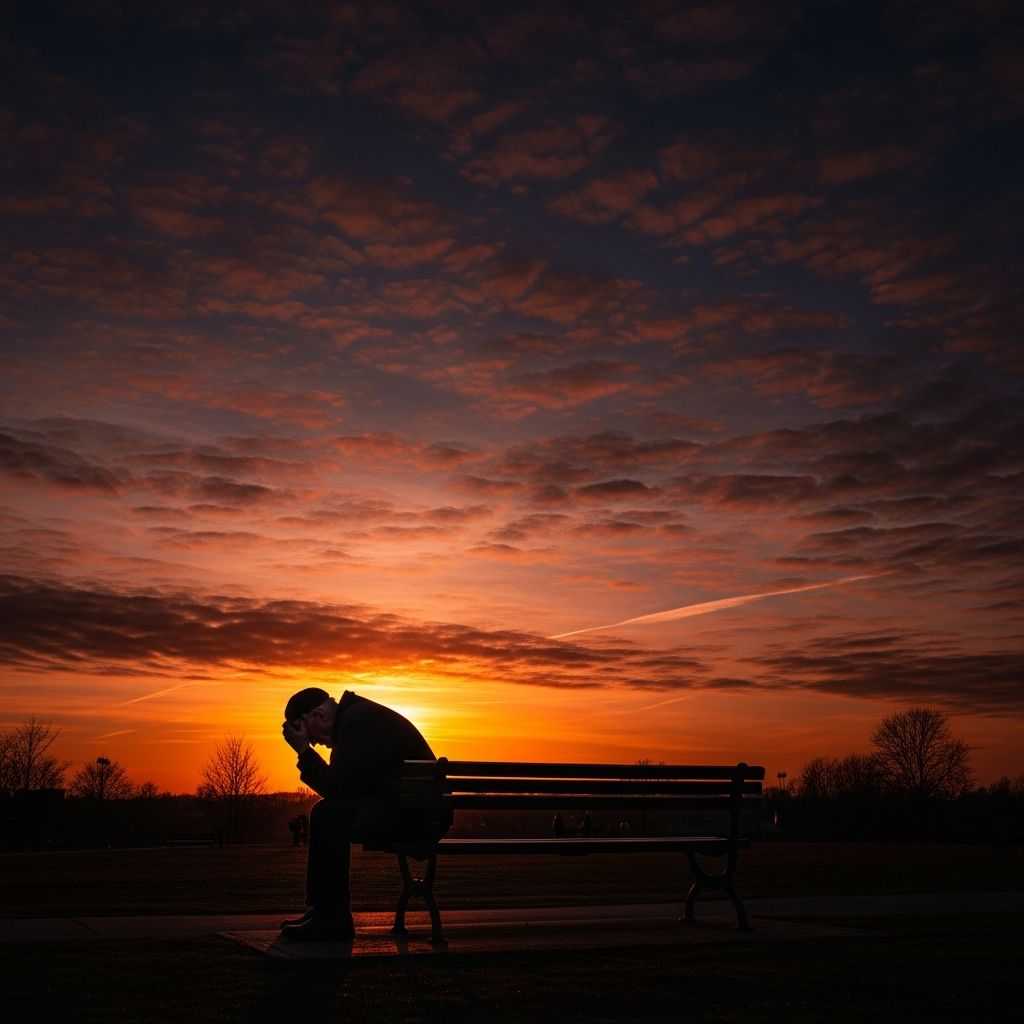
Sunset anxiety, often called evening dread or the sunset scaries, describes the surge of unease, restlessness, and worry that many people experience as daylight fades. This common yet under-discussed phenomenon disrupts relaxation and heightens emotional vulnerability in the late afternoon or early evening.
The Science Behind Dusk-Induced Distress
At the core of sunset anxiety lies the body’s circadian rhythm, an internal clock that governs sleep, hormones, and mood. As natural light diminishes, melatonin production ramps up to signal sleep time, but in susceptible individuals, this shift disrupts serotonin levels, a key mood stabilizer. National Institutes of Health (NIH) research links these light fluctuations to neurotransmitter imbalances, fostering anxiety and low mood after sunset.
Cortisol, the primary stress hormone, follows a daily pattern: peaking at dawn and tapering off by evening. For some, this natural decline overlaps with melatonin’s rise, creating a vulnerability window where anxiety spikes. Studies from the Substance Abuse and Mental Health Services Administration (SAMHSA) highlight how circadian disruptions exacerbate mood disorders, particularly in low-light conditions.
Biological Triggers: From Hormones to Brain Chemistry
- Melatonin Surge: Promotes sleep but can amplify dread in those with imbalanced rhythms.
- Serotonin Dip: Reduced sunlight lowers this neurotransmitter, mirroring seasonal affective disorder (SAD) patterns.
- Cortisol Fluctuations: Evening drops may unmask underlying stress, intensifying restlessness.
Peer-reviewed analysis from NIH confirms sundown syndrome—acute agitation and confusion in late afternoon—stems from these mechanisms, affecting up to 20% of institutionalized elderly and others with cognitive vulnerabilities.
Psychological Dimensions of Evening Unease
Daytime busyness often suppresses worries, but evening quiet allows rumination to dominate. Cognitive-behavioral frameworks from the American Psychological Association (APA) note that unstructured evenings amplify negative thought loops, regrets, and future fears. New parents, in particular, face intensified “sunset scaries” due to accumulated mental load—juggling baby care, chores, and self-doubt—peaking when distractions fade.
Social isolation compounds this: fewer interactions as night falls heighten loneliness, especially for solo dwellers or those without support networks. APA-cited studies emphasize how evening solitude fosters depressive spirals in at-risk groups.
Environmental and Lifestyle Contributors
Diminishing light alters brain chemistry, with urban settings worsening effects through noise and crowding. NIH data shows low-light environments, combined with isolation, elevate anxiety and depression.
Lifestyle factors like erratic sleep, poor diet, and screen exposure disrupt rhythms further. Blue light from devices suppresses melatonin, per American College of Sports Medicine (ACSM) findings, leading to poorer sleep and mood. Exhausted parents report racing minds and physical tension as hormonal shifts (e.g., postpartum changes) intersect with these habits.
| Factor | Impact on Sunset Anxiety | Mitigation Tip |
|---|---|---|
| Circadian Disruption | Hormone imbalance, serotonin drop | Maintain consistent sleep schedule |
| Screen Time | Delayed melatonin, poor sleep | Blue-light filters after 6 PM |
| Social Isolation | Heightened loneliness | Schedule evening calls |
| Physical Inactivity | Increased vulnerability | Evening walks in daylight |
Who Experiences It Most? Vulnerable Groups
Sunset anxiety transcends demographics but strikes harder among certain groups:
- New Parents: Exhaustion, hormonal flux, and baby unpredictability create dread peaks.
- Elderly or Cognitively Impaired: Sundown syndrome prevalence hits 10-20%, with confusion and agitation.
- Anxiety Disorder Sufferers: A 2022 study notes higher susceptibility as natural anxiety amplifies at dusk.
- Shift Workers or Insomniacs: Disrupted rhythms heighten evening symptoms.
Hospitalized patients show links to delirium-like states, unrelated to infections but tied to light changes and mood.
Practical Strategies to Combat Evening Dread
Managing sunset anxiety requires a multi-pronged approach targeting biology, mind, and habits.
Light and Routine Adjustments
Expose yourself to morning sunlight to anchor circadian rhythms, reducing evening dips. Dim lights gradually in evenings and use warm-toned bulbs to ease melatonin transition.
Mindfulness and Cognitive Tools
Practice grounding exercises: 4-7-8 breathing (inhale 4 seconds, hold 7, exhale 8) calms racing thoughts. Journaling unloads mental load before it builds.
Physical and Social Interventions
- Light evening exercise, like yoga, boosts endorphins without overstimulating.
- Connect via calls or walks with loved ones to counter isolation.
- Limit caffeine post-noon; opt for herbal teas.
Nutrition for Mood Stability
Balanced dinners with omega-3s (salmon, nuts) support serotonin. Avoid heavy meals that disrupt sleep.
Long-Term Solutions and Professional Help
If symptoms persist, consider light therapy mimicking natural cycles, effective for SAD-like patterns. Cognitive behavioral therapy (CBT) targets rumination, while meds may address severe cases.
Consult professionals if dread interferes with daily life—early intervention prevents escalation. Track patterns in a mood journal to identify triggers.
Frequently Asked Questions (FAQs)
Is sunset anxiety a real medical condition?
Yes, it’s linked to sundown syndrome and circadian disruptions, validated by NIH studies on evening mood declines.
Why do new parents feel it more intensely?
Exhaustion, hormonal shifts, and mental load converge in quiet evenings, amplifying unease.
Can lifestyle changes fully resolve it?
Often yes—consistent routines and light management help most, but therapy aids chronic cases.
How does it differ from general anxiety?
It peaks chronobiotically at dusk due to light/hormone shifts, unlike all-day anxiety.
Is it related to seasonal depression?
Similar mechanisms; reduced light drops serotonin, akin to winter SAD.
References
- What is Sunset Anxiety? Defining Sunset Depression — Still Mind Florida. 2023. https://stillmindflorida.com/mental-health/sunset-anxiety-depression-after-sunset/
- Sundown syndrome and symptoms of anxiety and depression — National Institutes of Health (PMC). 2017-10-31. https://pmc.ncbi.nlm.nih.gov/articles/PMC5710684/
- Seasonal affective disorder (SAD) – Symptoms & causes — Mayo Clinic. Accessed 2026. https://www.mayoclinic.org/diseases-conditions/seasonal-affective-disorder/symptoms-causes/syc-20364651
- The Sunset Scaries: Why They Happen & How to Cope — Hive Wellness MI. 2023. https://hivewellnessmi.com/ann-arbor-therapist-blog/the-sundown-scaries-why-the-evenings-can-feel-so-overwhelming-for-new-parents
- Sunset anxiety is a real thing — Light on Anxiety. 2022. https://lightonanxiety.com/anxiety-disorders/end-of-day-panic-anxiety/