Mark Twain is remembered as a master of satire, but beneath his jokes about children, rules, and rebellion lies a surprisingly deep well of parenting wisdom. His sharp eye for human nature, especially the chaos of family life, still speaks to parents navigating tantrums, teens, and everything in between.
This article uses Twain’s spirit, not his exact words, as a springboard for reflecting on what it means to raise kids with humor, humility, and heart in a modern world.
Why Humor Belongs at the Center of Parenting
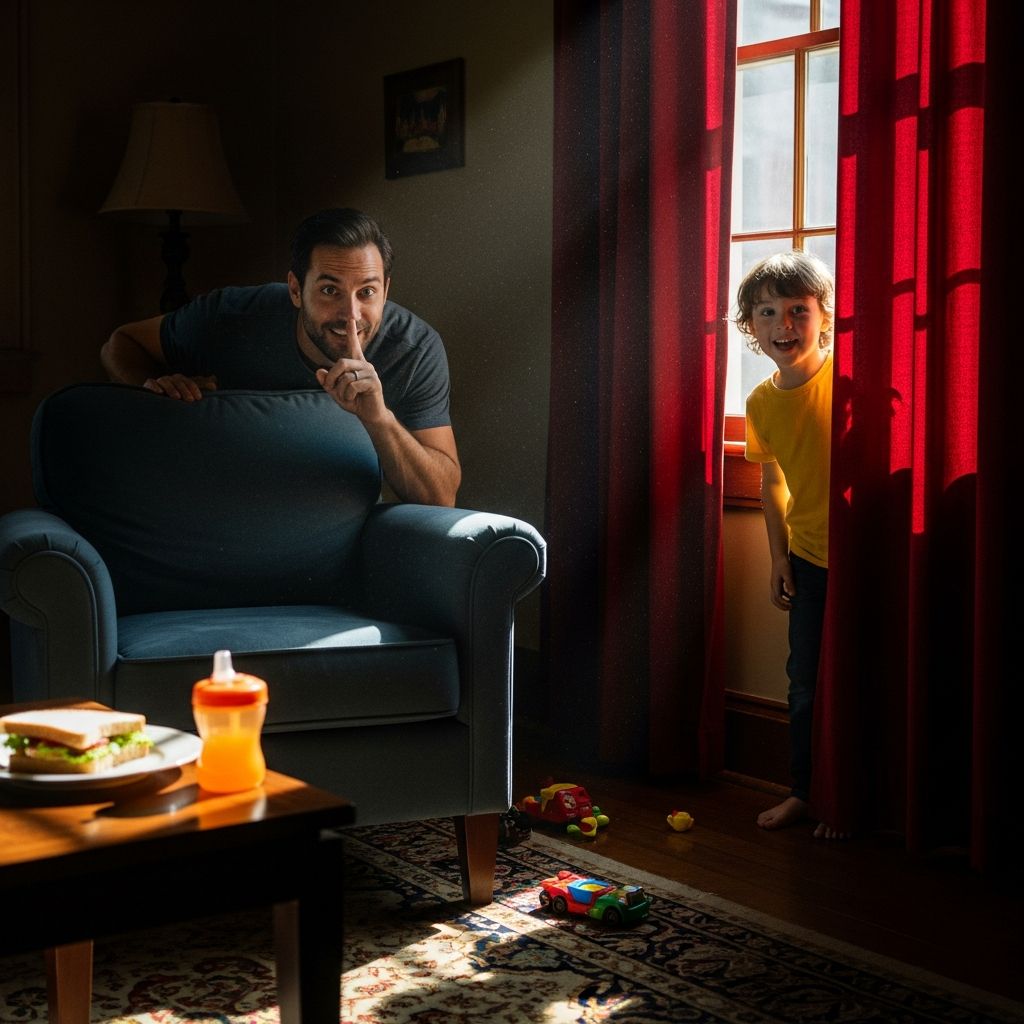
Few writers captured the comedy of childhood as clearly as Twain. He understood that life with kids is at once absurd, exhausting, and beautiful. Treating everything as a solemn duty makes parenting heavier than it needs to be; seeing the funny side can lighten the load for both adults and children.
- Humor releases tension: Laughter can reduce stress hormones and increase feelings of connection within families, making conflicts easier to navigate.
- Kids remember jokes: Playful one-liners and silly rituals often stick longer than long lectures.
- Self-deprecating humor shows humility: When parents are willing to laugh at their own mistakes, they become more approachable and less intimidating.
Twain’s legacy reminds parents that taking children seriously does not mean taking ourselves too seriously.
Babies: Joy, Disruption, and the Shock of New Life
Twain often joked that babies are both a blessing and a massive inconvenience. That tension captures a truth many new parents hesitate to say aloud: you can be profoundly in love with your child and still feel overwhelmed by the loss of sleep, time, and freedom.
Recognizing both sides makes it easier to accept the emotional whiplash of early parenthood.
- Expect ambivalence: Research shows that parents commonly experience mixed feelings, especially in the first year.
- Redefine productivity: Rocking a baby for an hour might feel unproductive, but it is foundational emotional work that builds attachment.
- Laugh at the chaos: Spilled milk, mismatched socks, and sleepless nights become family legends later; humor can turn daily mishaps into stories in the making.
When One Child Becomes Many: Siblings and the “Permanent Riot”
Twain’s quips about multiple children often paint them as a kind of friendly insurrection. Any parent of more than one child knows the feeling: noise, squabbles, and endless negotiations over who got the bigger slice or the front seat.
Behind the jokes is a serious reality: siblings are a child’s first training ground for negotiation, empathy, and conflict.
| Challenge of Multiple Kids | Hidden Opportunity |
|---|---|
| Constant arguments | Practice in conflict resolution and compromise |
| Competition for attention | Learning to wait, share, and recognize others’ needs |
| Different personalities and temperaments | Exposure to diversity and perspective-taking at home |
Instead of wishing for perfect harmony, Twain-style parenting accepts the “riot” as part of the curriculum of family life.
The Music of Mispronunciations: Enjoying Fleeting Stages
Twain loved the way young children bend language, and he mourned how quickly those adorable errors vanish. Parents often feel the same: today’s mispronounced word is tomorrow’s correct sentence, and the transformation can be surprisingly bittersweet.
Modern parenting culture, with its milestones and developmental charts, can make us rush children forward. Twain’s sensibility invites us to pause and savor each fleeting phase.
- Write down funny phrases or keep a simple journal of things your child says.
- Record short audio or video clips during ordinary moments, not just big events.
- Resist the urge to correct every mistake; allow room for play with language.
Children are not only becoming; they are someone right now. Twain’s nostalgia for childhood speech is a reminder to appreciate who they are at every age.
Being the “Difficult” Child’s Parent
Twain liked to portray himself as a handful when he was young—and his writing suggests that his mother found exasperation and delight in equal measure. Many parents quietly worry that their strong-willed or impulsive child reflects badly on them. Twain flips the script: the very traits that frustrate us now may later emerge as courage, creativity, or leadership.
Key ideas for parents of spirited kids:
- Separate behavior from identity: Say “that choice wasn’t OK,” not “you are a bad kid.”
- Channel energy: Offer outlets—sports, art, building, movement—rather than demanding stillness all the time.
- Hold firm limits with warmth: Consistent boundaries and emotional support together promote healthier outcomes than harsh discipline alone.
Twain’s mischievous persona reassures parents that a child who is “a lot” might also be the one who brings the most color to the family story.
Teenagers, Perspective, and the “Suddenly Wise” Parent
One of Twain’s most famous observations describes how foolish he thought his father was as a teenager—and how astonishingly “wise” his father seemed just a few years later. The joke reveals a crucial truth: it is perspective, not the parent, that changes.
Adolescence is a period marked by increasing independence and frequent questioning of parental authority. Neuroscience shows that the teen brain is still developing in areas related to impulse control and long-term planning, which helps explain the push-pull dynamic between teens and adults.
- Expect skepticism: Doubting adults is part of building an independent identity.
- Stay consistent: Even when teens roll their eyes, they watch whether your actions match your words.
- Play the long game: Respect you “lost” at 15 may return in a different form at 25.
Twain subtly suggests that parental wisdom is often recognized only in retrospect. Parenthood requires patience with a timeline that may stretch well into your child’s adulthood.
Rules, Rebellion, and the Art of Strategic Obedience
Twain loved poking fun at rules. He hinted that children quickly learn when obedience is expected and when they can safely ignore instructions. While his tone is light, it reflects a serious developmental process: kids constantly test boundaries to understand what is flexible and what is not.
A Twain-inspired approach to rules balances structure with reflection.
- Differentiate between safety and preference: Rules about car seats or helmets are non-negotiable; rules about clothing styles or room decor might allow some negotiation.
- Explain the “why”: Children are more likely to follow rules they understand and see as fair.
- Allow harmless rebellion: Small acts of autonomy (like hairstyle or music taste) can satisfy the need for independence and reduce conflicts over bigger issues.
Twain’s attitude is not anti-rule; it is pro-wisdom. He nudges parents to choose their battles carefully and to accept that some degree of rebellion is evidence of a growing mind.
Listening, Letters, and Kids as Natural Communicators
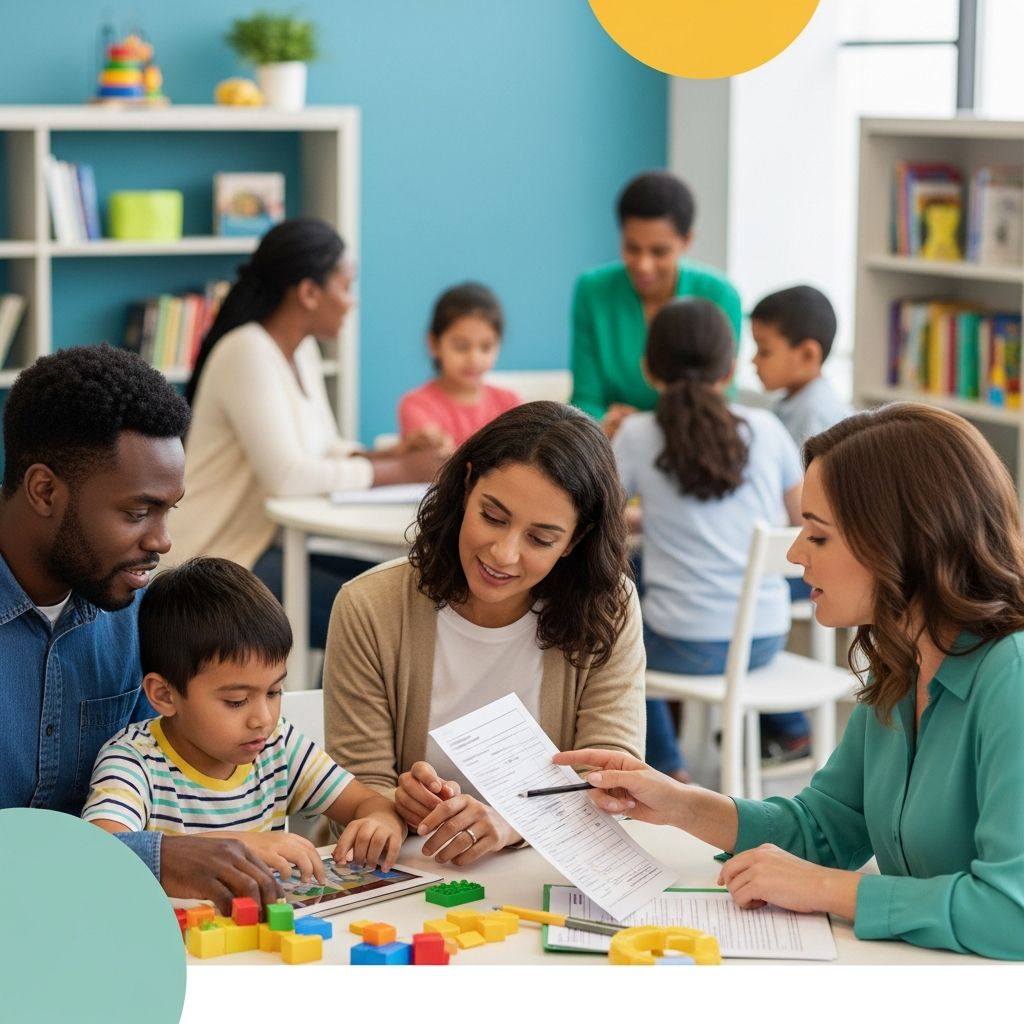
Twain admired how children communicate: simple, direct, and free from pretension. Modern research echoes this idea; children’s narratives about everyday life provide valuable insight into their emotional worlds.
Parents can learn from this simplicity.
- Ask open-ended questions like “What was the best part of your day?” instead of “How was school?”
- Allow pauses; kids often open up after a bit of silence.
- Value the “small” stories about playground drama or a new game; these are big in your child’s universe.
Twain’s delight in children’s letters points to a key parenting skill: take seriously what your child takes seriously, even when it seems trivial to you.
The Freedom of Youth and the Weight of Responsibility
Twain often contrasted the carefree spirit of youth with the burdens adults carry. Children, he joked, enjoy the fun while “the other fellows” shoulder the trouble. That imbalance can feel unfair to tired parents, but it also highlights why childhood is so important.
Healthy development depends on protected spaces where kids can play, experiment, and occasionally fail without catastrophic consequences.
- Let children take age-appropriate risks, such as climbing, exploring, or trying new activities.
- Shield them from adult worries they cannot influence, like complex financial stress, while still being honest at an age-appropriate level.
- Remember that your invisible labor—planning, worrying, organizing—creates the conditions for their visible joy.
Twain’s reflections help reframe parental sacrifice as part of the natural order: adults trade some of their own carefree spontaneity so the next generation can experience it.
Learning the Rules So You Can Wisely Bend Them
One of Twain’s most provocative ideas is that strict obedience to rules in youth can prepare a person to break them wisely later. This is particularly relevant in parenting: we want children who respect core values—honesty, kindness, safety—yet are capable of challenging unjust or outdated norms.
Parents can cultivate this balance by:
- Being clear about non-negotiable values (e.g., no lying to cover harm, no cruelty).
- Inviting discussion about rules rather than treating them as beyond question.
- Modeling ethical dissent: explaining why you sometimes make exceptions and how you weigh the consequences.
In a Twain-like view, the goal is not blind obedience but well-informed conscience.
Twain’s Bigger Message: Parents Are Learning Too
Perhaps the most comforting theme in Twain’s work is that no one really has parenting fully figured out. The adults in his stories often improvise, stumble, and change their minds. That aligns with contemporary research showing that parenting is a dynamic relationship, not a fixed set of skills.
Key takeaways for parents:
- You are allowed to grow alongside your children.
- Changing your mind as you learn more is a sign of maturity, not failure.
- Your child’s eventual respect may depend less on perfection and more on your honesty, effort, and love over time.
Twain’s humor makes an uncomfortable truth easier to accept: parenting is an experiment conducted in real time, with real people we deeply care about. That is exactly why we need compassion—for our kids and for ourselves.
Frequently Asked Questions (FAQs)
Q: Is it okay to joke about my kids and the chaos of parenting?
A: Yes, as long as your humor does not belittle or shame your child. Light, affectionate joking can help families cope with stress and build connection. Target situations—like the mountain of laundry—not your child’s worth.
Q: How can I balance firm rules with letting my child be independent?
A: Decide in advance which rules are about safety and core values and keep those firm. Offer choices and flexibility in lower-stakes areas like clothes, hobbies, or room decor so your child has room to express independence.
Q: My teenager thinks I “don’t understand anything.” What should I do?
A: Stay calm, keep listening, and remain consistent. Teens often re-evaluate their judgment about parents later in life. Focus on maintaining respect, setting boundaries, and preserving the relationship, even if appreciation comes much later.
Q: How can I enjoy my kids more instead of just managing them?
A: Build small rituals that highlight joy: inside jokes, regular walks, reading aloud, or short nightly check-ins. Try noticing one funny or sweet moment each day, even when the day feels exhausting.
Q: What if I feel like I’m failing at parenting most days?
A: Feeling inadequate is common among caring parents. Focus on showing up consistently, apologizing when needed, and making small improvements over time. Parenting research emphasizes that being “good enough,” not perfect, is what most supports healthy child development.
References
- Infant Mental Health and Early Childhood Development — National Institute of Mental Health. 2023-05-10. https://www.nimh.nih.gov/health/topics/child-and-adolescent-mental-health
- Social Benefits of Laughter and Humor — Mayo Clinic Staff. 2021-09-28. https://www.mayoclinic.org/healthy-lifestyle/stress-management/in-depth/stress-relief/art-20044456
- Transition to Parenthood — American Psychological Association. 2020-06-01. https://www.apa.org/topics/parenting/transition
- Parenting Matters: Supporting Parents of Children Ages 0–8 — National Academies of Sciences, Engineering, and Medicine. 2016-11-21. https://nap.nationalacademies.org/catalog/21868/parenting-matters-supporting-parents-of-children-ages-0-8
- The Teen Brain: Still Under Construction — National Institute of Mental Health. 2011-04-01. https://www.nimh.nih.gov/health/publications/the-teen-brain-still-under-construction
- Children’s Narratives and Well-being — Fivush, R., Duke, M. Applied Cognitive Psychology. 2010-04-15. https://doi.org/10.1002/acp.1610