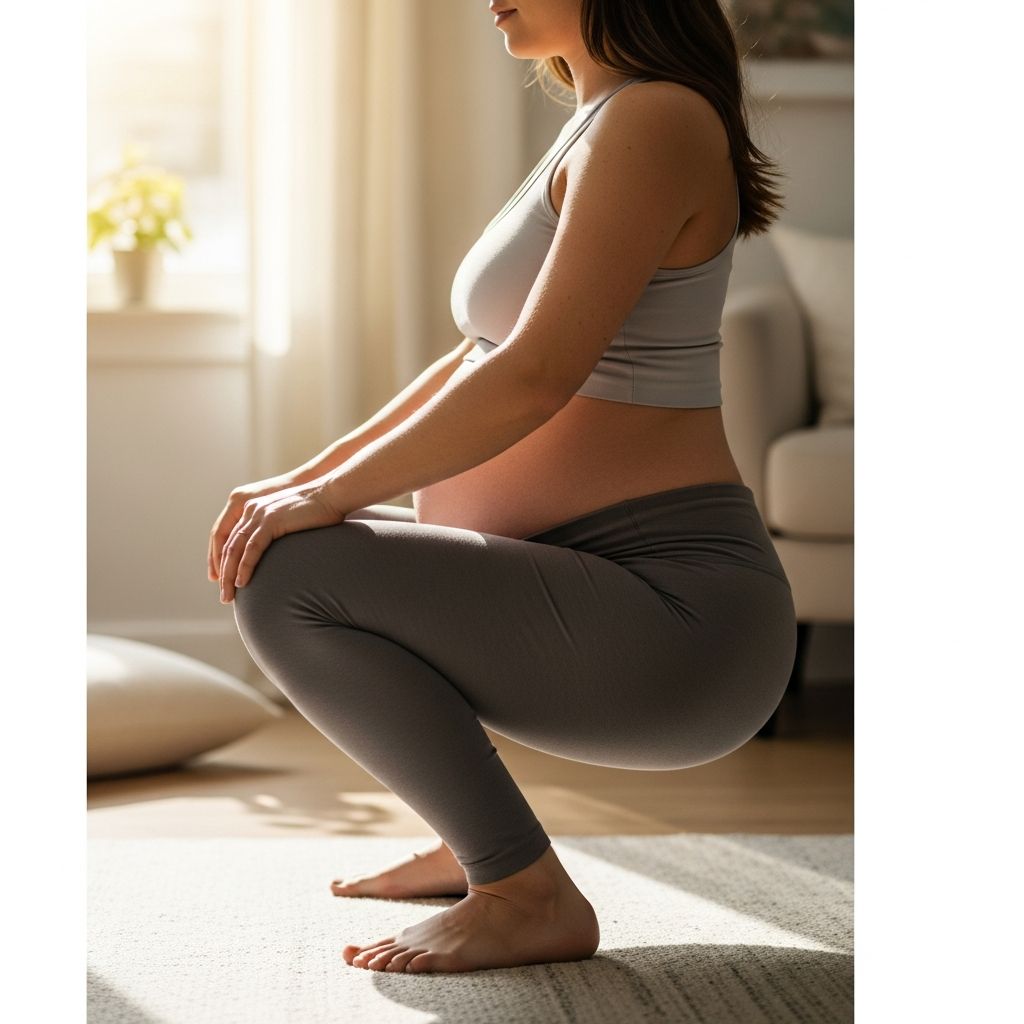
The practice of squatting during childbirth represents a return to more instinctive birthing postures, offering potential physiological advantages over traditional supine positions. By leveraging gravity and optimizing pelvic mechanics, this approach can facilitate smoother deliveries for many women.
Understanding the Physiology of Squatting in Labor
Squatting alters the pelvic architecture in ways that support fetal descent. Research indicates that this position can increase the pelvic outlet diameter by up to 15-20% compared to reclining, effectively shortening the birth canal and providing more space for the baby to navigate.
During a deep squat, the sacro-iliac joint flexes, allowing greater pelvic mobility. Biomechanical models show this can enlarge the outlet by nearly 2.5 cm, a critical expansion in the final stages of labor when hormonal relaxin enhances ligament flexibility. Gravity assists by directing the baby’s head downward, promoting optimal anterior positioning and reducing resistance from abdominal compression seen in lying positions.
Key Advantages of Adopting a Squatting Position
Multiple studies highlight compelling benefits, making squatting a viable option for low-risk pregnancies.
- Shorter Labor Duration: Upright positions like squatting shorten the active pushing phase by an average of 8-16 minutes, with one trial noting up to 34 minutes faster second stages when transitioning from standing to squatting.
- Reduced Interventions: Lower rates of forceps or vacuum use (11% vs. 24% in supine births) and decreased oxytocin needs due to enhanced uterine efficiency.
- Minimized Perineal Trauma: Fewer severe tears and episiotomies, as natural stretching occurs more effectively, trading minor second-degree tears for avoiding surgical cuts that heal slower.
- Less Blood Loss and Pain: Average reductions in postpartum hemorrhage and blood loss under 500 mL, alongside lower epidural requests and higher maternal satisfaction.
- Fetal Benefits: Improved heart rate stability and reduced NICU admissions, attributed to better oxygenation and positioning.
| Outcome | Squatting | Supine Position | Source |
|---|---|---|---|
| Second Stage Duration | Shorter by 8-34 min | Longer | |
| Instrumental Delivery | 11% | 24% | |
| Severe Perineal Trauma | 75% reduction | Higher | |
| Blood Loss | <500 mL avg | Higher |
Potential Drawbacks and Risk Factors
While advantageous, squatting isn’t suitable for everyone. It may increase minor tearing risks due to rapid descent outpacing perineal stretch, and prolonged use can fatigue legs if unprepared. Fetal monitoring challenges and difficulties in provider assistance during crowning are additional concerns.
Certain conditions contraindicate deep squats: low-lying placenta, cord issues, breech presentation, hemorrhoids, or symphysis pubis dysfunction. After 34 weeks, confirm fetal position via ultrasound, as excessive squatting might delay engagement or promote posterior positioning.
Preparing Your Body for Squatting Birth
Building strength and flexibility is essential for sustaining squats through labor’s intensity. Start prenatal exercises early, progressing gradually.
Essential Prenatal Squatting Exercises
- Supported Squats: Hold a sturdy surface, feet wider than hips, lower until thighs parallel to floor. Hold 20-30 seconds, 5-10 reps daily. Enhances hip mobility and glute strength.
- Wall Squats: Back against wall, slide down to 90-degree knee bend. Builds endurance for labor holds.
- Squat with Pelvic Tilts: In squat, gently rock pelvis forward/backward to practice birthing alignment and pelvic floor relaxation.
- Dynamic Squats: From weeks 20+, squat during contractions in late pregnancy practice sessions, using a birth ball or partner support.
Incorporate yoga or Hypnobabies techniques focusing on deep squats to promote pelvic floor elasticity and prevent waddling gait. Consult your provider before starting, especially with spinal issues.
Implementing Squatting During Active Labor
Discuss squatting with your care team prenatally to ensure birth setting support—hospitals may need bars, stools, or doulas. Begin in early labor with light squats, progressing to deep ones during transition.
- Use a squatting bar on the bed, birth stool, or partner’s support for stability.
- Alternate with standing or kneeling to conserve energy.
- Perineal massage and warm compresses mitigate tearing risks.
A randomized trial found squatting mothers reported less pain severity via VAS scores and greater satisfaction, with fewer episiotomies.
Historical and Cultural Perspectives on Squatting Births
Squatting has deep roots in human evolution and traditional societies. Bioarchaeological evidence suggests habitual squatting—from childhood activities like defecation or labor—optimized pelvic morphology for easier parturition, contrasting modern sedentary lifestyles that narrow outlets.
Ethnographic records from communities practicing routine squatting describe fewer complications, with women achieving deliveries without supine confinement. Contemporary studies affirm these observations, linking regular squatting to sacro-iliac flexion and visceral support.
Expert Recommendations and Modern Adaptations
Organizations like Lamaze endorse upright positions for empowered births, but emphasize preparation. Evidence Based Birth summarizes meta-analyses favoring squatting for spontaneous labor, though supine remains default in high-intervention settings.
For hospital births, advocate for wireless monitoring and mobile epidurals compatible with movement. Home or birth center settings offer ideal flexibility.
Frequently Asked Questions (FAQs)
Is squatting safe for first-time mothers?
Yes, with preparation; it shortens pushing for primiparas, but build leg strength to avoid fatigue.
Can I squat if I have an epidural?
Limited mobility may prevent deep squats, but partial upright positions are possible with assistance.
How does squatting affect the baby?
Positively: better heart rates and positioning reduce distress risks.
When should I avoid squatting in pregnancy?
After 34 weeks if baby isn’t head-down, or with placenta/cord issues—consult your doctor.
Does squatting increase tearing?
Minor tears may rise, but severe trauma and episiotomies drop, a net benefit.
Empowering Your Birth Choices
Choosing squatting aligns body mechanics with natural processes, potentially transforming labor. Pair with education, prenatal fitness, and a supportive team for optimal outcomes. Every birth is unique—prioritize informed consent and comfort.
References
- Squatting Birth: Benefits, Drawbacks, Preparation — Healthline. 2023. https://www.healthline.com/health/pregnancy/squatting-birth
- Evidence on: Birthing Positions — Evidence Based Birth. 2023-05-01. https://evidencebasedbirth.com/evidence-birthing-positions/
- Squatting Births — Prenatal Yoga Center. 2022. https://prenatalyogacenter.com/squatting-births/
- Squatting in Pregnancy to Prepare for Labor — Hypnobabies. 2023. https://www.hypnobabies.com/squatting-in-pregnancy-to-prepare-for-labor/
- Squatting, pelvic morphology and a reconsideration of childbirth — PMC (PMC9154243). 2022-05-11. https://pmc.ncbi.nlm.nih.gov/articles/PMC9154243/
- A Hospital-Based Randomized Controlled Trial—Comparing Squatting with Lying Positions — PMC (PMC8418581), NIH. 2021-09-16. https://pmc.ncbi.nlm.nih.gov/articles/PMC8418581/