Summer breaks offer families precious time together, but without school routines, children often face restlessness leading to mischief or frustration. Establishing predictable yet adaptable daily frameworks helps maintain balance, supports emotional well-being, and channels energy productively.
Why Routines Matter More in Summer
The shift from structured school days to open-ended vacation time disrupts children’s internal clocks, often resulting in increased challenging behaviors. Research shows that consistent schedules provide a sense of security, reducing anxiety and promoting self-regulation, especially for children with developmental needs.
For neurotypical kids, this lack of predictability can manifest as boredom-fueled antics, while those on the autism spectrum may exhibit rigidity-related distress. Parents report fewer outbursts when days follow a loose rhythm including wake-up times, meals, activities, and wind-down periods.
- Stability fosters independence: Kids learn to anticipate transitions, building confidence.
- Emotional safety: Predictability lowers stress hormones, improving mood and cooperation.
- Skill development: Routines embed habits like hygiene, chores, and downtime.
Flexible structures—unlike rigid timetables—allow spontaneity for summer adventures while preventing chaos.
Building Your Family’s Summer Blueprint
Craft a visual daily plan using calendars, charts, or apps to outline core blocks: morning activation, mid-day pursuits, afternoon rest, and evening connection. Involve kids in planning to boost buy-in.
| Time Block | Activities | Benefits |
|---|---|---|
| Morning (8-10 AM) | Breakfast, hygiene, light exercise or outdoor play | kickstarts energy, sets positive tone |
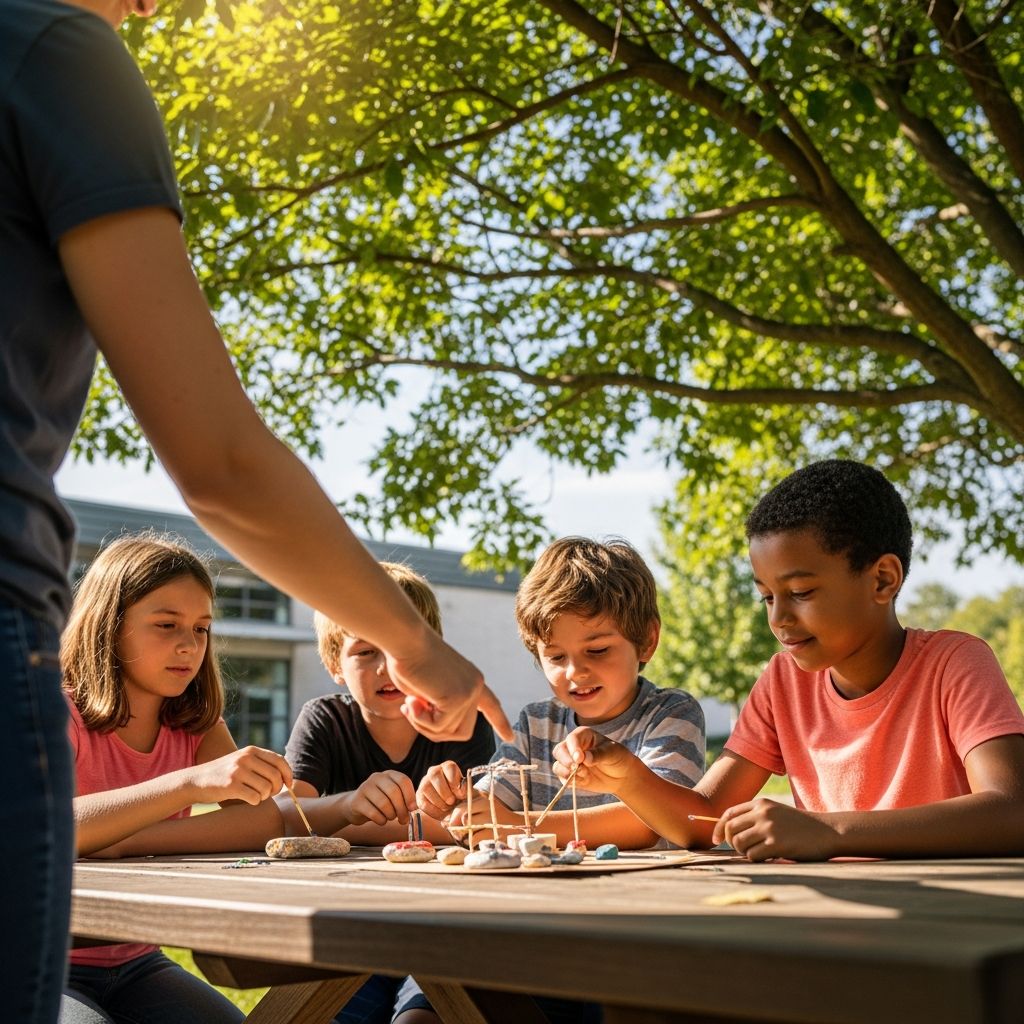
| Mid-Morning (10 AM-12 PM) | Learning games, crafts, or reading | maintains cognitive engagement |
| Afternoon (1-3 PM) | Quiet time, naps for younger kids, independent play | recharges batteries, prevents burnout |
| Late Afternoon (3-5 PM) | Active play, park visits, or family errands | releases pent-up energy |
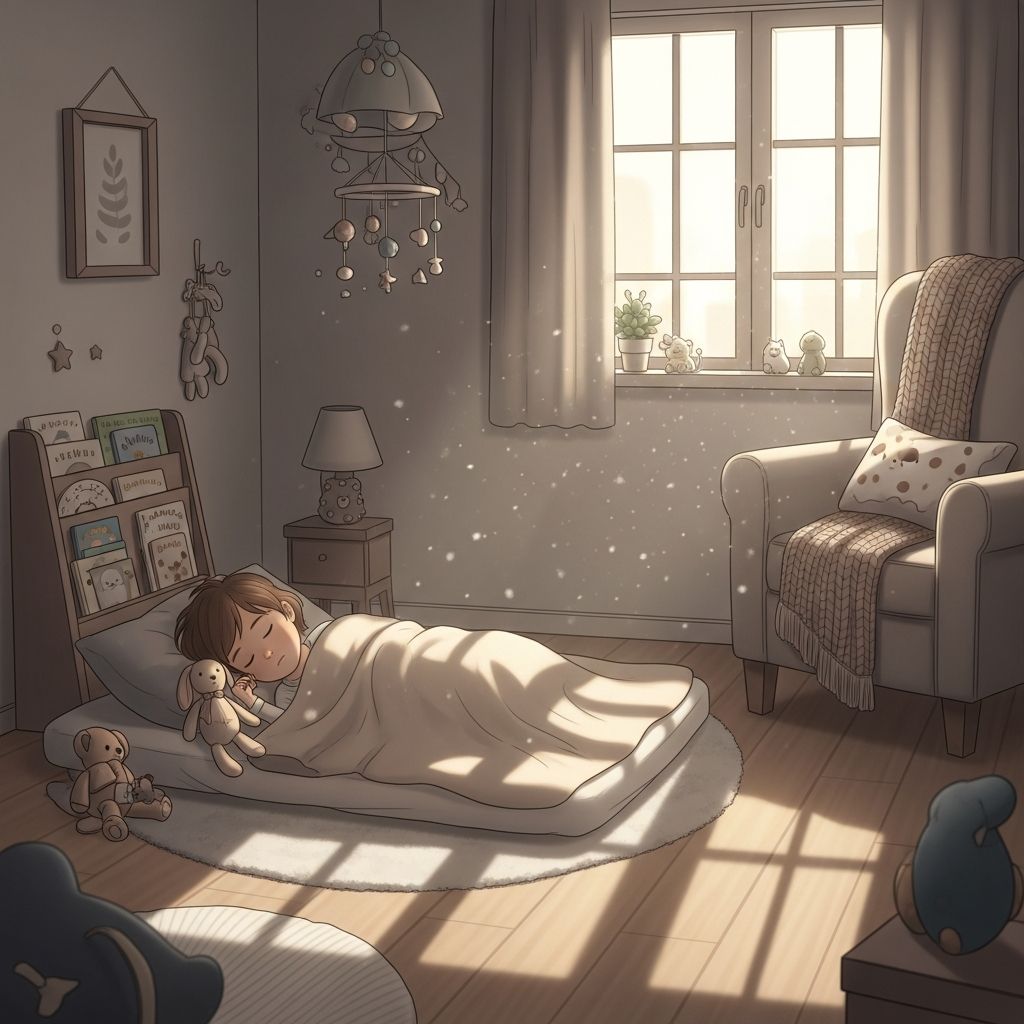
| Evening (6-8 PM) | Dinner, family time, bedtime prep | strengthens bonds, ensures rest |
Adapt for weekends with special outings, but anchor with meals and sleep. Visual aids like picture schedules aid younger children or those needing extra support.
Emotional Tools for Smooth Transitions
Help kids navigate feelings with simple, therapist-recommended techniques that fit into routines.
- Label emotions: “You seem frustrated—let’s breathe together.” This “names it to tame it” approach diffuses tension.
- Breathing exercises: Practice “flower and candle” inhales/exhales during shifts from play to chores.
- Movement breaks: Quick yoga or jumping jacks redirect hyperactivity.
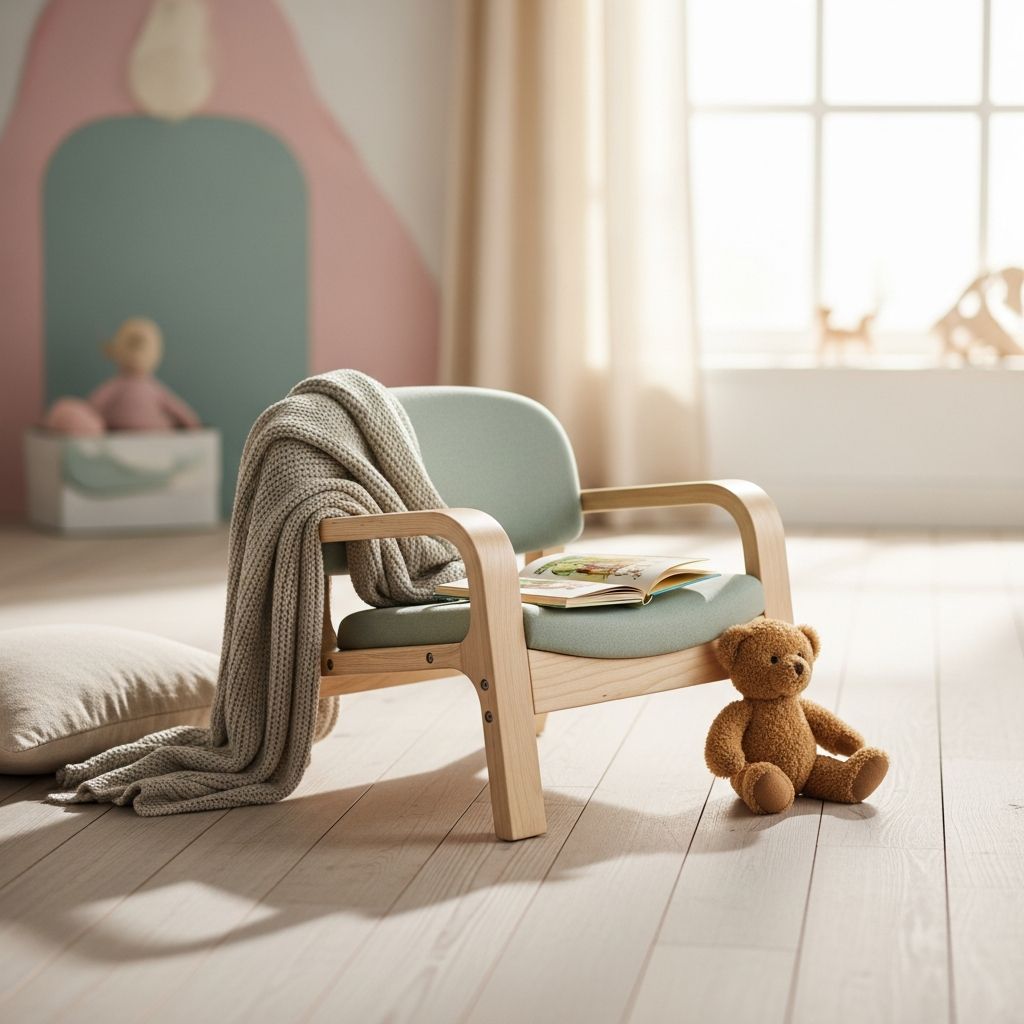
- Calm zones: Designate a cozy nook with books, puzzles, or soft toys for self-soothing.
Proactive previews reduce resistance: “In 5 minutes, we’ll switch to lunch—choose your plate or cup?” Choices empower without overwhelming.
Fostering Connection Through Play
Intentional play counters isolation and rivalry, releasing bonding hormones like oxytocin. Dedicate 15-20 minutes daily to child-led fun—no directives, just presence.
- Follow their interests: Build forts or enact stories to process emotions.
- Incorporate silliness: Laughter-filled games dissolve grudges.
- Role-play resolutions: Practice sharing or apologizing in pretend scenarios.
For siblings, rotate one-on-one time to curb competition, normalizing conflicts as learning opportunities.
Navigating Common Summer Pitfalls
Screen Time Mastery
Limits prevent addiction while alternatives spark creativity. Cap at 60-90 minutes post-core tasks, followed by debriefs: “What happened in your game? Why fun?” Suggest swaps like board games or nature hunts.
Sibling Dynamics
Conflicts peak without supervision. Teach “I feel… when…” statements and enforce solo play slots. Debrief post-cool-down: “What triggered that? Next time?”.
Parental Self-Care
Avoid burnout by carving personal breaks. Enlist partners, relatives, or sitters; prioritize sleep to model resilience.
Special Considerations for Diverse Needs
Children with autism or behavioral challenges thrive on consistency. Preview outings with stories or videos, pair new caregivers gradually, and maintain sleep/food routines. Summer camps emphasize clear instructions and routines for all.
Weekly Planning for Variety
Family huddles prevent monotony. Poll kids for park trips, library visits, or crafts, balancing free play with goals like reading challenges. Track progress with stickers for motivation.
Frequently Asked Questions
What if my child resists the routine?
Start small, praise compliance, and adjust based on feedback. Consistency pays off within a week.
How much flexibility is too much?
Core anchors (meals, sleep) stay fixed; 20-30% room for fun keeps it sustainable.
Does this work for teens?
Yes—collaborate on schedules including jobs or hobbies to build responsibility.
What about working parents?
After-school programs or co-parent splits maintain structure; communicate plans clearly.
Can routines help with back-to-school?
Absolutely—gradual reintroduction eases transitions.
Implementing these strategies transforms summer from potential turmoil to joyful growth. Parents gain peace, kids build lifelong skills.
References
- Managing Behavior and Routine During the Summer Months — Crystal Waters Counseling Centers. 2023. https://crystalwaterscounseling.com/managing-behavior-and-routine-during-the-summer-months/
- Strategies to Reduce Problematic Behavior in the Summer — May Institute. 2023. https://www.mayinstitute.org/news/acl/asd-and-dd-child-focused/strategies-to-reduce-problematic-behavior-in-the-summer/
- How Summer Camps Are Solving Education’s Behavior Crisis — Farm and Wilderness. 2023. https://www.farmandwilderness.org/news-and-announcements/how-summer-camps-are-solving-educations-behavior-crisis
- Using Summer Routines to Address Behavior Issues — Mel Peirce. 2023. https://www.melpeirce.com/blog/summerroutine
- 5 Strategies for Supporting Children with Behavioral Challenges — SESI Schools. 2023. https://sesischools.com/articles/summer-break/